Wang Dawei, Yao Yong, Wang Shuxia, Zhang Huabei, He Zuo-Xiang
State Key Laboratory of Cardiovascular Disease, Department of Nuclear Medicine, Fu Wai Hospital, National Center for Cardiovascular Diseases, Chinese Academy of Medical Sciences and Peking Union Medical College, Beijing, China.
Key Laboratory of Radiopharmaceuticals of Ministry of Education, College of Chemistry, Beijing Normal University, Beijing, China.
Front Bioeng Biotechnol. 2021 Mar 12;9:640037. doi: 10.3389/fbioe.2021.640037. eCollection 2021.
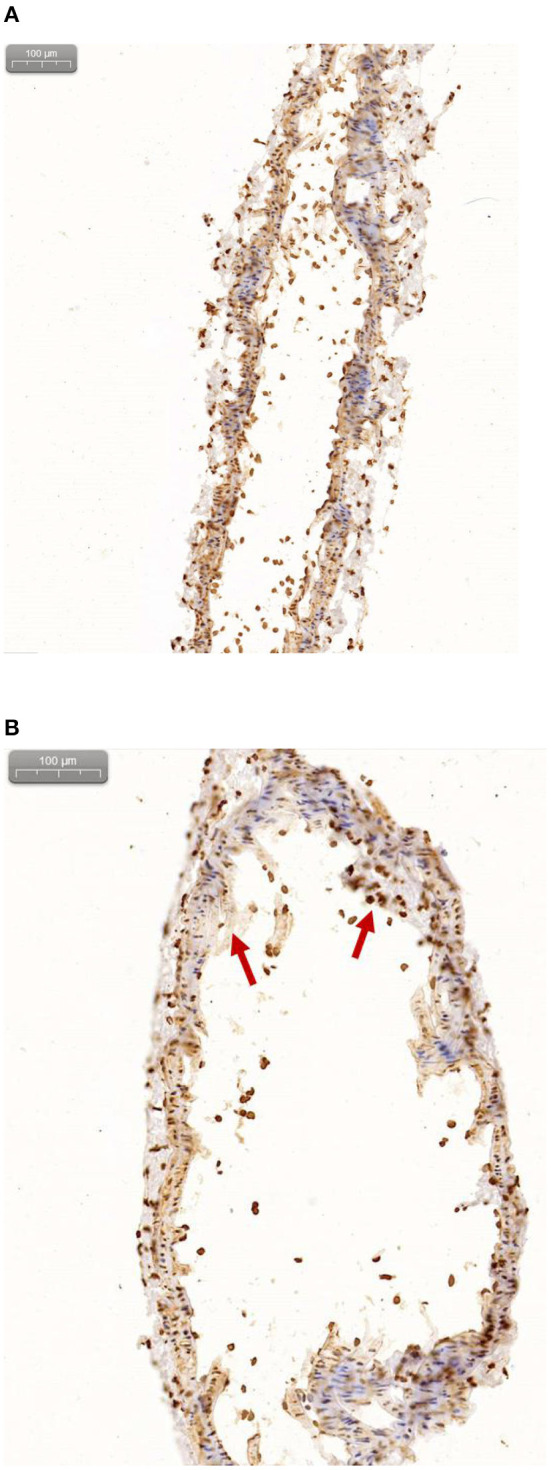
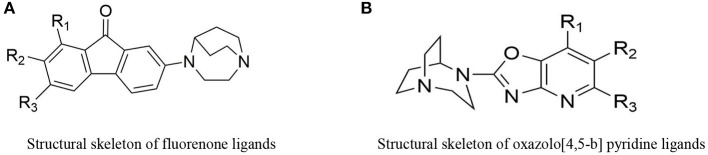
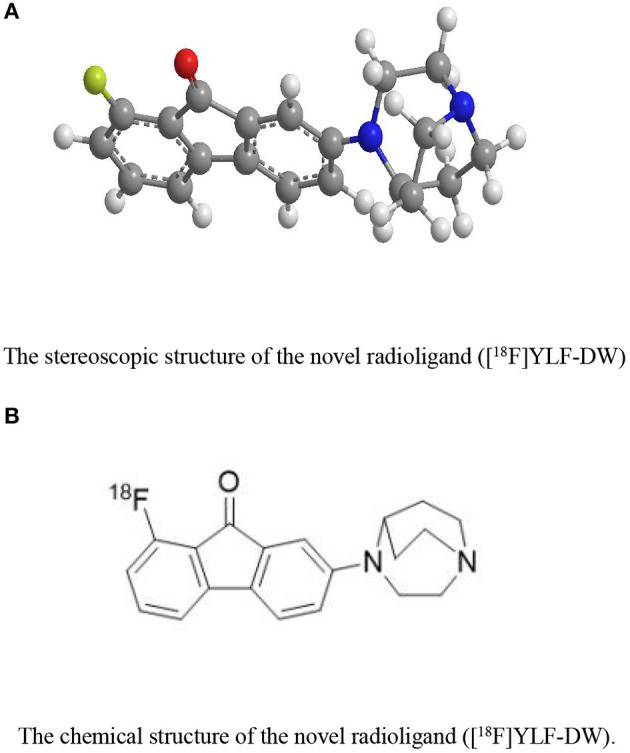
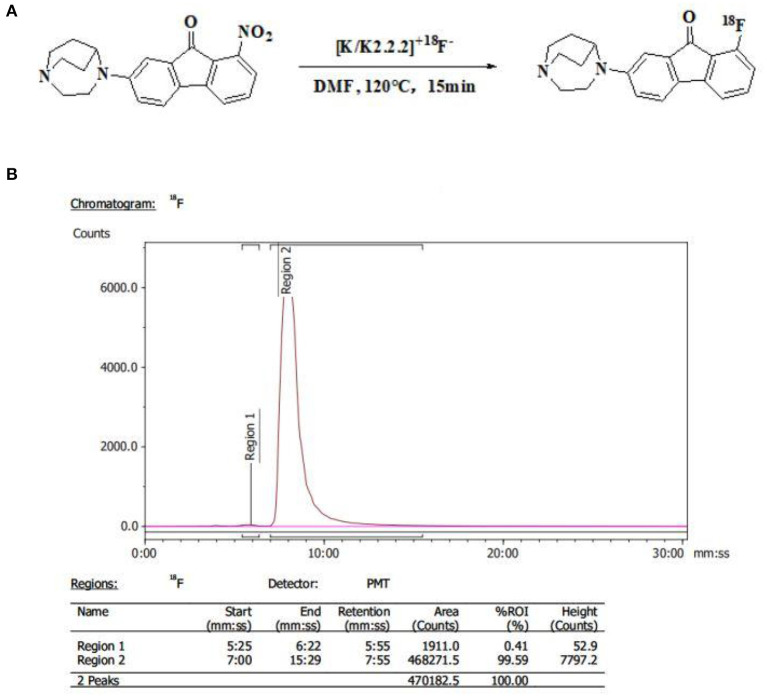
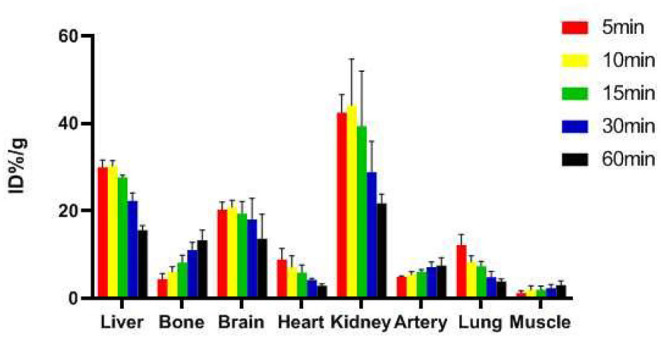
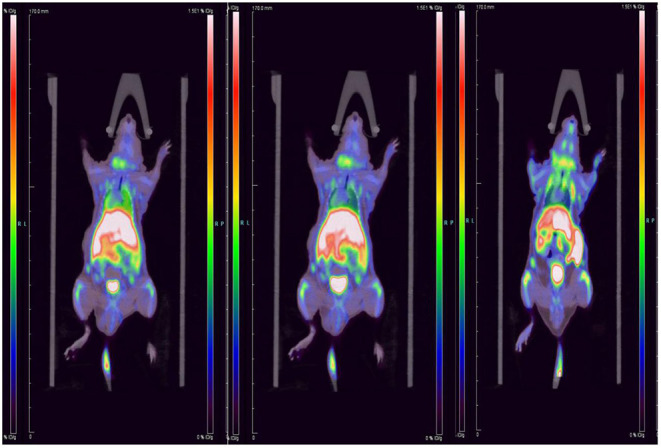
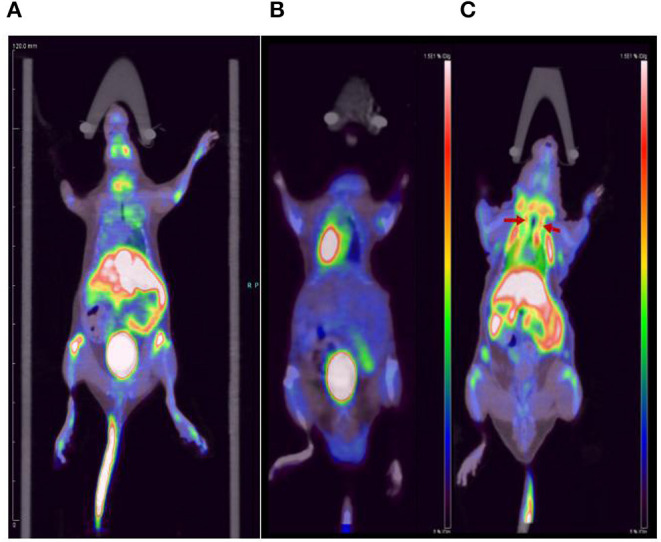
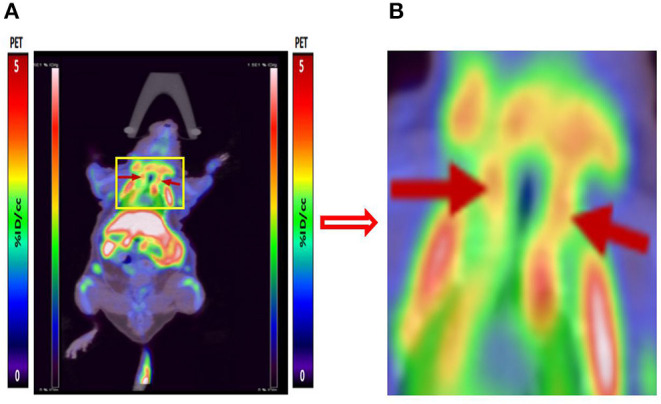
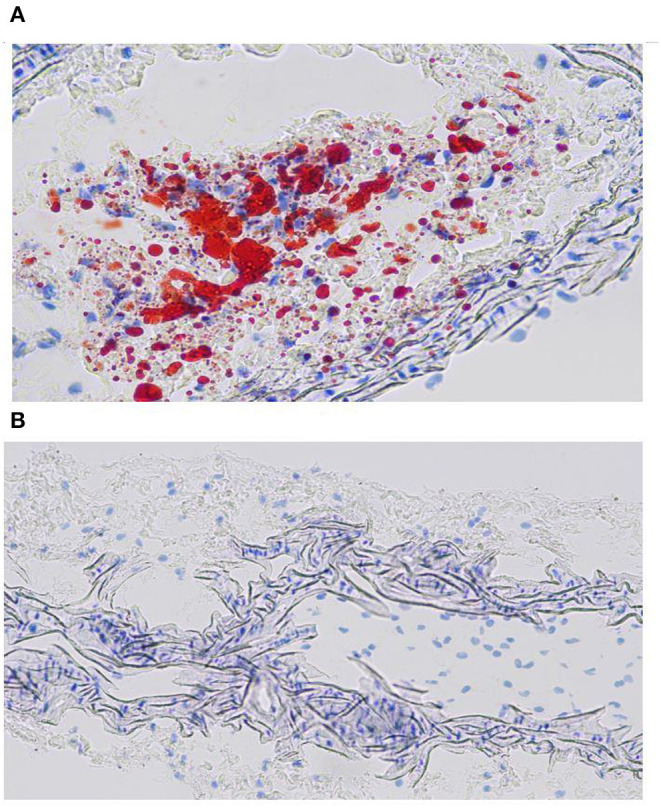
It has been confirmed that the α7-nicotinic acetylcholine receptor (α7nAChR) is an important target for identifying vulnerable atherosclerotic plaques. Previously, we successfully designed and synthesized a series of F-labeled PET molecular probes targeting α7nAChR, which are mainly used in the diagnosis of Alzheimer's disease. Based on the characteristics of α7nAChR in blood vessels, we have firstly screened for a suitable novel F-labeled PET molecular probe ([F]YLF-DW), with high selectivity for α7nAChR over α4β2nAChR and a good effect for the imaging of atherosclerotic animal models, to effectively identify vulnerable atherosclerotic plaques at an early stage. Meanwhile, we compared it with the "gold standard" pathological examination of atherosclerosis, to verify the reliability of [F]YLF-DW in early diagnosis of atherosclerosis. The vulnerable atherosclerotic plaques model of ApoE-/-mice were successfully established. Then based on the methods of 3D-QSAR and molecular docking, we designed oxazolo[4,5-b] pyridines and fluorenone compounds, which are targeted at α7nAChR. Through further screening, a novel alpha7 nicotinic acetylcholine receptor radioligand ([F]YLF-DW) was synthesized and automatically F-labeled using a Stynthra RNplus module. Subsequently, we employed [F]YLF-DW for the targeting of α7nAChR in atherosclerotic plaques and control group, using a micro-PET/CT respectively. After imaging, the mice were sacrificed by air embolism and the carotid arteries taken out for making circular sections. The paraffin embedded specimens were sectioned with 5 μm thickness and stained with oil red. After staining, immunohistochemistry experiment was carried out to verify the effect of micro-PET/CT imaging. The micro-PET/CT imaging successfully identified the vulnerable atherosclerotic plaques in the carotid arteries of ApoE-/-mice; whereas, no signal was observed in normal control mice. In addition, compared with the traditional imaging agent [F]FDG, [F]YLF-DW had a significant effect on the early plaques imaging of carotid atherosclerosis. The results of oil red staining and immunohistochemistry also showed early formations of carotid plaques in ApoE-/-mice and provided pathological bases for the evaluation of imaging effect. We innovated to apply the novel molecular probe ([F]YLF-DW) to the identification of vulnerable atherosclerotic plaques in carotid arteries, to detect atherosclerosis early inflammatory response and provide powerful input for the early diagnosis of atherosclerotic lesions, which may play an early warning role in cardiovascular acute events.
已证实α7-烟碱型乙酰胆碱受体(α7nAChR)是识别易损动脉粥样硬化斑块的重要靶点。此前,我们成功设计并合成了一系列靶向α7nAChR的F标记PET分子探针,这些探针主要用于阿尔茨海默病的诊断。基于血管中α7nAChR的特性,我们首先筛选出一种合适的新型F标记PET分子探针([F]YLF-DW),其对α7nAChR的选择性高于α4β2nAChR,对动脉粥样硬化动物模型成像效果良好,可有效早期识别易损动脉粥样硬化斑块。同时,我们将其与动脉粥样硬化的“金标准”病理检查进行比较,以验证[F]YLF-DW在动脉粥样硬化早期诊断中的可靠性。成功建立了ApoE-/-小鼠易损动脉粥样硬化斑块模型。然后基于3D-QSAR和分子对接方法,设计了针对α7nAChR的恶唑并[4,5-b]吡啶和芴酮化合物。通过进一步筛选,合成了一种新型α7烟碱型乙酰胆碱受体放射性配体([F]YLF-DW),并使用Synthra RNplus模块自动进行F标记。随后,我们分别使用微型PET/CT,将[F]YLF-DW用于动脉粥样硬化斑块组和对照组中α7nAChR的靶向。成像后,通过空气栓塞法处死小鼠,取出颈动脉制作环状切片。将石蜡包埋标本切成5μm厚,用油红染色。染色后,进行免疫组织化学实验以验证微型PET/CT成像效果。微型PET/CT成像成功识别出ApoE-/-小鼠颈动脉中的易损动脉粥样硬化斑块;而在正常对照小鼠中未观察到信号。此外,与传统成像剂[F]FDG相比,[F]YLF-DW对颈动脉粥样硬化早期斑块成像有显著效果。油红染色和免疫组织化学结果也显示了ApoE-/-小鼠颈动脉斑块的早期形成,并为成像效果评估提供了病理依据。我们创新性地将新型分子探针([F]YLF-DW)应用于颈动脉易损动脉粥样硬化斑块的识别,以检测动脉粥样硬化早期炎症反应,为动脉粥样硬化病变的早期诊断提供有力依据,这可能对心血管急性事件起到早期预警作用。