Monguió-Tortajada Marta, Prat-Vidal Cristina, Moron-Font Miriam, Clos-Sansalvador Marta, Calle Alexandra, Gastelurrutia Paloma, Cserkoova Adriana, Morancho Anna, Ramírez Miguel Ángel, Rosell Anna, Bayes-Genis Antoni, Gálvez-Montón Carolina, Borràs Francesc E, Roura Santiago
ICREC Research Program, Health Science Research Institute Germans Trias i Pujol (IGTP), Can Ruti Campus, Badalona, Spain.
REMAR-IVECAT Group, Health Science Research Institute Germans Trias i Pujol (IGTP), Can Ruti Campus, Badalona, Spain.
Bioact Mater. 2021 Mar 15;6(10):3314-3327. doi: 10.1016/j.bioactmat.2021.02.026. eCollection 2021 Oct.
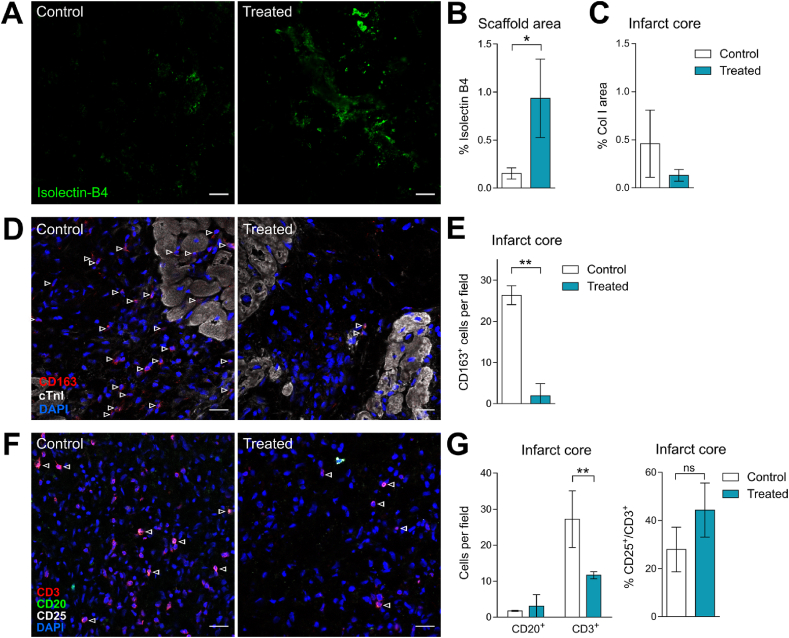
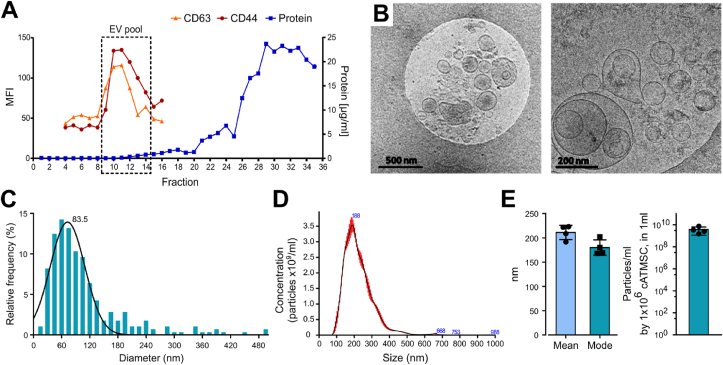
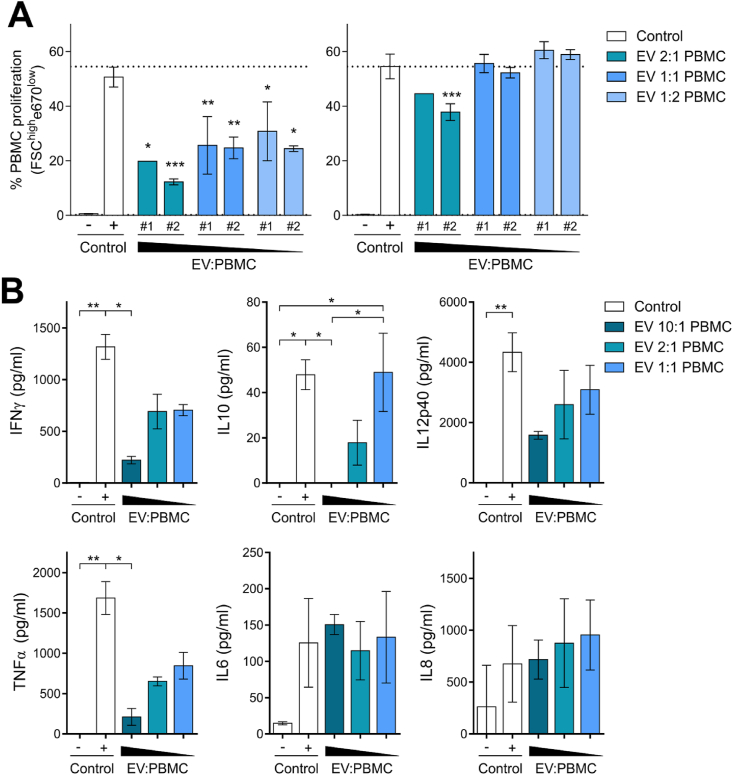
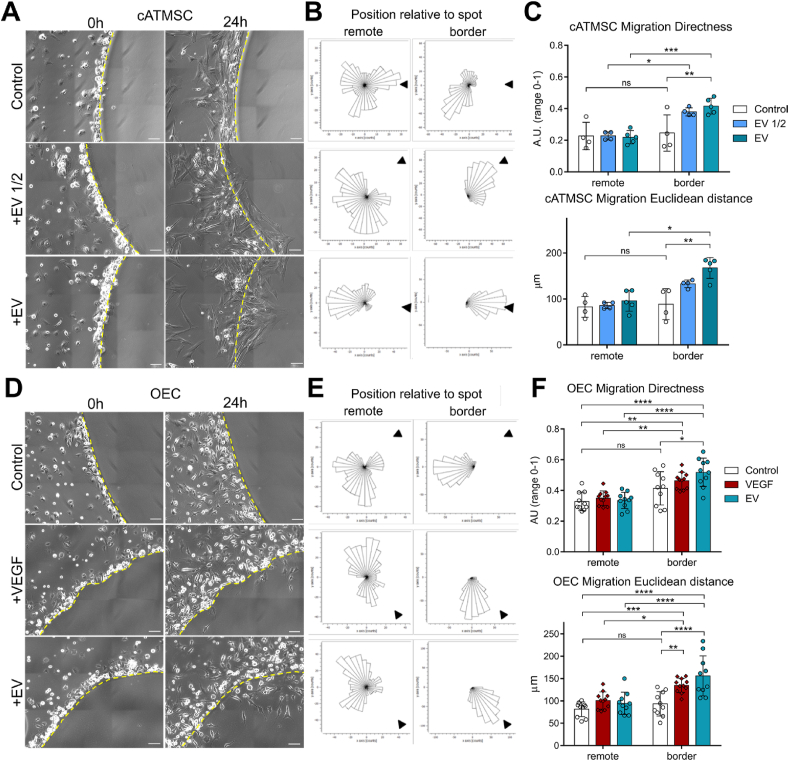
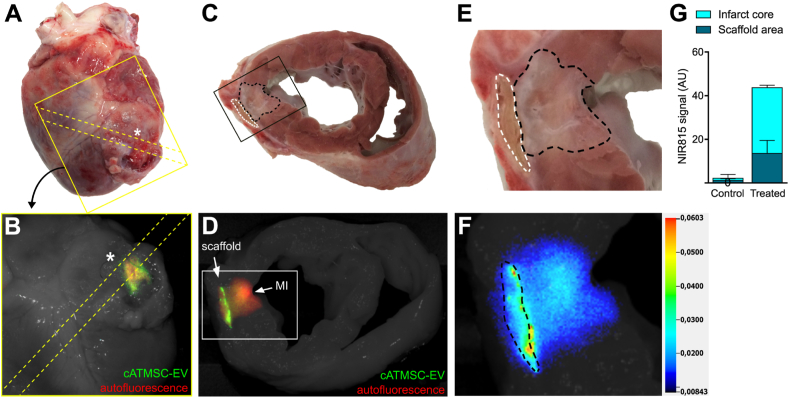
The administration of extracellular vesicles (EV) from mesenchymal stromal cells (MSC) is a promising cell-free nanotherapy for tissue repair after myocardial infarction (MI). However, the optimal EV delivery strategy remains undetermined. Here, we designed a novel MSC-EV delivery, using 3D scaffolds engineered from decellularised cardiac tissue as a cell-free product for cardiac repair. EV from porcine cardiac adipose tissue-derived MSC (cATMSC) were purified by size exclusion chromatography (SEC), functionally analysed and loaded to scaffolds. cATMSC-EV markedly reduced polyclonal proliferation and pro-inflammatory cytokines production (IFNγ, TNFα, IL12p40) of allogeneic PBMC. Moreover, cATMSC-EV recruited outgrowth endothelial cells (OEC) and allogeneic MSC, and promoted angiogenesis. Fluorescently labelled cATMSC-EV were mixed with peptide hydrogel, and were successfully retained in decellularised scaffolds. Then, cATMSC-EV-embedded pericardial scaffolds were administered over the ischemic myocardium in a pig model of MI. Six days from implantation, the engineered scaffold efficiently integrated into the post-infarcted myocardium. cATMSC-EV were detected within the construct and MI core, and promoted an increase in vascular density and reduction in macrophage and T cell infiltration within the damaged myocardium. The confined administration of multifunctional MSC-EV within an engineered pericardial scaffold ensures local EV dosage and release, and generates a vascularised bioactive niche for cell recruitment, engraftment and modulation of short-term post-ischemic inflammation.
间充质基质细胞(MSC)来源的细胞外囊泡(EV)给药是一种很有前景的无细胞纳米疗法,用于心肌梗死(MI)后的组织修复。然而,最佳的EV递送策略仍未确定。在此,我们设计了一种新型的MSC-EV递送方法,使用由脱细胞心脏组织工程构建的3D支架作为用于心脏修复的无细胞产品。通过尺寸排阻色谱法(SEC)纯化来自猪心脏脂肪组织来源的MSC(cATMSC)的EV,进行功能分析并加载到支架上。cATMSC-EV显著降低了同种异体PBMC的多克隆增殖和促炎细胞因子产生(IFNγ、TNFα、IL12p40)。此外,cATMSC-EV招募了内皮祖细胞(OEC)和同种异体MSC,并促进了血管生成。将荧光标记的cATMSC-EV与肽水凝胶混合,并成功保留在脱细胞支架中。然后,将嵌入cATMSC-EV的心包支架施用于MI猪模型的缺血心肌上。植入后6天,工程支架有效地整合到梗死心肌中。在构建体和MI核心内检测到cATMSC-EV,并促进了受损心肌内血管密度的增加以及巨噬细胞和T细胞浸润的减少。在工程化心包支架内对多功能MSC-EV进行受限给药可确保局部EV剂量和释放,并为细胞招募、植入和短期缺血后炎症的调节产生一个血管化的生物活性微环境。