Madan Taruna, Biswas Barnali, Varghese Praveen M, Subedi Rambhadur, Pandit Hrishikesh, Idicula-Thomas Susan, Kundu Indra, Rooge Sheetalnath, Agarwal Reshu, Tripathi Dinesh M, Kaur Savneet, Gupta Ekta, Gupta Sanjeev K, Kishore Uday
Department of Innate Immunity, and.
Biosciences, College of Health, Medicine and Life Sciences, Brunel University London, Uxbridge, United Kingdom.
Am J Respir Cell Mol Biol. 2021 Jul;65(1):41-53. doi: 10.1165/rcmb.2021-0005OC.
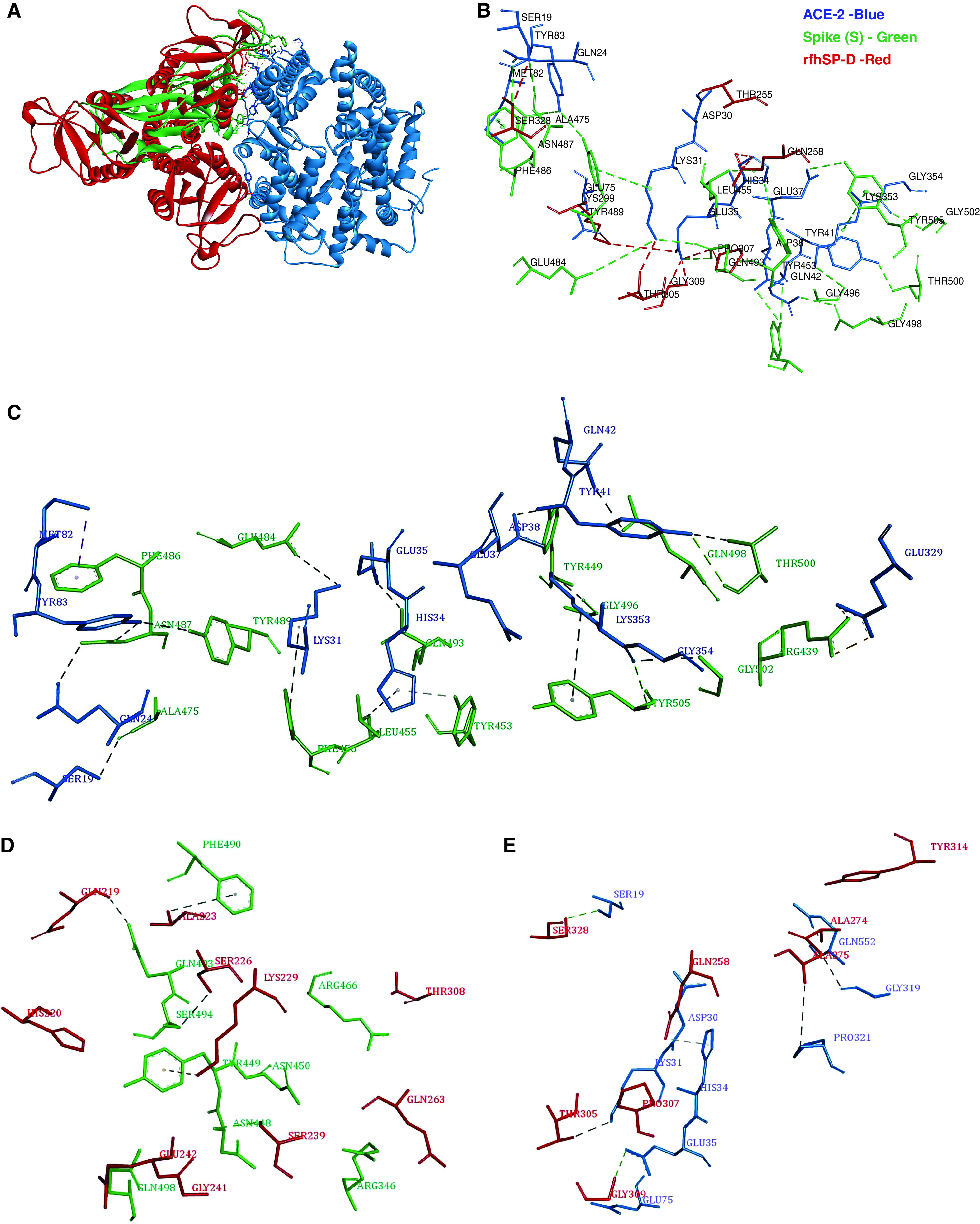
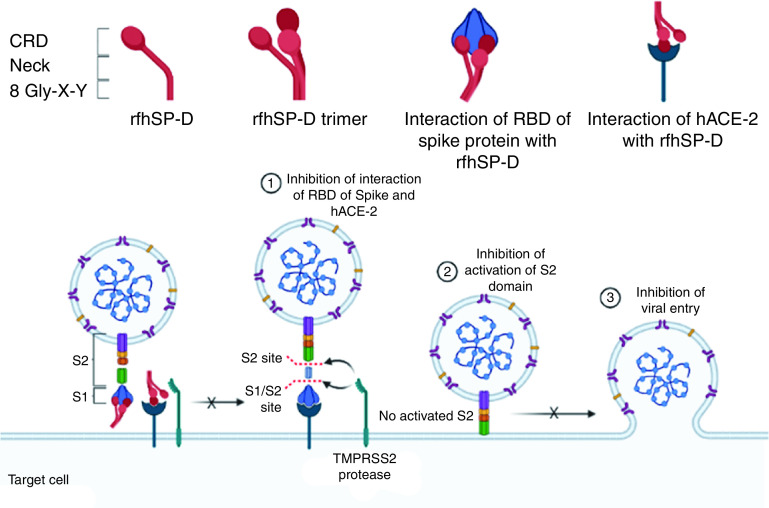
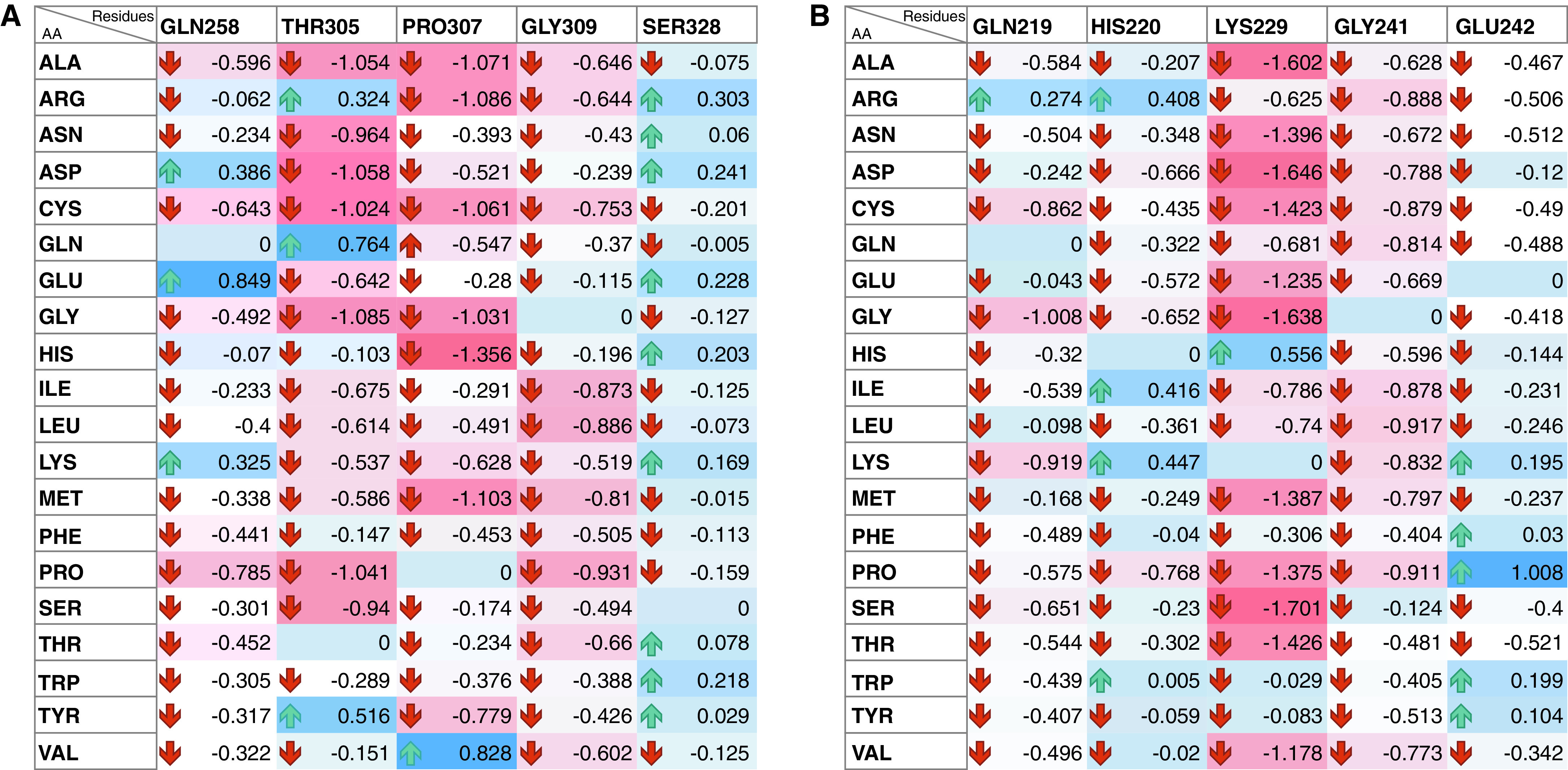
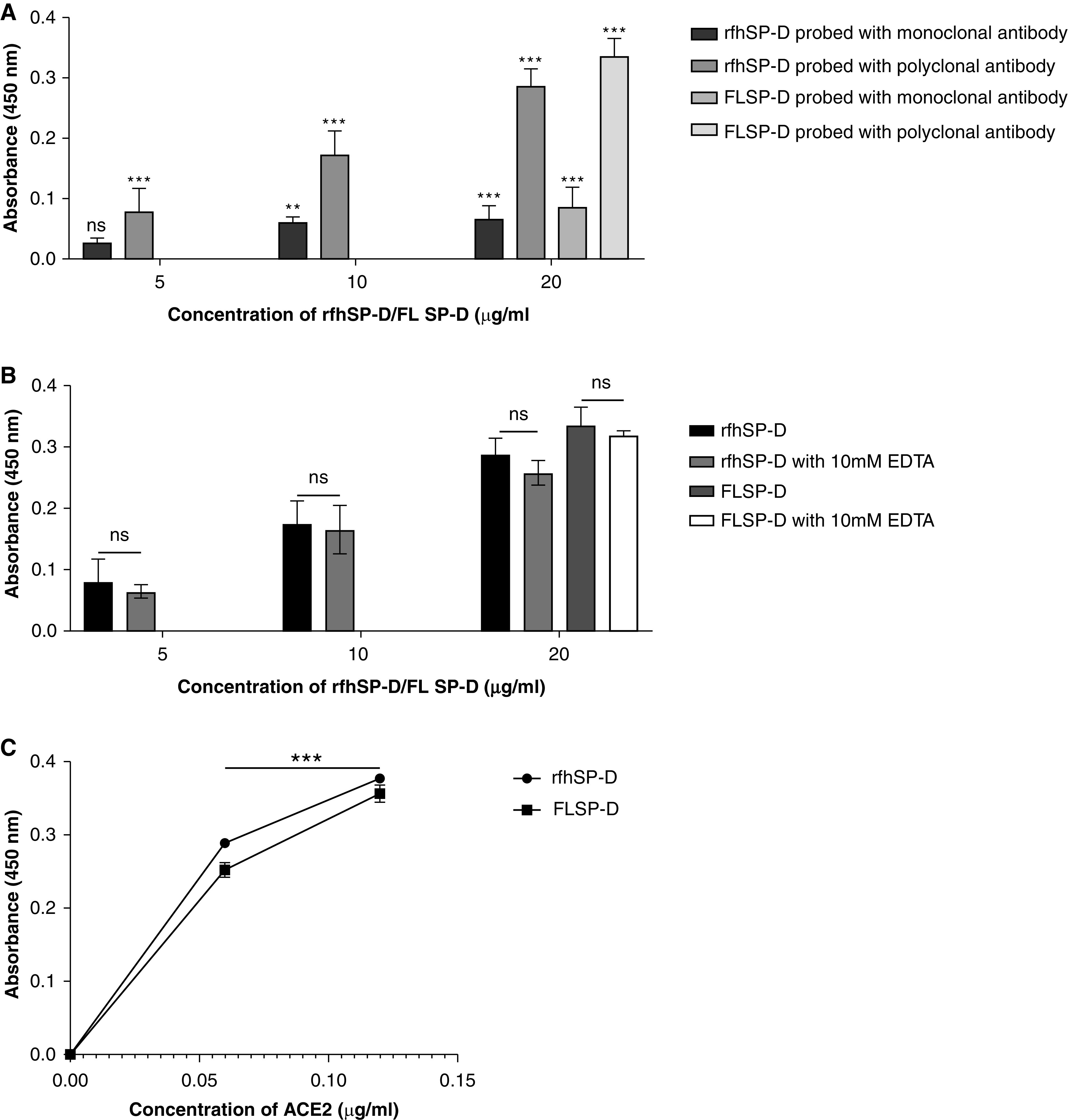
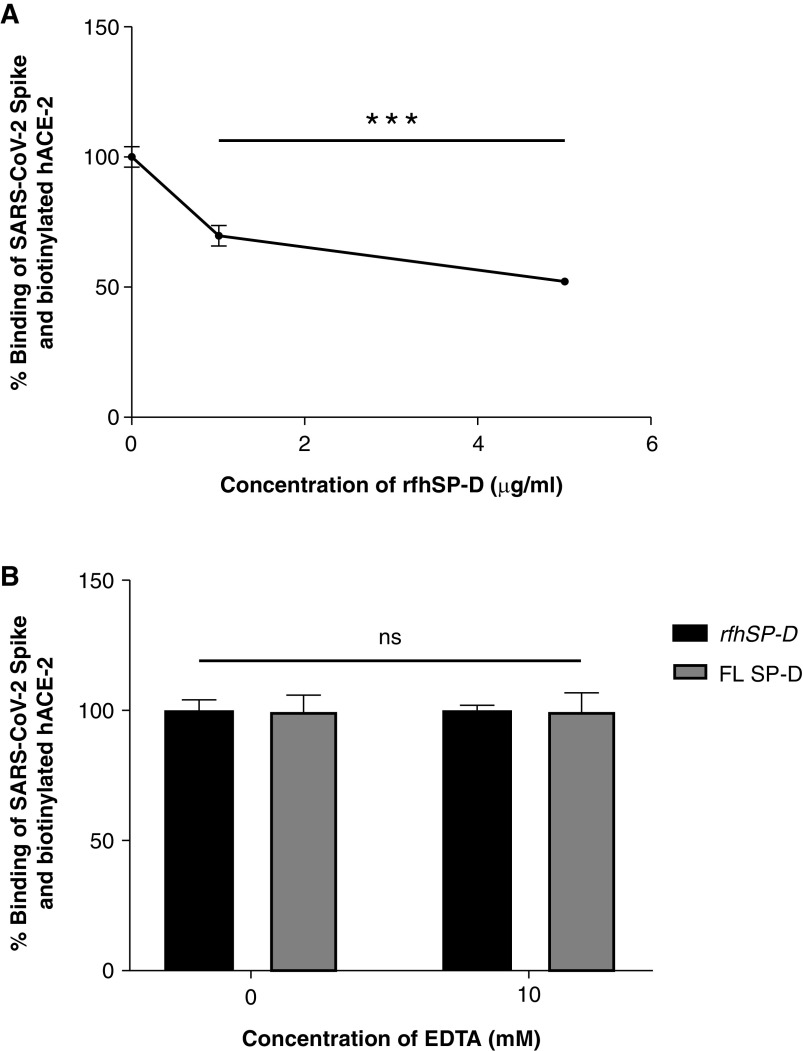
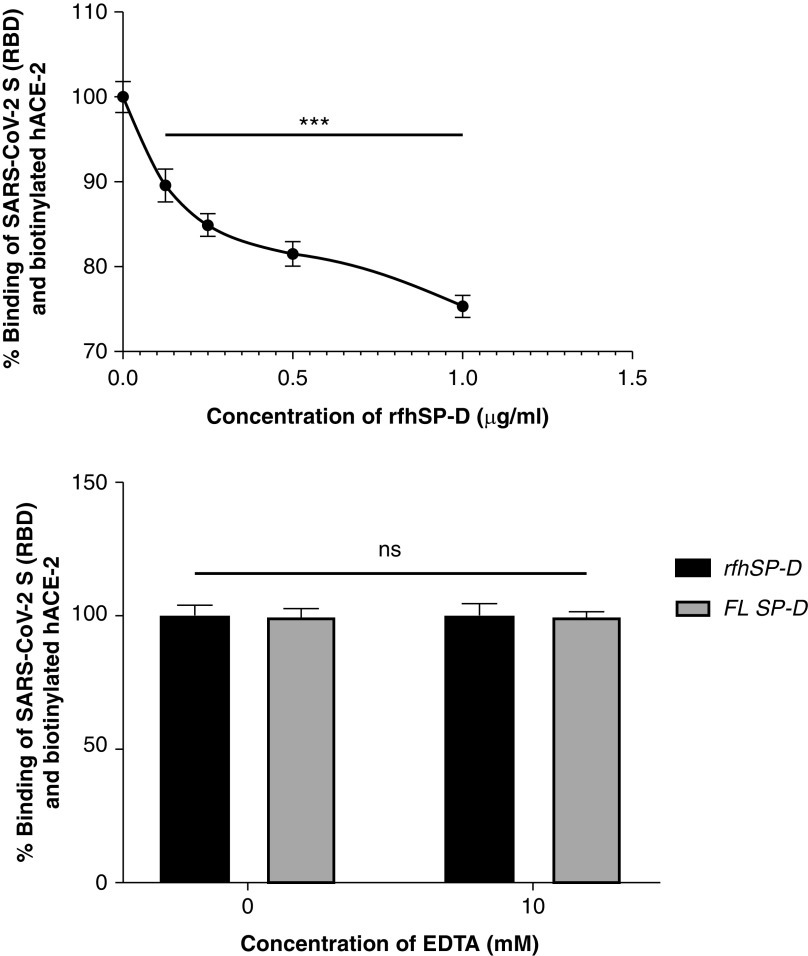
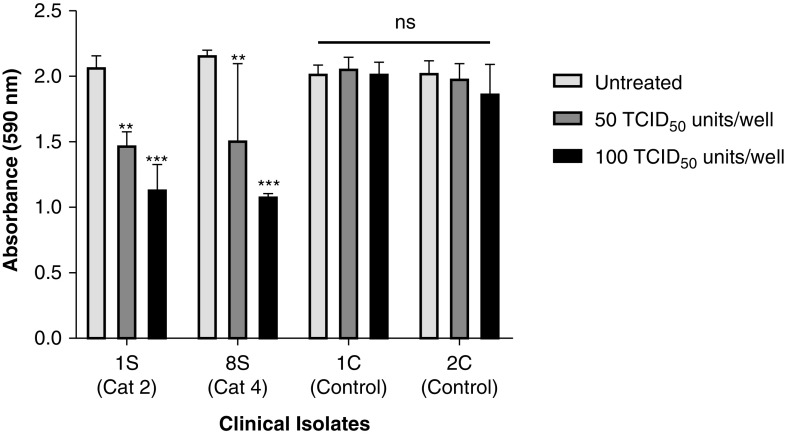
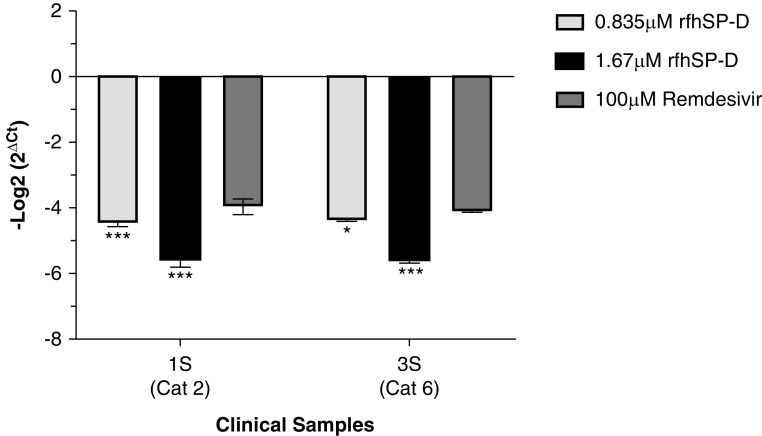
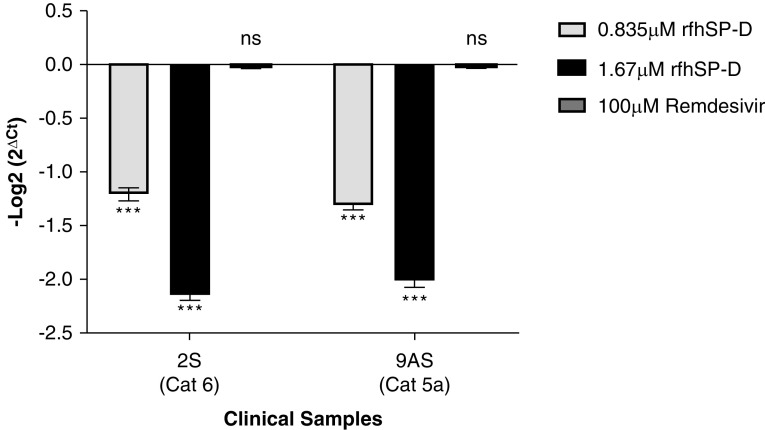
Coronavirus disease (COVID-19) is an acute infectious disease caused by the severe acute respiratory syndrome coronavirus 2 (SARS-CoV-2). Human SP-D (surfactant protein D) is known to interact with the spike protein of SARS-CoV, but its immune surveillance against SARS-CoV-2 is not known. The current study aimed to examine the potential of a recombinant fragment of human SP-D (rfhSP-D) as an inhibitor of replication and infection of SARS-CoV-2. The interaction of rfhSP-D with the spike protein of SARS-CoV-2 and human ACE-2 (angiotensin-converting enzyme 2) receptor was predicted via docking analysis. The inhibition of interaction between the spike protein and ACE-2 by rfhSP-D was confirmed using direct and indirect ELISA. The effect of rfhSP-D on replication and infectivity of SARS-CoV-2 from clinical samples was assessed by measuring the expression of gene of the virus using quantitative PCR. interaction studies indicated that three amino acid residues in the receptor-binding domain of spike protein of SARS-CoV-2 were commonly involved in interacting with rfhSP-D and ACE-2. Studies using clinical samples of SARS-CoV-2-positive cases (asymptomatic, = 7; symptomatic, = 8) and negative control samples ( = 15) demonstrated that treatment with 1.67 μM rfhSP-D inhibited viral replication by ∼5.5-fold and was more efficient than remdesivir (100 μM) in Vero cells. An approximately two-fold reduction in viral infectivity was also observed after treatment with 1.67 μM rfhSP-D. These results conclusively demonstrate that the rfhSP-D mediated calcium independent interaction between the receptor-binding domain of the S1 subunit of the SARS-CoV-2 spike protein and human ACE-2, its host cell receptor, and significantly reduced SARS-CoV-2 infection and replication .
冠状病毒病(COVID-19)是由严重急性呼吸综合征冠状病毒2(SARS-CoV-2)引起的急性传染病。已知人类表面活性蛋白D(SP-D)可与SARS-CoV的刺突蛋白相互作用,但其对SARS-CoV-2的免疫监测尚不清楚。当前研究旨在检测重组人SP-D片段(rfhSP-D)作为SARS-CoV-2复制和感染抑制剂的潜力。通过对接分析预测rfhSP-D与SARS-CoV-2刺突蛋白和人血管紧张素转换酶2(ACE-2)受体的相互作用。使用直接和间接ELISA证实了rfhSP-D对刺突蛋白与ACE-2之间相互作用的抑制作用。通过定量PCR测量病毒基因的表达,评估rfhSP-D对临床样本中SARS-CoV-2复制和感染性的影响。相互作用研究表明,SARS-CoV-2刺突蛋白受体结合域中的三个氨基酸残基通常参与与rfhSP-D和ACE-2的相互作用。使用SARS-CoV-2阳性病例(无症状,n = 7;有症状,n = 8)的临床样本和阴性对照样本(n = 15)进行的研究表明,在Vero细胞中,用1.67 μM rfhSP-D处理可使病毒复制受到约5.5倍的抑制,并且比瑞德西韦(100 μM)更有效。用1.67 μM rfhSP-D处理后,还观察到病毒感染性降低了约两倍。这些结果确凿地证明,rfhSP-D介导了SARS-CoV-2刺突蛋白S1亚基的受体结合域与人类ACE-2(其宿主细胞受体)之间的非钙依赖性相互作用,并显著降低了SARS-CoV-2的感染和复制。