Institute for Cancer Genetics, Herbert Irving Comprehensive Cancer Center, Vagelos College of Physicians & Surgeons, Columbia University, 1130 Nicholas Ave, New York, NY, 10032, USA.
Institute for Cancer Genetics, Herbert Irving Comprehensive Cancer Center, Vagelos College of Physicians & Surgeons, Columbia University, 1130 Nicholas Ave, New York, NY, 10032, USA; Department of Pathology and Cell Biology, Vagelos College of Physicians & Surgeons, Columbia University, 1130 Nicholas Ave, New York, NY, 10032, USA.
Semin Cancer Biol. 2022 Oct;85:4-32. doi: 10.1016/j.semcancer.2021.03.010. Epub 2021 Mar 27.
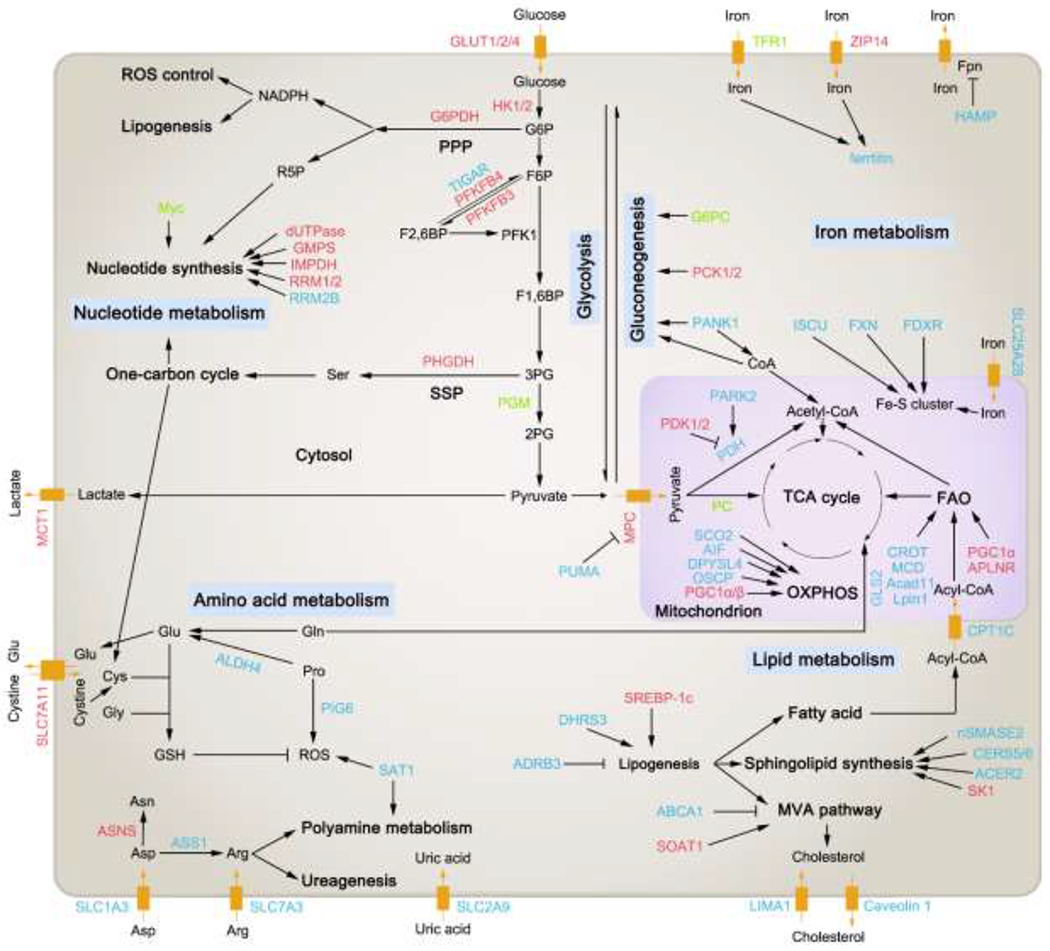
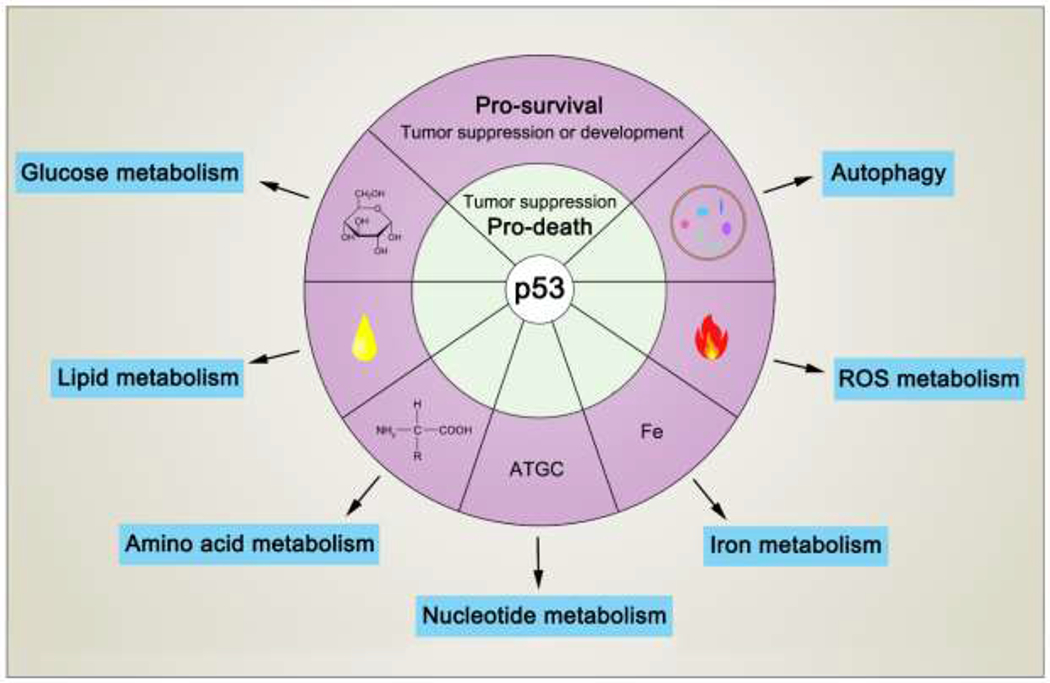
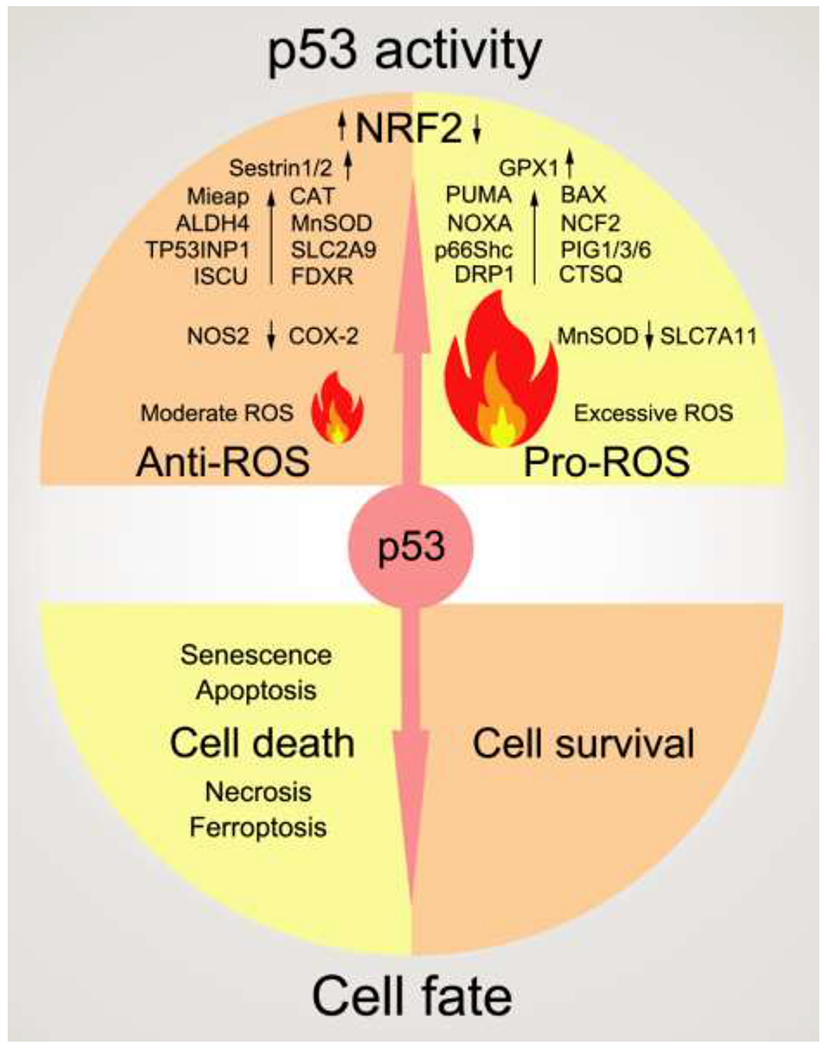
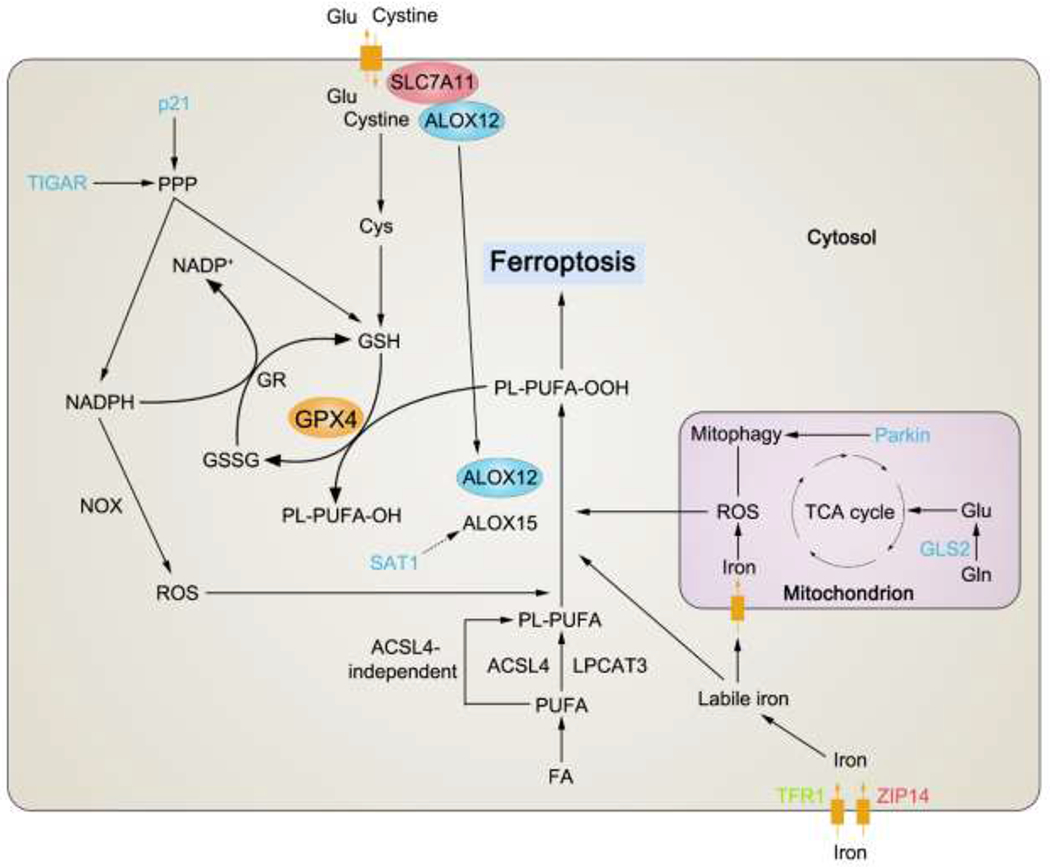
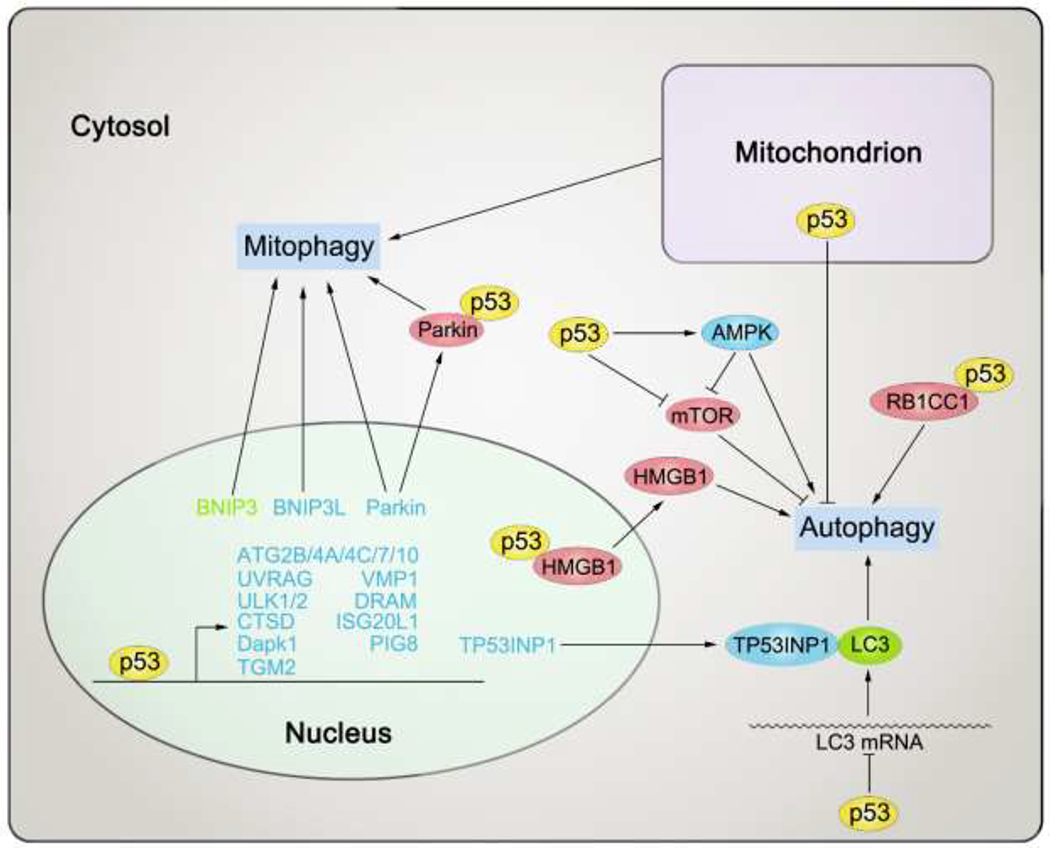
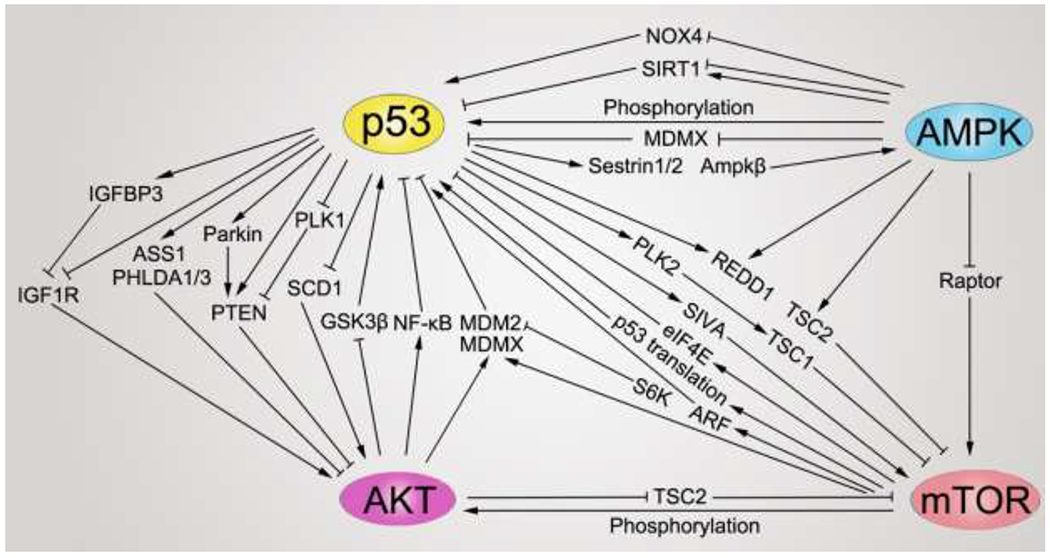
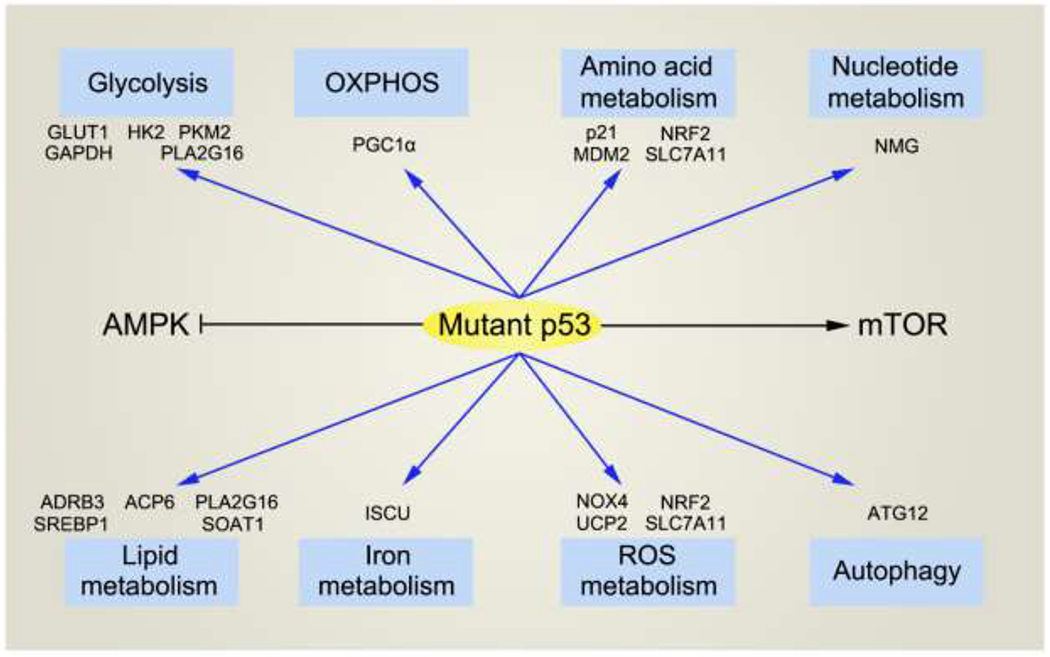
Although the classic activities of p53 including induction of cell-cycle arrest, senescence, and apoptosis are well accepted as critical barriers to cancer development, accumulating evidence suggests that loss of these classic activities is not sufficient to abrogate the tumor suppression activity of p53. Numerous studies suggest that metabolic regulation contributes to tumor suppression, but the mechanisms by which it does so are not completely understood. Cancer cells rewire cellular metabolism to meet the energetic and substrate demands of tumor development. It is well established that p53 suppresses glycolysis and promotes mitochondrial oxidative phosphorylation through a number of downstream targets against the Warburg effect. The role of p53-mediated metabolic regulation in tumor suppression is complexed by its function to promote both cell survival and cell death under different physiological settings. Indeed, p53 can regulate both pro-oxidant and antioxidant target genes for complete opposite effects. In this review, we will summarize the roles of p53 in the regulation of glucose, lipid, amino acid, nucleotide, iron metabolism, and ROS production. We will highlight the mechanisms underlying p53-mediated ferroptosis, AKT/mTOR signaling as well as autophagy and discuss the complexity of p53-metabolic regulation in tumor development.
尽管 p53 的经典活动,包括细胞周期阻滞、衰老和凋亡的诱导,被广泛认为是癌症发展的关键障碍,但越来越多的证据表明,失去这些经典活动不足以消除 p53 的肿瘤抑制活性。许多研究表明,代谢调节有助于肿瘤抑制,但具体机制尚不完全清楚。癌细胞重新布线细胞代谢,以满足肿瘤发展的能量和底物需求。众所周知,p53 通过多种下游靶标抑制糖酵解并促进线粒体氧化磷酸化,以对抗瓦博格效应。p53 介导的代谢调节在肿瘤抑制中的作用很复杂,因为它在不同的生理环境下既能促进细胞存活,又能促进细胞死亡。事实上,p53 可以调节促氧化剂和抗氧化剂靶基因,以产生完全相反的效果。在这篇综述中,我们将总结 p53 在调节葡萄糖、脂质、氨基酸、核苷酸、铁代谢和 ROS 产生中的作用。我们将强调 p53 介导的铁死亡、AKT/mTOR 信号以及自噬的机制,并讨论 p53 代谢调节在肿瘤发展中的复杂性。