Institute of Environmental Health Sciences (IEHS), Wayne State University, Detroit, MI, USA.
Department of Pharmacology, School of Medicine, Wayne State University, Detroit, MI, USA.
J Nutr Biochem. 2021 Sep;95:108633. doi: 10.1016/j.jnutbio.2021.108633. Epub 2021 Mar 28.
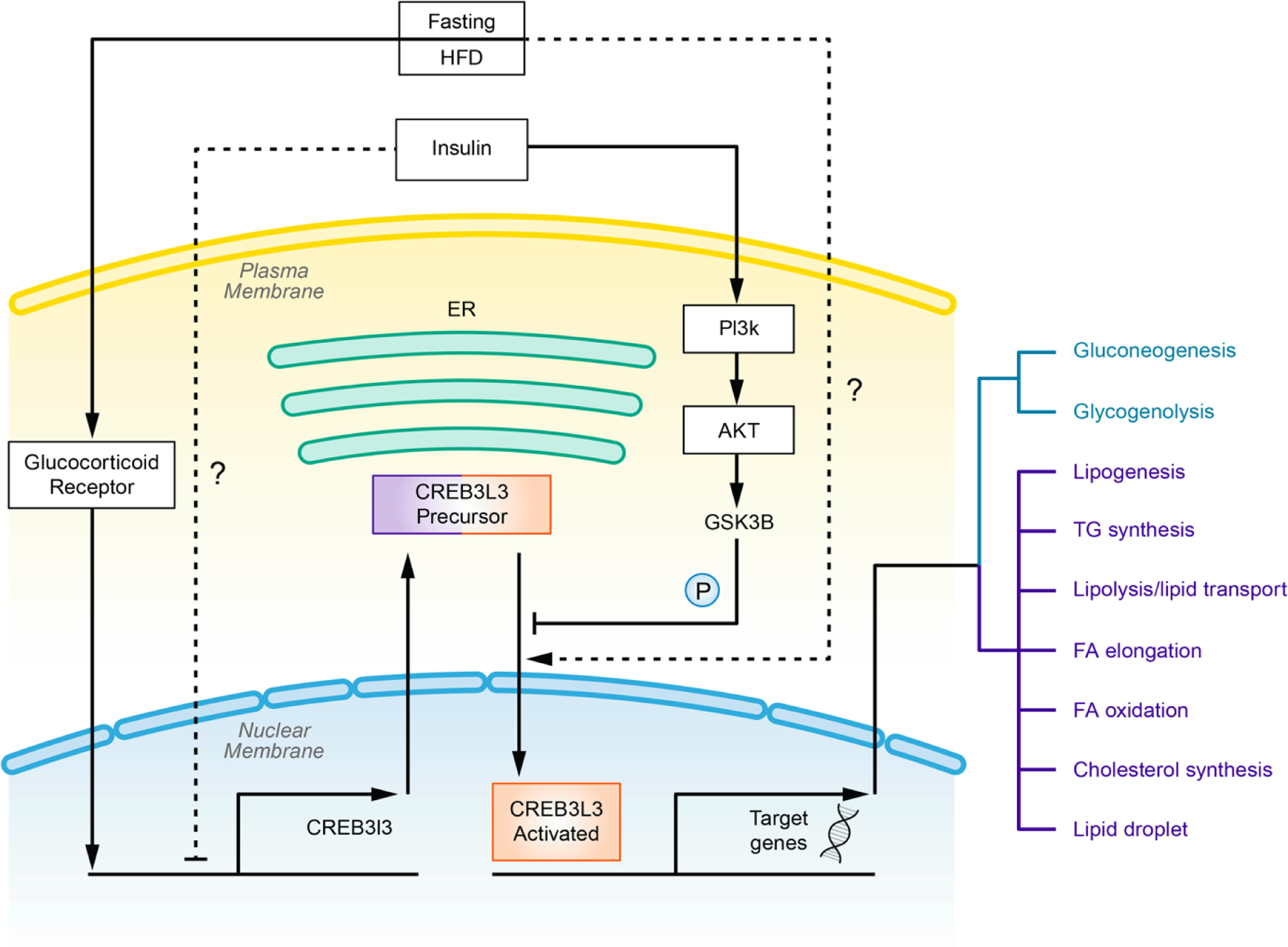
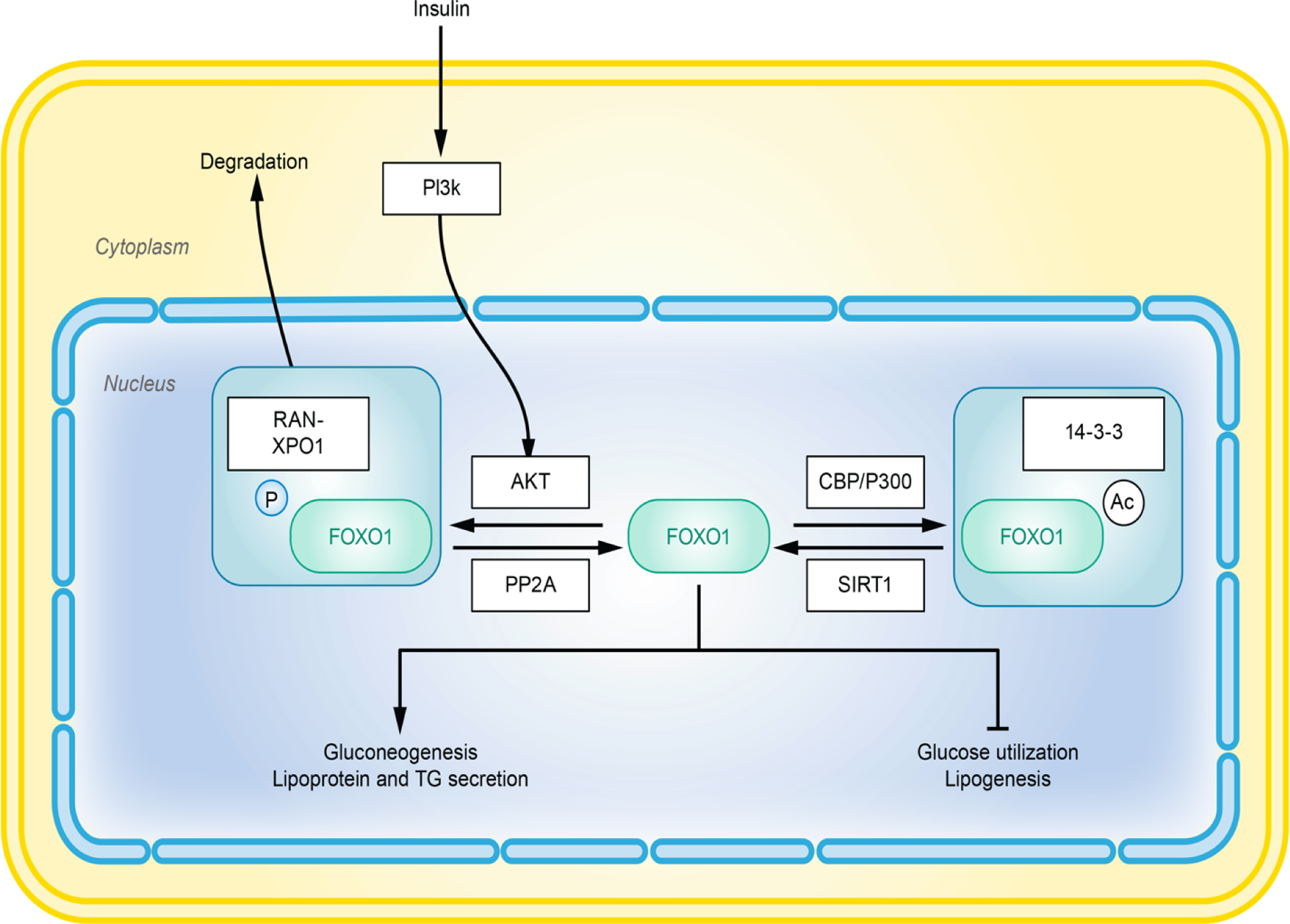
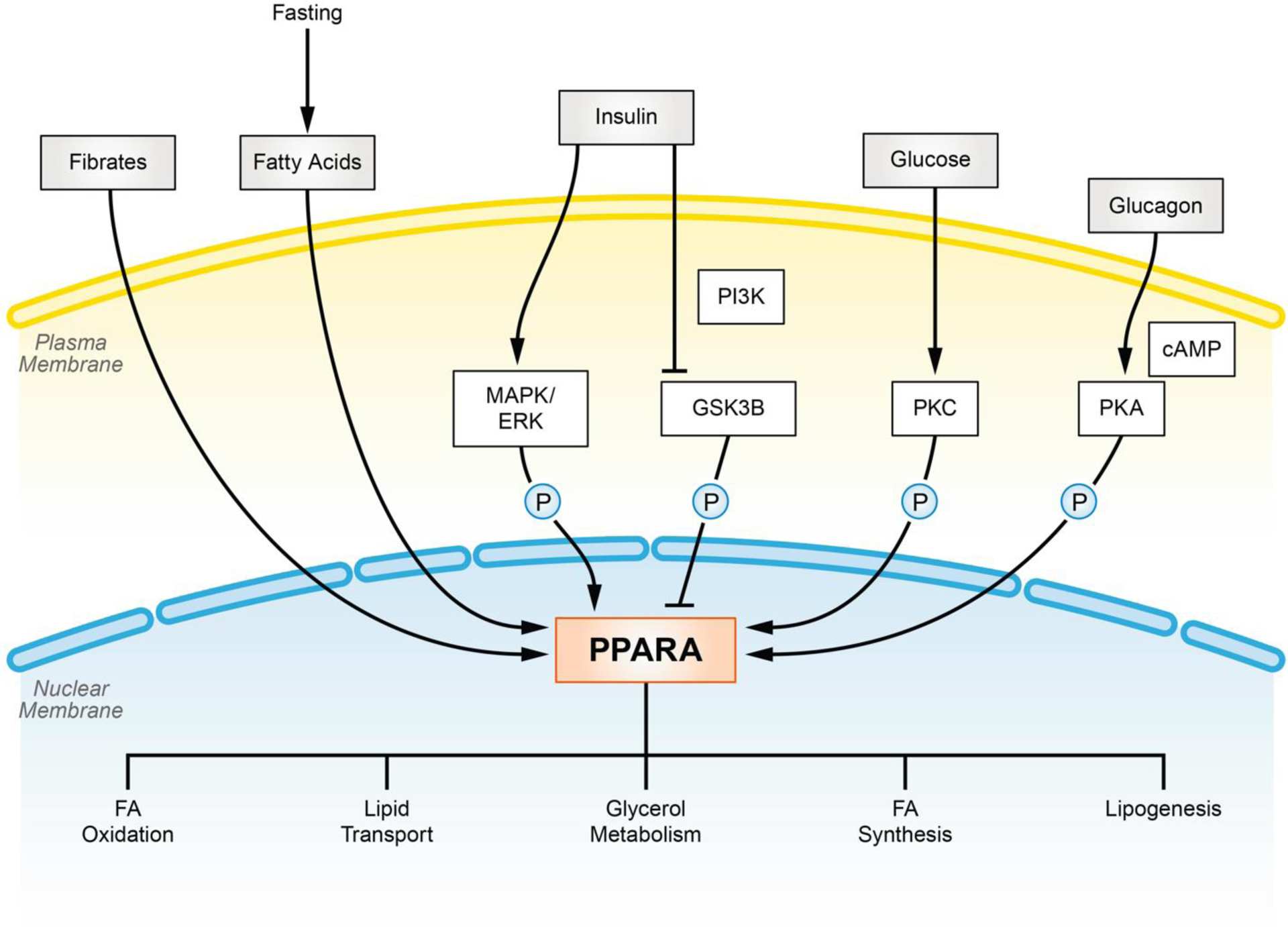
The liver is a critical mediator of lipid and/or glucose homeostasis and is a primary organ involved in dynamic changes during feeding and fasting. Additionally, hepatic-centric pathways are prone to dysregulation during pathophysiological states including metabolic syndrome (MetS) and non-alcoholic fatty liver disease. Omics platforms and GWAS have elucidated genes related to increased risk of developing MetS and related disorders, but mutations in these metabolism-related genes are rare and cannot fully explain the increasing prevalence of MetS-related pathologies worldwide. Complex interactions between diet, lifestyle, environmental factors, and genetic predisposition jointly determine inter-individual variability of disease risk. Given the complexity of these interactions, researchers have focused on master regulators of metabolic responses incorporating and mediating the impact of multiple environmental cues. Transcription factors are DNA binding, terminal executors of signaling pathways that modulate the cellular responses to complex metabolic stimuli and are related to the control of hepatic lipid and glucose homeostasis. Among numerous hepatic transcription factors involved in regulating metabolism, three emerge as key players in transducing nutrient sensing, which are dysregulated in MetS-related perturbations in both clinical and preclinical studies: cAMP Responsive Element Binding Protein 3 Like 3 (CREB3L3), Peroxisome Proliferator Activated Receptor Alpha (PPAR), and Forkhead Box O1 (FOXO1). Additionally, these three transcription factors appear to be amenable to dietary and/or nutrient-based therapies, being potential targets of nutritional therapy. In this review we aim to describe the activation, regulation, and impact of these transcription factors in the context of metabolic homeostasis. We also summarize their perspectives in MetS and nutritional therapies.
肝脏是脂质和/或葡萄糖稳态的关键调节者,是进食和禁食期间动态变化的主要器官。此外,在包括代谢综合征(MetS)和非酒精性脂肪性肝病在内的病理生理状态下,以肝脏为中心的途径容易失调。组学平台和全基因组关联研究已经阐明了与代谢综合征和相关疾病风险增加相关的基因,但这些代谢相关基因的突变很少,并且不能完全解释全球代谢综合征相关疾病患病率的增加。饮食、生活方式、环境因素和遗传易感性之间的复杂相互作用共同决定了疾病风险的个体间变异性。鉴于这些相互作用的复杂性,研究人员专注于代谢反应的主要调节因子,整合和介导多种环境线索的影响。转录因子是 DNA 结合的,是信号通路的终端执行者,调节细胞对复杂代谢刺激的反应,与肝脏脂质和葡萄糖稳态的控制有关。在参与调节代谢的众多肝脏转录因子中,有三种因子在传递营养感应中起着关键作用,在临床和临床前研究中,这些因子在与代谢综合征相关的扰动中失调:环腺苷酸反应元件结合蛋白 3 样 3(CREB3L3)、过氧化物酶体增殖物激活受体α(PPAR)和叉头框蛋白 O1(FOXO1)。此外,这三种转录因子似乎可以接受饮食和/或基于营养的治疗,是营养治疗的潜在靶点。在这篇综述中,我们旨在描述这些转录因子在代谢稳态背景下的激活、调节和影响。我们还总结了它们在代谢综合征和营养治疗中的观点。