Department of Infectious Diseases, the First Affiliated Hospital of Zhengzhou University, Zhengzhou, Henan, China
Gene Hospital of Henan Province, the First Affiliated Hospital of Zhengzhou University, Zhengzhou, Henan, China.
Gut. 2021 Jul;70(7):1253-1265. doi: 10.1136/gutjnl-2020-323826. Epub 2021 Mar 31.
To characterise the oral microbiome, gut microbiome and serum lipid profiles in patients with active COVID-19 and recovered patients; evaluate the potential of the microbiome as a non-invasive biomarker for COVID-19; and explore correlations between the microbiome and lipid profile.
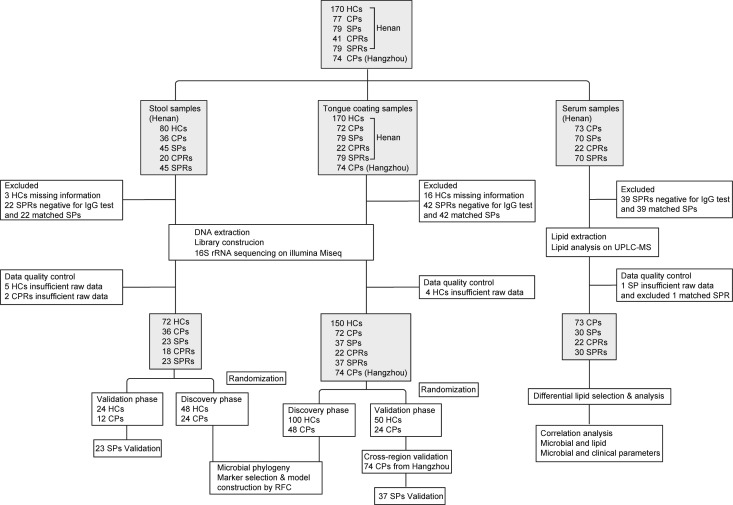
We collected and sequenced 392 tongue-coating samples, 172 faecal samples and 155 serum samples from Central China and East China. We characterised microbiome and lipid molecules, constructed microbial classifiers in discovery cohort and verified their diagnostic potential in 74 confirmed patients (CPs) from East China and 37 suspected patients (SPs) with IgG positivity.
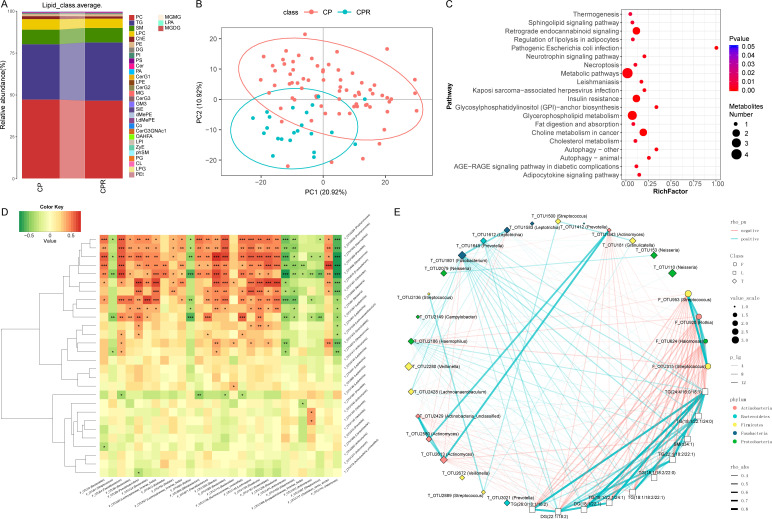
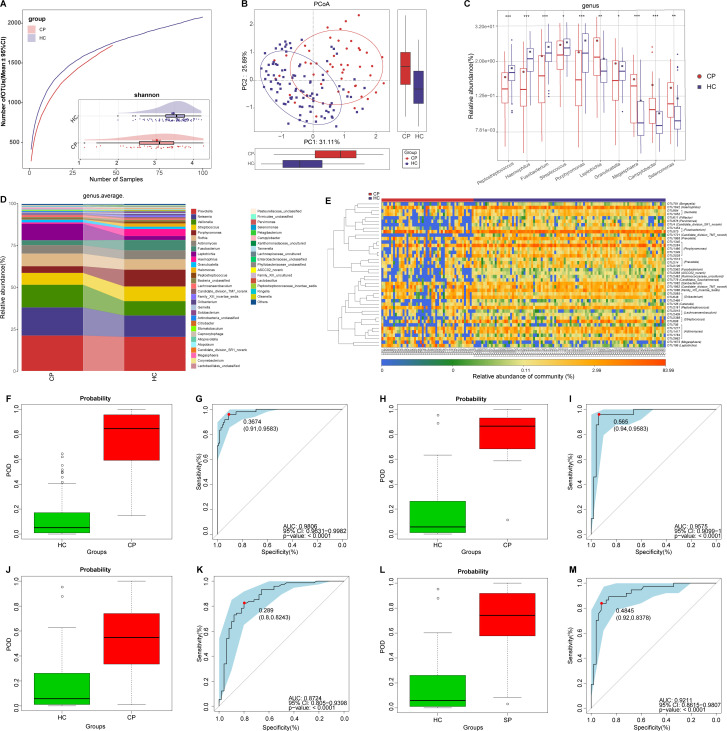
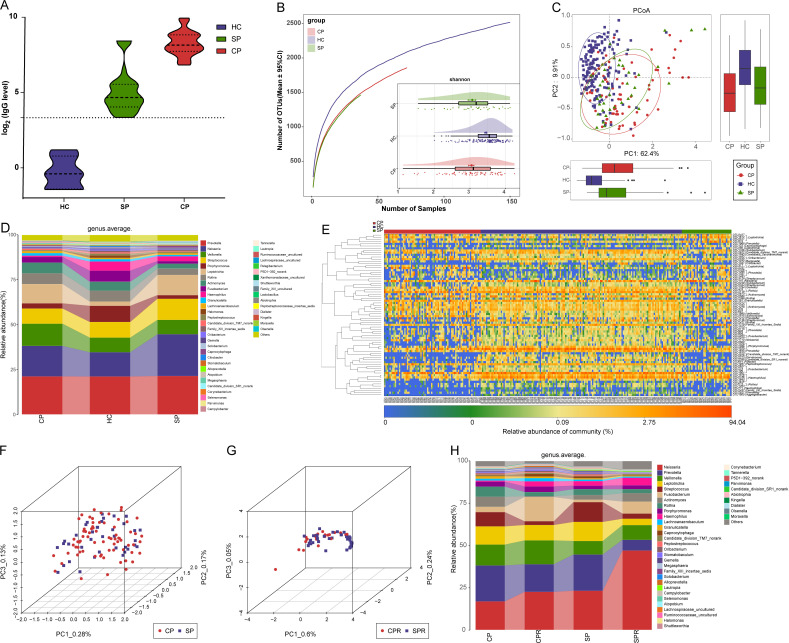
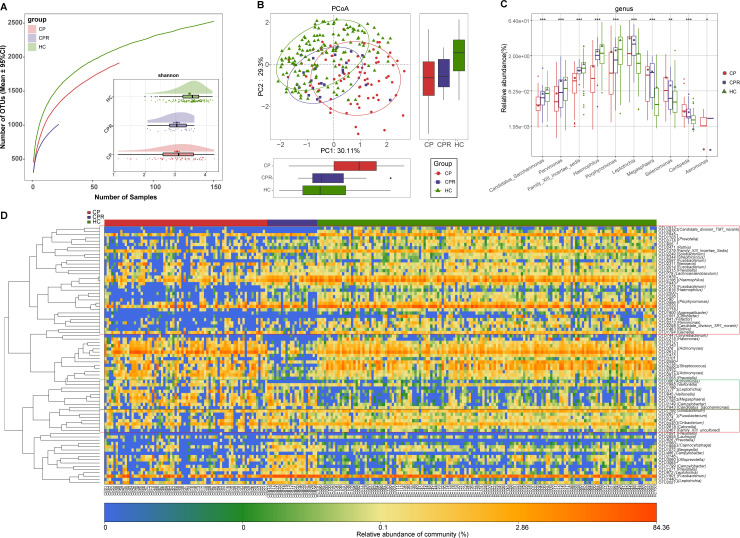
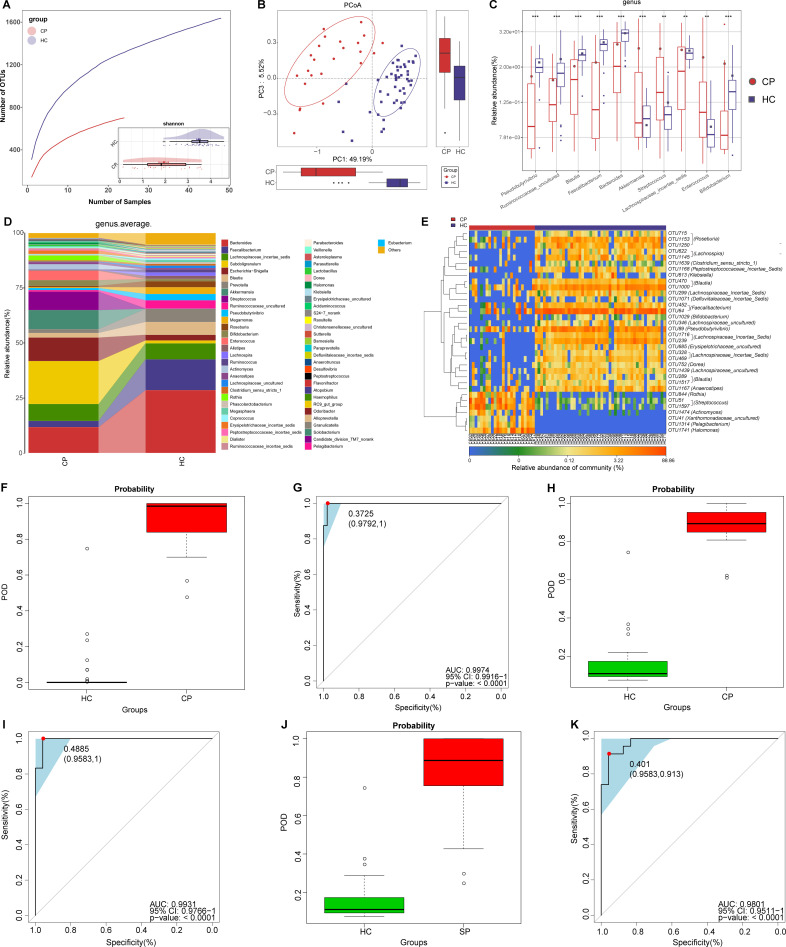
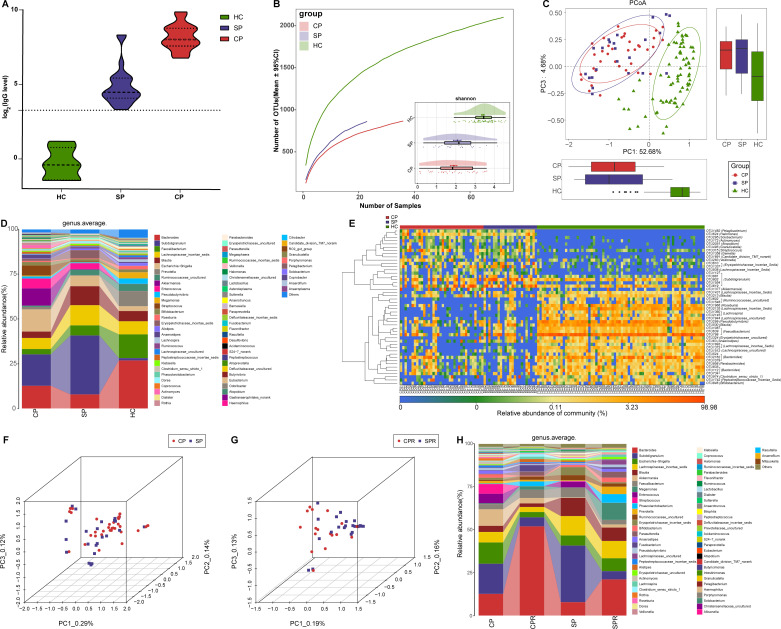
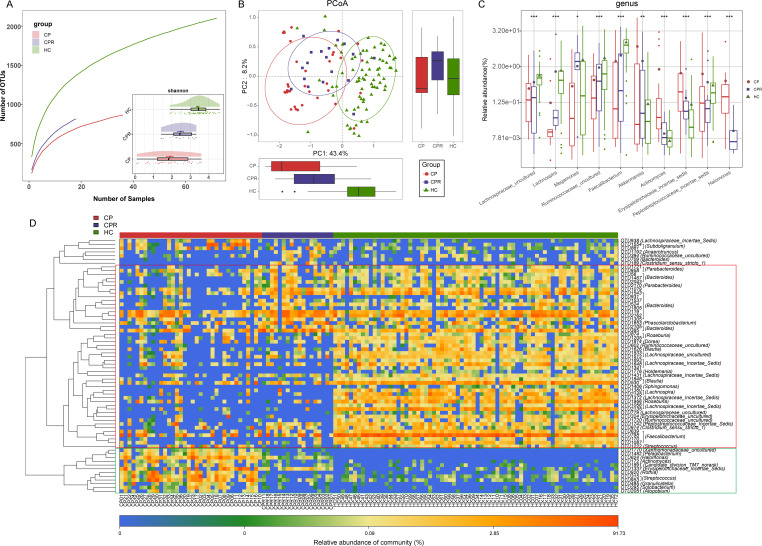
Oral and faecal microbial diversity was significantly decreased in CPs versus healthy controls (HCs). Compared with HCs, butyric acid-producing bacteria were decreased and lipopolysaccharide-producing bacteria were increased in CPs in oral cavity. The classifiers based on 8 optimal oral microbial markers (7 faecal microbial markers) achieved good diagnostic efficiency in different cohorts. Importantly, diagnostic efficacy reached 87.24% in the cross-regional cohort. Moreover, the classifiers successfully diagnosed SPs with IgG antibody positivity as CPs, and diagnostic efficacy reached 92.11% (98.01% of faecal microbiome). Compared with CPs, 47 lipid molecules, including sphingomyelin (SM)(d40:4), SM(d38:5) and monoglyceride(33:5), were depleted, and 122 lipid molecules, including phosphatidylcholine(36:4p), phosphatidylethanolamine (PE)(16:0p/20:5) and diglyceride(20:1/18:2), were enriched in confirmed patients recovery.
This study is the first to characterise the oral microbiome in COVID-19, and oral microbiomes and lipid alterations in recovered patients, to explore their correlations and to report the successful establishment and validation of a diagnostic model for COVID-19.
分析活动性 COVID-19 患者和康复患者的口腔微生物组、肠道微生物组和血清脂质谱特征;评估微生物组作为 COVID-19 非侵入性生物标志物的潜力;并探索微生物组与脂质谱之间的相关性。
我们从中部和东部地区收集并测序了 392 份舌涂层样本、172 份粪便样本和 155 份血清样本。我们对微生物组和脂质分子进行了特征分析,在发现队列中构建了微生物分类器,并在来自东部地区的 74 名确诊患者(CPs)和 37 名 IgG 阳性的疑似患者(SPs)中验证了其诊断潜力。
与健康对照组(HCs)相比,CPs 的口腔和粪便微生物多样性显著降低。与 HCs 相比,CPs 口腔中产生丁酸的细菌减少,产生脂多糖的细菌增加。基于 8 个最佳口腔微生物标志物(7 个粪便微生物标志物)的分类器在不同队列中具有良好的诊断效率。重要的是,在跨区域队列中诊断效率达到 87.24%。此外,该分类器成功诊断了 IgG 抗体阳性的 SPs 为 CPs,诊断效率达到 92.11%(粪便微生物组为 98.01%)。与 CPs 相比,47 种脂质分子,包括神经鞘磷脂(SM)(d40:4)、SM(d38:5)和单甘酯(33:5),减少,而 122 种脂质分子,包括磷脂酰胆碱(36:4p)、磷脂酰乙醇胺(PE)(16:0p/20:5)和二甘酯(20:1/18:2),在确诊患者康复时增加。
本研究首次对 COVID-19 患者的口腔微生物组进行了描述,并对康复患者的口腔微生物组和脂质谱进行了描述,探索了它们的相关性,并报告了 COVID-19 诊断模型的成功建立和验证。