The department of Gastroenterology, the Forth Affiliated Hospital Zhejiang University School of Medicine, No. N1, Shangcheng Avenue, Yiwu City, 322000, Zhejiang Province, China.
The department of Cardio-Thoracic Surgery, the Forth Affiliated Hospital Zhejiang University School of Medicine, Yiwu, China.
BMC Cancer. 2021 Apr 1;21(1):345. doi: 10.1186/s12885-021-08030-0.
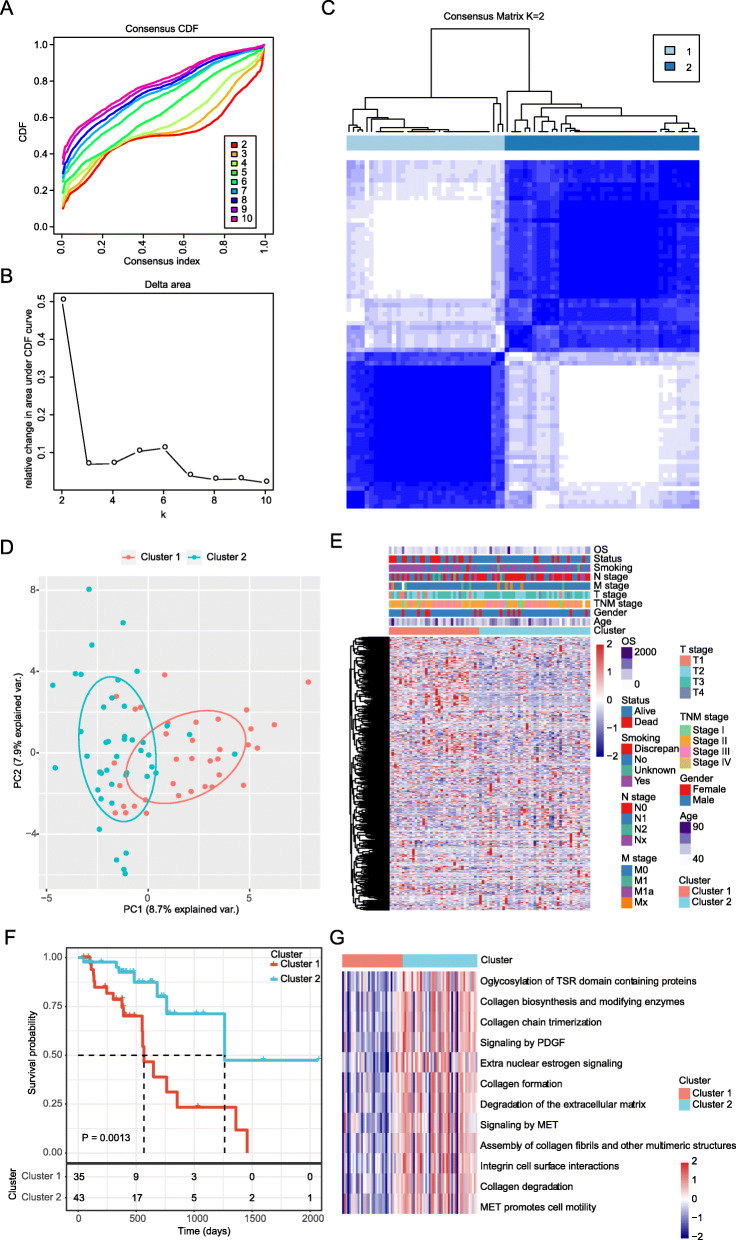
The essence of energy metabolism has spread to the field of esophageal cancer (ESC) cells. Herein, we tried to develop a prognostic prediction model for patients with ESC based on the expression profiles of energy metabolism associated genes.
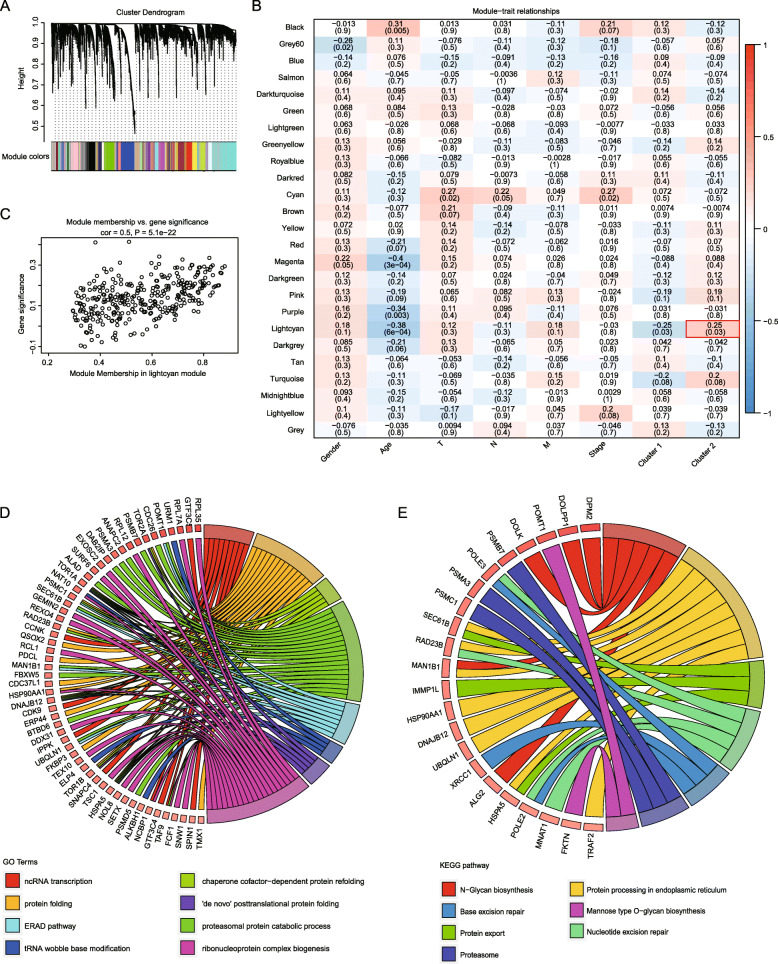
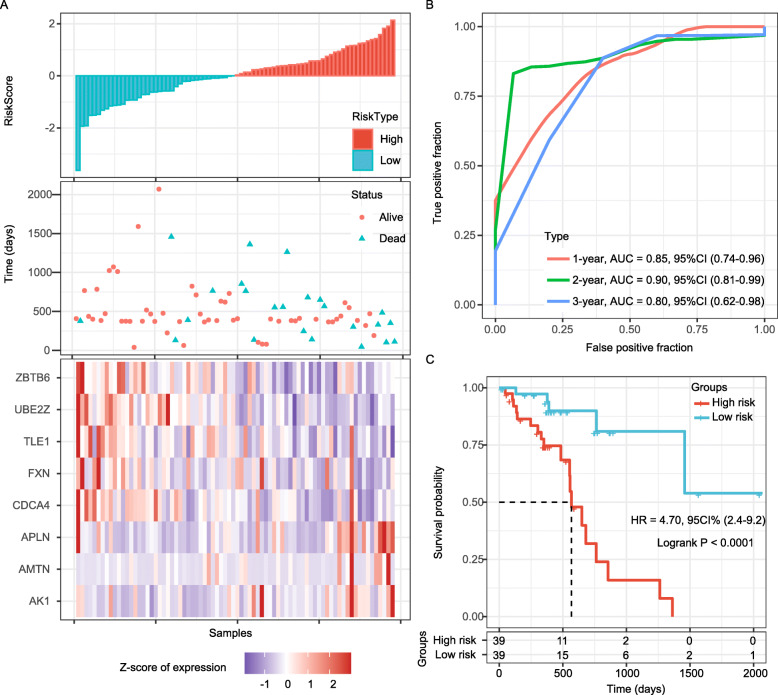
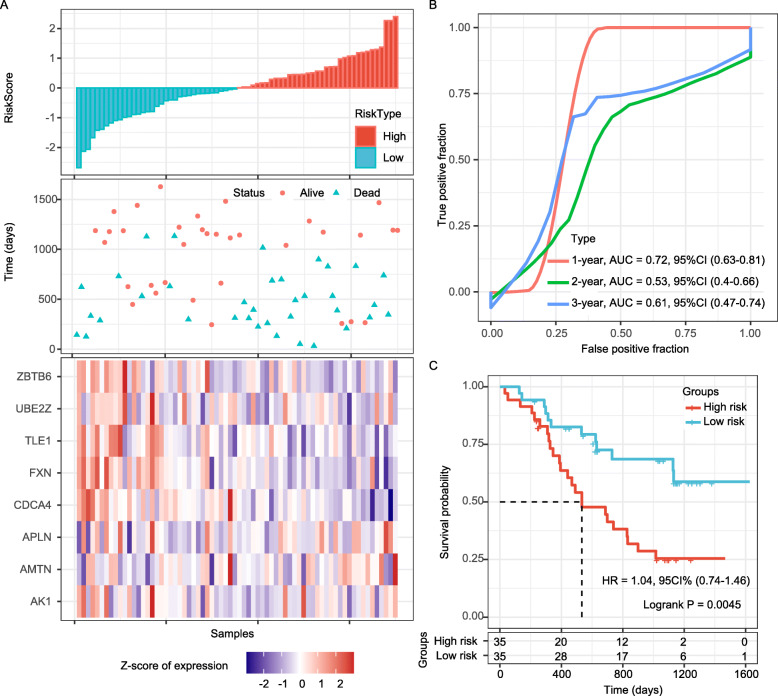
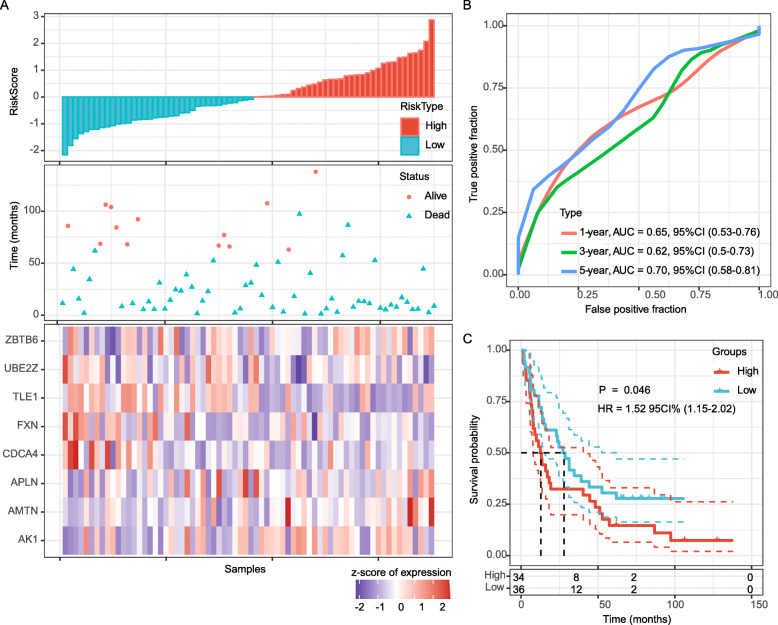
The overall survival (OS) predictive gene signature was developed, internally and externally validated based on ESC datasets including The Cancer Genome Atlas (TCGA), GSE54993 and GSE19417 datasets. Hub genes were identified in each energy metabolism related molecular subtypes by weighted gene correlation network analysis, and then enrolled for determination of prognostic genes. Univariate, LASSO and multivariate Cox regression analysis were applied to assess prognostic genes and build the prognostic gene signature. Kaplan-Meier curve, time-dependent receiver operating characteristic (ROC) curve, nomogram, decision curve analysis (DCA), and restricted mean survival time (EMST) were used to assess the performance of the gene signature.
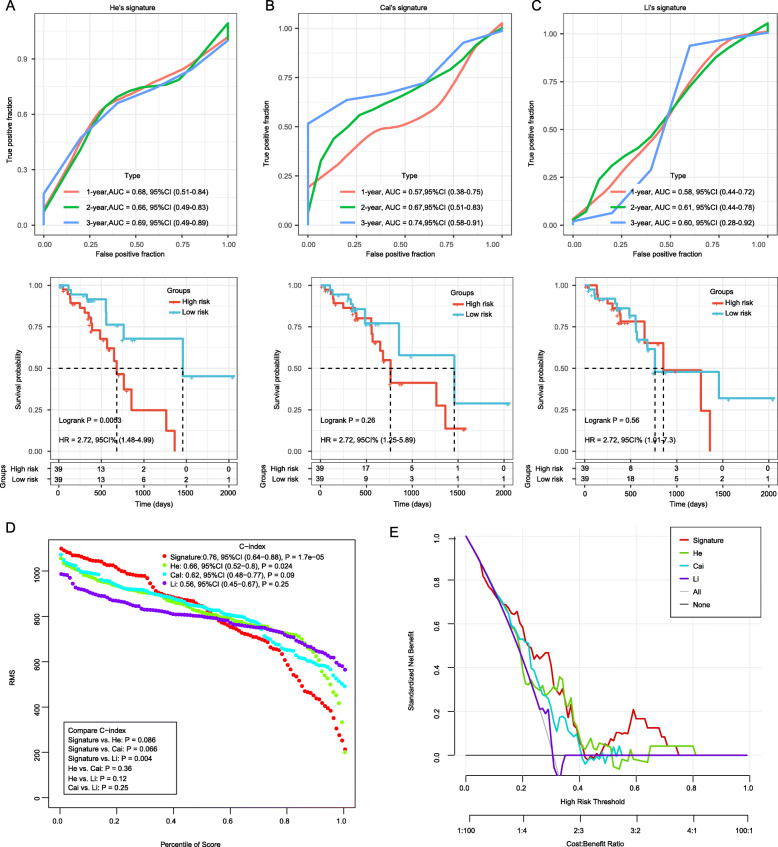
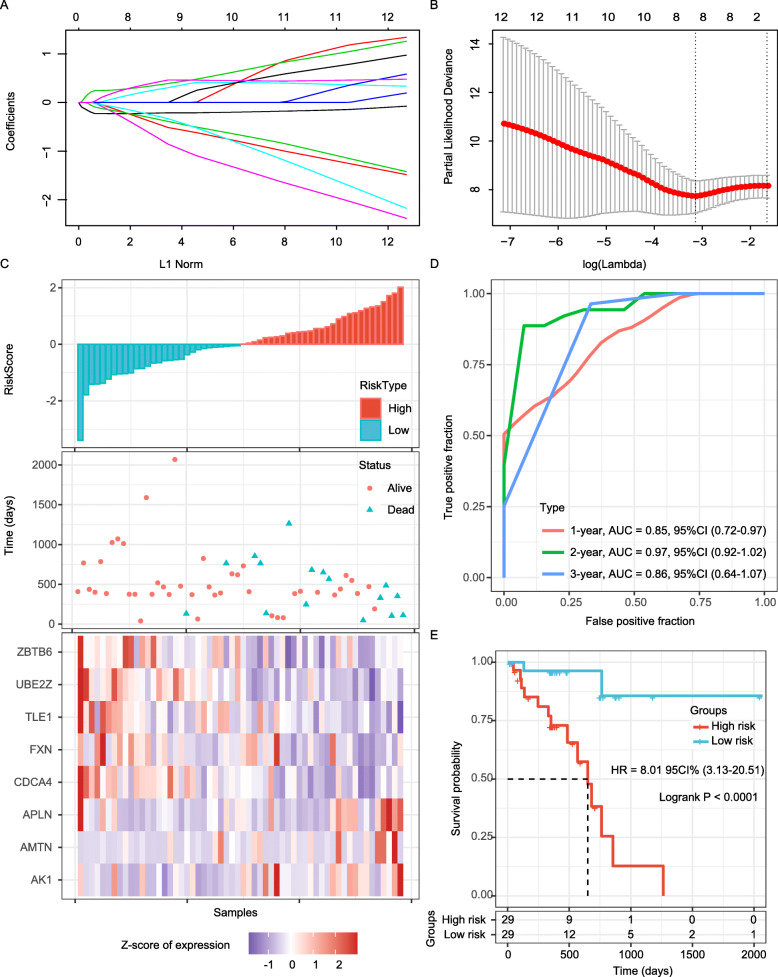
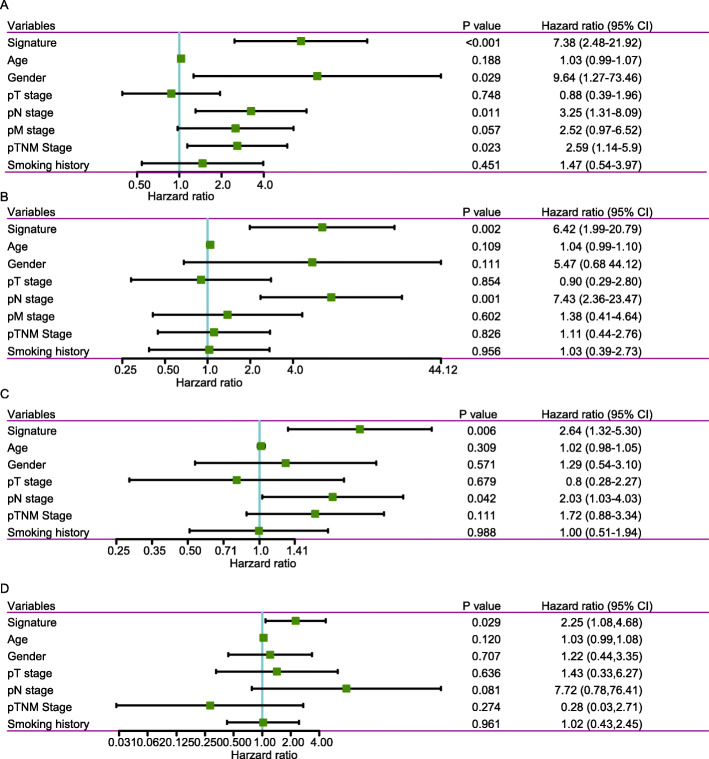
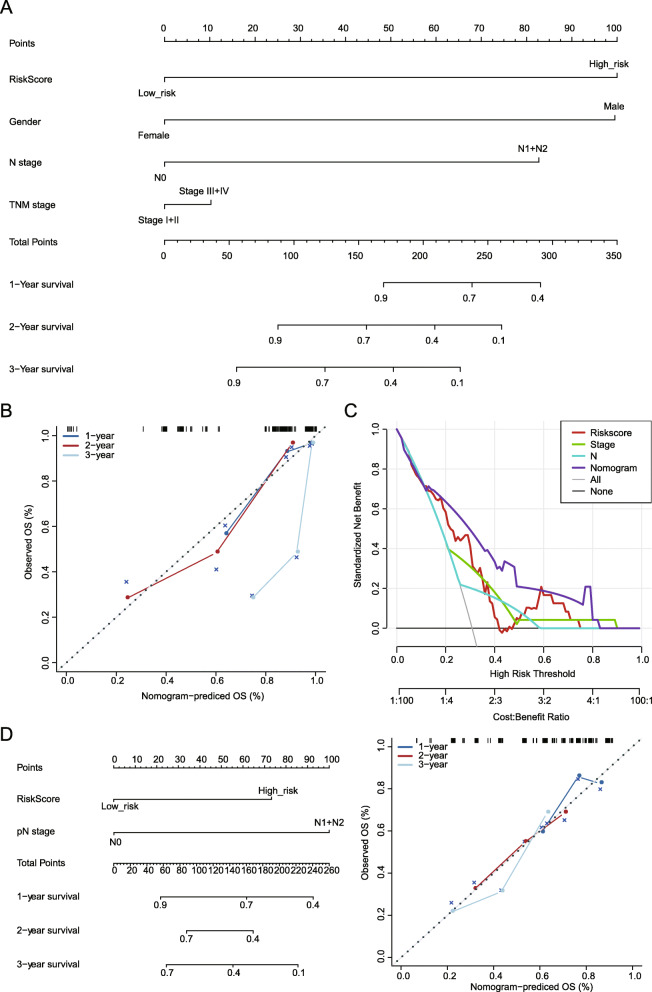
A novel energy metabolism based eight-gene signature (including UBE2Z, AMTN, AK1, CDCA4, TLE1, FXN, ZBTB6 and APLN) was established, which could dichotomize patients with significantly different OS in ESC. The eight-gene signature demonstrated independent prognostication potential in patient with ESC. The prognostic nomogram constructed based on the gene signature showed excellent predictive performance, whose robustness and clinical usability were higher than three previous reported prognostic gene signatures.
Our study established a novel energy metabolism based eight-gene signature and nomogram to predict the OS of ESC, which may help in precise clinical management.
能量代谢的本质已经扩展到食管癌(ESC)细胞领域。在此,我们试图基于与能量代谢相关的基因表达谱为 ESC 患者开发一种预后预测模型。
基于包括癌症基因组图谱(TCGA)、GSE54993 和 GSE19417 在内的 ESC 数据集,开发了总体生存(OS)预测基因特征,并进行了内部和外部验证。通过加权基因相关网络分析,在每个与能量代谢相关的分子亚型中确定了枢纽基因,并将其纳入确定预后基因。应用单变量、LASSO 和多变量 Cox 回归分析来评估预后基因并构建预后基因特征。Kaplan-Meier 曲线、时间依赖性接受者操作特征(ROC)曲线、列线图、决策曲线分析(DCA)和受限平均生存时间(EMST)用于评估基因特征的性能。
建立了一个新的基于能量代谢的八个基因特征(包括 UBE2Z、AMTN、AK1、CDCA4、TLE1、FXN、ZBTB6 和 APLN),可将 ESC 患者的 OS 显著分为不同的两组。该八个基因特征在 ESC 患者中表现出独立的预后预测潜力。基于基因特征构建的预后列线图显示出出色的预测性能,其稳健性和临床实用性均高于之前报道的三个预后基因特征。
我们的研究建立了一个新的基于能量代谢的八个基因特征和列线图,以预测 ESC 的 OS,这可能有助于精确的临床管理。