Chen Lianze, Hu Baohui, Song Xinyue, Wang Lin, Ju Mingyi, Li Zinan, Zhou Chenyi, Zhang Ming, Wei Qian, Guan Qiutong, Jiang Longyang, Chen Ting, Wei Minjie, Zhao Lin
Department of Pharmacology, School of Pharmacy, China Medical University, Shenyang, China.
Liaoning Key Laboratory of Molecular Targeted Anti-Tumor Drug Development and Evaluation, Liaoning Cancer Immune Peptide Drug Engineering Technology Research Center, Key Laboratory of Precision Diagnosis and Treatment of Gastrointestinal Tumors, Ministry of Education, China Medical University, Shenyang, China.
Front Oncol. 2021 Mar 16;11:598017. doi: 10.3389/fonc.2021.598017. eCollection 2021.
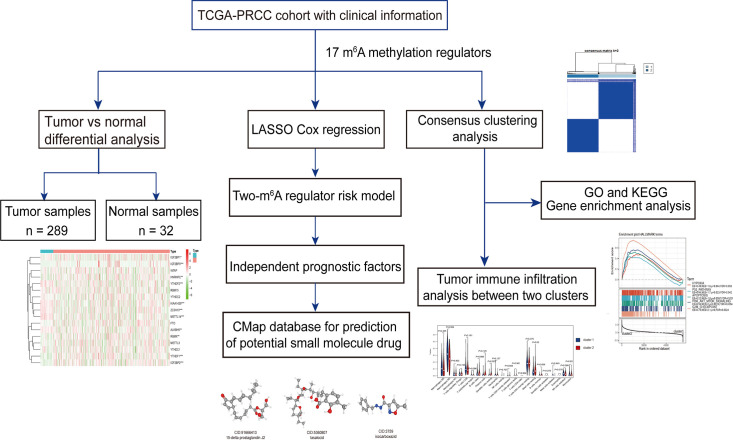
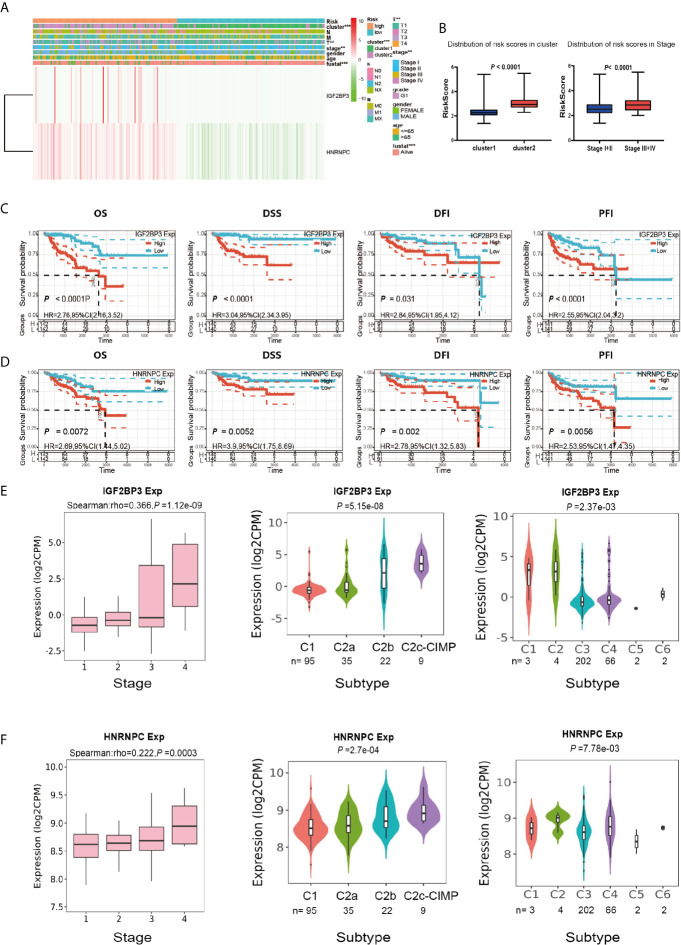
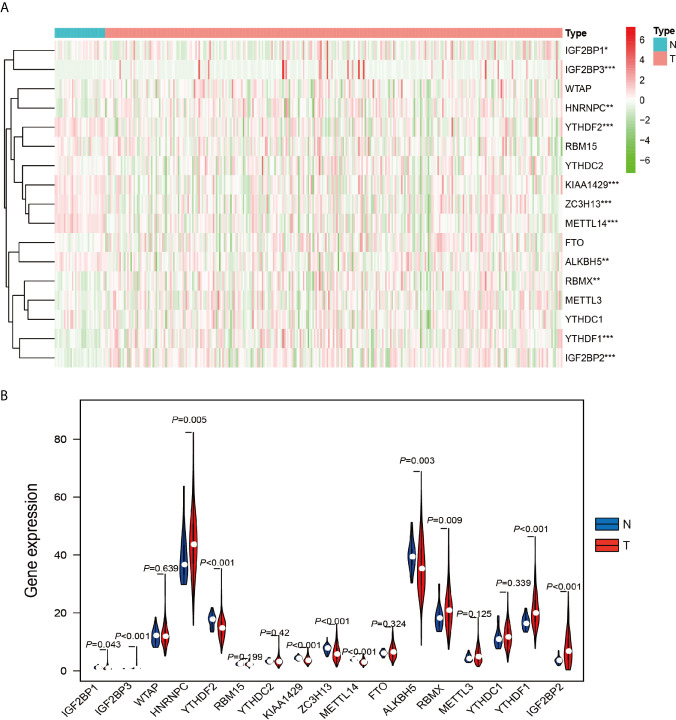
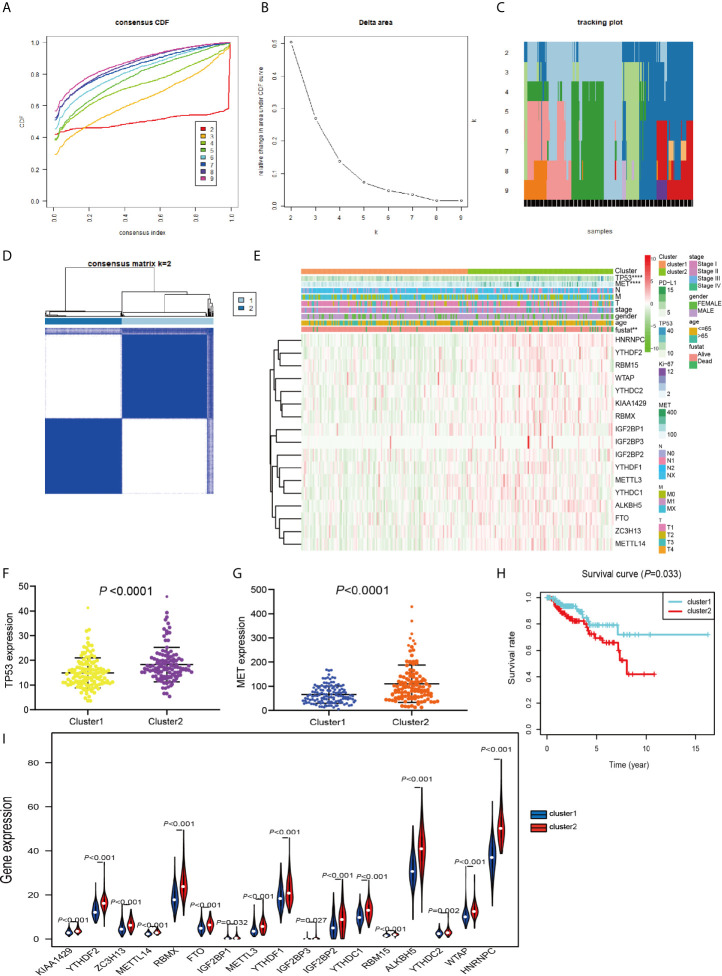
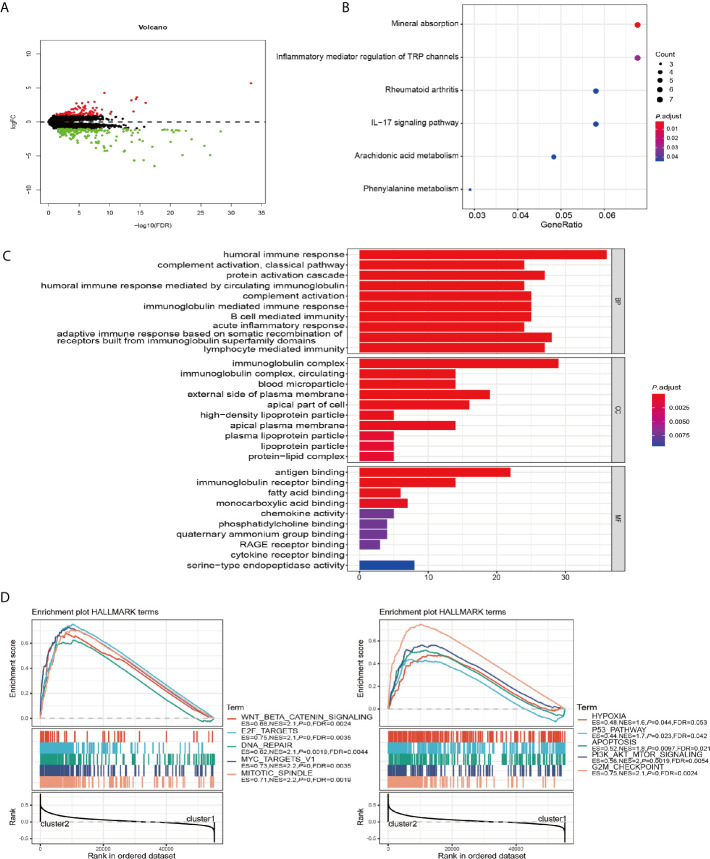
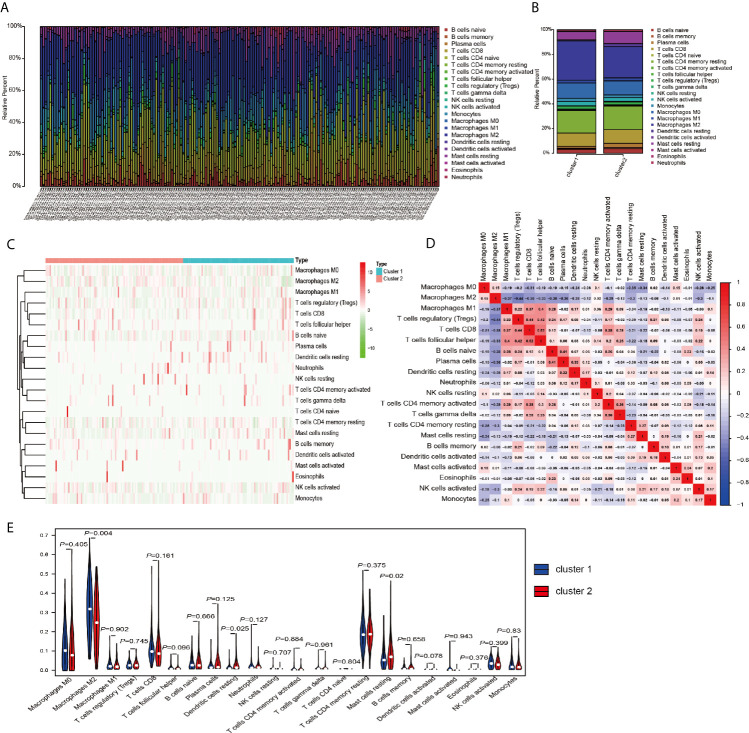
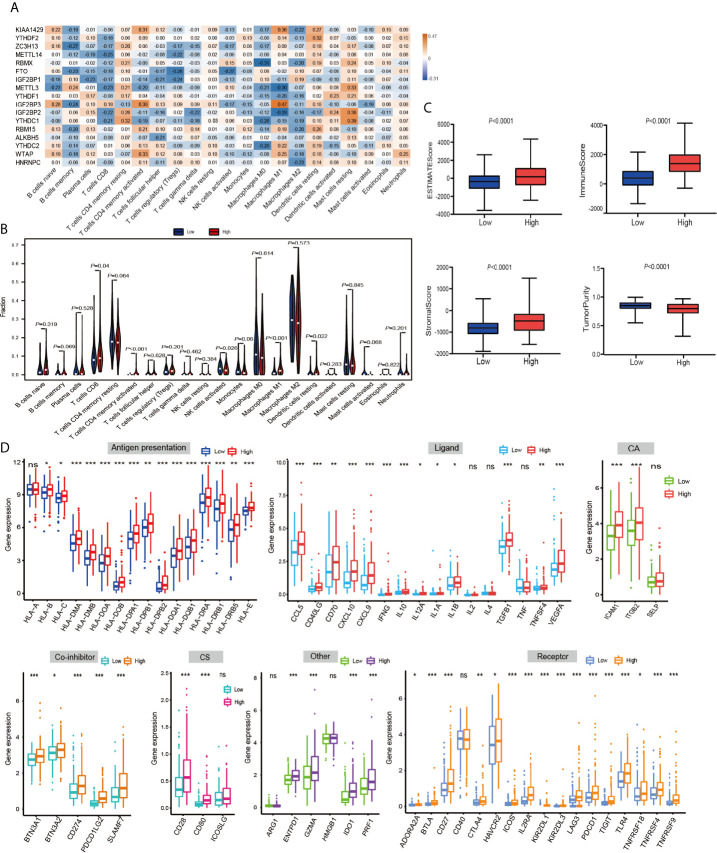
Accumulating evidence has proven that N6-methyladenosine (mA) RNA methylation plays an essential role in tumorigenesis. However, the significance of mA RNA methylation modulators in the malignant progression of papillary renal cell carcinoma (PRCC) and their impact on prognosis has not been fully analyzed. The present research set out to explore the roles of 17 mA RNA methylation regulators in tumor microenvironment (TME) of PRCC and identify the prognostic values of mA RNA methylation regulators in patients afflicted by PRCC. We investigated the different expression patterns of the mA RNA methylation regulators between PRCC tumor samples and normal tissues, and systematically explored the association of the expression patterns of these genes with TME cell-infiltrating characteristics. Additionally, we used LASSO regression to construct a risk signature based upon the mA RNA methylation modulators. Two-gene prognostic risk model including IGF2BP3 and HNRNPC was constructed and could predict overall survival (OS) of PRCC patients from the Cancer Genome Atlas (TCGA) dataset. The prognostic signature-based risk score was identified as an independent prognostic indicator in Cox regression analysis. Moreover, we predicted the three most significant small molecule drugs that potentially inhibit PRCC. Taken together, our study revealed that mA RNA methylation regulators might play a significant role in the initiation and progression of PRCC. The results might provide novel insight into exploration of mA RNA modification in PRCC and provide essential guidance for therapeutic strategies.
越来越多的证据表明,N6-甲基腺嘌呤(m⁶A)RNA甲基化在肿瘤发生中起重要作用。然而,m⁶A RNA甲基化调节剂在乳头状肾细胞癌(PRCC)恶性进展中的意义及其对预后的影响尚未得到充分分析。本研究旨在探讨17种m⁶A RNA甲基化调节剂在PRCC肿瘤微环境(TME)中的作用,并确定m⁶A RNA甲基化调节剂对PRCC患者的预后价值。我们研究了PRCC肿瘤样本与正常组织之间m⁶A RNA甲基化调节剂的不同表达模式,并系统地探讨了这些基因表达模式与TME细胞浸润特征的关联。此外,我们使用LASSO回归基于m⁶A RNA甲基化调节剂构建风险特征。构建了包括IGF2BP3和HNRNPC的双基因预后风险模型,该模型可以预测癌症基因组图谱(TCGA)数据集中PRCC患者的总生存期(OS)。在Cox回归分析中,基于预后特征的风险评分被确定为独立的预后指标。此外,我们预测了三种最显著的可能抑制PRCC的小分子药物。综上所述,我们的研究表明,m⁶A RNA甲基化调节剂可能在PRCC的发生和进展中起重要作用。这些结果可能为探索PRCC中的m⁶A RNA修饰提供新的见解,并为治疗策略提供重要指导。