Quiroga John, Alarcón Pablo, Manosalva Carolina, Teuber Stefanie, Taubert Anja, Hermosilla Carlos, Hidalgo María Angélica, Carretta María Daniella, Burgos Rafael Agustín
Laboratory of Inflammation Pharmacology, Faculty of Veterinary Sciences, Institute of Pharmacology and Morphophysiology, Universidad Austral de Chile, Valdivia, Chile.
Laboratory of Immunometabolism, Faculty of Veterinary Sciences, Institute of Pharmacology and Morphophysiology, Universidad Austral de Chile, Valdivia, Chile.
Front Vet Sci. 2021 Mar 16;8:625347. doi: 10.3389/fvets.2021.625347. eCollection 2021.
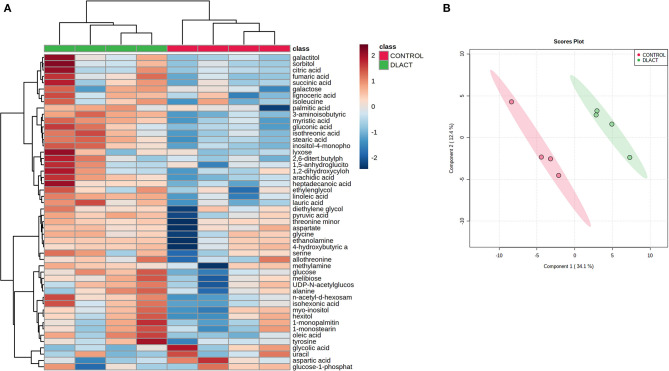
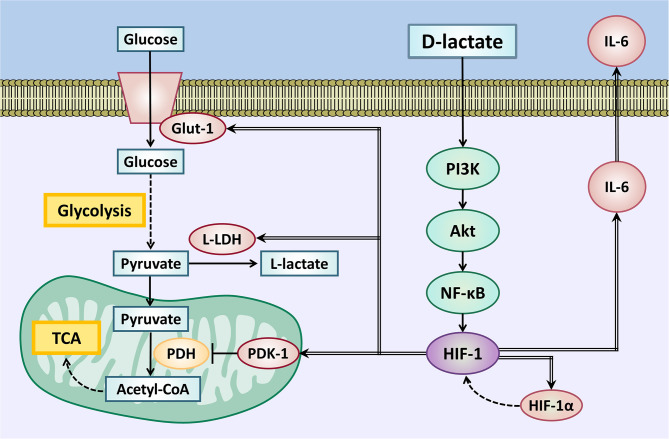
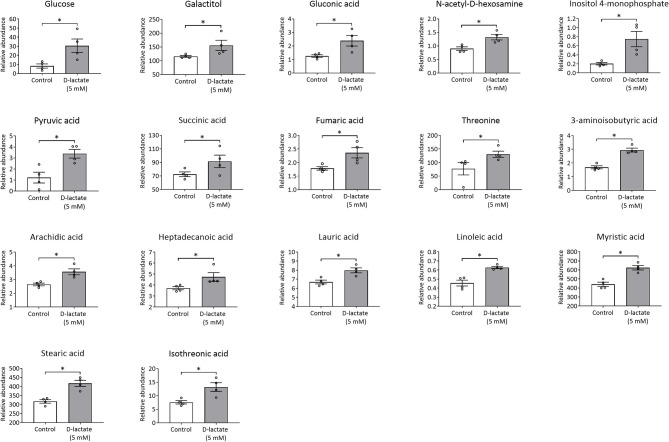
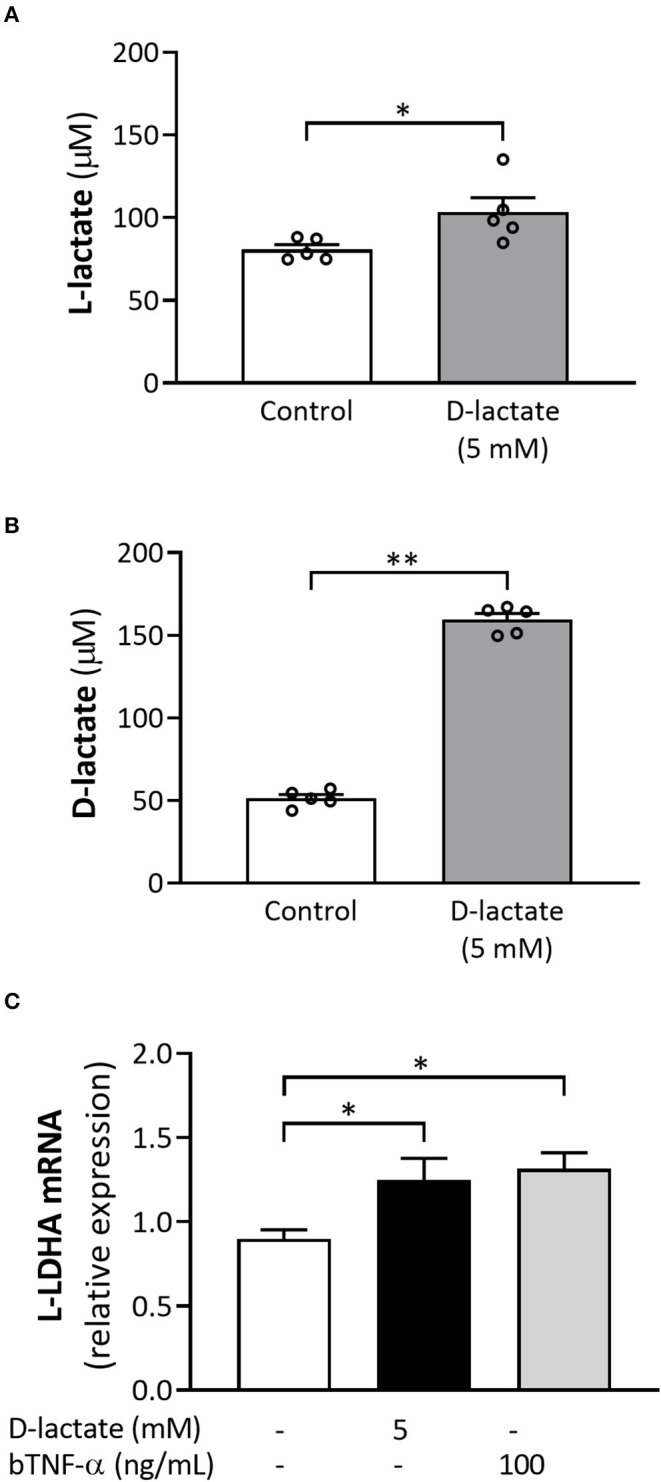
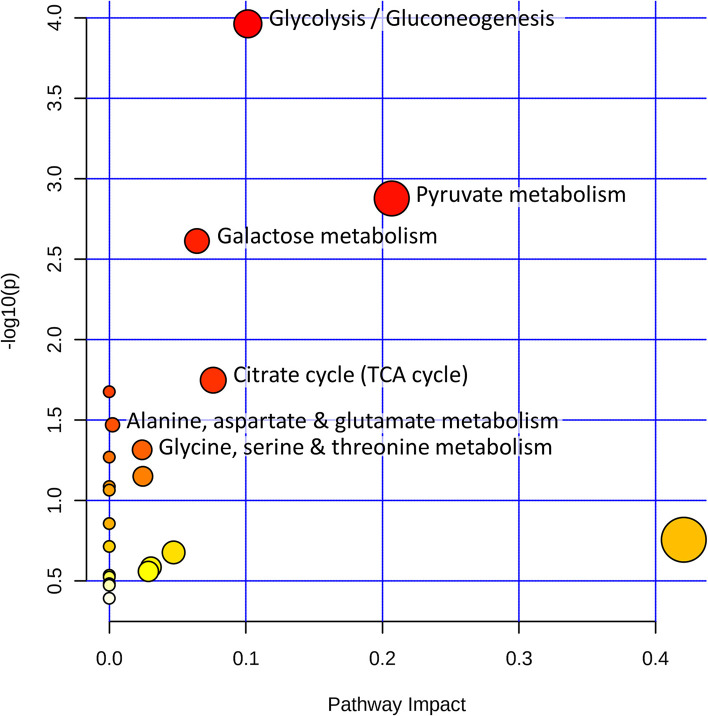
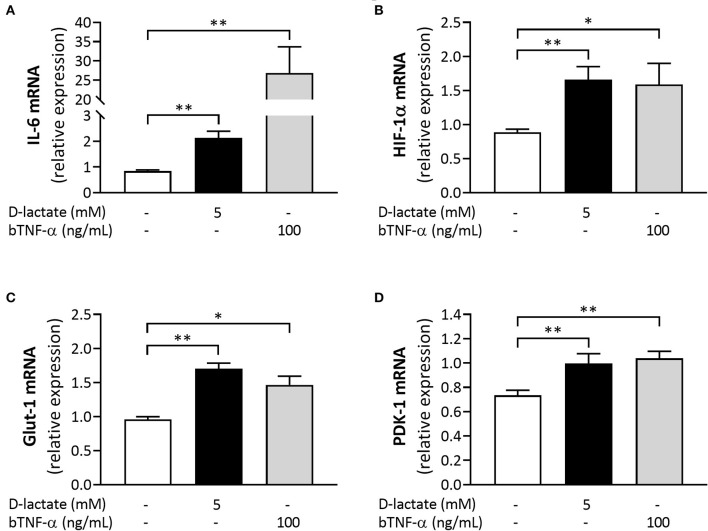
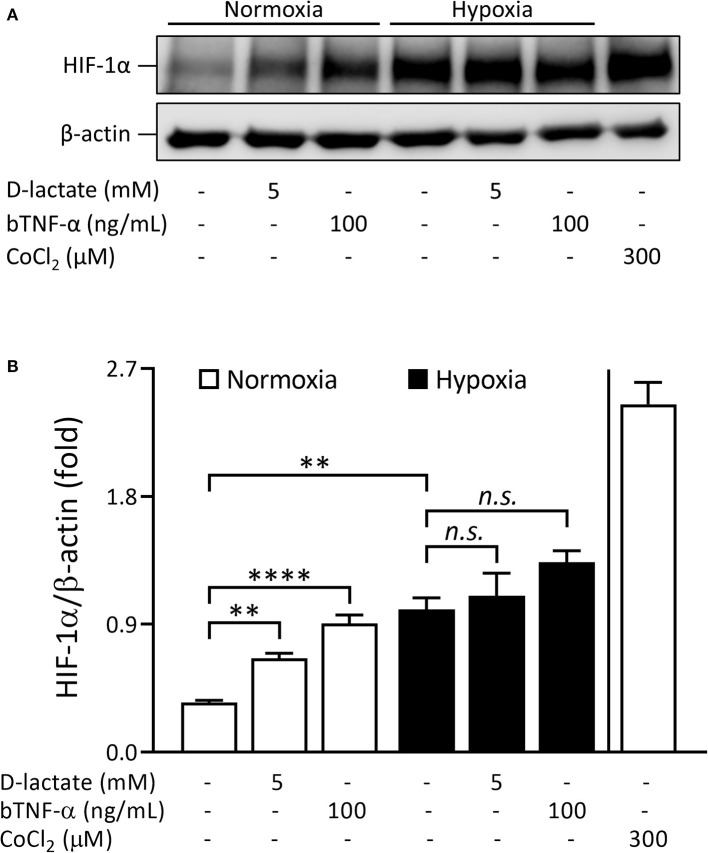
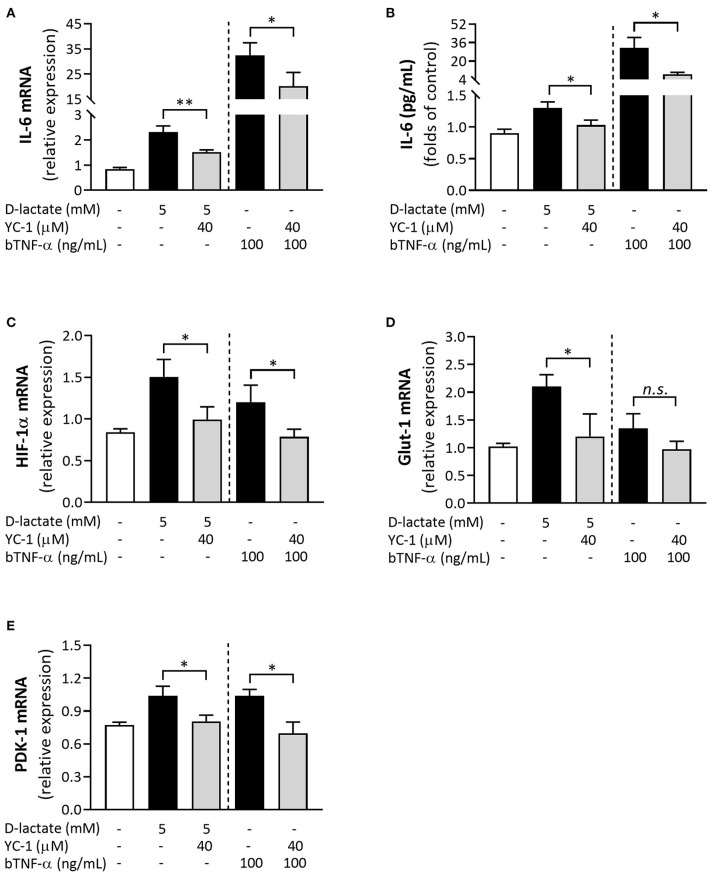
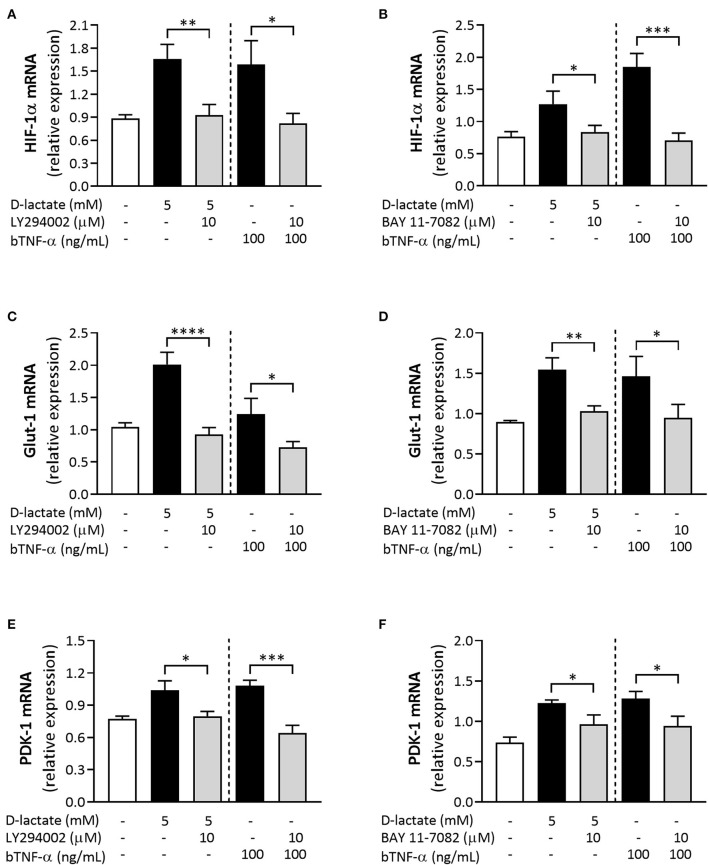
Acute ruminal acidosis (ARA) occurs after an excessive intake of rapidly fermentable carbohydrates and is characterized by the overproduction of D-lactate in the rumen that reaches the bloodstream. Lameness presentation, one of the primary consequences of ARA in cattle, is associated with the occurrence of laminitis and aseptic polysynovitis. Fibroblast-like synoviocytes (FLS) are predominant cells of synovia and play a key role in the pathophysiology of joint diseases, thus increasing the chances of the release of pro-inflammatory cytokines. Increased D-lactate levels and disturbances in the metabolism of carbohydrates, pyruvates, and amino acids are observed in the synovial fluid of heifers with ARA-related polysynovitis prior to neutrophil infiltration, suggesting an early involvement of metabolic disturbances in joint inflammation. We hypothesized that D-lactate induces metabolic reprogramming, along with an inflammatory response, in bovine exposed FLS. Gas chromatography-mass spectrometry (GC-MS)-based metabolomics revealed that D-lactate disrupts the metabolism of bovine FLS, mainly enhancing glycolysis and gluconeogenesis, pyruvate metabolism, and galactose metabolism. The reverse-transcription quantitative PCR (RT-qPCR) analysis revealed an increased expression of metabolic-related genes, including hypoxia-inducible factor 1 (HIF-1)α, glucose transporter 1 (Glut-1), L-lactate dehydrogenase subunit A (L-LDHA), and pyruvate dehydrogenase kinase 1 (PDK-1). Along with metabolic disturbances, D-lactate also induced an overexpression and the secretion of IL-6. Furthermore, the inhibition of HIF-1, PI3K/Akt, and NF-κB reduced the expression of IL-6 and metabolic-related genes. The results of this study reveal a potential role for D-lactate in bFLS metabolic reprogramming and support a close relationship between inflammation and metabolism in cattle.
急性瘤胃酸中毒(ARA)发生在过量摄入快速发酵碳水化合物之后,其特征是瘤胃中产生过量的D-乳酸并进入血液循环。跛行表现是牛ARA的主要后果之一,与蹄叶炎和无菌性多关节炎的发生有关。成纤维样滑膜细胞(FLS)是滑膜的主要细胞,在关节疾病的病理生理学中起关键作用,从而增加促炎细胞因子释放的机会。在中性粒细胞浸润之前,在患有ARA相关多关节炎的小母牛的滑液中观察到D-乳酸水平升高以及碳水化合物、丙酮酸和氨基酸代谢紊乱,这表明代谢紊乱在关节炎症中早期就有参与。我们假设D-乳酸在暴露于牛的FLS中诱导代谢重编程以及炎症反应。基于气相色谱-质谱(GC-MS)的代谢组学研究表明,D-乳酸破坏了牛FLS的代谢,主要增强了糖酵解和糖异生、丙酮酸代谢以及半乳糖代谢。逆转录定量PCR(RT-qPCR)分析显示代谢相关基因的表达增加,包括缺氧诱导因子1(HIF-1)α、葡萄糖转运蛋白1(Glut-1)、L-乳酸脱氢酶亚基A(L-LDHA)和丙酮酸脱氢酶激酶1(PDK-1)。除了代谢紊乱外,D-乳酸还诱导IL-6的过表达和分泌。此外,抑制HIF-1、PI3K/Akt和NF-κB可降低IL-6和代谢相关基因的表达。本研究结果揭示了D-乳酸在牛FLS代谢重编程中的潜在作用,并支持牛炎症与代谢之间的密切关系。