School of Computing, University of Leeds, Leeds, United Kingdom.
BCS Clinical Consulting, Chesterfield, United Kingdom.
JCO Clin Cancer Inform. 2021 Mar;5:353-363. doi: 10.1200/CCI.20.00148.
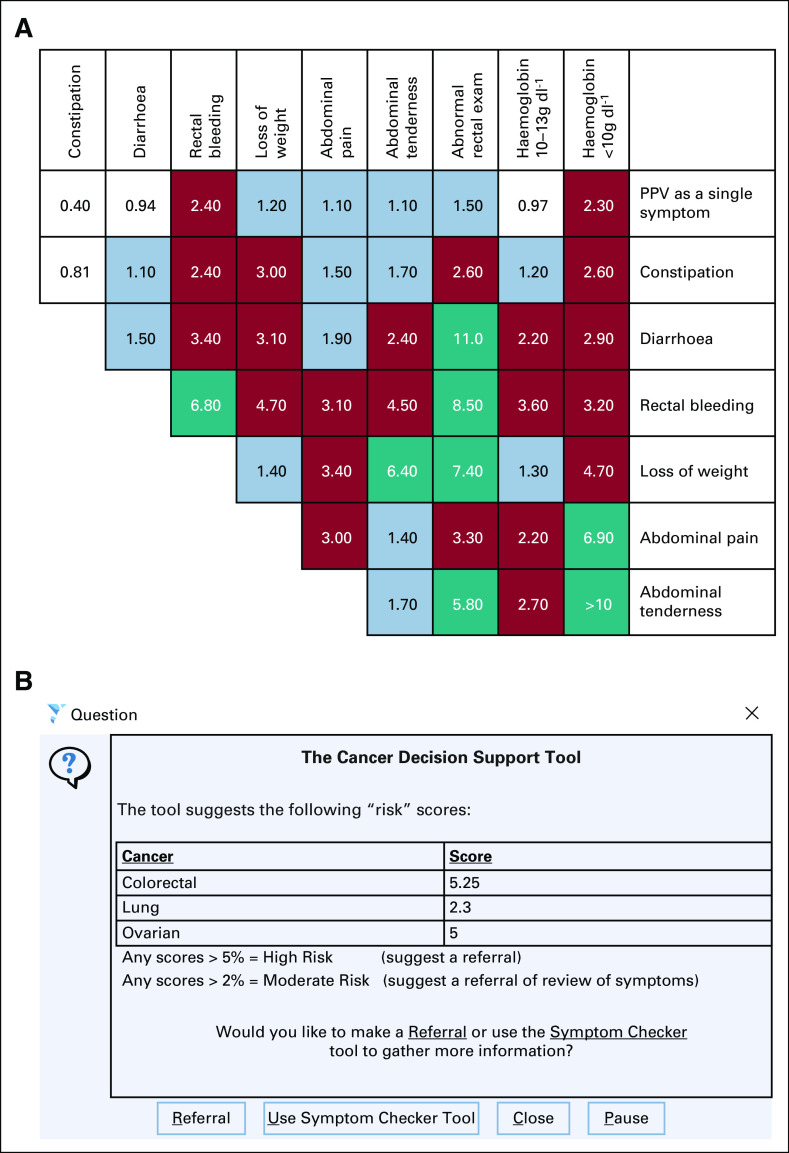
Informatics solutions to early diagnosis of cancer in primary care are increasingly prevalent, but it is not clear whether existing and planned standards and regulations sufficiently address patients' safety nor whether these standards are fit for purpose. We use a patient safety perspective to reflect on the development of a computerized cancer risk assessment tool embedded within a UK primary care electronic health record system.
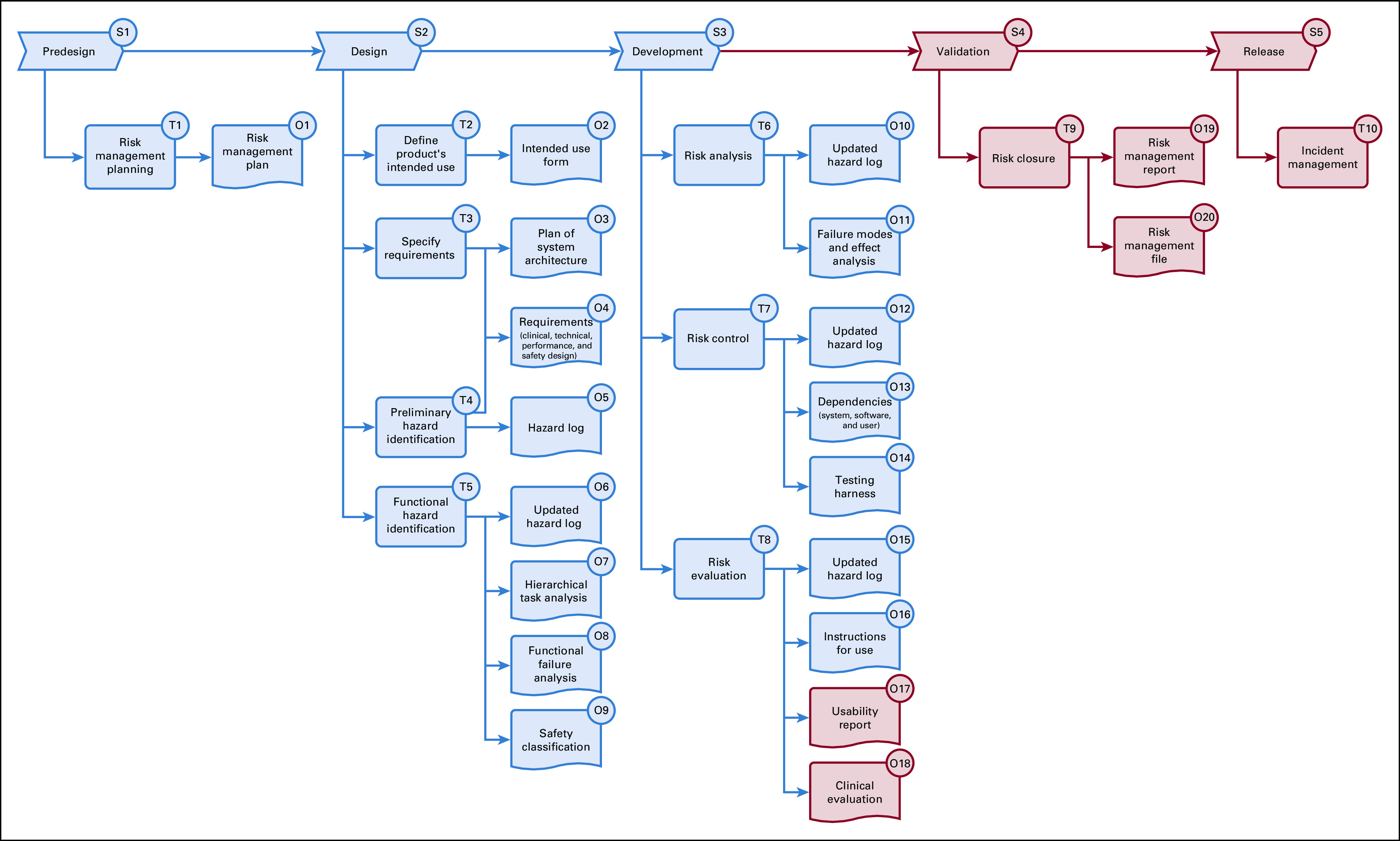
We developed a computerized version of the CAncer Prevention in ExetER studies risk assessment tool, in compliance with the European Union's Medical Device Regulations. The process of building this tool afforded an opportunity to reflect on clinical concerns and whether current regulations for medical devices are fit for purpose. We identified concerns for patient safety and developed nine practical recommendations to mitigate these concerns.
We noted that medical device regulations (1) were initially created for hardware devices rather than software, (2) offer one-shot approval rather than supporting iterative innovation and learning, (3) are biased toward loss-transfer approaches that attempt to manage the fallout of harm instead of mitigating hazards becoming harmful, and (4) are biased toward known hazards, despite unknown hazards being an expected consequence of health care as a complex adaptive system. Our nine recommendations focus on embedding less-reductionist and stronger system perspectives into regulations and standards.
Our intention is to share our experience to support research-led collaborative development of health informatics solutions in cancer. We argue that regulations in the European Union do not sufficiently address the complexity of healthcare information systems with consequences for patient safety. Future standards and regulations should continue to follow a system-based approach to risk, safety, and accident avoidance.
在初级保健中,用于癌症早期诊断的信息学解决方案越来越普及,但目前尚不清楚现有的和计划中的标准和法规是否充分考虑到患者的安全性,也不清楚这些标准是否符合实际目的。我们从患者安全的角度出发,反思了一个嵌入英国初级保健电子健康记录系统的计算机化癌症风险评估工具的开发过程。
我们根据欧盟医疗器械法规,开发了一个计算机化的 CAncer Prevention in ExetER 研究风险评估工具。开发这个工具的过程使我们有机会反思临床关注问题,以及当前的医疗器械法规是否符合实际目的。我们发现了一些患者安全方面的问题,并提出了九条实用建议来减轻这些问题。
我们注意到,医疗器械法规(1)最初是为硬件设备而不是软件设备制定的,(2)提供一次性批准,而不是支持迭代创新和学习,(3)偏向于损失转移方法,试图管理伤害的后果,而不是减轻危害变得有害,(4)偏向于已知的危害,尽管未知的危害是作为一个复杂自适应系统的医疗保健的预期后果。我们的九条建议侧重于将较少的还原论和更强的系统观点嵌入到法规和标准中。
我们的目的是分享我们的经验,以支持以研究为导向的癌症健康信息学解决方案的合作开发。我们认为,欧盟的法规没有充分考虑到医疗保健信息系统的复杂性,这对患者安全有影响。未来的标准和法规应继续遵循基于系统的风险、安全和事故预防方法。