Department of Biotechnology and Biosciences, University of Milano-Bicocca, 20126 Milano, Italy.
School of Medicine and Surgery, University of Milano-Bicocca, 20900 Monza, Italy.
Int J Mol Sci. 2021 Mar 17;22(6):3054. doi: 10.3390/ijms22063054.
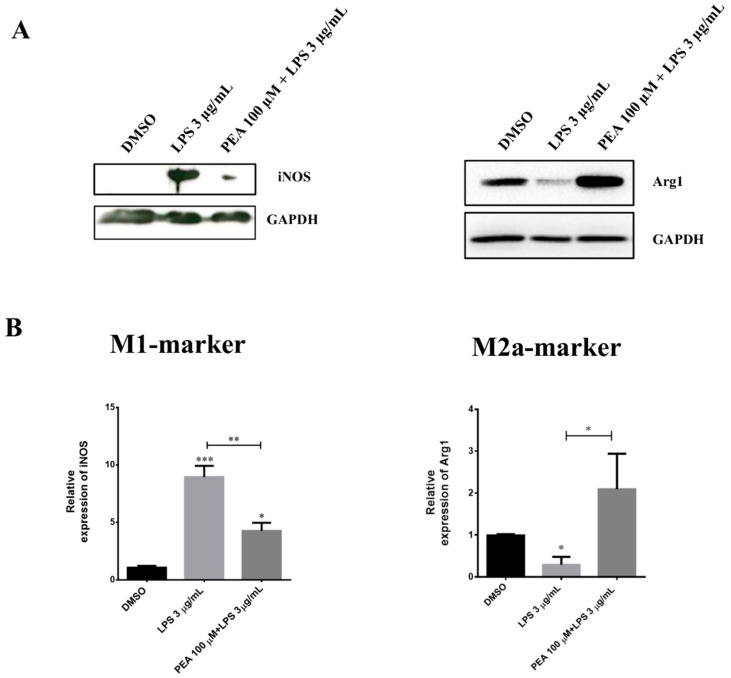
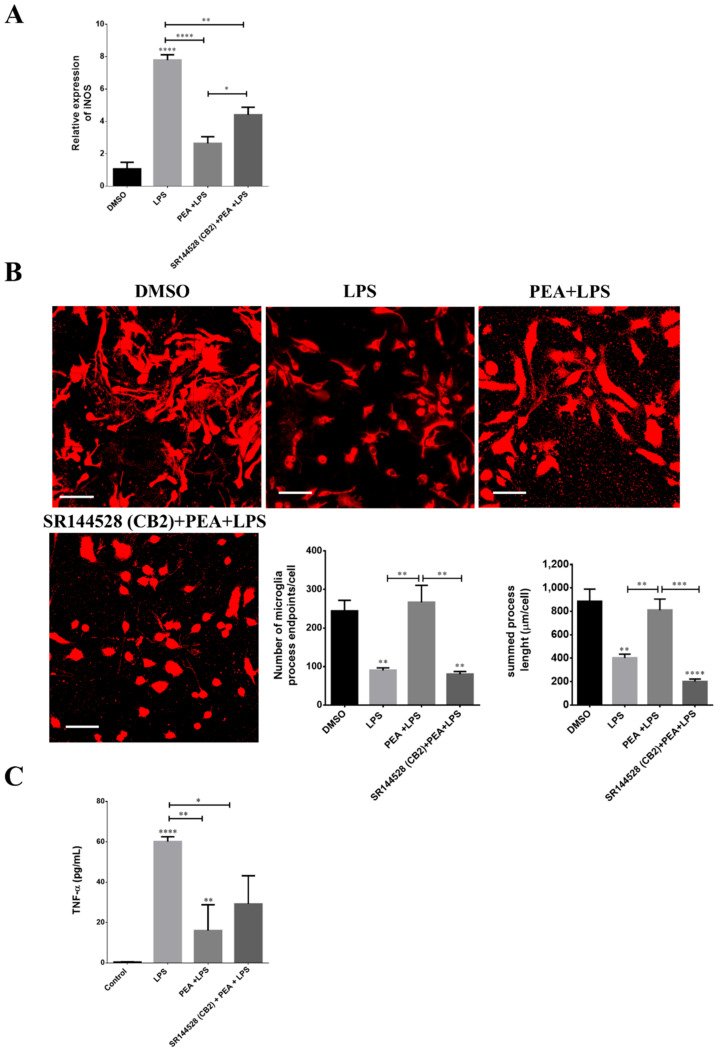
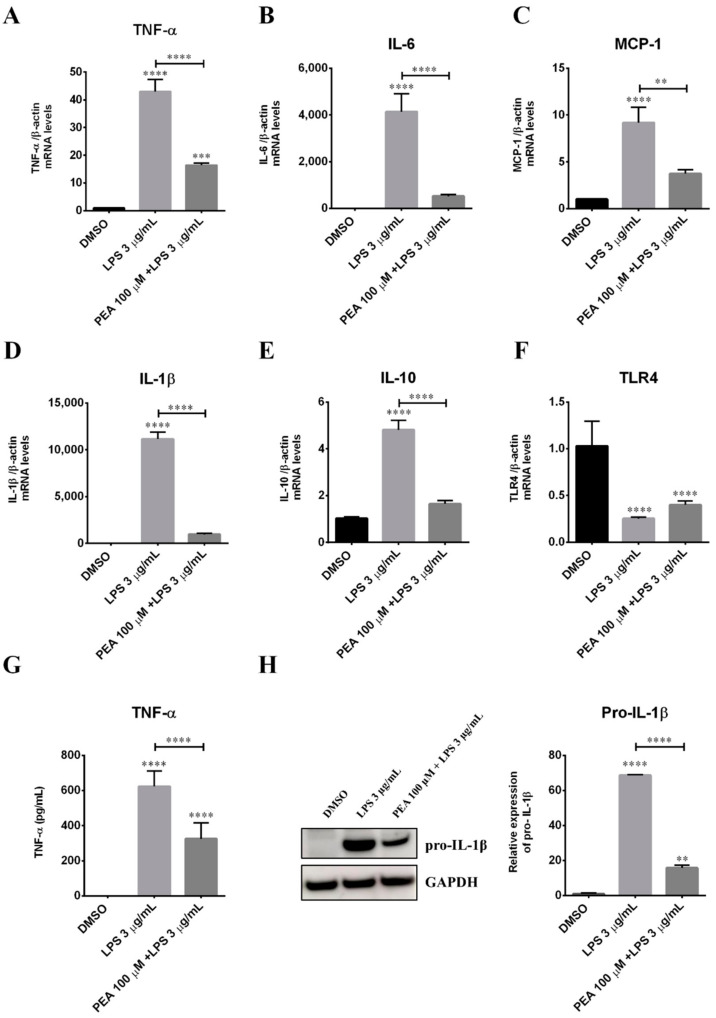
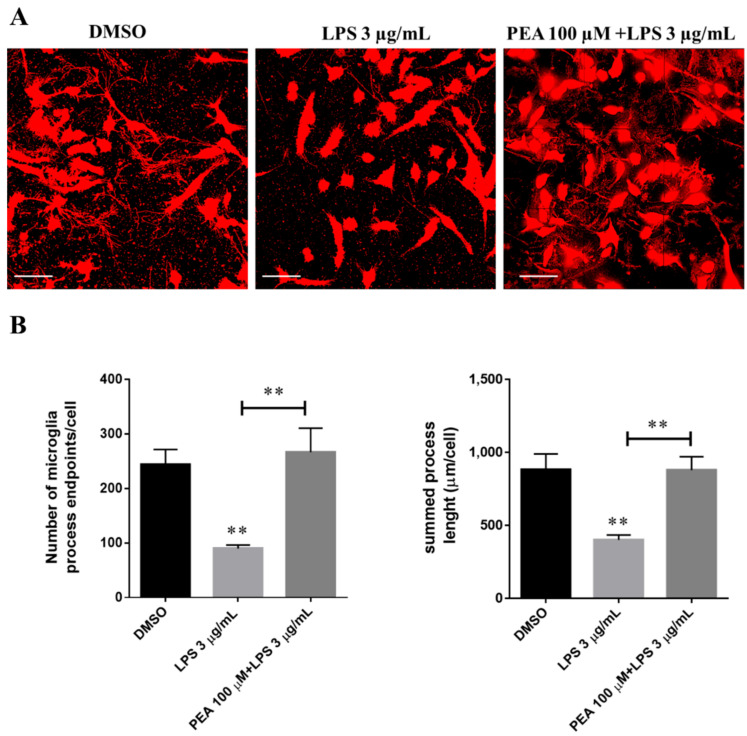
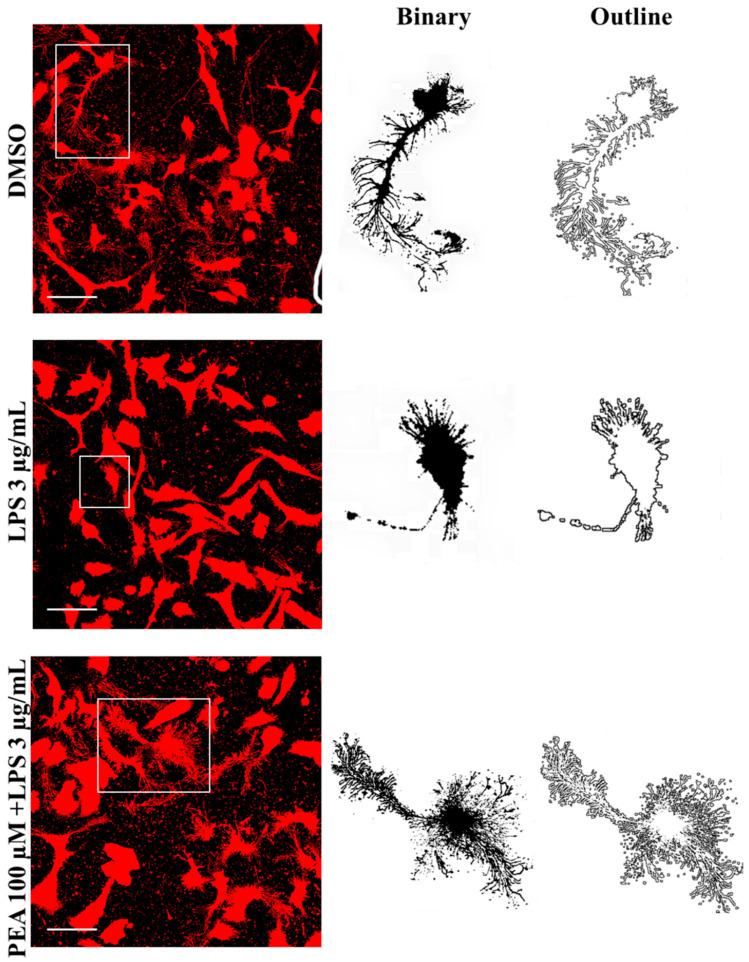
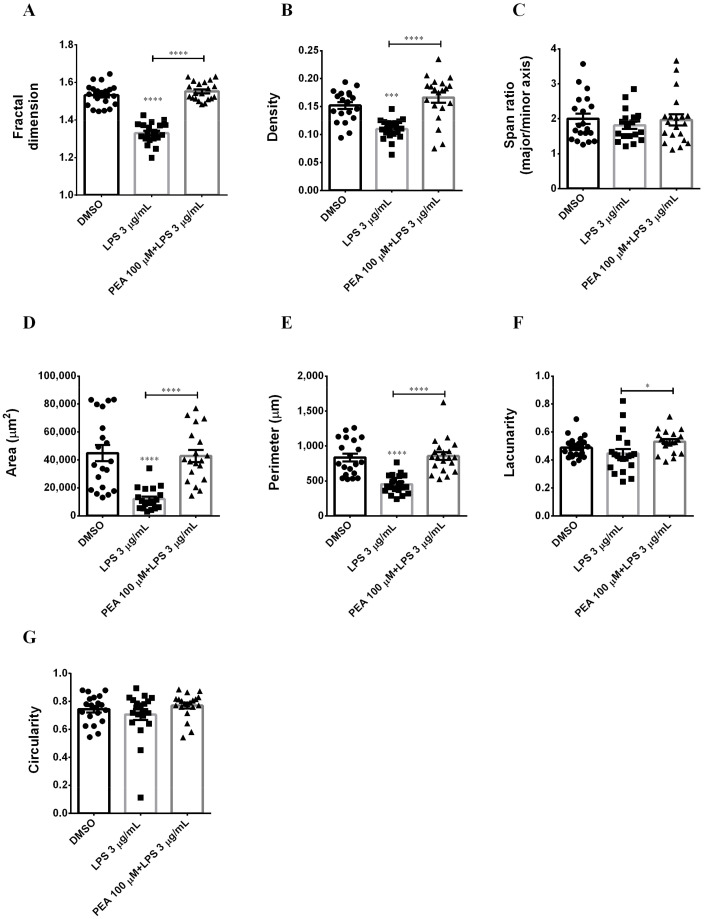
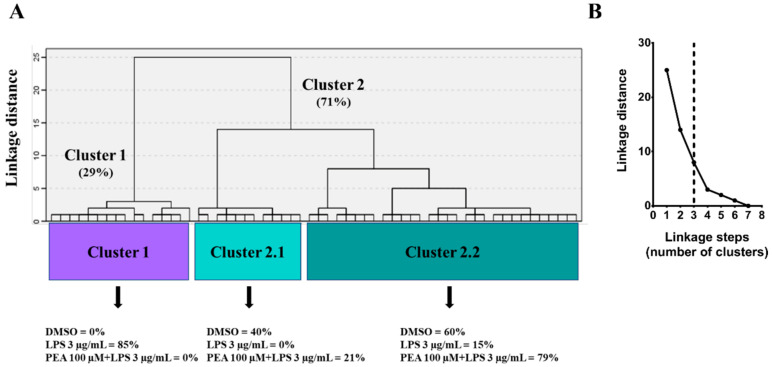
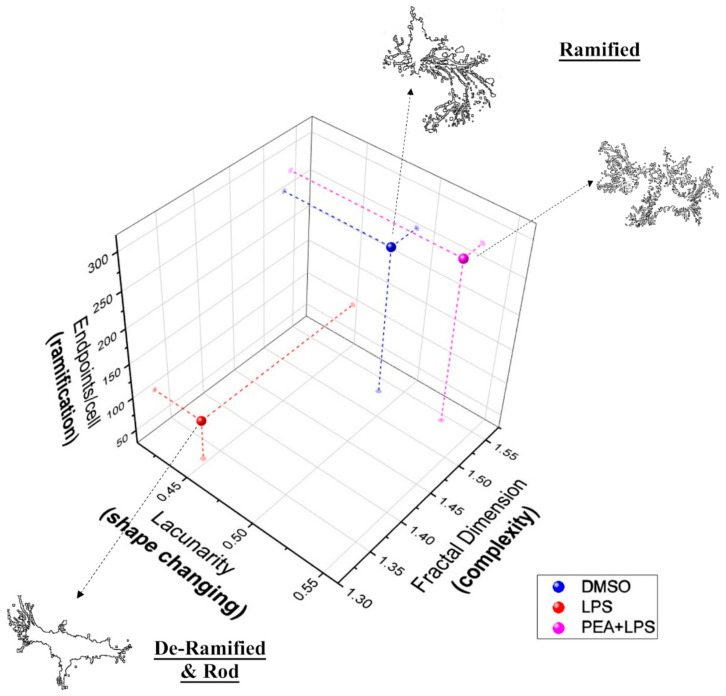
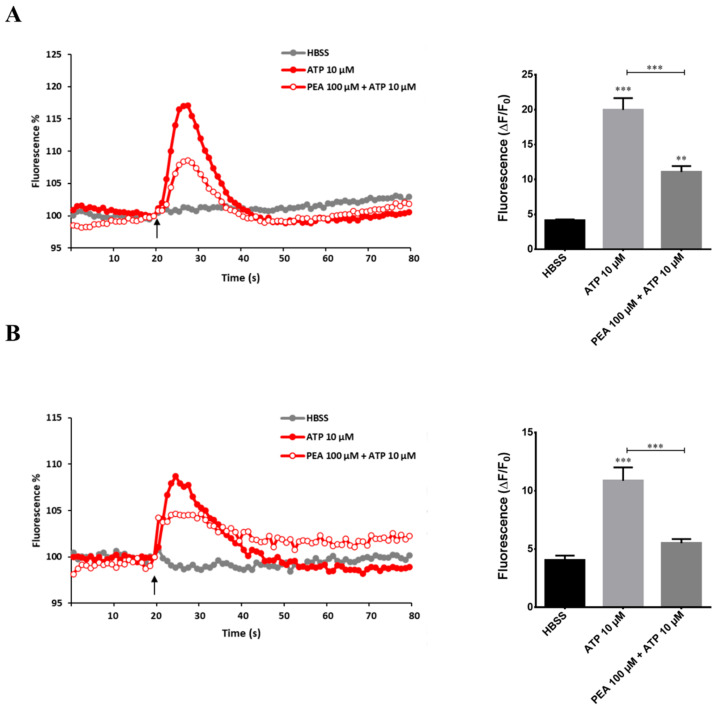
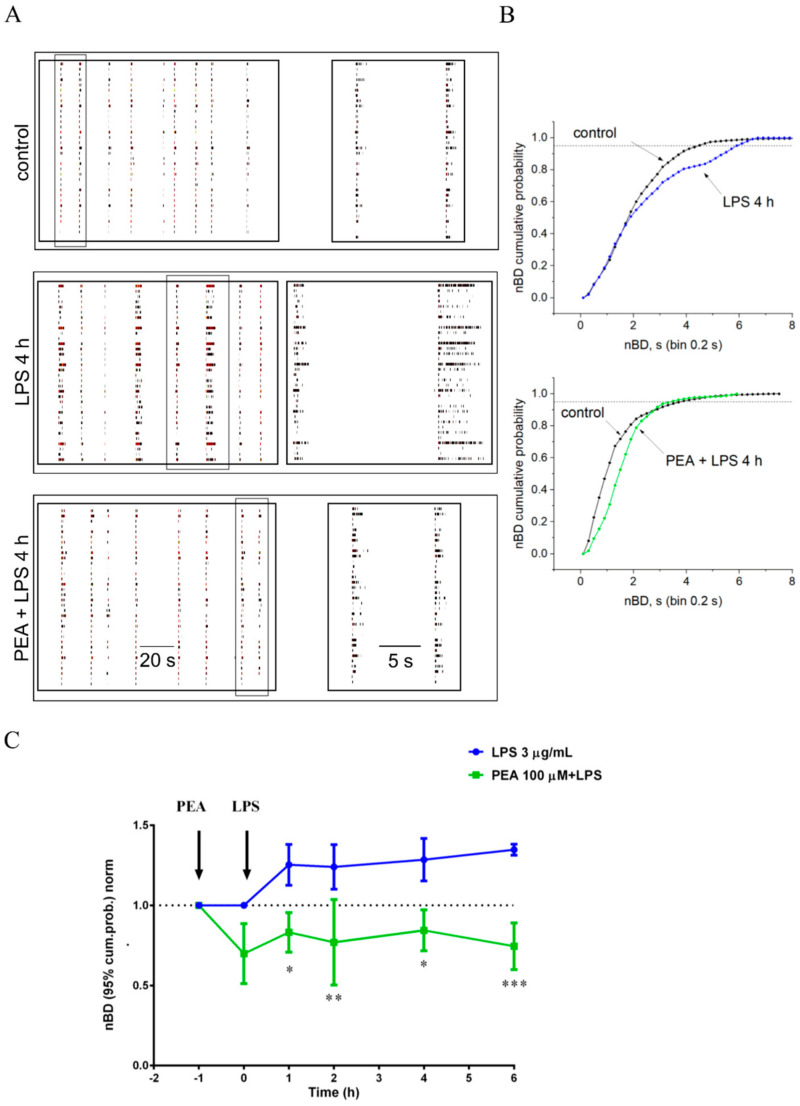
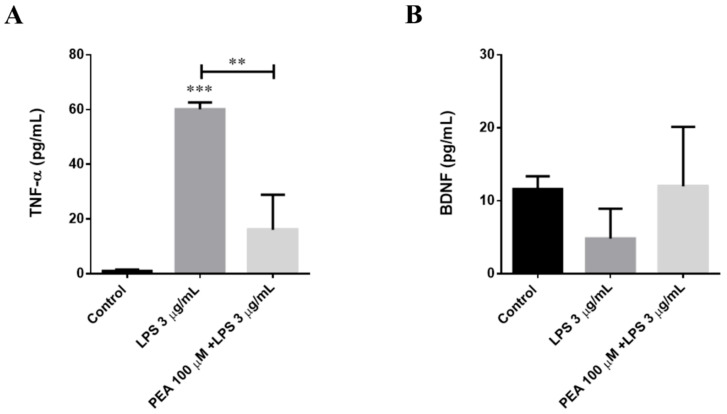
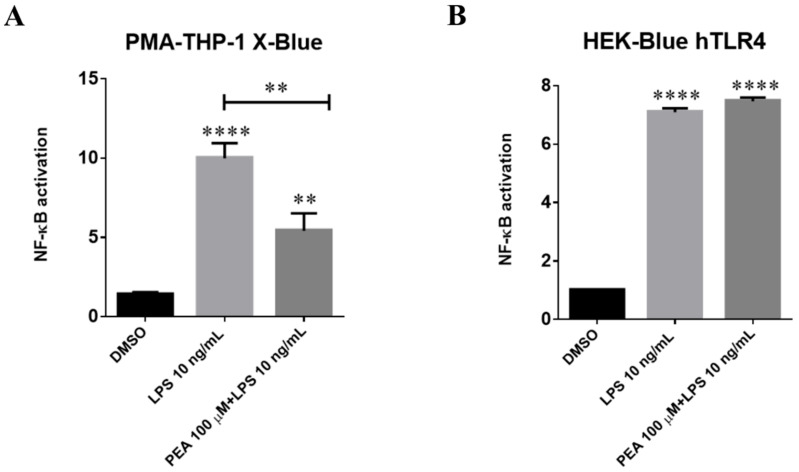
Palmitoylethanolamide (PEA) is an endogenous lipid produced on demand by neurons and glial cells that displays neuroprotective properties. It is well known that inflammation and neuronal damage are strictly related processes and that microglia play a pivotal role in their regulation. The aim of the present work was to assess whether PEA could exert its neuroprotective and anti-inflammatory effects through the modulation of microglia reactive phenotypes. In N9 microglial cells, the pre-incubation with PEA blunted the increase of M1 pro-inflammatory markers induced by lipopolysaccharide (LPS), concomitantly increasing those M2 anti-inflammatory markers. Images of microglial cells were processed to obtain a set of morphological parameters that highlighted the ability of PEA to inhibit the LPS-induced M1 polarization and suggested that PEA might induce the anti-inflammatory M2a phenotype. Functionally, PEA prevented Ca transients in both N9 cells and primary microglia and antagonized the neuronal hyperexcitability induced by LPS, as revealed by multi-electrode array (MEA) measurements on primary cortical cultures of neurons, microglia, and astrocyte. Finally, the investigation of the molecular pathway indicated that PEA effects are not mediated by toll-like receptor 4 (TLR4); on the contrary, a partial involvement of cannabinoid type 2 receptor (CB2R) was shown by using a selective receptor inverse agonist.
棕榈酰乙醇酰胺(PEA)是一种内源性脂质,由神经元和神经胶质细胞按需产生,具有神经保护特性。众所周知,炎症和神经元损伤是严格相关的过程,小胶质细胞在它们的调节中起着关键作用。本研究的目的是评估 PEA 是否可以通过调节小胶质细胞的反应表型来发挥其神经保护和抗炎作用。在 N9 小胶质细胞中,PEA 的预孵育可减弱脂多糖(LPS)诱导的 M1 促炎标志物的增加,同时增加 M2 抗炎标志物。对小胶质细胞的图像进行处理,以获得一组形态学参数,这些参数突出了 PEA 抑制 LPS 诱导的 M1 极化的能力,并表明 PEA 可能诱导抗炎 M2a 表型。功能上,PEA 可防止 N9 细胞和原代小胶质细胞中的 Ca 瞬变,并拮抗 LPS 诱导的神经元过度兴奋,这是通过多电极阵列(MEA)对神经元、小胶质细胞和星形胶质细胞原代皮质培养物的测量得出的。最后,对分子途径的研究表明,PEA 的作用不是由 Toll 样受体 4(TLR4)介导的;相反,通过使用选择性受体反向激动剂,显示出大麻素 2 型受体(CB2R)的部分参与。