Department of Automation, Biocybernetics and Robotics, Jozef Stefan Institute, 1000 Ljubljana, Slovenia.
FAME Laboratory, Department of Physical Education and Sport Science, University of Thessaly, 42131 Trikala, Greece.
Int J Environ Res Public Health. 2021 Mar 15;18(6):3011. doi: 10.3390/ijerph18063011.
The aim of the study was to investigate the effect of a simulated heat-wave on the labour productivity and physiological strain experienced by workers.
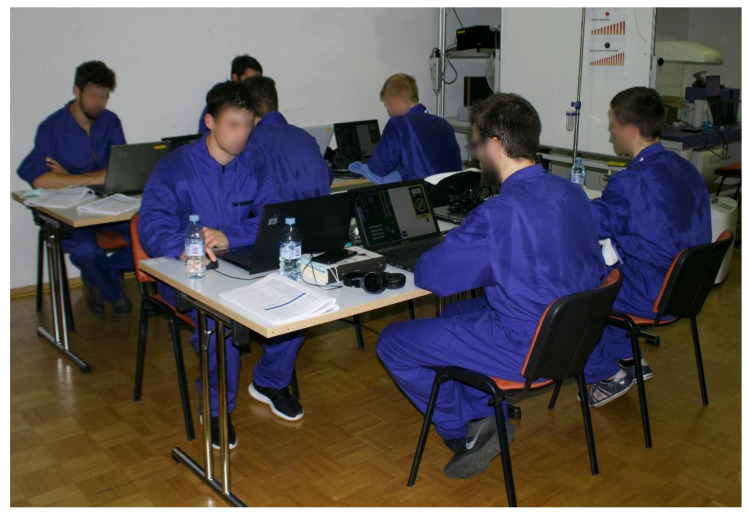
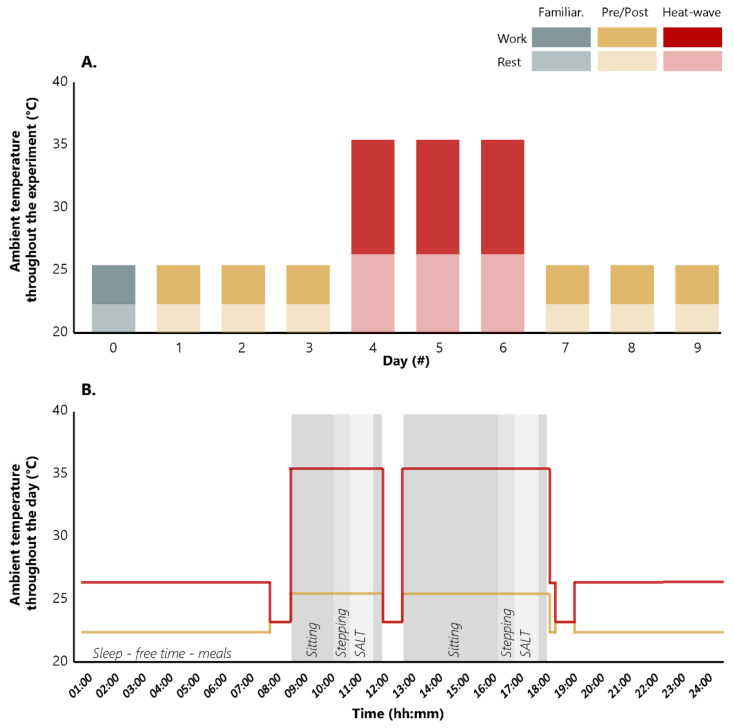
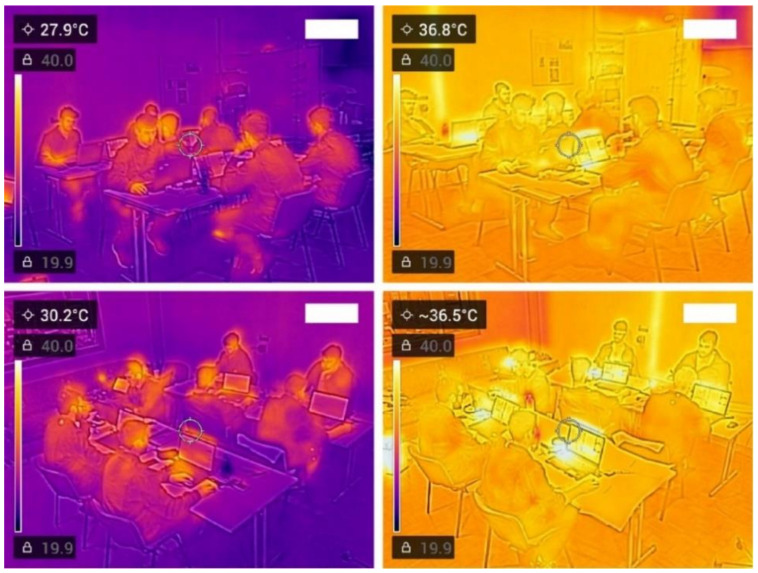
Seven males were confined for ten days in controlled ambient conditions. A familiarisation day was followed by three (pre, during, and post-heat-wave) 3-day periods. During each day volunteers participated in a simulated work-shift incorporating two physical activity sessions each followed by a session of assembly line task. Conditions were hot (work: 35.4 °C; rest: 26.3 °C) during, and temperate (work: 25.4 °C; rest: 22.3 °C) pre and post the simulated heat-wave. Physiological, biological, behavioural, and subjective data were collected throughout the study.
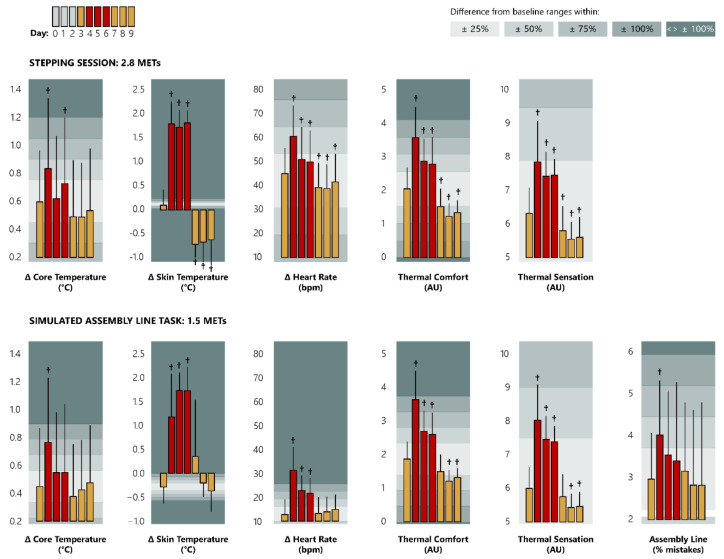
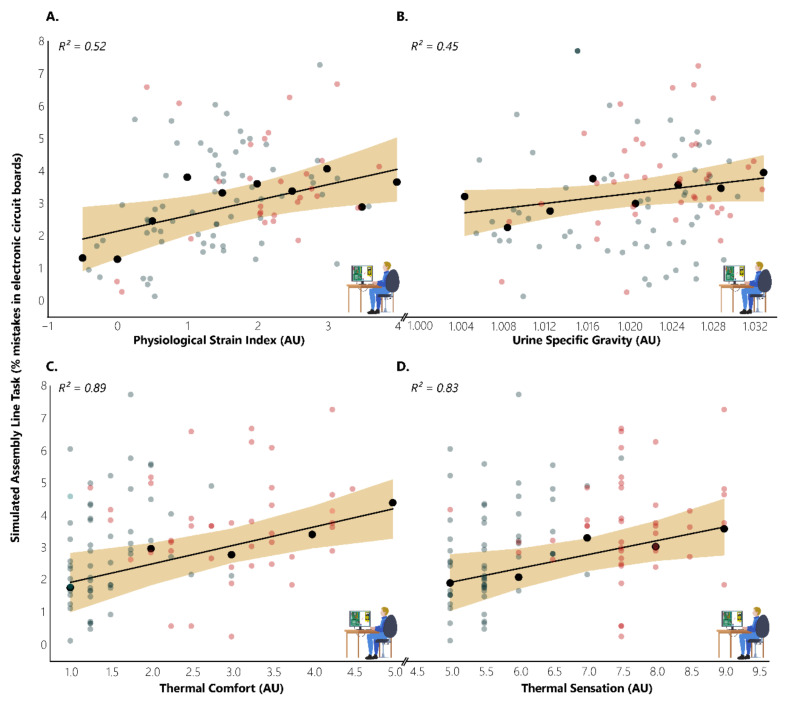
The simulated heat-wave undermined human capacity for work by increasing the number of mistakes committed, time spent on unplanned breaks, and the physiological strain experienced by the participants. Early adaptations were able to mitigate the observed implications on the second and third days of the heat-wave, as well as impacting positively on the post-heat-wave period.
Here, we show for first time that a controlled simulated heat-wave increases workers' physiological strain and reduces labour productivity on the first day, but it promotes adaptations mitigating the observed implications during the subsequent days.
本研究旨在探究模拟热浪对工人劳动生产率和生理应激的影响。
7 名男性在受控环境条件下被隔离 10 天。适应期后进行 3 天的模拟工作,包括两个体力活动环节,每个环节后进行装配线任务。热天(工作:35.4°C;休息:26.3°C)期间,以及模拟热浪前后的温带条件(工作:25.4°C;休息:22.3°C)下进行工作。在整个研究过程中收集了生理、生物、行为和主观数据。
模拟热浪通过增加错误数量、无计划休息时间和参与者的生理应激,削弱了人类的工作能力。早期适应能够减轻热浪第二天和第三天观察到的影响,并对热浪后时期产生积极影响。
本研究首次表明,受控模拟热浪会增加工人的生理应激,降低第一天的劳动生产率,但会促进适应,减轻随后几天观察到的影响。