Zheng Shuhua, Tao Wensi
College of Osteopathic Medicine, Nova Southeastern University, Fort Lauderdale, FL 33314, USA.
Department of Radiation Oncology, University of Miami-Miller School of Medicine, Miami, FL 33136, USA.
Cancers (Basel). 2021 Mar 1;13(5):1013. doi: 10.3390/cancers13051013.
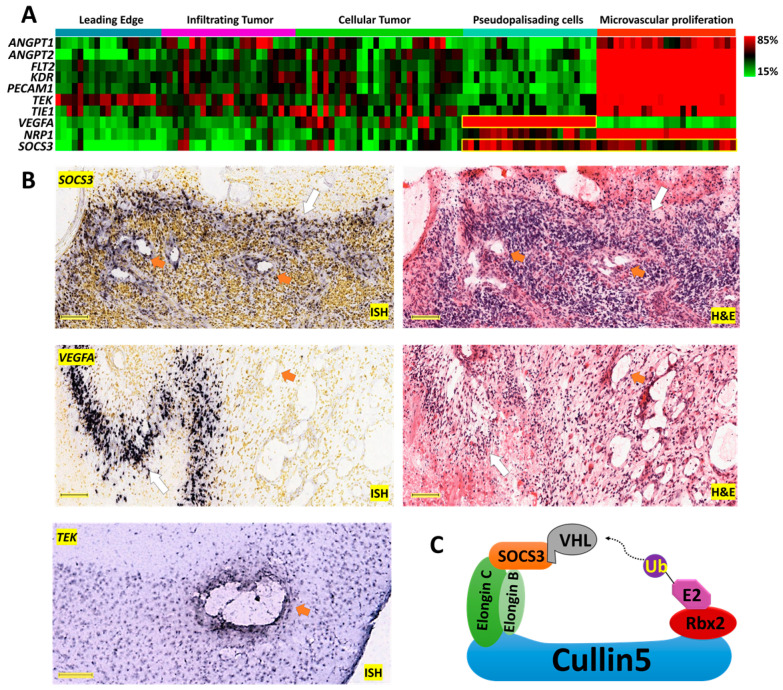
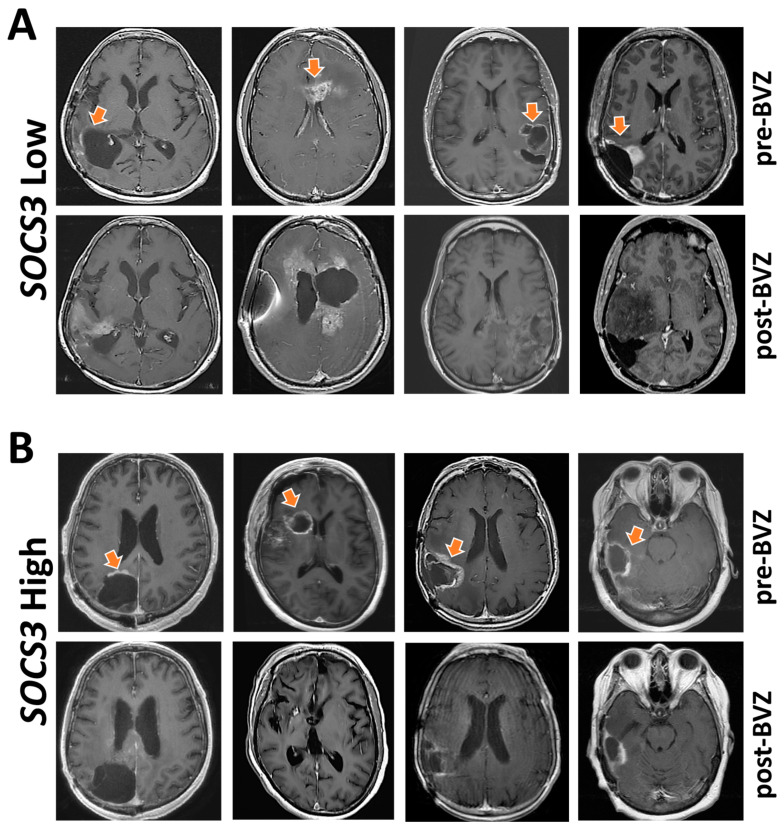
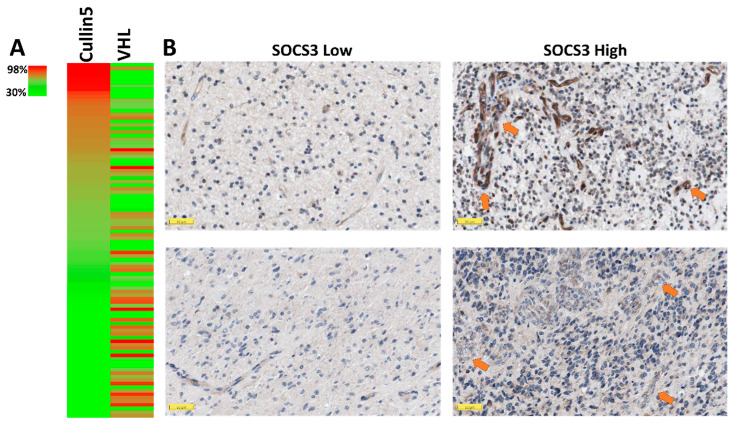
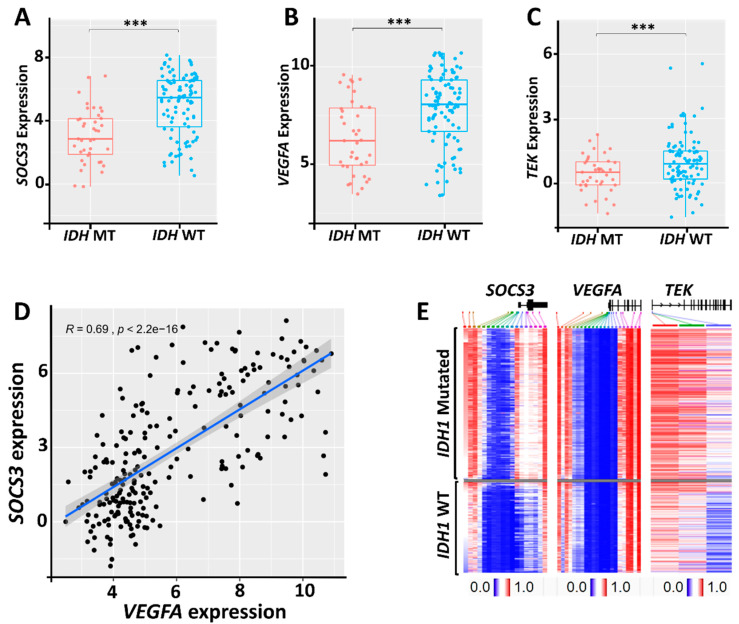
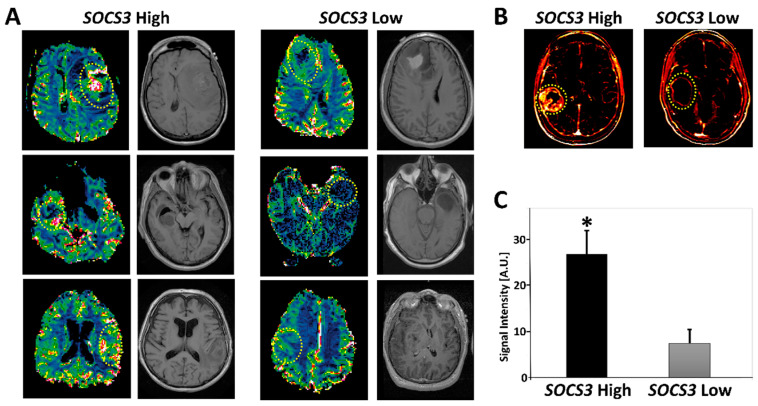
Glioblastoma multiforme (GBM) is the most common and devastating type of primary brain tumor, with a median survival time of only 15 months. Having a clinically applicable genetic biomarker would lead to a paradigm shift in precise diagnosis, personalized therapeutic decisions, and prognostic prediction for GBM. Radiogenomic profiling connecting radiological imaging features with molecular alterations will offer a noninvasive method for genomic studies of GBM. To this end, we analyzed over 3800 glioma and GBM cases across four independent datasets. The Chinese Glioma Genome Atlas (CGGA) and The Cancer Genome Atlas (TCGA) databases were employed for RNA-Seq analysis, whereas the Ivy Glioblastoma Atlas Project (Ivy-GAP) and The Cancer Imaging Archive (TCIA) provided clinicopathological data. The Clinical Proteomic Tumor Analysis Consortium Glioblastoma Multiforme (CPTAC-GBM) was used for proteomic analysis. We identified a simple three-gene transcriptome signature-, , and -that can connect GBM's overall prognosis with genes' expression and simultaneously correlate radiographical features of perfusion imaging with expression levels. More importantly, the rampant development of neovascularization in GBM offers a promising target for therapeutic intervention. However, treatment with bevacizumab failed to improve overall survival. We identified expression levels as a potential selection marker for patients who may benefit from early initiation of angiogenesis inhibitors.
多形性胶质母细胞瘤(GBM)是最常见且最具破坏性的原发性脑肿瘤类型,中位生存时间仅为15个月。拥有一种临床适用的基因生物标志物将导致GBM在精确诊断、个性化治疗决策和预后预测方面发生范式转变。将放射影像学特征与分子改变联系起来的放射基因组分析将为GBM的基因组研究提供一种非侵入性方法。为此,我们分析了四个独立数据集中的3800多例胶质瘤和GBM病例。中国胶质瘤基因组图谱(CGGA)和癌症基因组图谱(TCGA)数据库用于RNA测序分析,而常春藤胶质母细胞瘤图谱项目(Ivy - GAP)和癌症影像存档(TCIA)提供临床病理数据。临床蛋白质组肿瘤分析联盟多形性胶质母细胞瘤(CPTAC - GBM)用于蛋白质组分析。我们鉴定出一个简单的三基因转录组特征—— 、 和 —— 它可以将GBM的总体预后与基因表达联系起来,同时将灌注成像的影像学特征与 表达水平相关联。更重要的是,GBM中新生血管的迅猛发展为治疗干预提供了一个有前景的靶点。然而,贝伐单抗治疗未能改善总体生存。我们将 表达水平鉴定为可能从早期启动血管生成抑制剂中获益的患者的潜在选择标志物。