Reinhold Dirk, Guttek Karina, Reddig Annika, Voss Linda, Schubert Claudia, Kahlfuss Sascha, Grüngreiff Kurt, Schraven Burkhart, Reinhold Annegret
Institute of Molecular and Clinical Immunology, Medical Faculty, Otto-von-Guericke-University Magdeburg, 39120 Magdeburg, Germany.
Health Campus Immunology, Infection and Inflammation (GC-I3), Medical Faculty, Otto-von-Guericke-University Magdeburg, 39120 Magdeburg, Germany.
Biomedicines. 2021 Mar 1;9(3):246. doi: 10.3390/biomedicines9030246.
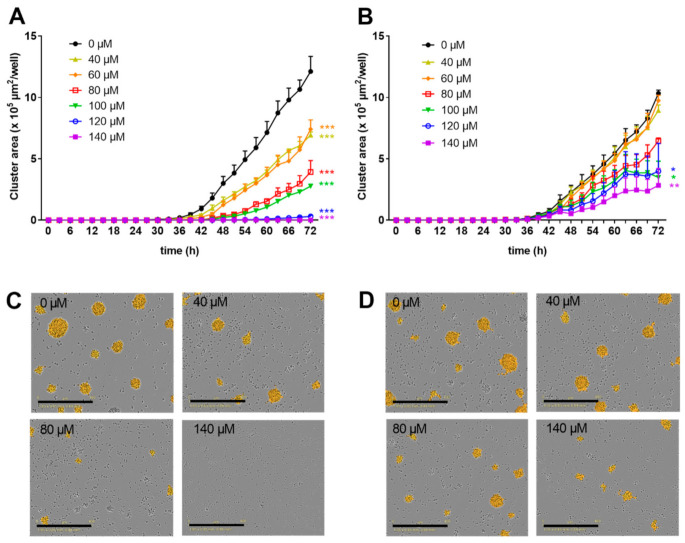
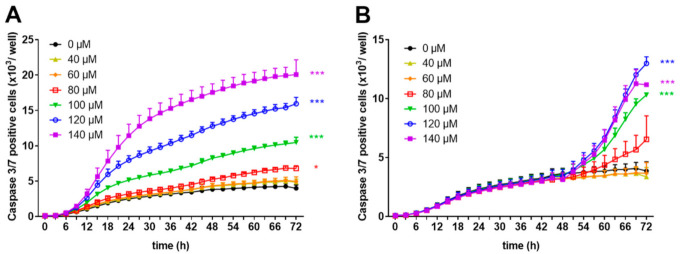
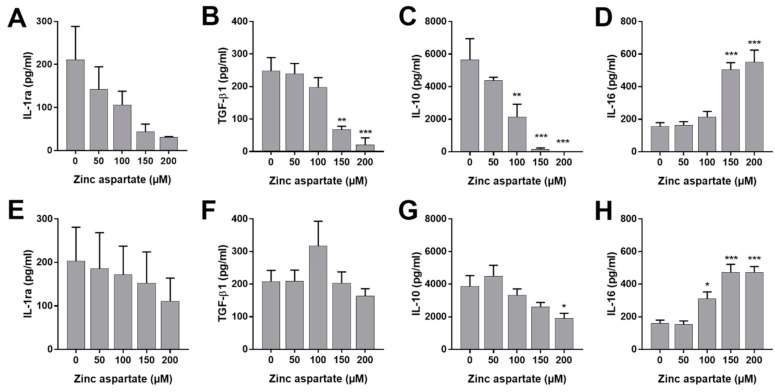
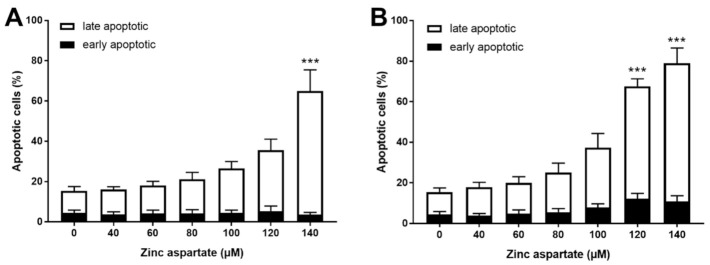
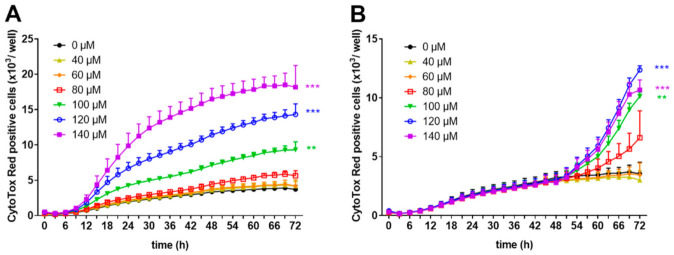
T cell activation mediates immunity to pathogens. On the flipside, T cells are also involved in pathological immune responses during chronic autoimmune diseases. We recently reported that zinc aspartate, a registered drug with high bioavailability, dose-dependently inhibits T cell activation and Th1/Th2/Th17 cytokine production of stimulated human and mouse T cells. To understand the suppressive effect of zinc on T cell function, we here investigated the influence of zinc aspartate on human T cells focusing on the secretion of immunosuppressive cytokines, induction of apoptosis, and caspase 3/7 activity. To this end, we monitored either freshly stimulated or pre-activated human T cells in the presence of zinc aspartate from 40-140 µM over a period of 72 h. Under both experimental conditions, we observed a dose-dependent suppression of human T cell proliferation. While IL-1ra, latent TGF-β1, and IL-10 were dose-dependently reduced, we, unexpectedly, detected elevated levels of IL-16 upon zinc supplementation. In addition, the number of cells with active caspase 3/7 and, consecutively, the amount of cells undergoing apoptosis, steadily increased at zinc aspartate concentrations exceeding 100 µM. Taken together, our findings suggest that zinc aspartate impairs T cell fitness and might be beneficial for the treatment of T cell-mediated autoimmune diseases.
T细胞活化介导对病原体的免疫。另一方面,T细胞也参与慢性自身免疫性疾病期间的病理性免疫反应。我们最近报道,天冬氨酸锌作为一种具有高生物利用度的注册药物,可剂量依赖性地抑制人源和鼠源T细胞的活化以及刺激后T细胞产生Th1/Th2/Th17细胞因子。为了解锌对T细胞功能的抑制作用,我们在此研究了天冬氨酸锌对人T细胞的影响,重点关注免疫抑制细胞因子的分泌、细胞凋亡的诱导以及半胱天冬酶3/7的活性。为此,我们在72小时内监测了在40 - 140µM天冬氨酸锌存在下新鲜刺激的或预先激活的人T细胞。在这两种实验条件下,我们均观察到天冬氨酸锌对人T细胞增殖的剂量依赖性抑制。虽然白细胞介素 - 1受体拮抗剂(IL - 1ra)、潜伏性转化生长因子 - β1(latent TGF - β1)和白细胞介素 - 10(IL - 10)呈剂量依赖性减少,但出乎意料的是,补充锌后我们检测到白细胞介素 - 16(IL - 16)水平升高。此外,在天冬氨酸锌浓度超过100µM时,具有活性半胱天冬酶3/7的细胞数量以及随后发生凋亡的细胞数量稳步增加。综上所述,我们的研究结果表明天冬氨酸锌会损害T细胞健康,可能对治疗T细胞介导的自身免疫性疾病有益。