Clinic of Gastroenterology, City Hospital Magdeburg GmbH, 39130 Magdeburg, Germany.
Medical Faculty, Institute of Molecular and Clinical Immunology, Otto-von-Guericke-University, 39120 Magdeburg, Germany.
Nutrients. 2021 Nov 10;13(11):4011. doi: 10.3390/nu13114011.
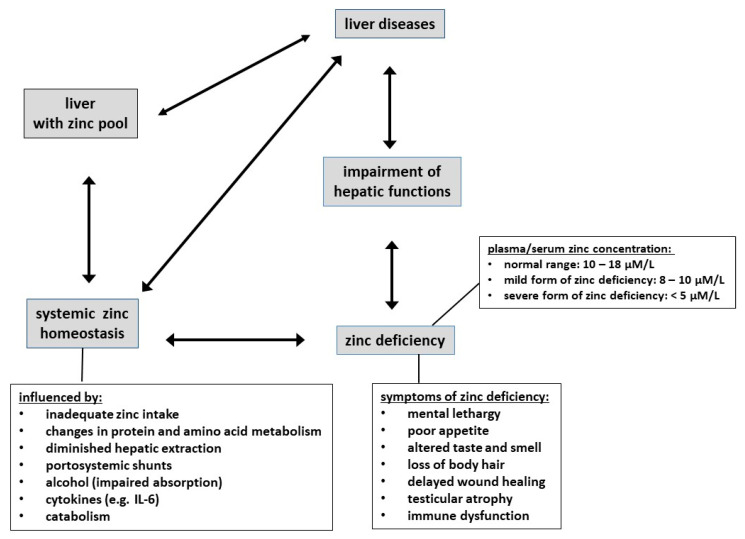
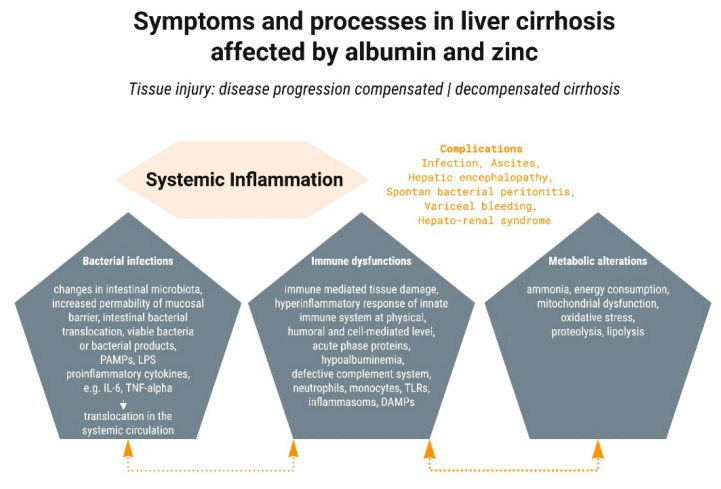
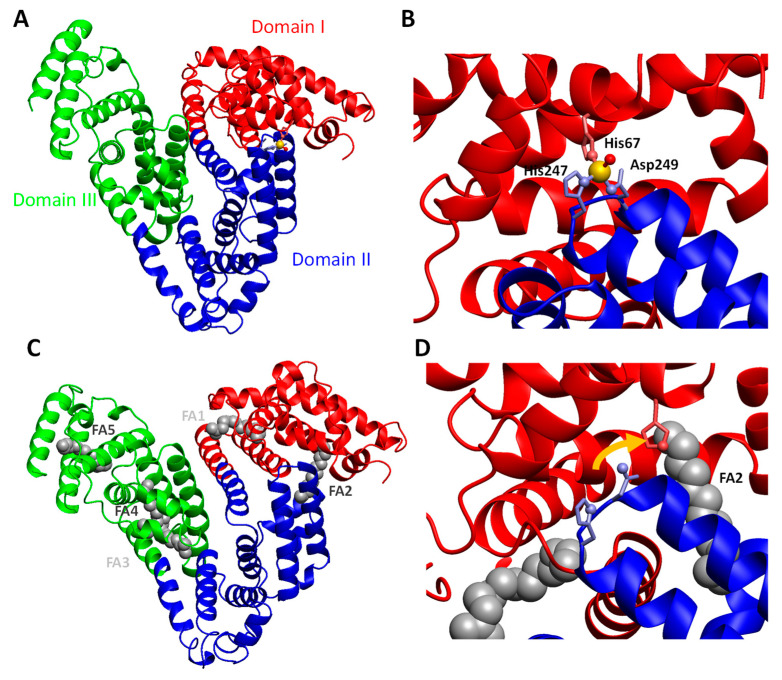
Decompensated liver cirrhosis has a dismal prognosis, with patients surviving on average for 2-4 years after the first diagnosis of ascites. Albumin is an important tool in the therapy of cirrhotic ascites. By virtue of its oncotic properties, it reduces the risk of cardiovascular dysfunction after paracentesis. Treatment with albumin also counteracts the development of hepatorenal syndrome and spontaneous bacterial peritonitis. More recently, the positive impact of long-term albumin supplementation in liver disease, based on its pleiotropic non-oncotic activities, has been recognized. These include transport of endo- and exogenous substances, anti-inflammatory, antioxidant and immunomodulatory activities, and stabilizing effects on the endothelium. Besides the growing recognition that effective albumin therapy requires adjustment of the plasma level to normal physiological values, the search for substances with adjuvant activities is becoming increasingly important. More than 75% of patients with decompensated liver cirrhosis do not only present with hypoalbuminemia but also with zinc deficiency. There is a close relationship between albumin and the essential trace element zinc. First and foremost, albumin is the main carrier of zinc in plasma, and is hence critical for systemic distribution of zinc. In this review, we discuss important functions of albumin in the context of metabolic, immunological, oxidative, transport, and distribution processes, alongside crucial functions and effects of zinc and their mutual dependencies. In particular, we focus on the major role of chronic inflammatory processes in pathogenesis and progression of liver cirrhosis and how albumin therapy and zinc supplementation may affect these processes.
失代偿期肝硬化预后不良,患者在首次诊断腹水后平均存活 2-4 年。白蛋白是肝硬化腹水治疗的重要工具。由于其胶体特性,它降低了腹水穿刺后心血管功能障碍的风险。白蛋白治疗还可以对抗肝肾综合征和自发性细菌性腹膜炎的发展。最近,基于其多效非胶体活性,已认识到长期白蛋白补充对肝脏疾病的积极影响。这些包括内源性和外源性物质的转运、抗炎、抗氧化和免疫调节作用,以及对内皮的稳定作用。除了越来越认识到有效的白蛋白治疗需要将血浆水平调整到正常生理值之外,寻找具有辅助作用的物质也变得越来越重要。超过 75%的失代偿性肝硬化患者不仅存在低白蛋白血症,而且还存在锌缺乏症。白蛋白和必需微量元素锌之间存在密切关系。首先,白蛋白是血浆中锌的主要载体,因此对锌的全身分布至关重要。在这篇综述中,我们讨论了白蛋白在代谢、免疫、氧化、转运和分布过程中的重要功能,以及锌的关键功能和作用及其相互依存关系。特别是,我们关注慢性炎症过程在肝硬化发病机制和进展中的主要作用,以及白蛋白治疗和锌补充如何影响这些过程。