Departamento de Medio Ambiente y Agronomía, INIA, Carretera de A Coruña km 7.5, 28040 Madrid, Spain.
Biosensors (Basel). 2021 Mar 13;11(3):79. doi: 10.3390/bios11030079.
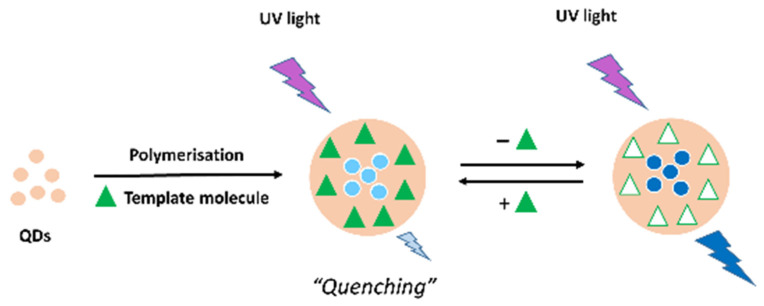
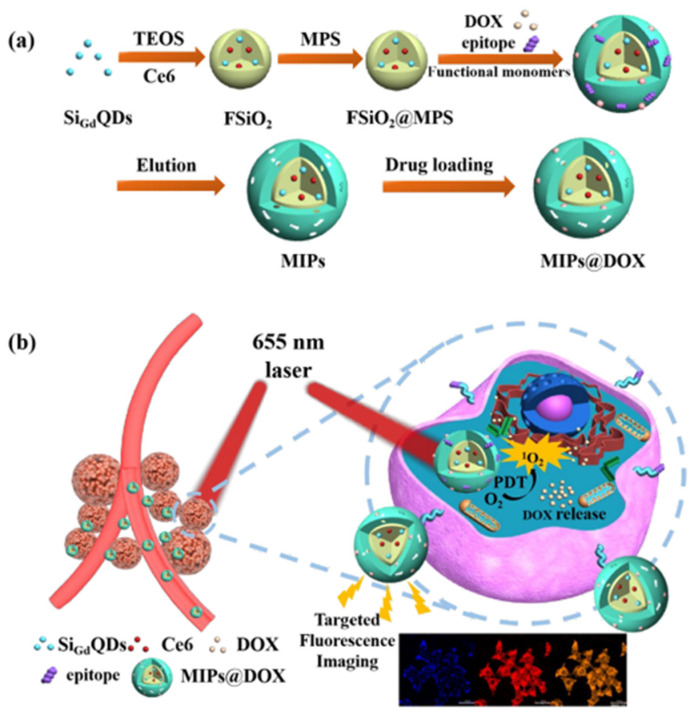
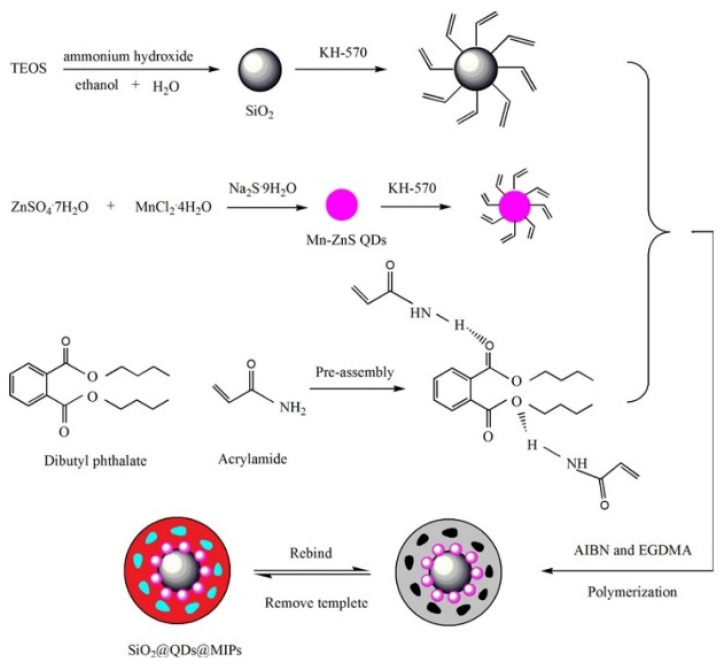
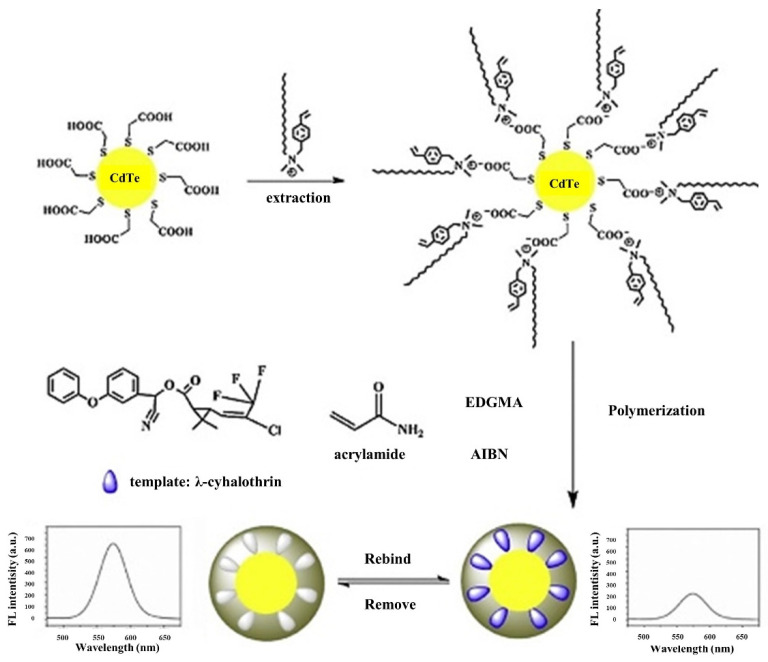
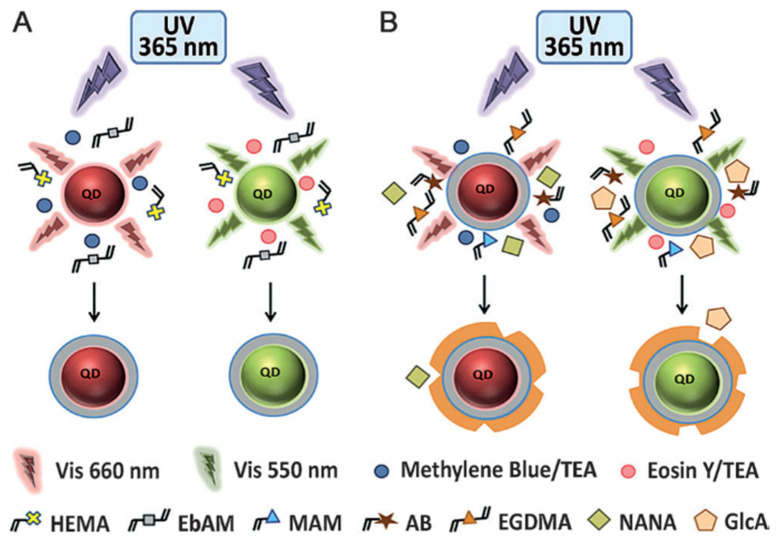
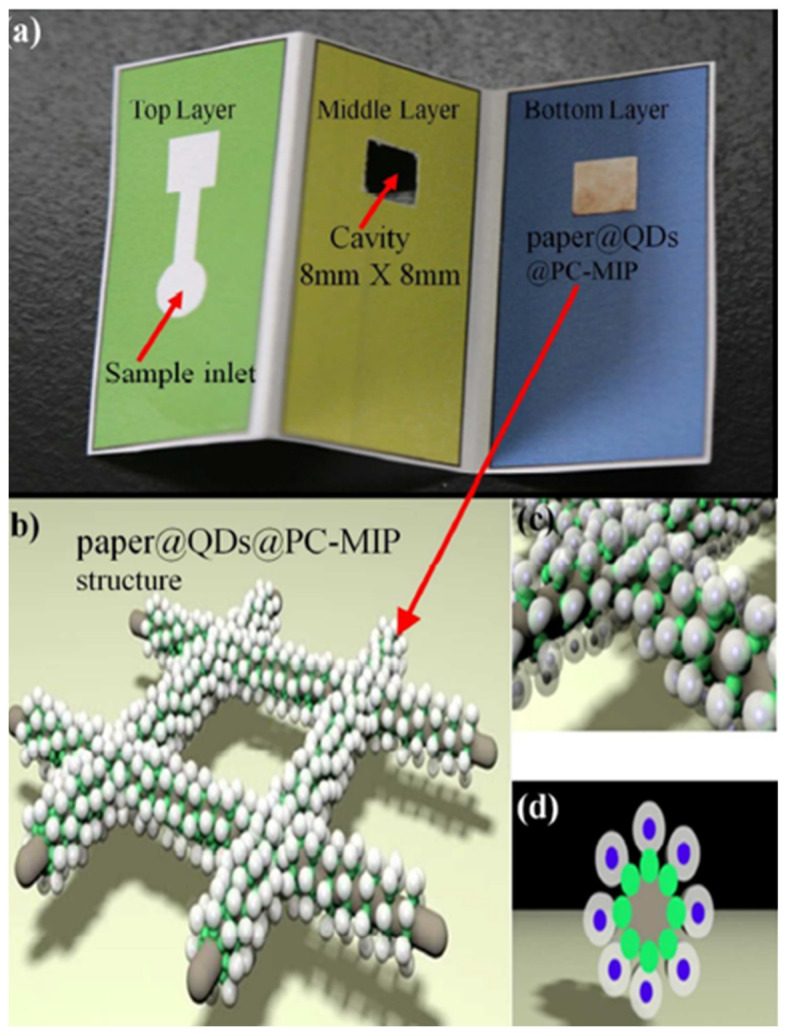
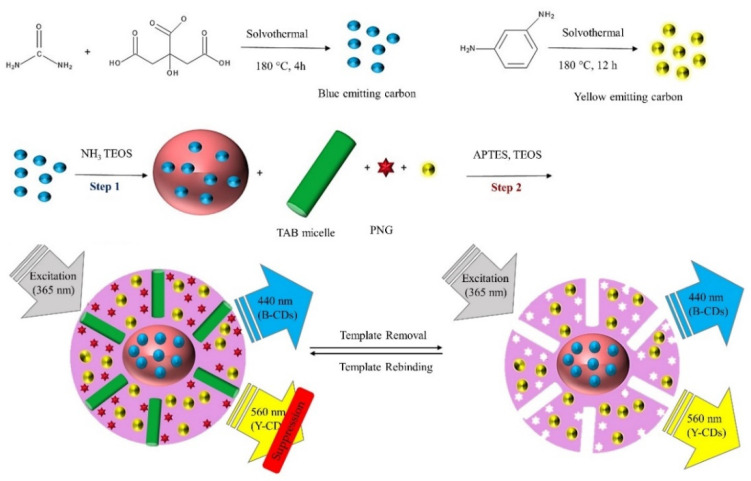
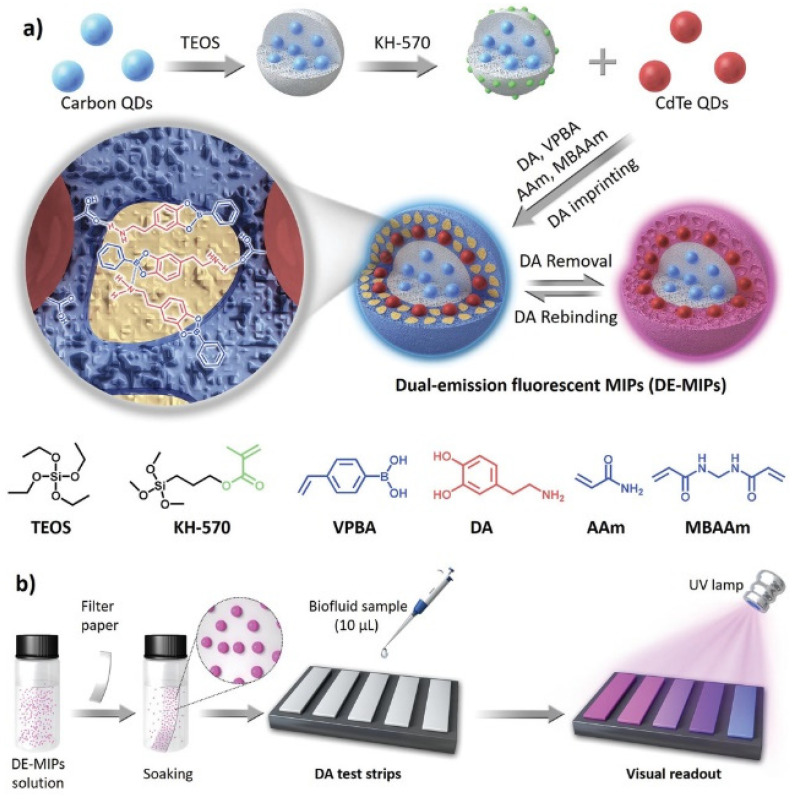
In the last decades analytical methods have focused on the determination of target analytes at very low concentration levels. This has been accomplished through the use of traditional analytical methods that usually require high reagent consumption, expensive equipment and long pretreatment steps. Thus, there is a demand for simple, rapid, highly selective and user-friendly detection procedures. Quantum dots (QDs) are semiconductor fluorescent nanomaterials with unique optoelectronic properties that have shown great potential for the development of fluorescence probes. Besides, the combination of QDs with molecularly imprinted polymer (MIPs), synthetic materials with selective recognition, have been proposed as useful materials in the development of optical sensors. The resulting MIP-QDs optical sensors integrate the advantages of both techniques: the high sensitivity of QDs-based fluorescence sensors and the high selectivity of MIPs. This review gives a brief overview of the strategies for the synthesis of MIPs-QDs based optical sensors, highlighting the modifications in the synthesis procedure that improve the sensor performance. Finally, a revision of recent applications in sensing and bioimaging is presented.
在过去的几十年中,分析方法一直侧重于测定极低浓度水平的目标分析物。这是通过使用通常需要高试剂消耗、昂贵设备和长预处理步骤的传统分析方法来实现的。因此,人们需要简单、快速、高选择性和用户友好的检测程序。量子点 (QD) 是具有独特光电特性的半导体荧光纳米材料,在荧光探针的开发方面显示出巨大的潜力。此外,将量子点与分子印迹聚合物 (MIP) 相结合,这种具有选择性识别的合成材料已被提议作为开发光学传感器的有用材料。由此产生的 MIP-QD 光学传感器结合了两种技术的优势:基于 QD 的荧光传感器的高灵敏度和 MIP 的高选择性。本综述简要概述了基于 MIP-QD 的光学传感器的合成策略,重点介绍了改进传感器性能的合成程序修改。最后,介绍了传感和生物成像领域的最新应用。