Kozar Ines, Philippidou Demetra, Margue Christiane, Gay Lauren A, Renne Rolf, Kreis Stephanie
Department of Life Sciences and Medicine, University of Luxembourg, 6, Avenue du Swing, L-4367 Belvaux, Luxembourg.
Department of Molecular Genetics and Microbiology, University of Florida, 1200 Newell Drive, Gainesville, FL 32610, USA.
Cancers (Basel). 2021 Mar 4;13(5):1096. doi: 10.3390/cancers13051096.
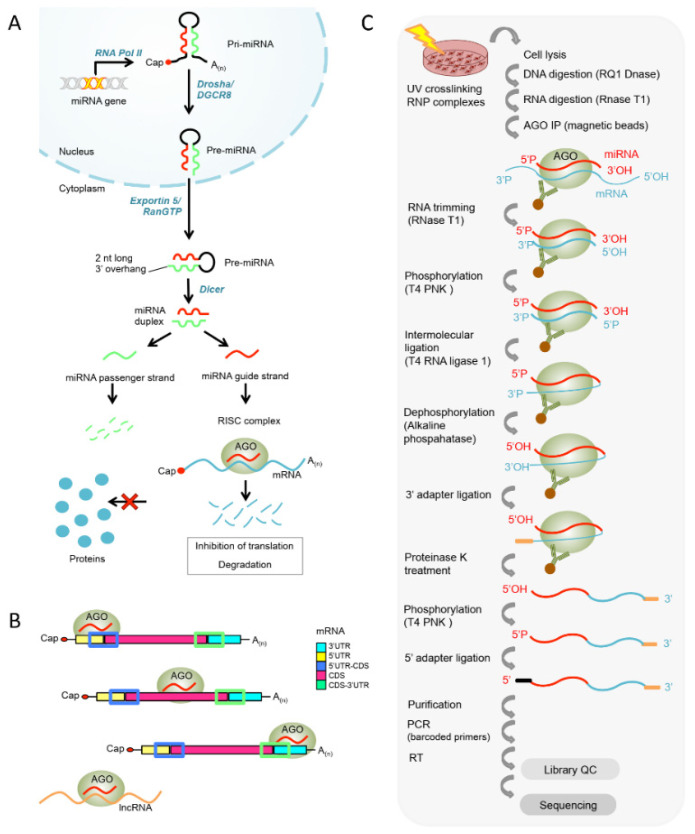
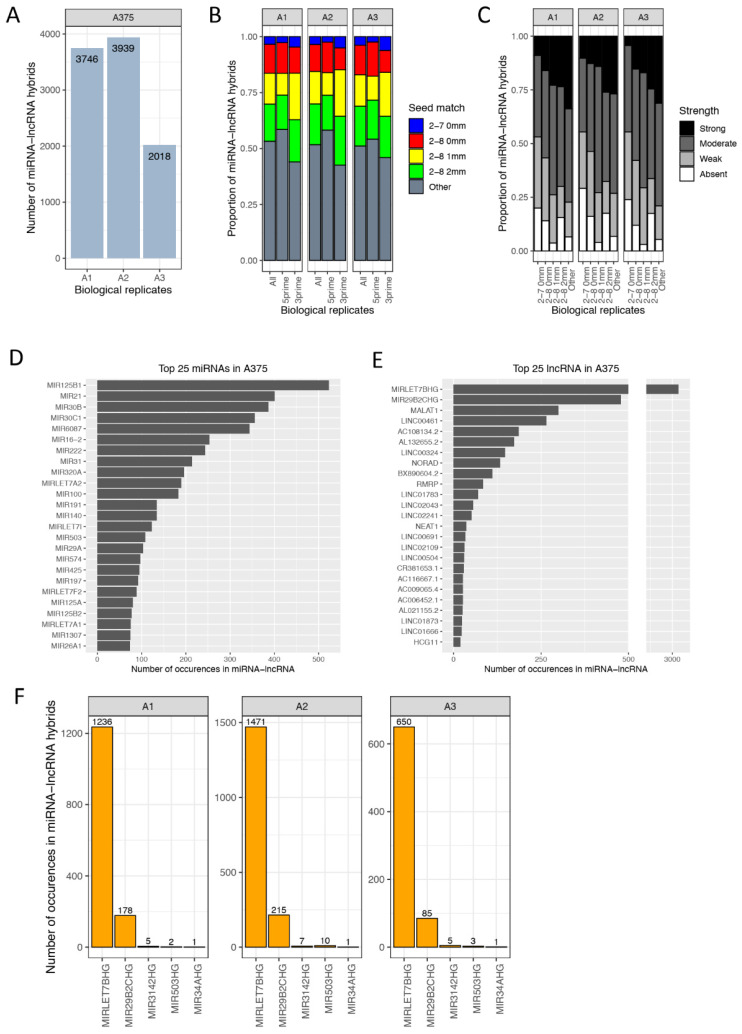
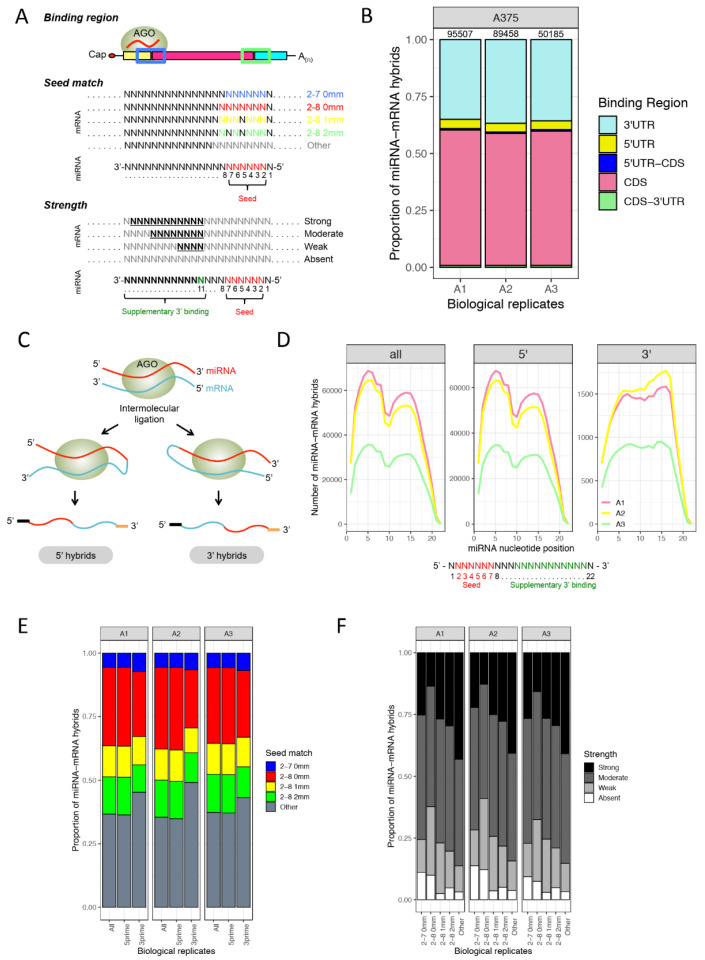
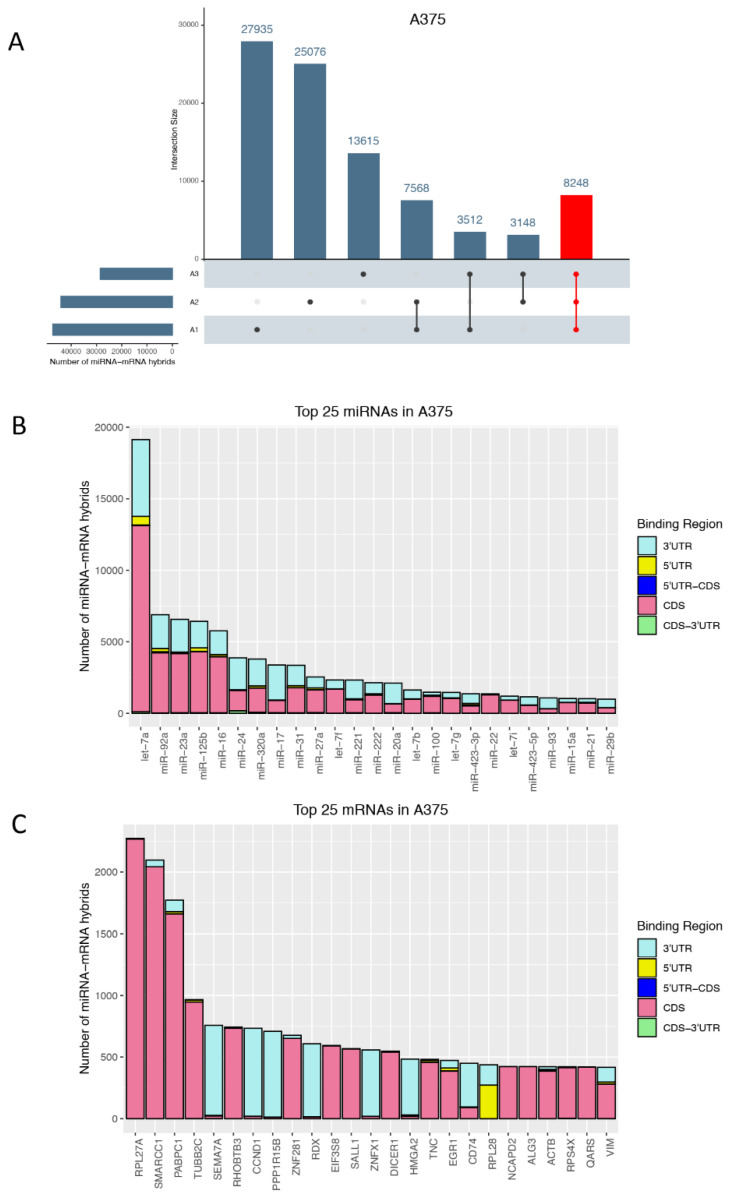
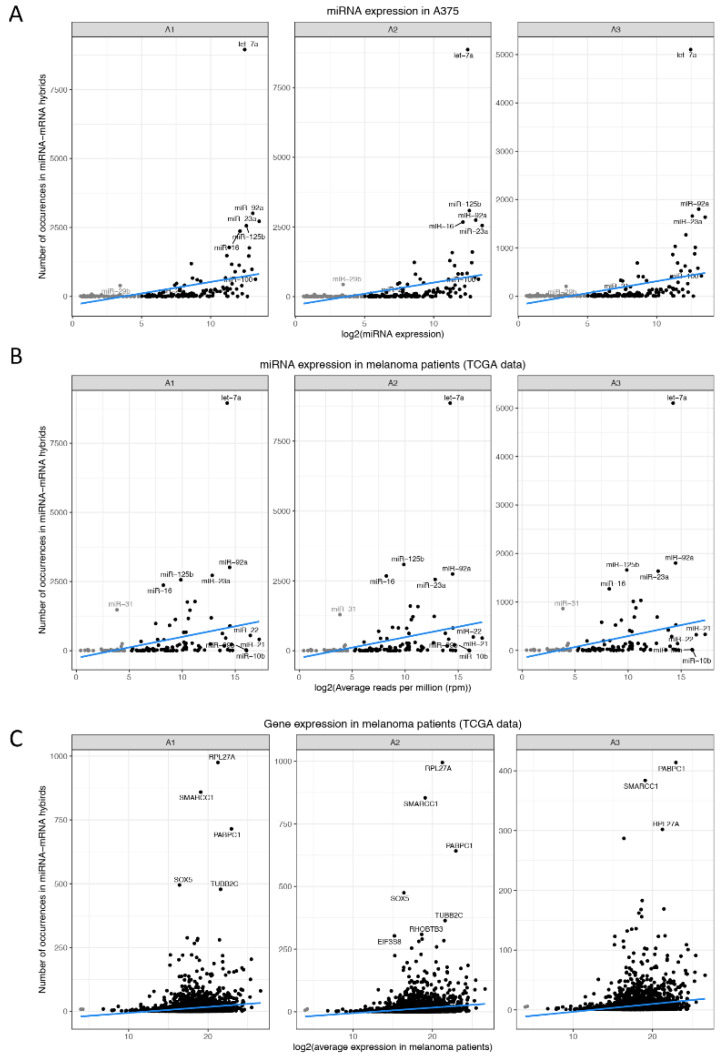
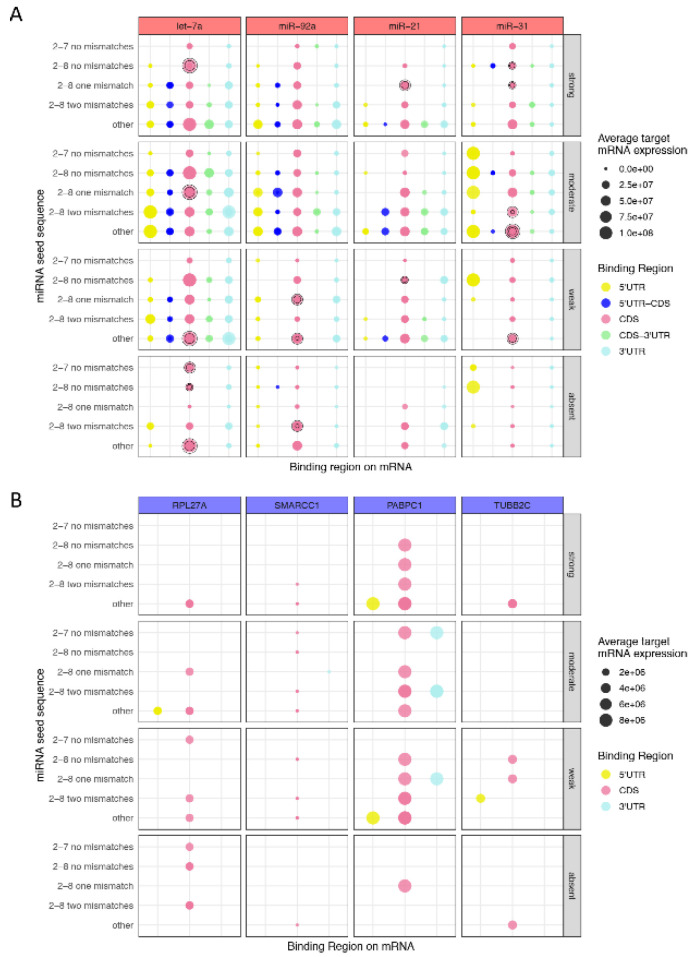
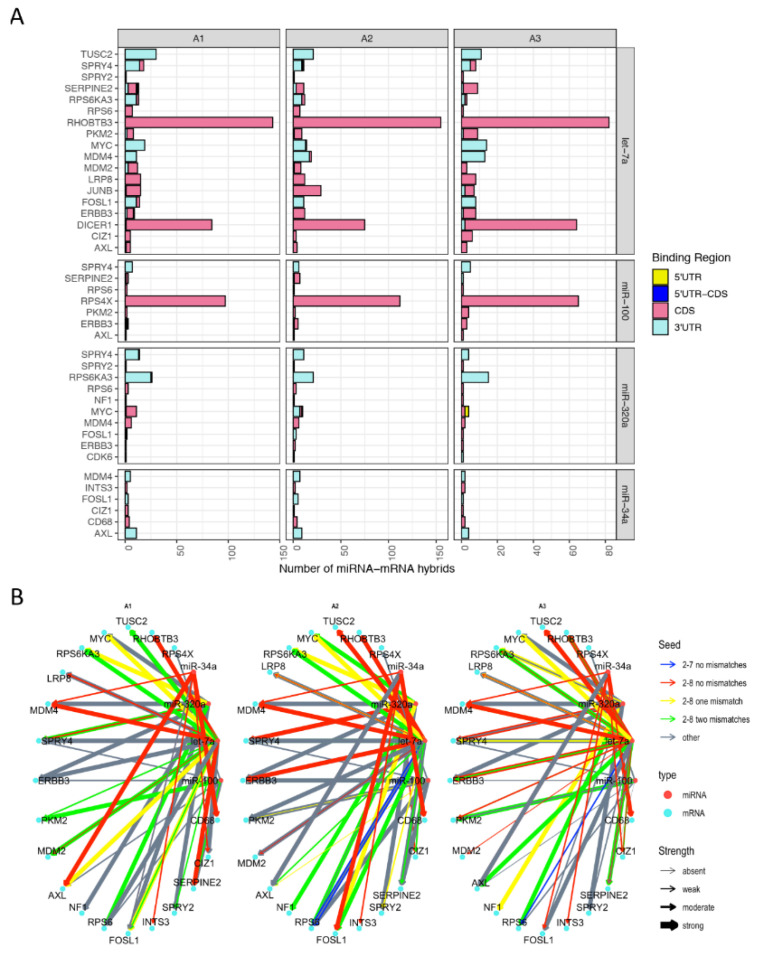
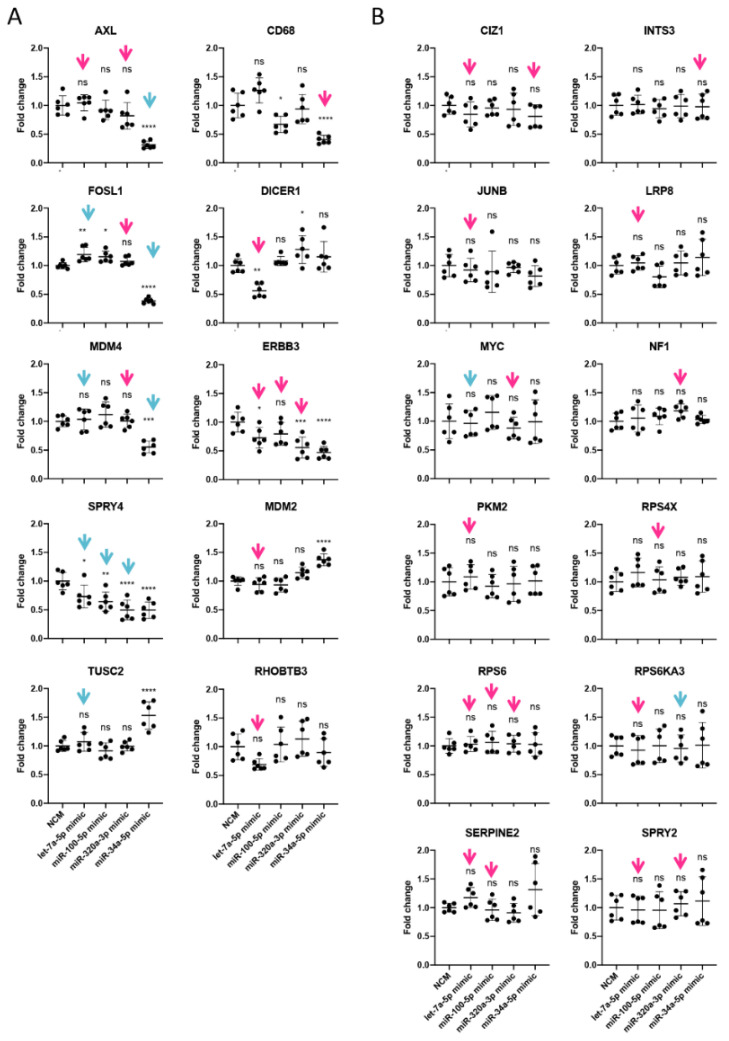
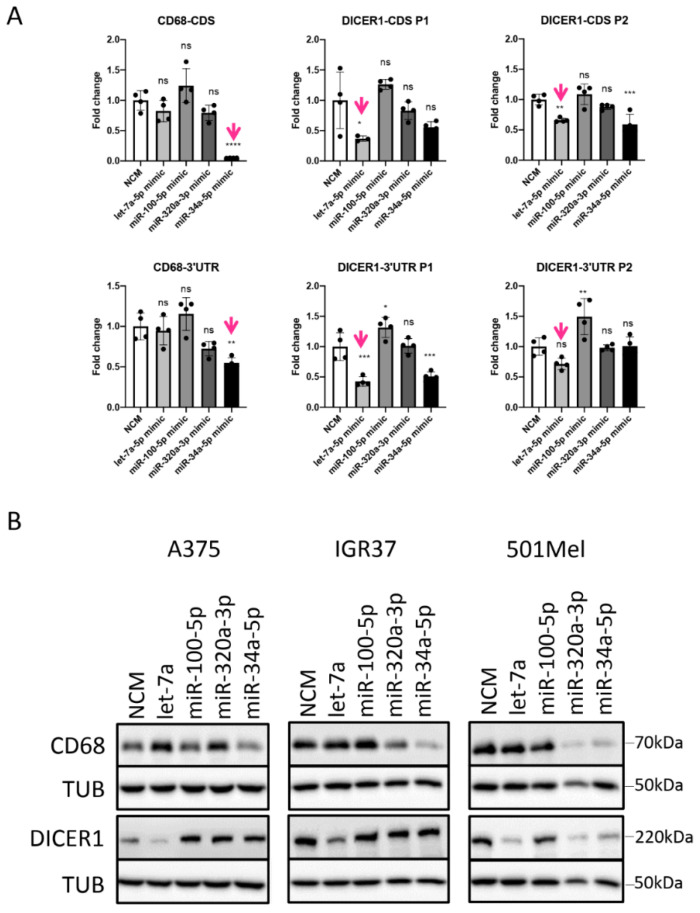
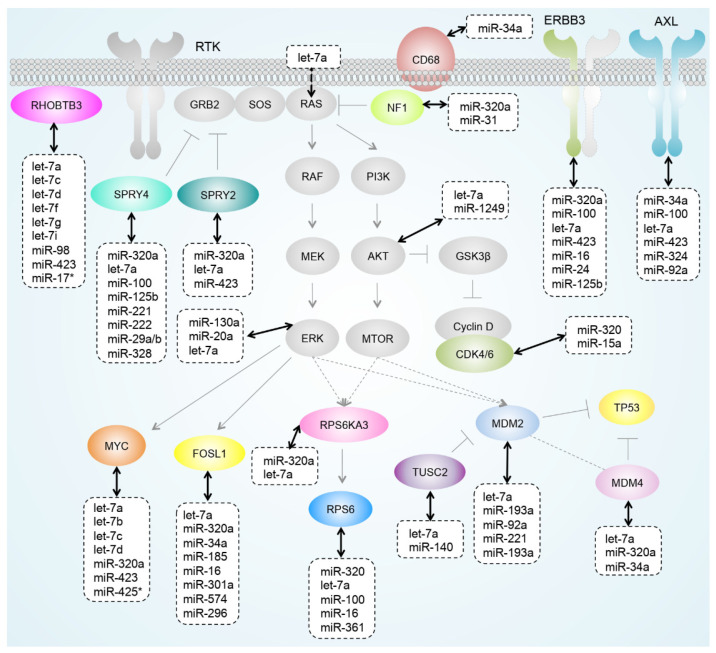
MicroRNAs are key post-transcriptional gene regulators often displaying aberrant expression patterns in cancer. As microRNAs are promising disease-associated biomarkers and modulators of responsiveness to anti-cancer therapies, a solid understanding of their targetome is crucial. Despite enormous research efforts, the success rates of available tools to reliably predict microRNAs (miRNA)-target interactions remains limited. To investigate the disease-associated miRNA targetome, we have applied modified cross-linking ligation and sequencing of hybrids (qCLASH) to BRAF-mutant melanoma cells. The resulting RNA-RNA hybrid molecules provide a comprehensive and unbiased snapshot of direct miRNA-target interactions. The regulatory effects on selected miRNA target genes in predicted vs. non-predicted binding regions was validated by miRNA mimic experiments. Most miRNA-target interactions deviate from the central dogma of miRNA targeting up to 60% interactions occur via non-canonical seed pairing with a strong contribution of the 3' miRNA sequence, and over 50% display a clear bias towards the coding sequence of mRNAs. miRNAs targeting the coding sequence can directly reduce gene expression (miR-34a/CD68), while the majority of non-canonical miRNA interactions appear to have roles beyond target gene suppression (miR-100/AXL). Additionally, non-mRNA targets of miRNAs (lncRNAs) whose interactions mainly occur via non-canonical binding were identified in melanoma. This first application of CLASH sequencing to cancer cells identified over 8 K distinct miRNA-target interactions in melanoma cells. Our data highlight the importance non-canonical interactions, revealing further layers of complexity of post-transcriptional gene regulation in melanoma, thus expanding the pool of miRNA-target interactions, which have so far been omitted in the cancer field.
微小RNA是关键的转录后基因调节因子,在癌症中常表现出异常的表达模式。由于微小RNA是很有前景的疾病相关生物标志物以及抗癌治疗反应的调节因子,因此深入了解它们的靶标组至关重要。尽管进行了大量研究,但可靠预测微小RNA(miRNA)-靶标相互作用的现有工具的成功率仍然有限。为了研究与疾病相关的miRNA靶标组,我们将改良的杂交交联连接和测序(qCLASH)应用于BRAF突变的黑色素瘤细胞。由此产生的RNA-RNA杂交分子提供了直接miRNA-靶标相互作用的全面且无偏差的概况。通过miRNA模拟实验验证了对预测和非预测结合区域中选定miRNA靶基因的调节作用。大多数miRNA-靶标相互作用偏离了miRNA靶向的中心法则,高达60%的相互作用通过非经典种子配对发生,3'miRNA序列起了很大作用,超过50%的相互作用对mRNA的编码序列有明显偏好。靶向编码序列的miRNA可以直接降低基因表达(miR-34a/CD68),而大多数非经典miRNA相互作用似乎具有超出靶基因抑制的作用(miR-100/AXL)。此外,在黑色素瘤中还鉴定出了miRNA的非mRNA靶标(lncRNA),其相互作用主要通过非经典结合发生。CLASH测序首次应用于癌细胞,在黑色素瘤细胞中鉴定出超过8K种不同的miRNA-靶标相互作用。我们的数据突出了非经典相互作用的重要性,揭示了黑色素瘤转录后基因调控的进一步复杂层面,从而扩大了迄今为止在癌症领域被忽视的miRNA-靶标相互作用库。