Alqarni Mohammed Hamed, Foudah Ahmed Ibrahim, Muharram Magdy Mohamed, Labrou Nikolaos E
Department of Pharmacognosy, College of Pharmacy, Prince Sattam Bin Abdulaziz University, Alkharj 11942, Saudi Arabia.
Department of Pharmaceutics, College of Pharmacy, Prince Sattam Bin Abdulaziz University, Alkharj 11942, Saudi Arabia.
Metabolites. 2021 Mar 23;11(3):190. doi: 10.3390/metabo11030190.
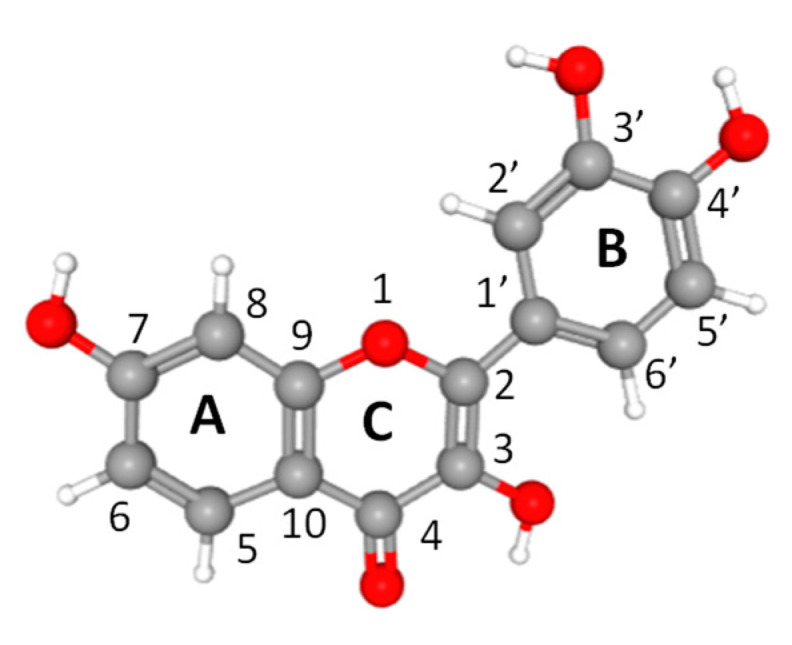
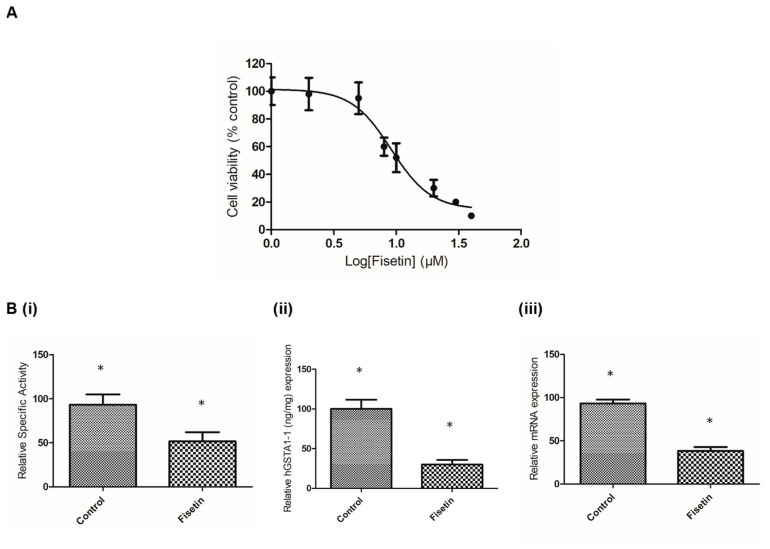
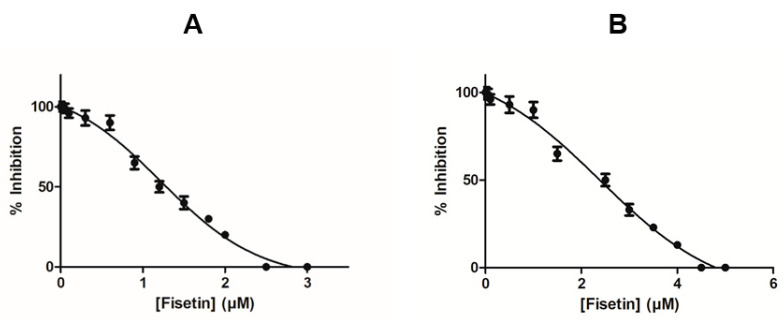
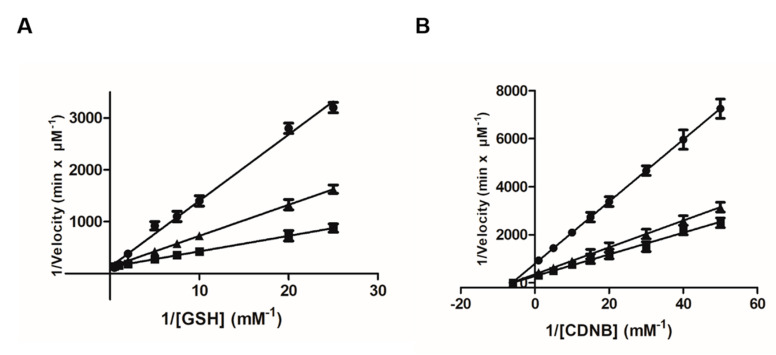
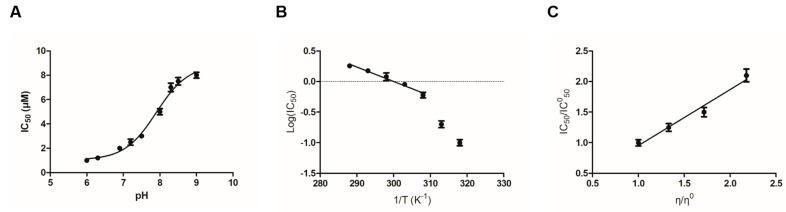
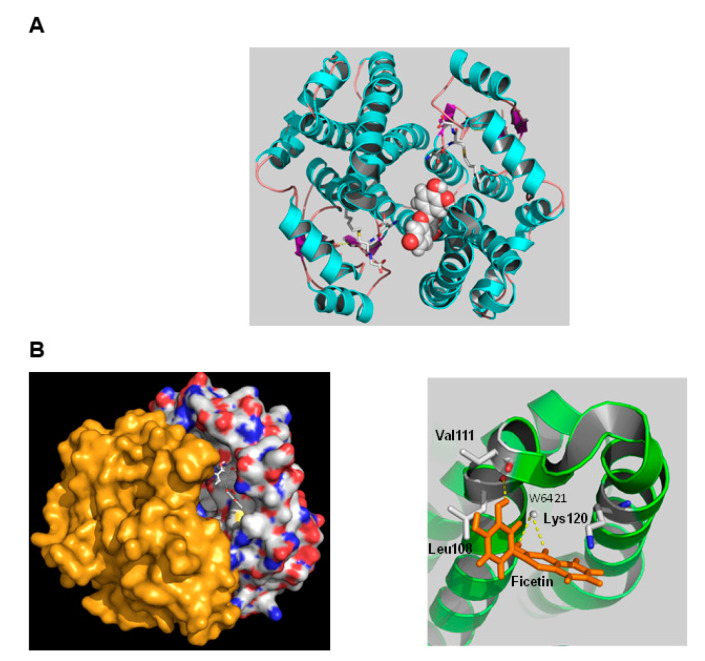
Glutathione transferases (GSTs) are a family of Phase II detoxification enzymes that are involved in the development of the multidrug resistance (MDR) mechanism in cancer cells and therefore affect the clinical outcome of cancer chemotherapy. The discovery of nontoxic natural compounds as inhibitors for GSTs is a promising approach for chemosensitizing and reversing MDR. Fisetin (7,3',4'-flavon-3-ol) is a plant flavonol present in many plants and fruits. In the present work, the interaction of fisetin with human glutathione transferase A1-1 (hGSTA1-1) was investigated. Kinetic analysis revealed that fisetin is a reversible inhibitor for hGSTA1-1 with IC 1.2 ± 0.1 μΜ. It functions as a mixed-type inhibitor toward glutathione (GSH) and as a noncompetitive inhibitor toward the electrophile substrate 1-chloro-2,4-dinitrobenzene (CDNB). In silico molecular modeling and docking predicted that fisetin binds at a distinct location, in the solvent channel of the enzyme, and occupies the entrance of the substrate-binding sites. Treatment of proliferating human epithelial colorectal adenocarcinoma cells (CaCo-2) with fisetin causes a reduction in the expression of hGSTA1-1 at the mRNA and protein levels. In addition, fisetin inhibits GST activity in CaCo-2 cell crude extract with an IC (2.5 ± 0.1 μΜ), comparable to that measured using purified recombinant hGSTA1-1. These actions of fisetin can provide a synergistic role toward the suppression and chemosensitization of cancer cells. The results of the present study provide insights into the development of safe and effective GST-targeted cancer chemosensitizers.
谷胱甘肽转移酶(GSTs)是一类Ⅱ相解毒酶,参与癌细胞多药耐药(MDR)机制的形成,从而影响癌症化疗的临床疗效。发现无毒天然化合物作为GSTs的抑制剂是一种有前景的化疗增敏和逆转MDR的方法。漆黄素(7,3',4'-黄酮-3-醇)是一种存在于许多植物和水果中的植物黄酮醇。在本研究中,研究了漆黄素与人谷胱甘肽转移酶A1-1(hGSTA1-1)的相互作用。动力学分析表明,漆黄素是hGSTA1-1的可逆抑制剂,IC为1.2±0.1μM。它对谷胱甘肽(GSH)起混合型抑制剂的作用,对亲电底物1-氯-2,4-二硝基苯(CDNB)起非竞争性抑制剂的作用。计算机模拟分子建模和对接预测,漆黄素结合在酶的溶剂通道中的一个独特位置,并占据底物结合位点的入口。用漆黄素处理增殖的人上皮结肠腺癌细胞(CaCo-2)会导致hGSTA1-1在mRNA和蛋白质水平上的表达降低。此外,漆黄素抑制CaCo-2细胞粗提物中的GST活性,IC为(2.5±0.1μM),与使用纯化的重组hGSTA1-1测得的结果相当。漆黄素的这些作用可为癌细胞的抑制和化疗增敏提供协同作用。本研究结果为开发安全有效的靶向GST的癌症化疗增敏剂提供了见解。