From the, Mayo Clinic Robert and Arlene Kogod Center on Aging, Rochester, MN, USA.
J Intern Med. 2020 Nov;288(5):518-536. doi: 10.1111/joim.13141. Epub 2020 Aug 4.
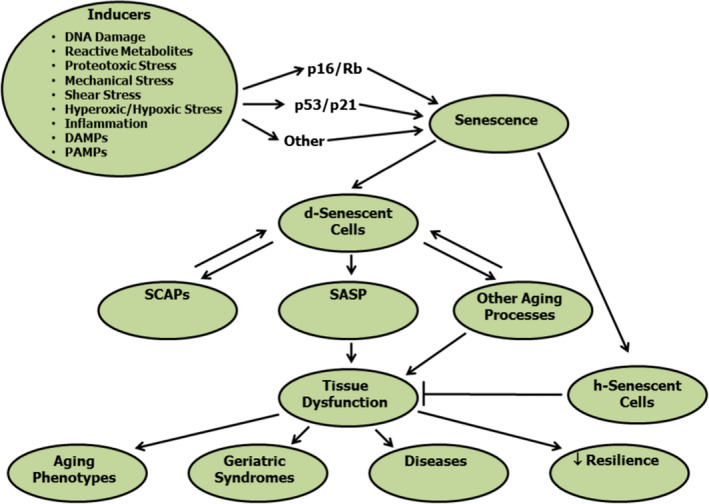
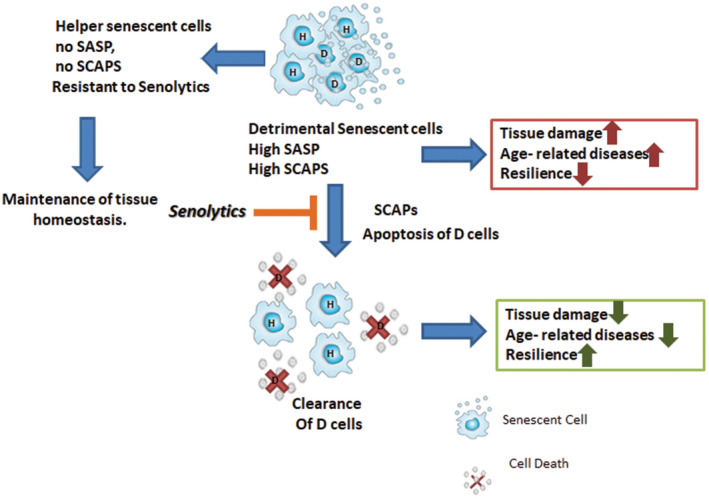
Senolytics are a class of drugs that selectively clear senescent cells (SC). The first senolytic drugs Dasatinib, Quercetin, Fisetin and Navitoclax were discovered using a hypothesis-driven approach. SC accumulate with ageing and at causal sites of multiple chronic disorders, including diseases accounting for the bulk of morbidity, mortality and health expenditures. The most deleterious SC are resistant to apoptosis and have up-regulation of anti-apoptotic pathways which defend SC against their own inflammatory senescence-associated secretory phenotype (SASP), allowing them to survive, despite killing neighbouring cells. Senolytics transiently disable these SCAPs, causing apoptosis of those SC with a tissue-destructive SASP. Because SC take weeks to reaccumulate, senolytics can be administered intermittently - a 'hit-and-run' approach. In preclinical models, senolytics delay, prevent or alleviate frailty, cancers and cardiovascular, neuropsychiatric, liver, kidney, musculoskeletal, lung, eye, haematological, metabolic and skin disorders as well as complications of organ transplantation, radiation and cancer treatment. As anticipated for agents targeting the fundamental ageing mechanisms that are 'root cause' contributors to multiple disorders, potential uses of senolytics are protean, potentially alleviating over 40 conditions in preclinical studies, opening a new route for treating age-related dysfunction and diseases. Early pilot trials of senolytics suggest they decrease senescent cells, reduce inflammation and alleviate frailty in humans. Clinical trials for diabetes, idiopathic pulmonary fibrosis, Alzheimer's disease, COVID-19, osteoarthritis, osteoporosis, eye diseases and bone marrow transplant and childhood cancer survivors are underway or beginning. Until such studies are done, it is too early for senolytics to be used outside of clinical trials.
衰老细胞清除剂是一类能选择性清除衰老细胞(SCs)的药物。最初的衰老细胞清除剂达沙替尼、槲皮素、非瑟酮和 Navitoclax 是通过一种假设驱动的方法发现的。SCs 随着年龄的增长而积累,并在多种慢性疾病的因果部位积累,包括导致大部分发病率、死亡率和卫生支出的疾病。最具危害性的SCs 对细胞凋亡有抗性,并上调抗凋亡途径,这些途径保护SCs 免受自身炎症性衰老相关分泌表型(SASP)的影响,使它们能够存活,尽管它们杀死了邻近的细胞。衰老细胞清除剂会暂时使这些 SCAPs 失活,导致具有组织破坏性 SASP 的SCs 凋亡。由于SCs 需要数周时间才能重新积累,因此可以间歇性地给予衰老细胞清除剂——一种“打了就跑”的方法。在临床前模型中,衰老细胞清除剂可延缓、预防或缓解虚弱、癌症和心血管、神经精神、肝脏、肾脏、肌肉骨骼、肺部、眼睛、血液、代谢和皮肤疾病以及器官移植、辐射和癌症治疗的并发症。由于衰老细胞清除剂针对的是导致多种疾病的“根本原因”的基本衰老机制,因此预计其潜在用途是多种多样的,在临床前研究中可能缓解 40 多种疾病,为治疗与年龄相关的功能障碍和疾病开辟了新途径。衰老细胞清除剂的早期试点试验表明,它们可以减少衰老细胞、减轻炎症和缓解人类的虚弱。正在进行或即将开始针对糖尿病、特发性肺纤维化、阿尔茨海默病、COVID-19、骨关节炎、骨质疏松症、眼部疾病和骨髓移植以及儿童癌症幸存者的衰老细胞清除剂临床试验。在进行这些研究之前,衰老细胞清除剂在临床试验之外使用还为时过早。