Wang Pengfei
Department of Chemistry, University of Alabama at Birmingham, Birmingham, AL 35294, USA.
Vaccines (Basel). 2021 Mar 5;9(3):222. doi: 10.3390/vaccines9030222.
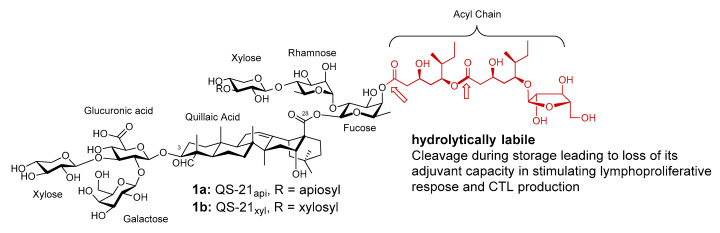
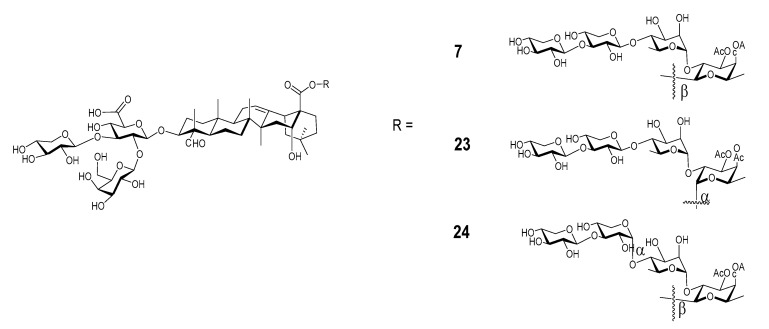
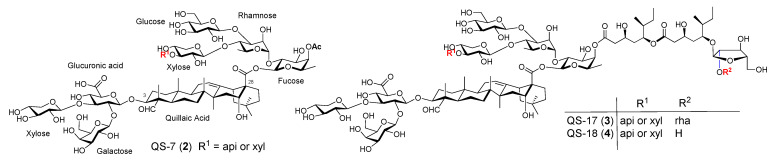
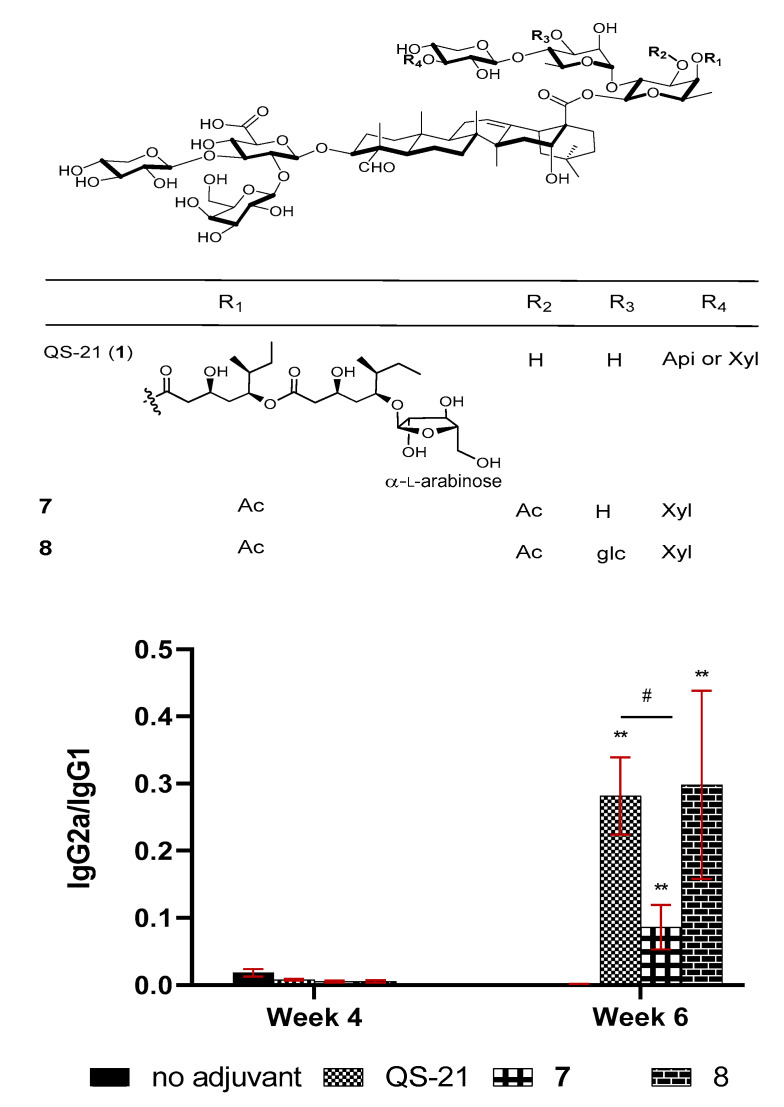
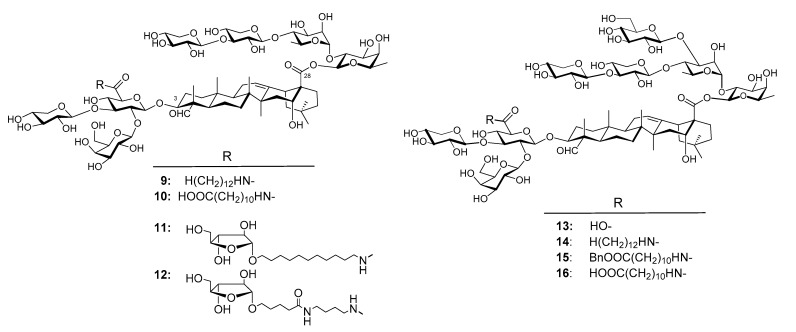
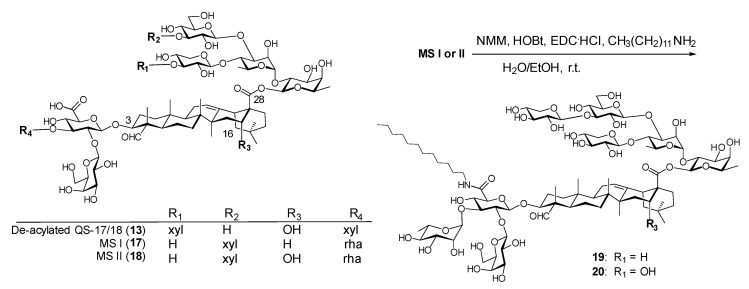
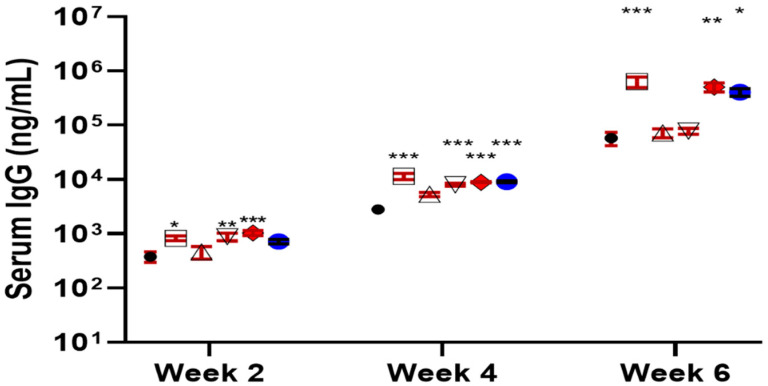
Saponin adjuvants have been extensively studied for their use in veterinary and human vaccines. Among them, QS-21 stands out owing to its unique profile of immunostimulating activity, inducing a balanced Th1/Th2 immunity, which is valuable to a broad scope of applications in combating various microbial pathogens, cancers, and other diseases. It has recently been approved for use in human vaccines as a key component of combination adjuvants, e.g., AS01b in Shingrix for herpes zoster. Despite its usefulness in research and clinic, the cellular and molecular mechanisms of QS-21 and other saponin adjuvants are poorly understood. Extensive efforts have been devoted to studies for understanding the mechanisms of QS-21 in different formulations and in different combinations with other adjuvants, and to medicinal chemistry studies for gaining mechanistic insights and development of practical alternatives to QS-21 that can circumvent its inherent drawbacks. In this review, we briefly summarize the current understandings of the mechanism underlying QS-21's adjuvanticity and the encouraging results from recent structure-activity-relationship (SAR) studies.
皂苷佐剂已在兽用和人用疫苗中得到广泛研究。其中,QS-21因其独特的免疫刺激活性而脱颖而出,能诱导平衡的Th1/Th2免疫,这对于对抗各种微生物病原体、癌症和其他疾病的广泛应用具有重要价值。最近,它已被批准作为联合佐剂的关键成分用于人用疫苗,例如用于带状疱疹疫苗Shingrix中的AS01b。尽管QS-21在研究和临床中有用,但对QS-21和其他皂苷佐剂的细胞和分子机制了解甚少。人们已投入大量精力进行研究,以了解QS-21在不同配方以及与其他佐剂不同组合中的作用机制,并开展药物化学研究以深入了解其作用机制,并开发能够规避其固有缺点的QS-21实用替代物。在本综述中,我们简要总结了目前对QS-21佐剂活性机制的理解以及近期构效关系(SAR)研究的令人鼓舞的结果。