Matysiak Anna, Kabza Michal, Karolak Justyna A, Jaworska Marcelina M, Rydzanicz Malgorzata, Ploski Rafal, Szaflik Jacek P, Gajecka Marzena
Chair and Department of Genetics and Pharmaceutical Microbiology, Poznan University of Medical Sciences, 60-781 Poznan, Poland.
Institute of Human Genetics, Polish Academy of Sciences, 60-479 Poznan, Poland.
Pathogens. 2021 Mar 30;10(4):405. doi: 10.3390/pathogens10040405.
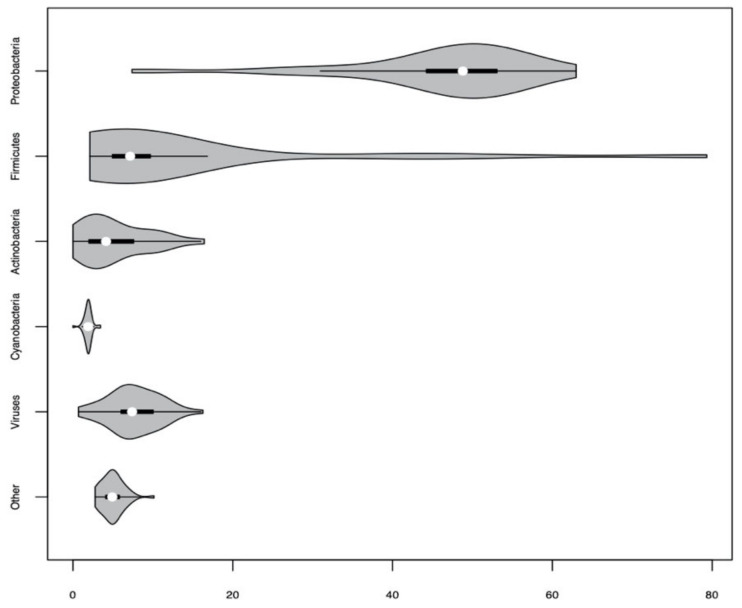
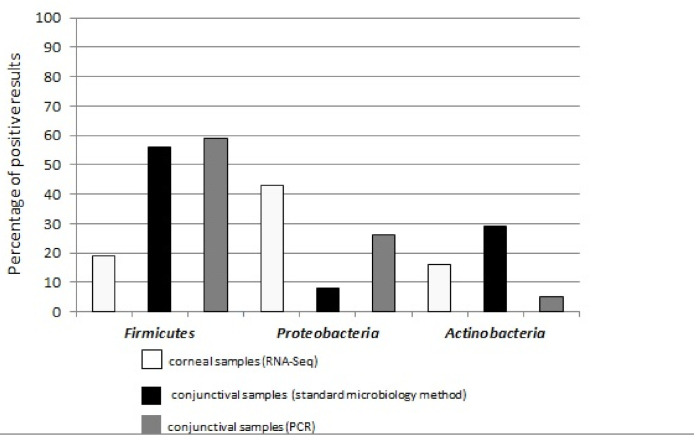
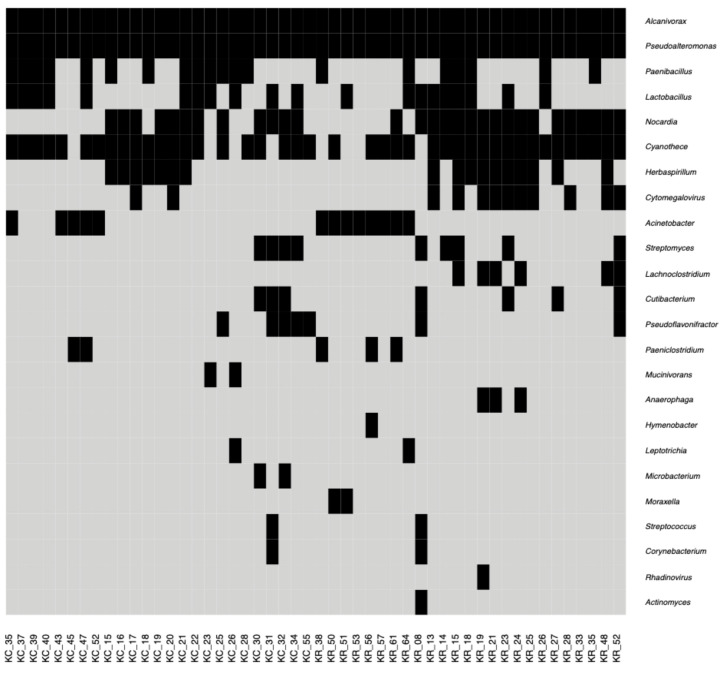
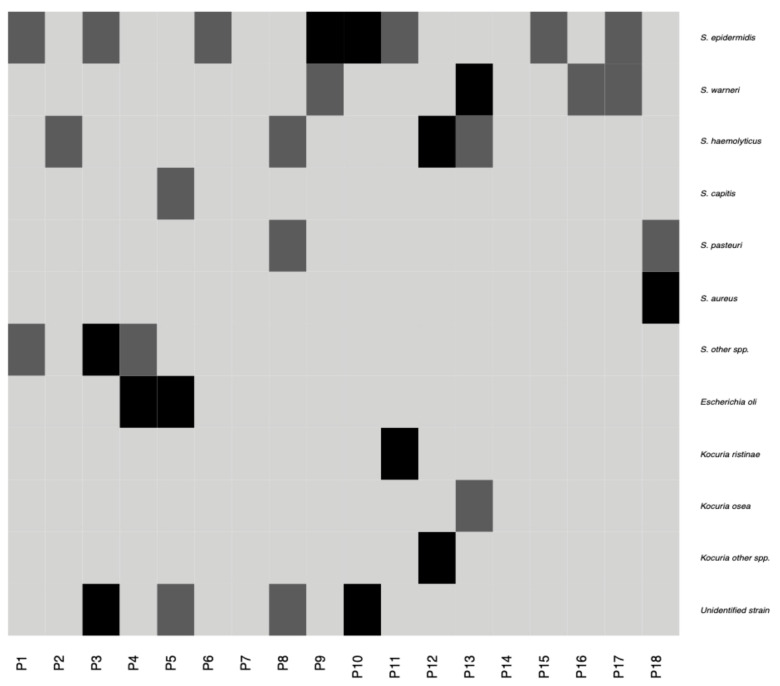
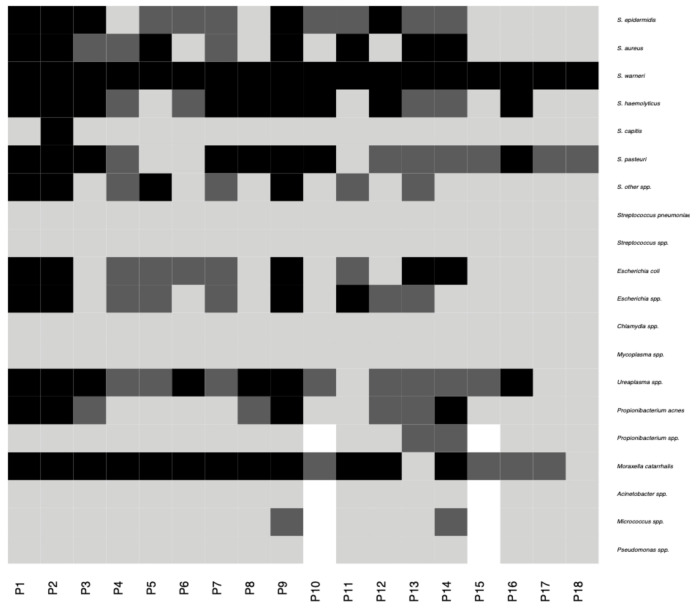
The ocular microbiome composition has only been partially characterized. Here, we used RNA-sequencing (RNA-Seq) data to assess microbial diversity in human corneal tissue. Additionally, conjunctival swab samples were examined to characterize ocular surface microbiota. Short RNA-Seq reads, obtained from a previous transcriptome study of 50 corneal tissues, were mapped to the human reference genome GRCh38 to remove sequences of human origin. The unmapped reads were then used for taxonomic classification by comparing them with known bacterial, archaeal, and viral sequences from public databases. The components of microbial communities were identified and characterized using both conventional microbiology and polymerase chain reaction (PCR) techniques in 36 conjunctival swabs. The majority of ocular samples examined by conventional and molecular techniques showed very similar microbial taxonomic profiles, with most of the microorganisms being classified into , , and phyla. Only 50% of conjunctival samples exhibited bacterial growth. The PCR detection provided a broader overview of positive results for conjunctival materials. The RNA-Seq assessment revealed significant variability of the corneal microbial communities, including fastidious bacteria and viruses. The use of the combined techniques allowed for a comprehensive characterization of the eye microbiome's elements, especially in aspects of microbiota diversity.
眼部微生物群的组成仅得到了部分表征。在此,我们使用RNA测序(RNA-Seq)数据来评估人角膜组织中的微生物多样性。此外,还对结膜拭子样本进行了检查,以表征眼表微生物群。从先前对50个角膜组织的转录组研究中获得的短RNA-Seq读数被映射到人类参考基因组GRCh38,以去除人类来源的序列。然后,通过将未映射的读数与公共数据库中已知的细菌、古菌和病毒序列进行比较,用于分类学分类。在36份结膜拭子中,使用传统微生物学和聚合酶链反应(PCR)技术对微生物群落的组成进行了鉴定和表征。通过传统和分子技术检测的大多数眼部样本显示出非常相似的微生物分类谱,大多数微生物被分类为、和门。只有50%的结膜样本显示有细菌生长。PCR检测为结膜材料的阳性结果提供了更广泛的概述。RNA-Seq评估揭示了角膜微生物群落的显著变异性,包括苛求菌和病毒。联合技术的使用使得能够全面表征眼部微生物群的成分,特别是在微生物群多样性方面。