Diabetes Research Institute, Cell Transplant Center, University of Miami Miller School of Medicine, Miami, FL 33136, USA.
Department of Systems Medicine, University of Rome "Tor Vergata", 00133 Rome, Italy.
Int J Mol Sci. 2021 Mar 19;22(6):3134. doi: 10.3390/ijms22063134.
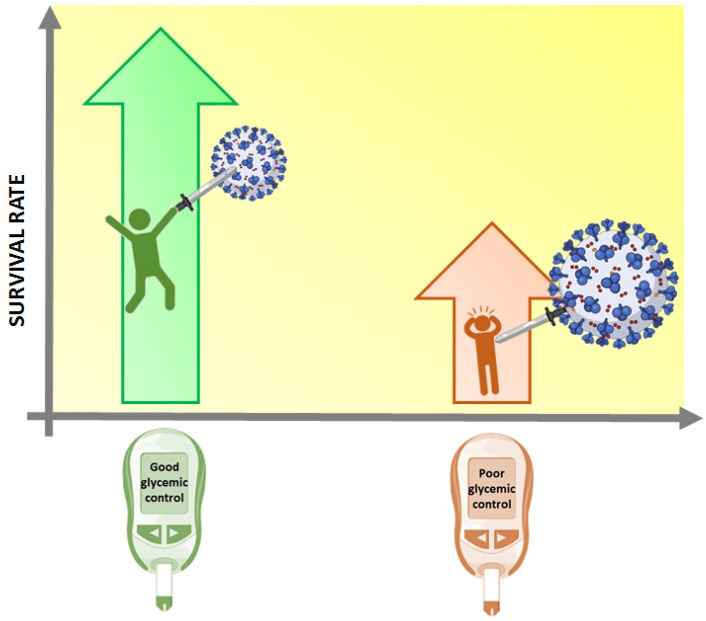
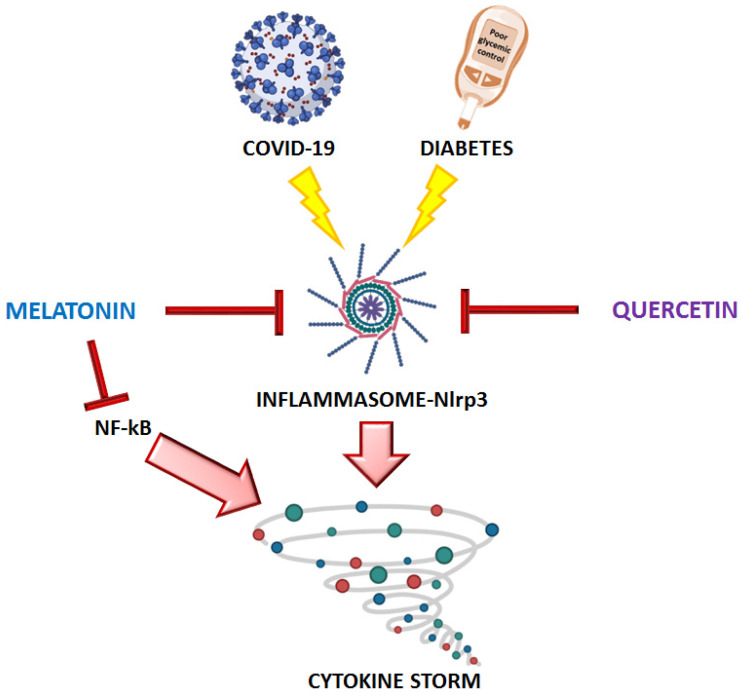
COVID-19 is without any doubt the worst pandemic we have faced since the H1N1 virus outbreak. Even if vaccination against SARS-CoV-2 infection is becoming increasingly available, a more feasible approach for COVID-19 prevention and therapy is still needed. Evidence of a pathological link between metabolic diseases and severe forms of COVID-19 has stimulated critical reflection and new considerations. In particular, an abnormal immune response observed in certain patients with SARS-CoV-2 infection suggested possible common predisposing risk factors with autoimmune diseases such as Type 1 Diabetes (T1D). Correct supplementation with dietary factors may be key to preventing and counteracting both the underlying metabolic impairment and the complications of COVID-19. A set of agents may inhibit the cytokine storm and hypercoagulability that characterize severe COVID-19 infection: vitamin D3, omega-3 polyunsaturated fatty acids, polyphenols like pterostilbene, polydatin and honokiol, which can activate anti-inflammatory and antioxidant sirtuins pathways, quercetin, vitamin C, zinc, melatonin, lactoferrin and glutathione. These agents could be highly beneficial for subjects who have altered immune responses. In this review, we discuss the antiviral and metabolic effects of these dietary factors and propose their combination for potential applications in the prevention and treatment of COVID-19. Rigorous studies will be fundamental for validating preventive and therapeutic protocols that could be of assistance to mitigate disease progression following SARS-CoV-2 infection.
COVID-19 无疑是我们自 H1N1 病毒爆发以来所面临的最严重的大流行病。尽管针对 SARS-CoV-2 感染的疫苗接种越来越普及,但仍需要寻找更可行的 COVID-19 预防和治疗方法。代谢性疾病与严重 COVID-19 之间存在病理联系的证据,激发了人们的深入思考和新的考虑。特别是,在某些 SARS-CoV-2 感染患者中观察到的异常免疫反应表明,其可能与自身免疫性疾病(如 1 型糖尿病)存在共同的潜在易感风险因素。通过饮食因素进行正确的补充可能是预防和对抗 COVID-19 潜在代谢损害和并发症的关键。一组药物可能抑制严重 COVID-19 感染的细胞因子风暴和高凝状态:维生素 D3、ω-3 多不饱和脂肪酸、白藜芦醇、虎杖苷和厚朴酚等多酚类物质,可以激活抗炎和抗氧化的 Sirtuins 通路,槲皮素、维生素 C、锌、褪黑素、乳铁蛋白和谷胱甘肽。这些药物对改变免疫反应的患者可能非常有益。在这篇综述中,我们讨论了这些饮食因素的抗病毒和代谢作用,并提出了它们的联合应用,以潜在应用于 COVID-19 的预防和治疗。严格的研究对于验证预防和治疗方案至关重要,这些方案可能有助于减轻 SARS-CoV-2 感染后的疾病进展。