Intrahospital Infections Laboratory, National Centre for Microbiology, Instituto de Salud Carlos III, 28220 Madrid, Spain.
Int J Mol Sci. 2021 Mar 12;22(6):2876. doi: 10.3390/ijms22062876.
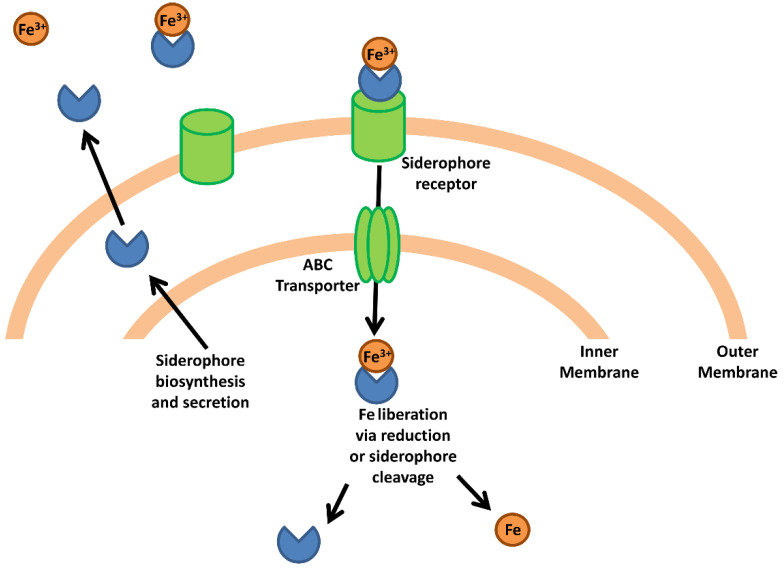
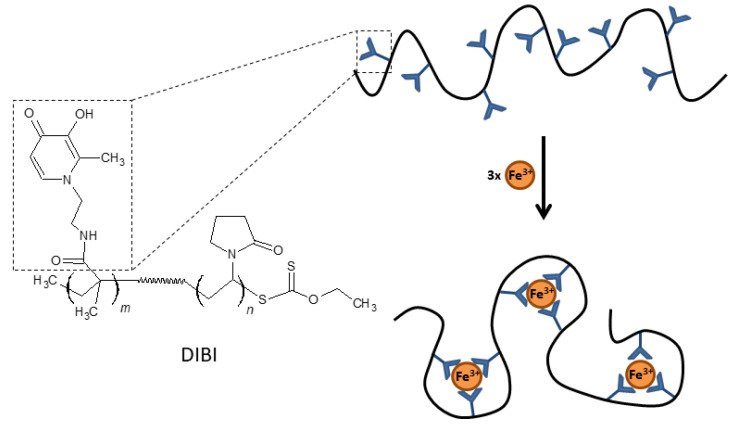
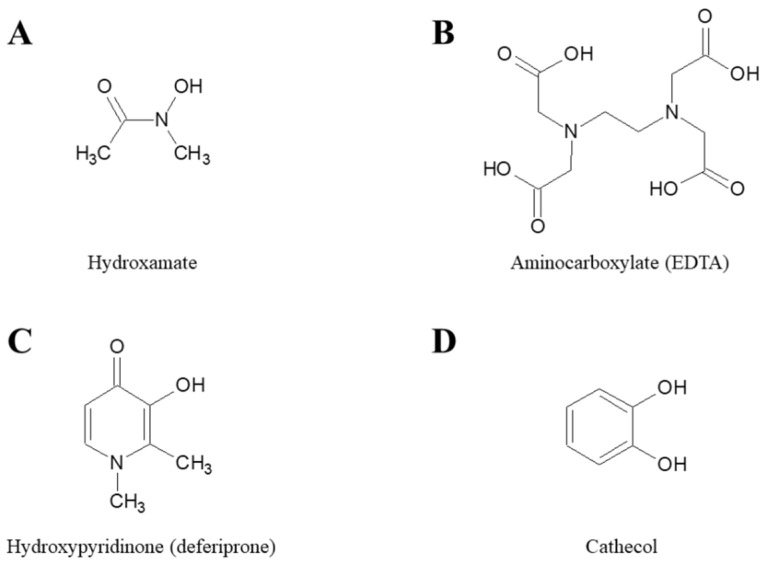
Iron is essential for multiple bacterial processes and is thus required for host colonization and infection. The antimicrobial activity of multiple iron chelators and gallium-based therapies against different bacterial species has been characterized in preclinical studies. In this review, we provide a synthesis of studies characterizing the antimicrobial activity of the major classes of iron chelators (hydroxamates, aminocarboxylates and hydroxypyridinones) and gallium compounds. Special emphasis is placed on recent in-vitro and in-vivo studies with the novel iron chelator DIBI. Limitations associated with iron chelation and gallium-based therapies are presented, with emphasis on limitations of preclinical models, lack of understanding regarding mechanisms of action, and potential host toxicity. Collectively, these studies demonstrate potential for iron chelators and gallium to be used as antimicrobial agents, particularly in combination with existing antibiotics. Additional studies are needed in order to characterize the activity of these compounds under physiologic conditions and address potential limitations associated with their clinical use as antimicrobial agents.
铁是多种细菌过程所必需的,因此是宿主定植和感染所必需的。在临床前研究中,已经对多种铁螯合剂和基于镓的疗法对不同细菌物种的抗菌活性进行了描述。在这篇综述中,我们综合了描述主要类别的铁螯合剂(羟肟酸、氨基羧酸和羟基吡啶酮)和镓化合物的抗菌活性的研究。特别强调了新型铁螯合剂 DIBI 的最新体内外研究。提出了与铁螯合和基于镓的治疗相关的限制,重点是临床前模型的限制、对作用机制的理解不足以及潜在的宿主毒性。总的来说,这些研究表明铁螯合剂和镓有可能被用作抗菌剂,特别是与现有的抗生素联合使用。需要进一步研究以描述这些化合物在生理条件下的活性,并解决其作为抗菌剂临床应用相关的潜在限制。