Sneha Smarakan, Baker Simon C, Green Andrew, Storr Sarah, Aiyappa Radhika, Martin Stewart, Pors Klaus
Institute of Cancer Therapeutics, School of Pharmacy and Medical Sciences, Faculty of Life Sciences, University of Bradford, Bradford BD7 1DP, UK.
Jack Birch Unit for Molecular Carcinogenesis, Department of Biology & York Biomedical Research Institute, University of York, Heslington, York YO10 5DD, UK.
Biomedicines. 2021 Mar 12;9(3):290. doi: 10.3390/biomedicines9030290.
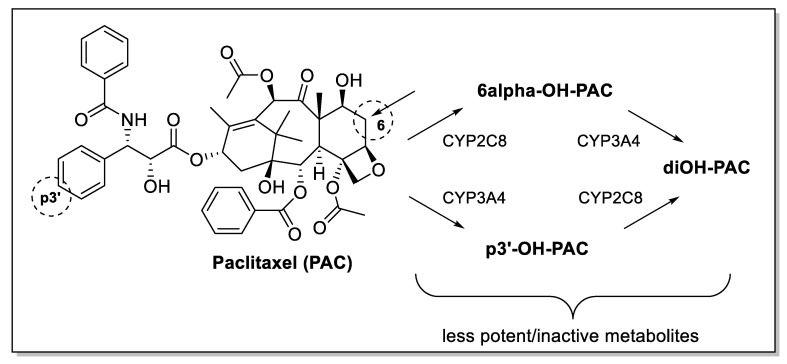
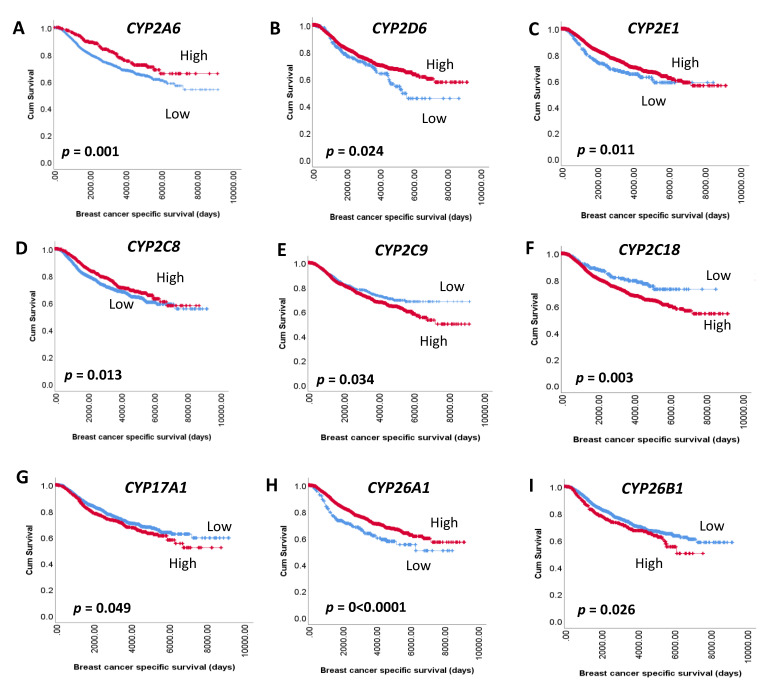
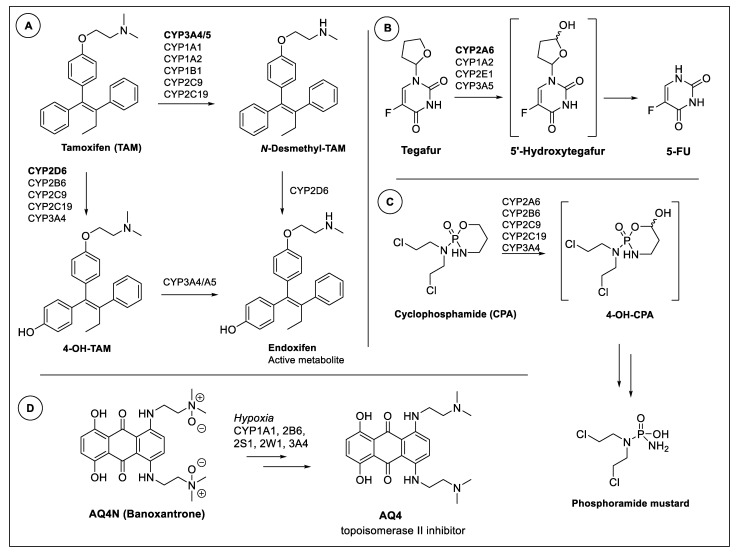
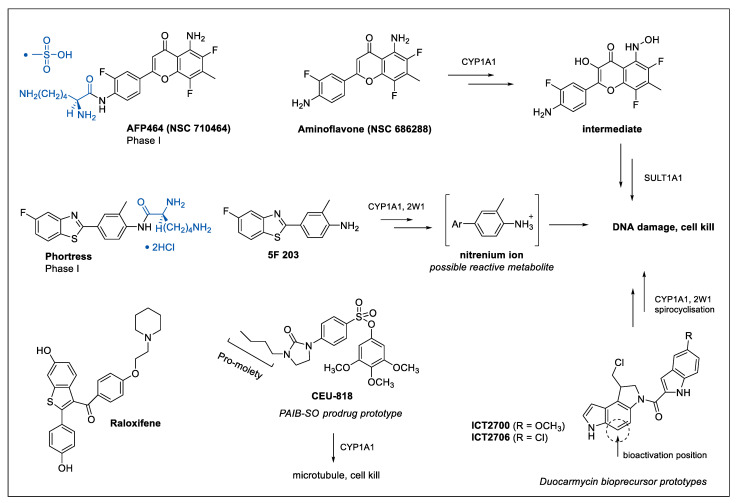
Despite significant advances in treatment strategies over the past decade, selective treatment of breast cancer with limited side-effects still remains a great challenge. The cytochrome P450 (CYP) family of enzymes contribute to cancer cell proliferation, cell signaling and drug metabolism with implications for treatment outcomes. A clearer understanding of CYP expression is important in the pathogenesis of breast cancer as several isoforms play critical roles in metabolising steroid hormones and xenobiotics that contribute to the genesis of breast cancer. The purpose of this review is to provide an update on how the presence of CYPs impacts on standard of care (SoC) drugs used to treat breast cancer as well as discuss opportunities to exploit CYP expression for therapeutic intervention. Finally, we provide our thoughts on future work in CYP research with the aim of supporting ongoing efforts to develop drugs with improved therapeutic index for patient benefit.
尽管在过去十年中治疗策略取得了显著进展,但副作用有限的乳腺癌选择性治疗仍然是一个巨大的挑战。细胞色素P450(CYP)酶家族有助于癌细胞增殖、细胞信号传导和药物代谢,对治疗结果有影响。更清楚地了解CYP表达在乳腺癌发病机制中很重要,因为几种同工型在代谢类固醇激素和外源性物质方面发挥关键作用,而这些物质会导致乳腺癌的发生。本综述的目的是提供关于CYPs的存在如何影响用于治疗乳腺癌的标准护理(SoC)药物的最新信息,并讨论利用CYP表达进行治疗干预的机会。最后,我们对CYP研究的未来工作提出了看法,旨在支持正在进行的努力,开发具有改善治疗指数的药物,以造福患者。