Maeda Hiroshi
BioDynamics Research Foundation, Kumamoto 862-0954, Japan.
Department of Microbiology, Kumamoto University School of Medicine, Kumamoto 862-0954, Japan.
J Pers Med. 2021 Mar 22;11(3):229. doi: 10.3390/jpm11030229.
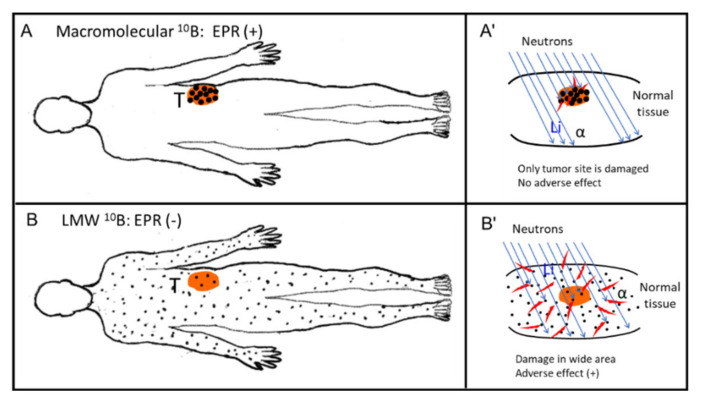
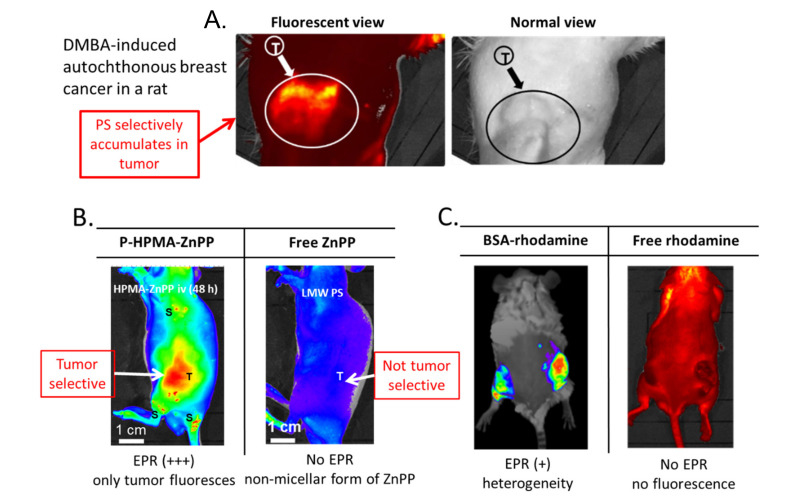
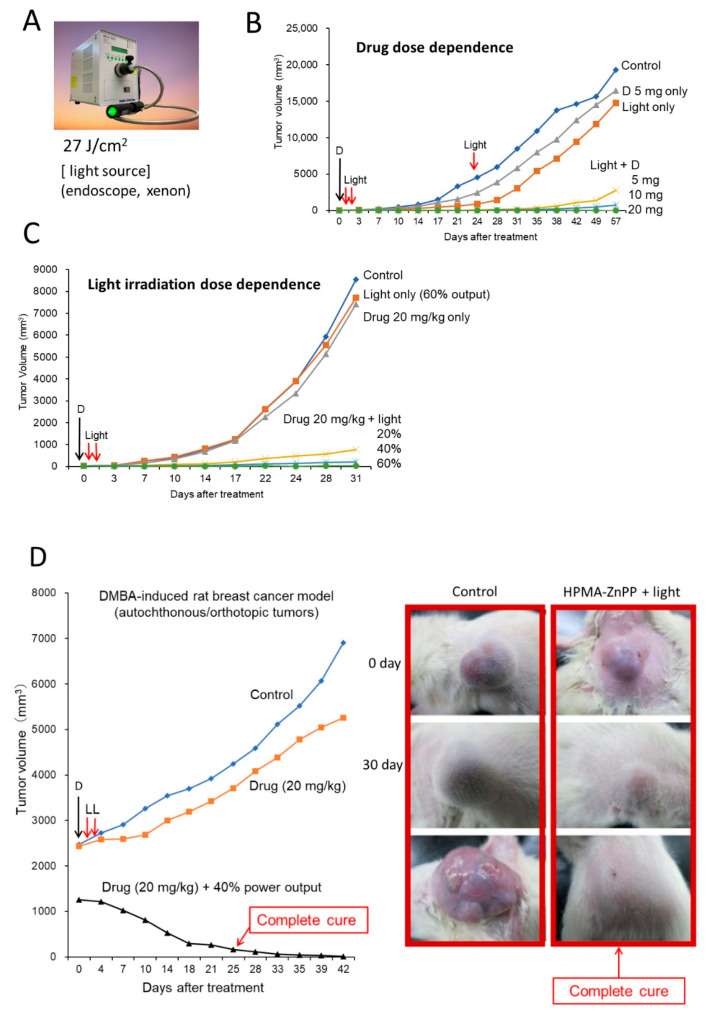
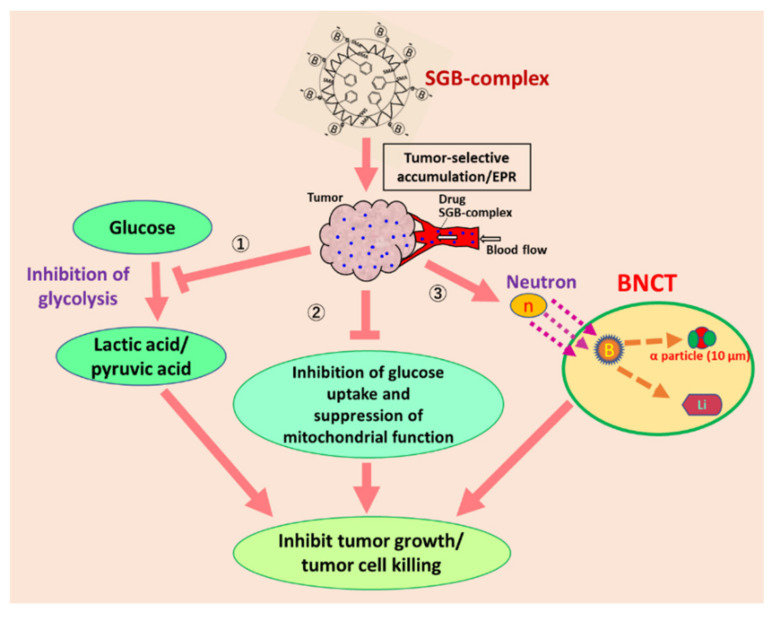
This Special Issue on the enhanced permeability and retention (EPR) effect commemorates the 35th anniversary of its discovery, the original 1986 Matsumura and Maeda finding being published in as a new concept in cancer chemotherapy. My review here describes the history and heterogeneity of the EPR effect, which involves defective tumor blood vessels and blood flow. We reported that restoring obstructed tumor blood flow overcomes impaired drug delivery, leading to improved EPR effects. I also discuss gaps between small animal cancers used in experimental models and large clinical cancers in humans, which usually involve heterogeneous EPR effects, vascular abnormalities in multiple necrotic foci, and tumor emboli. Here, I emphasize arterial infusion of oily formulations of nanodrugs into tumor-feeding arteries, which is the most tumor-selective drug delivery method, with tumor/blood ratios of 100-fold. This method is literally the most personalized medicine because arterial infusions differ for each patient, and drug doses infused depend on tumor size and anatomy in each patient. Future developments in EPR effect-based treatment will range from chemotherapy to photodynamic therapy, boron neutron capture therapy, and therapies for free radical diseases. This review focuses on our own work, which stimulated numerous scientists to perform research in nanotechnology and drug delivery systems, thereby spawning a new cancer treatment era.
本期关于增强渗透与滞留(EPR)效应的特刊纪念其发现35周年,1986年松村和前田的最初发现作为癌症化疗的一个新概念发表。我在此处的综述描述了EPR效应的历史和异质性,该效应涉及肿瘤血管和血流缺陷。我们报告称,恢复受阻的肿瘤血流可克服药物递送受损问题,从而改善EPR效应。我还讨论了实验模型中使用的小动物癌症与人类大型临床癌症之间的差距,后者通常涉及异质性EPR效应、多个坏死灶中的血管异常以及肿瘤栓子。在此,我强调将纳米药物的油性制剂动脉内注入肿瘤供血动脉,这是最具肿瘤选择性的药物递送方法,肿瘤/血液比值可达100倍。这种方法实际上是最个性化的药物治疗,因为每位患者的动脉内注入情况不同,注入的药物剂量取决于每位患者的肿瘤大小和解剖结构。基于EPR效应的治疗未来发展将涵盖从化疗到光动力疗法、硼中子俘获疗法以及自由基疾病治疗等领域。本综述聚焦于我们自己的工作,它激励了众多科学家开展纳米技术和药物递送系统方面的研究,从而开启了一个新的癌症治疗时代。