Iwendi Celestine, Mahboob Kainaat, Khalid Zarnab, Javed Abdul Rehman, Rizwan Muhammad, Ghosh Uttam
Department of Electronics BCC of Central South University of Forestry and Technology, Changsha, China.
Department of Computer Science, Kinnaird College for Women University, Lahore, Pakistan.
Multimed Syst. 2022;28(4):1223-1237. doi: 10.1007/s00530-021-00774-w. Epub 2021 Mar 28.
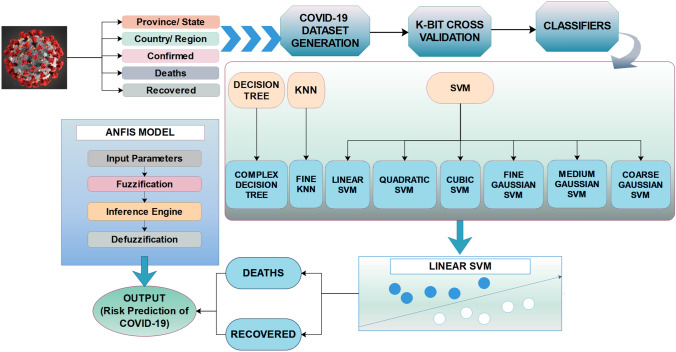
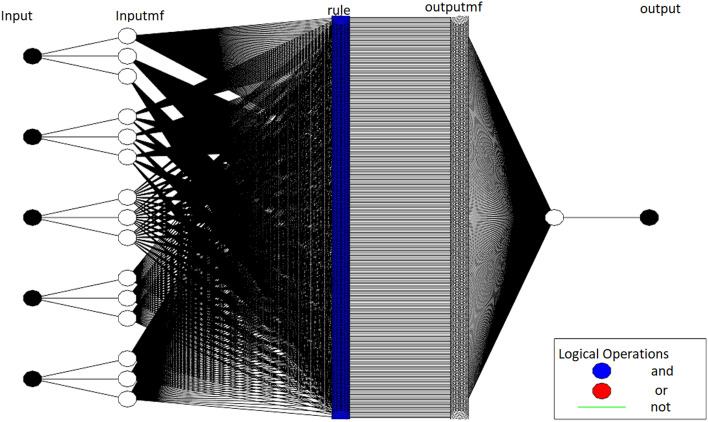
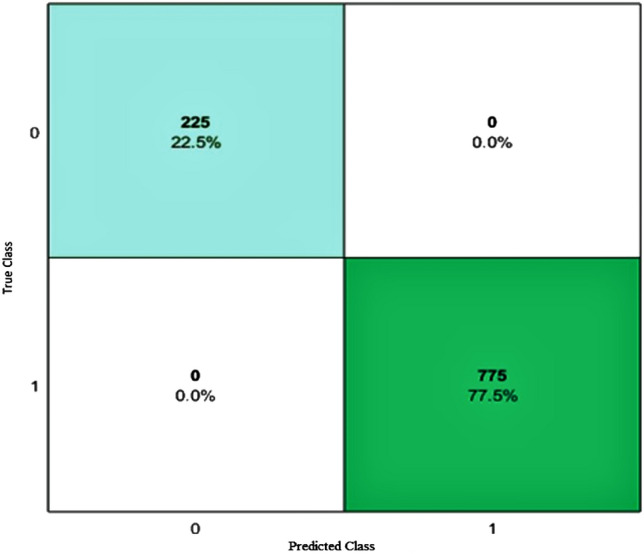
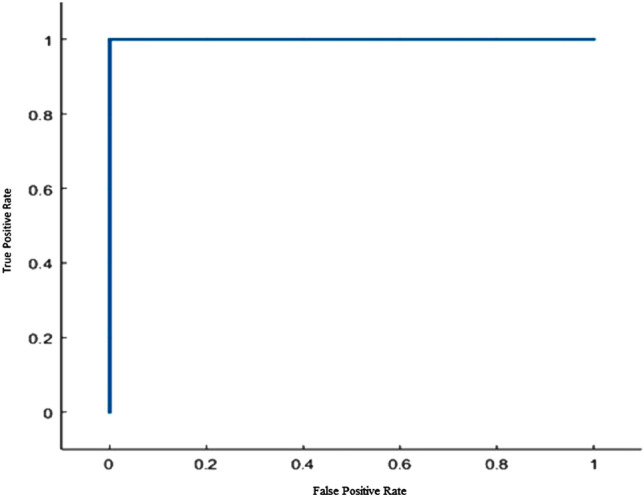
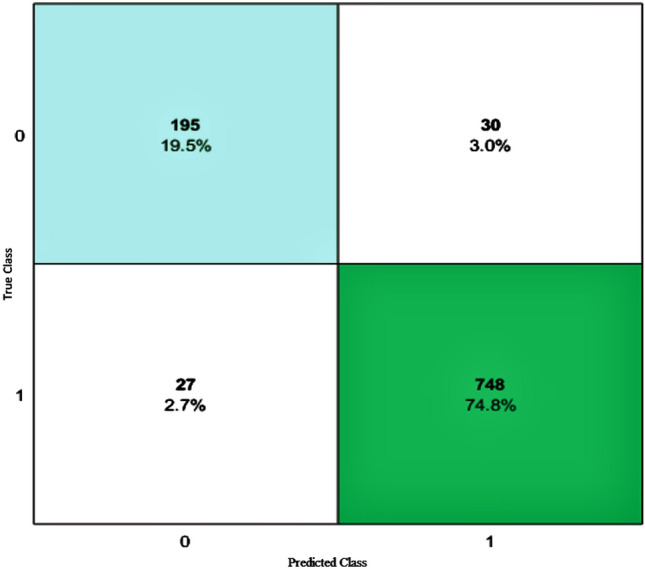
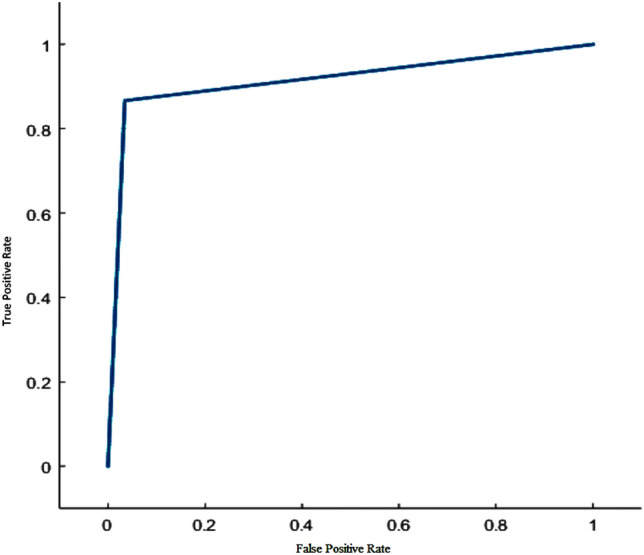
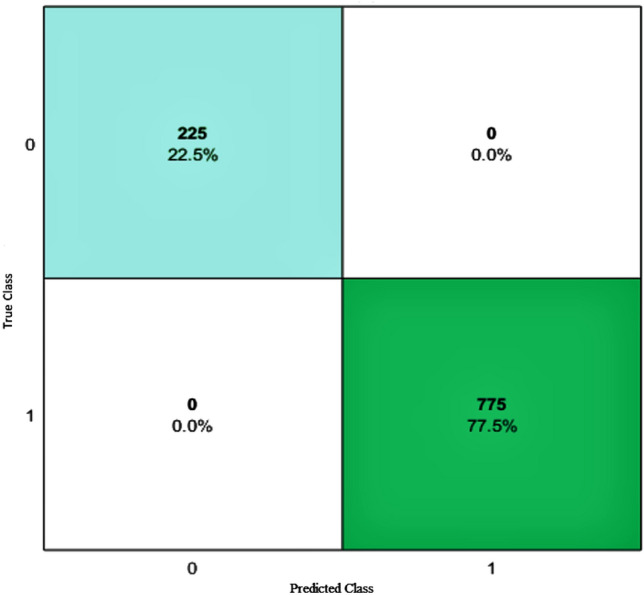
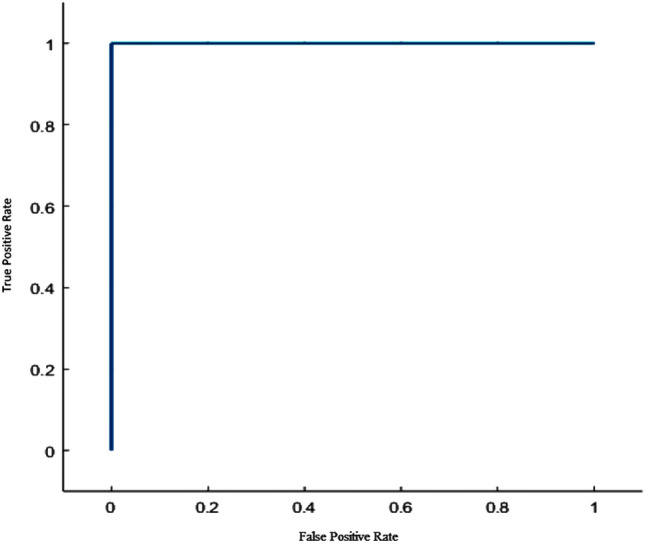
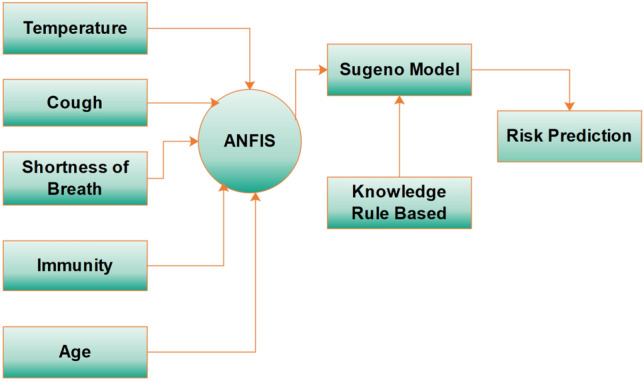
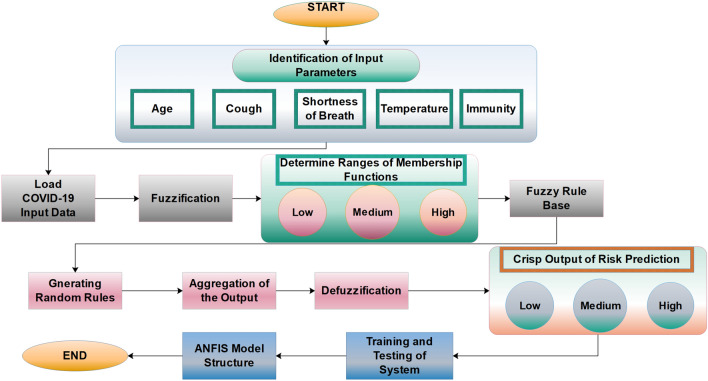
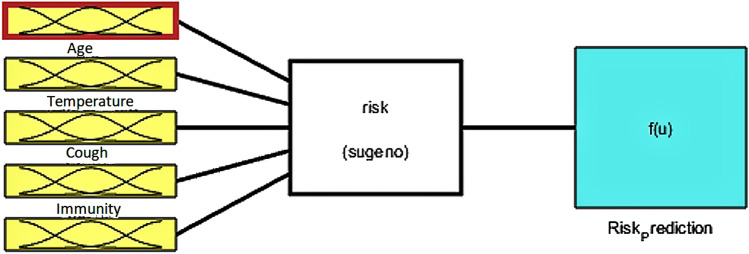
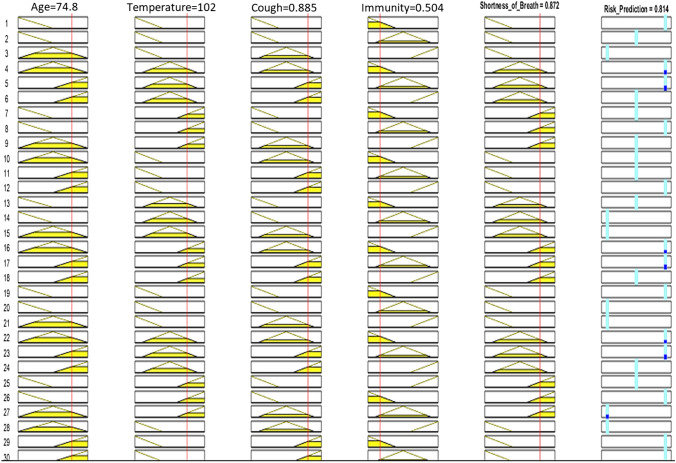
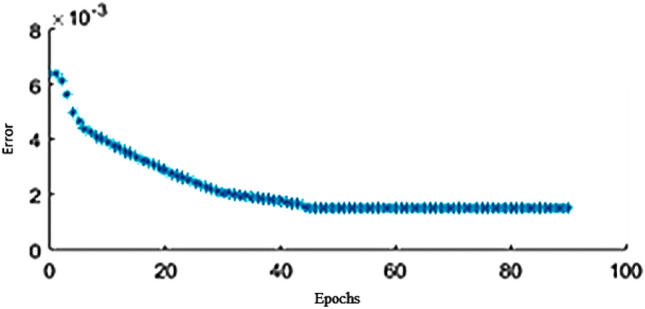
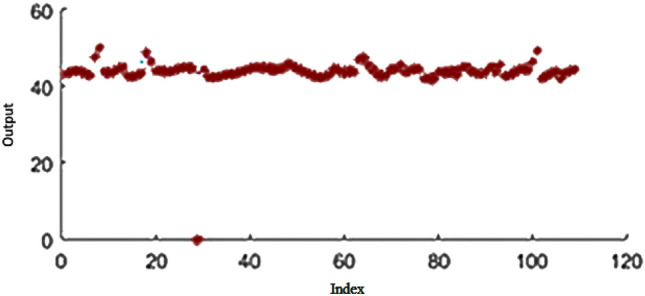
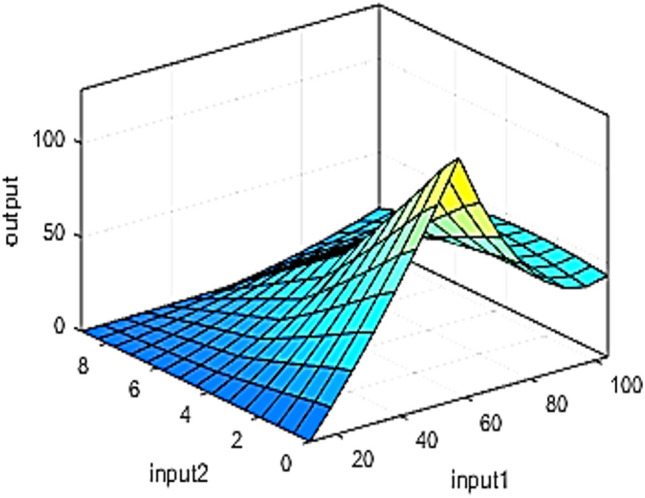
Coronavirus is a fatal disease that affects mammals and birds. Usually, this virus spreads in humans through aerial precipitation of any fluid secreted from the infected entity's body part. This type of virus is fatal than other unpremeditated viruses. Meanwhile, another class of coronavirus was developed in December 2019, named Novel Coronavirus (2019-nCoV), first seen in Wuhan, China. From January 23, 2020, the number of affected individuals from this virus rapidly increased in Wuhan and other countries. This research proposes a system for classifying and analyzing the predictions obtained from symptoms of this virus. The proposed system aims to determine those attributes that help in the early detection of Coronavirus Disease (COVID-19) using the Adaptive Neuro-Fuzzy Inference System (ANFIS). This work computes the accuracy of different machine learning classifiers and selects the best classifier for COVID-19 detection based on comparative analysis. ANFIS is used to model and control ill-defined and uncertain systems to predict this globally spread disease's risk factor. COVID-19 dataset is classified using Support Vector Machine (SVM) because it achieved the highest accuracy of 100% among all classifiers. Furthermore, the ANFIS model is implemented on this classified dataset, which results in an 80% risk prediction for COVID-19.
冠状病毒是一种影响哺乳动物和鸟类的致命疾病。通常,这种病毒通过受感染个体身体部位分泌的任何液体的空气传播在人类中传播。这种类型的病毒比其他非预谋性病毒更致命。与此同时,2019年12月出现了另一类冠状病毒,名为新型冠状病毒(2019-nCoV),首次在中国武汉被发现。自2020年1月23日起,武汉及其他国家感染这种病毒的人数迅速增加。本研究提出了一个系统,用于对从这种病毒的症状中获得的预测进行分类和分析。所提出的系统旨在使用自适应神经模糊推理系统(ANFIS)确定有助于早期检测冠状病毒病(COVID-19)的那些属性。这项工作计算了不同机器学习分类器的准确率,并基于比较分析为COVID-19检测选择最佳分类器。ANFIS用于对定义不明确和不确定的系统进行建模和控制,以预测这种全球传播疾病的风险因素。使用支持向量机(SVM)对COVID-19数据集进行分类,因为它在所有分类器中实现了100%的最高准确率。此外,在这个分类数据集上实现了ANFIS模型,其结果是对COVID-