Kowalski Piotr Andrzej, Szwagrzyk Marcin, Kielpinska Jolanta, Konior Aleksander, Kusy Maciej
Faculty of Physics and Applied Computer Science, AGH University of Science and Technology, al. Mickiewicza 30, 30-059 Cracow, Poland.
Systems Research Institute, Polish Academy of Sciences, ul. Newelska 6, 01-447 Warsaw, Poland.
Ecol Inform. 2021 Jul;63:101284. doi: 10.1016/j.ecoinf.2021.101284. Epub 2021 Mar 29.
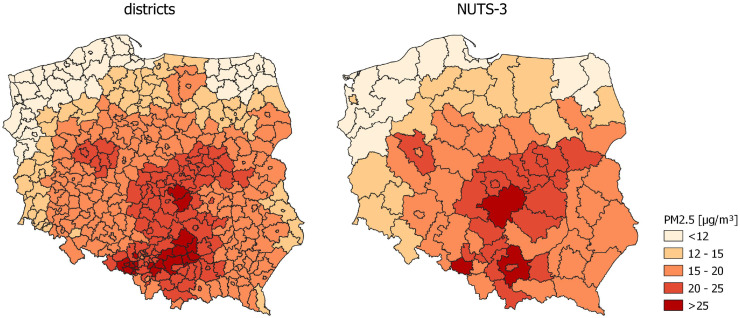
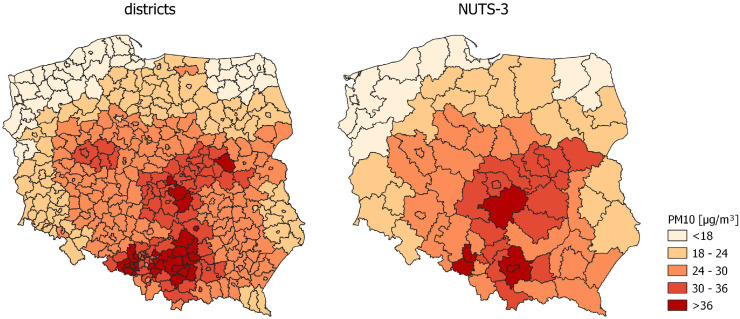
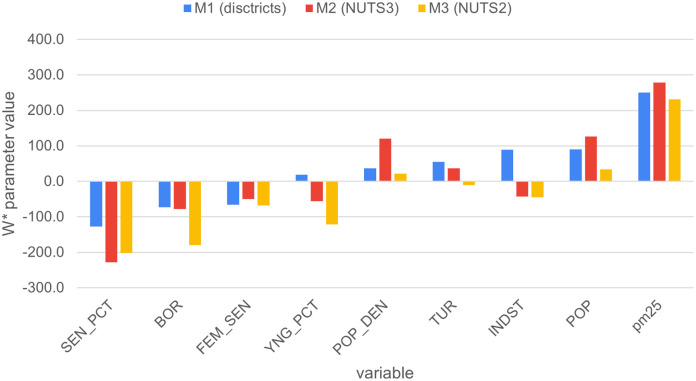
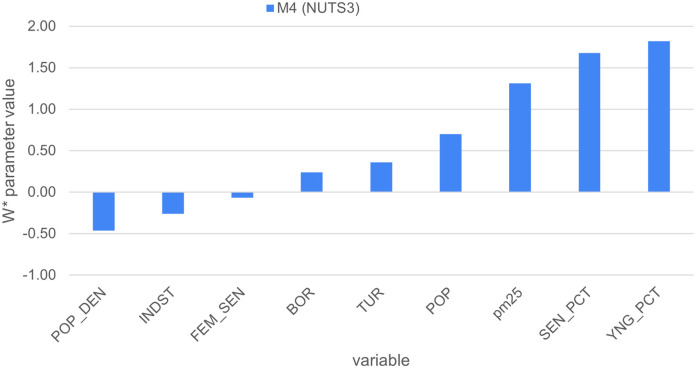
This article focuses on a statistical analysis of the corona virus disease 2019 (COVID-19) data that appeared until November 31, 2020 in Poland. The studied database, expressed in terms of both population and air pollution (particulate) indicators, is provided mainly by the Airly company, the Central Statistical Office (GUS) and the Rogalski project. The particular measured factors, which underwent standardization, were assessed for mutual dependency by means of a Pearson correlation coefficient and analysed by a linear regression. Based on the presented models, our results indicate that air quality (air pollution level) is the most important factor in the context of enabling COVID-19 case load increase in Poland.
本文聚焦于对2020年11月31日前波兰出现的2019冠状病毒病(COVID-19)数据进行统计分析。所研究的数据库,以人口和空气污染(颗粒物)指标表示,主要由Airly公司、中央统计局(GUS)和罗加尔斯基项目提供。对经过标准化处理的特定测量因素,通过皮尔逊相关系数评估其相互依赖性,并进行线性回归分析。基于所呈现的模型,我们的结果表明,在波兰,空气质量(空气污染水平)是导致COVID-19病例数增加的最重要因素。