Esmail Sally, Danter Wayne R
123Genetix, 1595 Dyer Drive, London N6G 0T7, Canada.
Comput Struct Biotechnol J. 2021;19:1701-1712. doi: 10.1016/j.csbj.2021.03.020. Epub 2021 Mar 26.
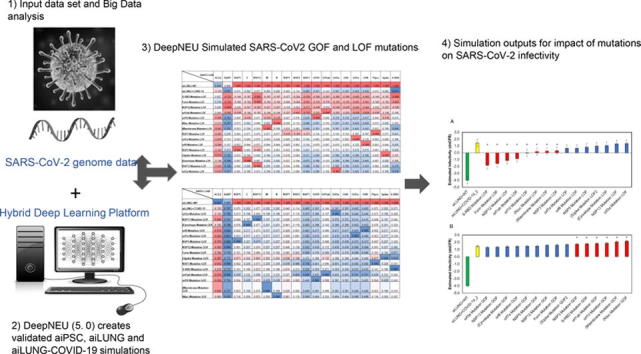
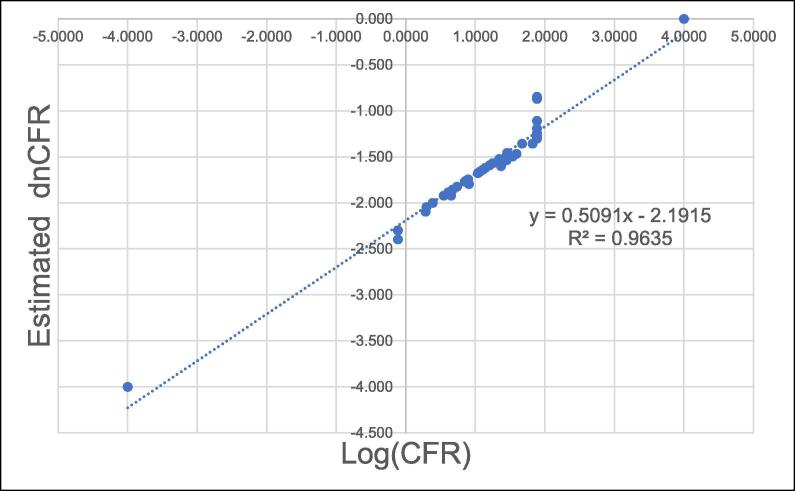
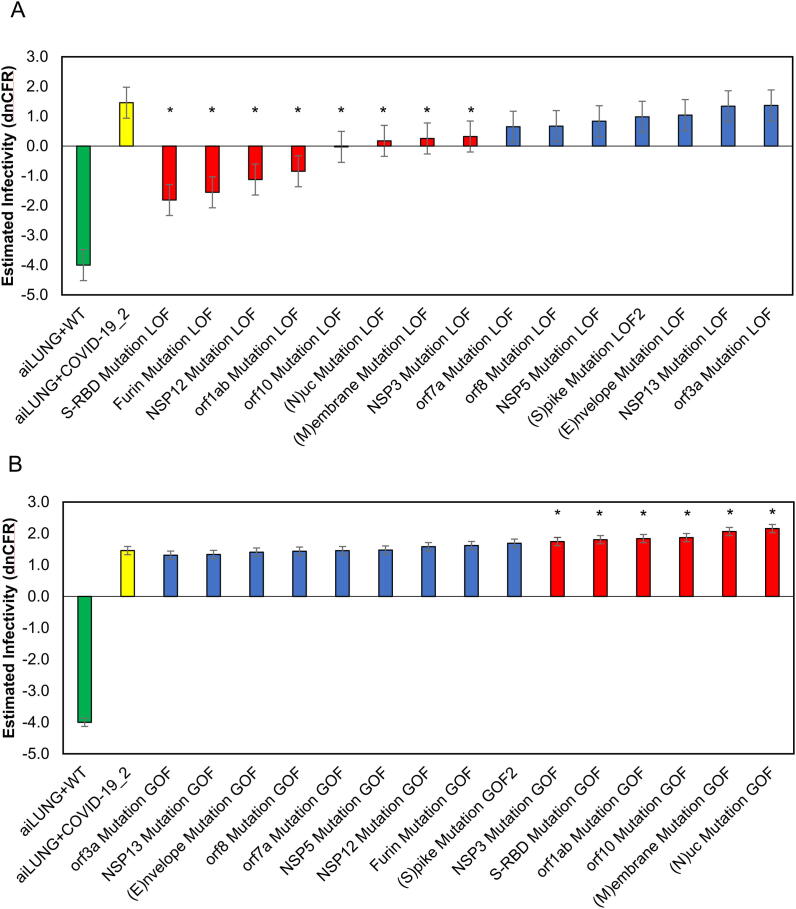
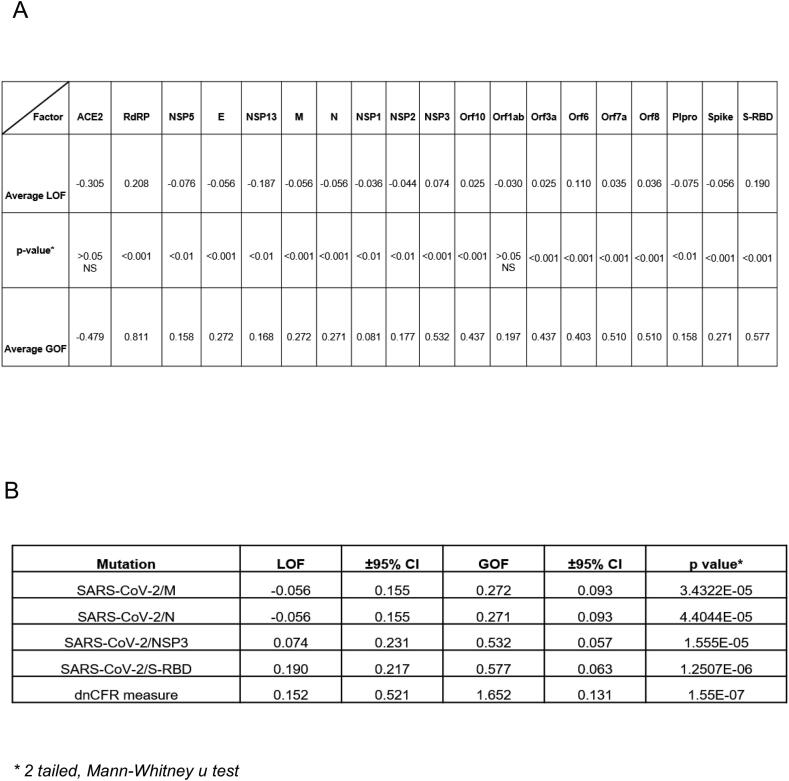
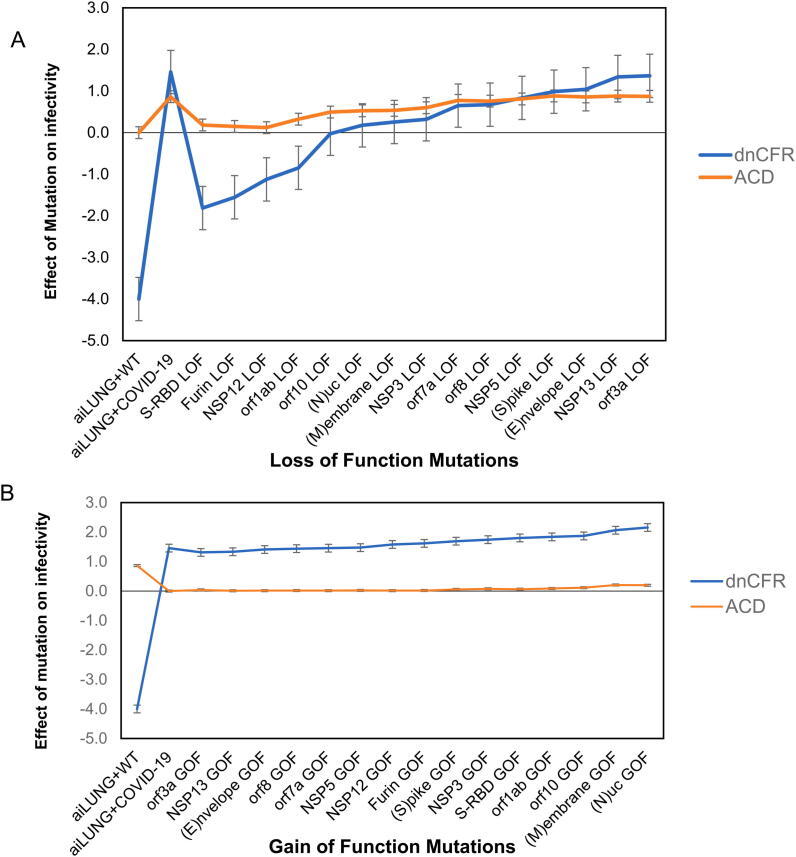
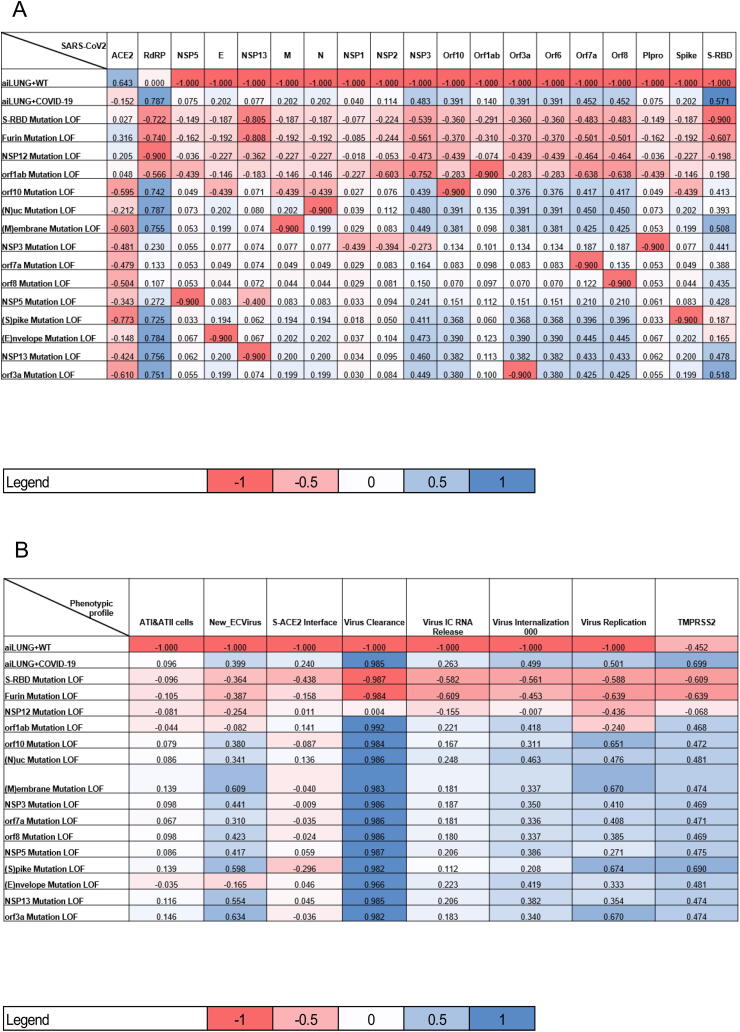
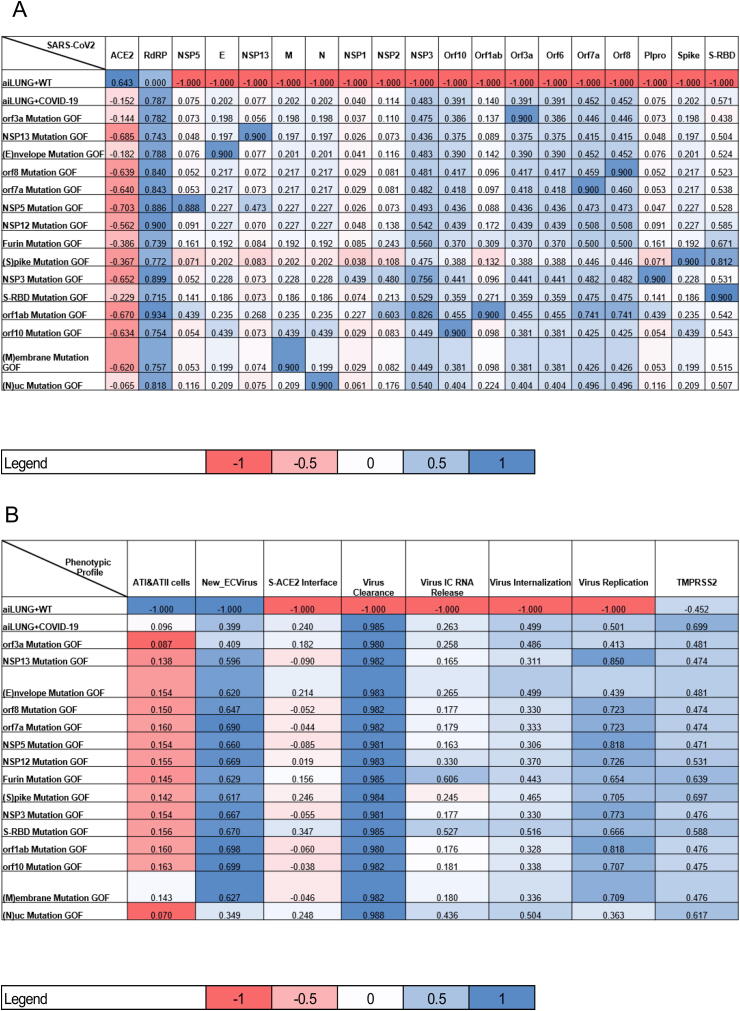
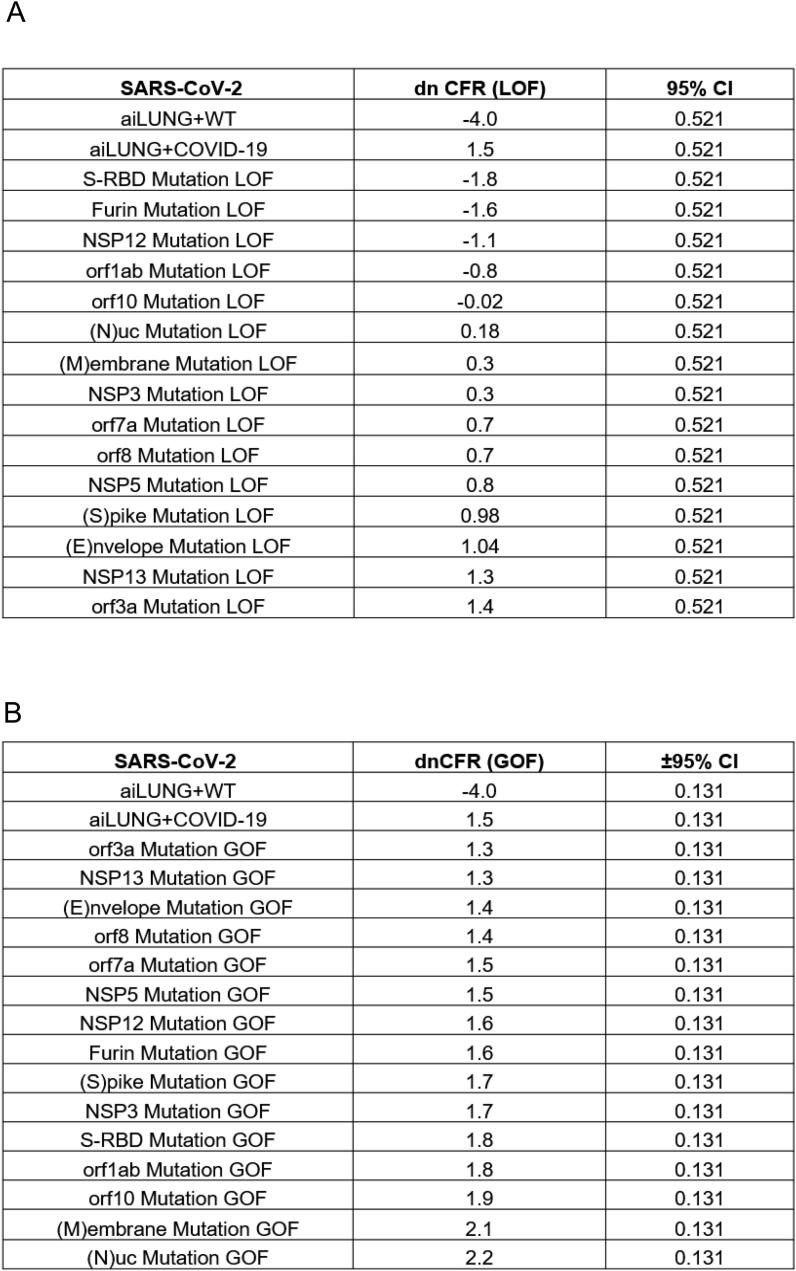
The global pandemic caused by the SARS-CoV-2 virus continues to spread. Infection with SARS- CoV-2 causes COVID-19, a disease of variable severity. Mutation has already altered the SARS-CoV-2 genome from its original reported sequence and continued mutation is highly probable. These mutations can: (i) have no significant impact (they are silent), (ii) result in a complete loss or reduction of infectivity, or (iii) induce increase in infectivity. Physical generation, for research purposes, of viral mutations that could enhance infectivity are controversial and highly regulated. The primary purpose of this project was to evaluate the ability of the DeepNEU machine learning stem-cell simulation platform to enable rapid and efficient assessment of the potential impact of viral loss-of-function (LOF) and gain-of-function (GOF) mutations on SARS-CoV-2 infectivity. Our data suggest that SARS-CoV-2 infection can be simulated in human alveolar type lung cells. Simulation of infection in these lung cells can be used to model and assess the impact of LOF and GOF mutations in the SARS-CoV2 genome. We have also created a four- factor infectivity measure: the DeepNEU Case Fatality Rate (dnCFR). dnCFR can be used to assess infectivity based on the presence or absence of the key viral proteins (NSP3, Spike-RDB, N protein, and M protein). dnCFR was used in this study, not to only assess the impact of different mutations on SARS-CoV2 infectivity, but also to categorize the effects of mutations as loss of infectivity or gain of infectivity events.
由严重急性呼吸综合征冠状病毒2(SARS-CoV-2)病毒引起的全球大流行仍在继续蔓延。感染SARS-CoV-2会导致2019冠状病毒病(COVID-19),这是一种严重程度各异的疾病。突变已经改变了SARS-CoV-2基因组的原始报告序列,而且很可能会持续发生突变。这些突变可能:(i)没有显著影响(即沉默突变),(ii)导致传染性完全丧失或降低,或(iii)导致传染性增强。出于研究目的,人为产生可能增强传染性的病毒突变存在争议且受到严格监管。本项目的主要目的是评估DeepNEU机器学习干细胞模拟平台对快速、高效评估病毒功能丧失(LOF)和功能获得(GOF)突变对SARS-CoV-2传染性潜在影响的能力。我们的数据表明,可在人肺泡型肺细胞中模拟SARS-CoV-2感染。在这些肺细胞中模拟感染可用于建模和评估SARS-CoV-2基因组中LOF和GOF突变的影响。我们还创建了一种四因素传染性测量方法:DeepNEU病死率(dnCFR)。dnCFR可用于根据关键病毒蛋白(NSP3、刺突受体结合结构域、N蛋白和M蛋白)的有无来评估传染性。本研究中使用dnCFR不仅是为了评估不同突变对SARS-CoV-2传染性的影响,也是为了将突变的影响分类为传染性丧失或传染性增加事件。