• 文献检索
  • 文档翻译
  • 深度研究
  • 学术资讯
  • Suppr Zotero 插件Zotero 插件
  • 邀请有礼
  • 套餐&价格
  • 历史记录
应用&插件
Suppr Zotero 插件Zotero 插件浏览器插件Mac 客户端Windows 客户端微信小程序
定价
高级版会员购买积分包购买API积分包
服务
文献检索文档翻译深度研究API 文档MCP 服务
关于我们
关于 Suppr公司介绍联系我们用户协议隐私条款
关注我们

Suppr 超能文献

核心技术专利:CN118964589B侵权必究
粤ICP备2023148730 号-1Suppr @ 2026

文献检索

告别复杂PubMed语法,用中文像聊天一样搜索,搜遍4000万医学文献。AI智能推荐,让科研检索更轻松。

立即免费搜索

文件翻译

保留排版,准确专业,支持PDF/Word/PPT等文件格式,支持 12+语言互译。

免费翻译文档

深度研究

AI帮你快速写综述,25分钟生成高质量综述,智能提取关键信息,辅助科研写作。

立即免费体验

病毒大流行防范:一种基于多能干细胞的机器学习平台,用于模拟 SARS-CoV-2 感染,以实现药物发现和再利用。

Viral pandemic preparedness: A pluripotent stem cell-based machine-learning platform for simulating SARS-CoV-2 infection to enable drug discovery and repurposing.

机构信息

123Genetix, London, Ontario, Canada.

出版信息

Stem Cells Transl Med. 2021 Feb;10(2):239-250. doi: 10.1002/sctm.20-0181. Epub 2020 Sep 22.

DOI:10.1002/sctm.20-0181
PMID:32961040
原文链接:https://pmc.ncbi.nlm.nih.gov/articles/PMC7537153/
Abstract

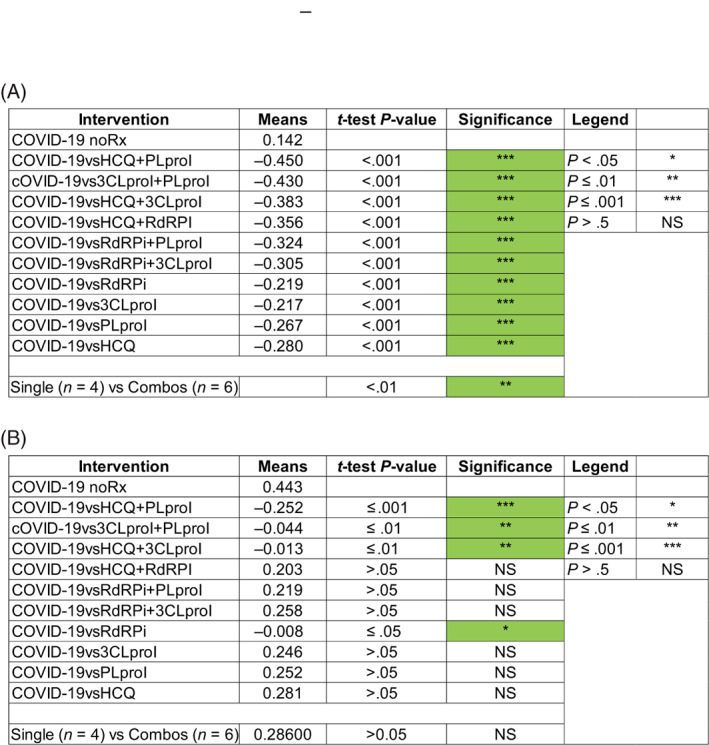
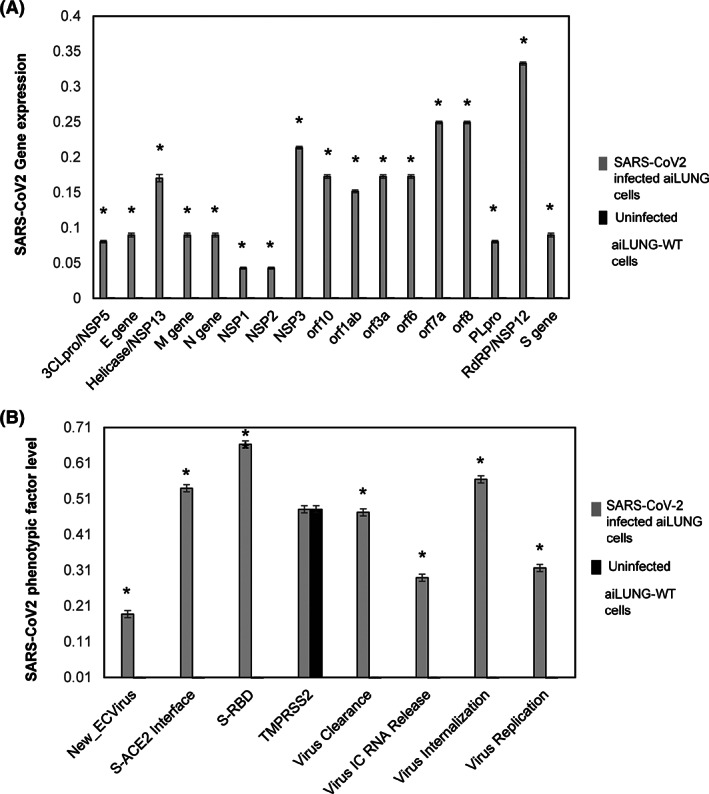
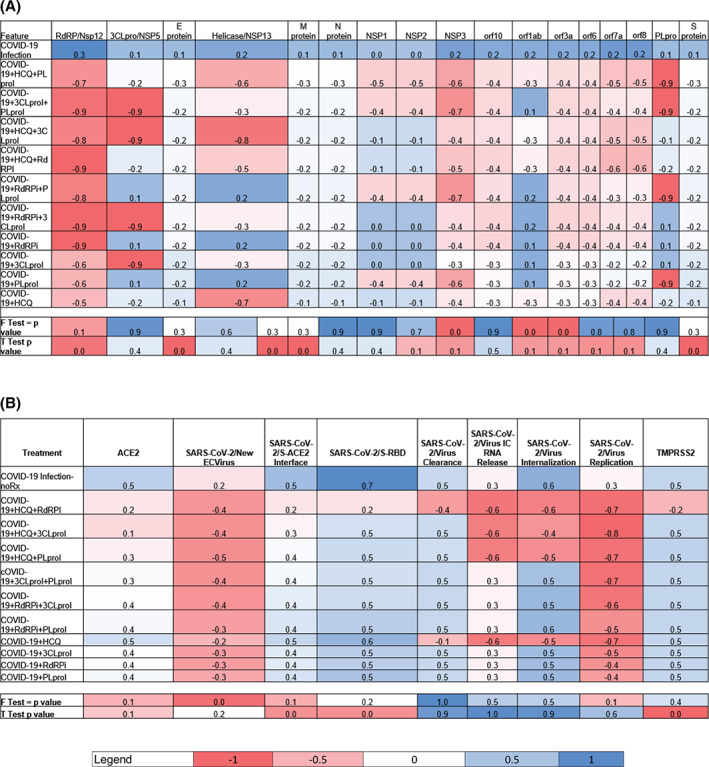
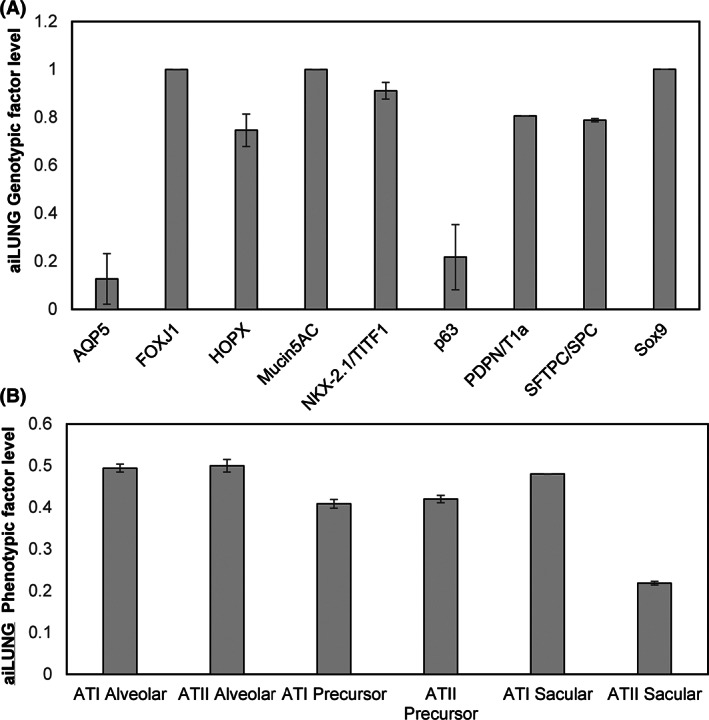
Infection with the SARS-CoV-2 virus has rapidly become a global pandemic for which we were not prepared. Several clinical trials using previously approved drugs and drug combinations are urgently under way to improve the current situation. A vaccine option has only recently become available, but worldwide distribution is still a challenge. It is imperative that, for future viral pandemic preparedness, we have a rapid screening technology for drug discovery and repurposing. The primary purpose of this research project was to evaluate the DeepNEU stem-cell based platform by creating and validating computer simulations of artificial lung cells infected with SARS-CoV-2 to enable the rapid identification of antiviral therapeutic targets and drug repurposing. The data generated from this project indicate that (a) human alveolar type lung cells can be simulated by DeepNEU (v5.0), (b) these simulated cells can then be infected with simulated SARS-CoV-2 virus, (c) the unsupervised learning system performed well in all simulations based on available published wet lab data, and (d) the platform identified potentially effective anti-SARS-CoV2 combinations of known drugs for urgent clinical study. The data also suggest that DeepNEU can identify potential therapeutic targets for expedited vaccine development. We conclude that based on published data plus current DeepNEU results, continued development of the DeepNEU platform will improve our preparedness for and response to future viral outbreaks. This can be achieved through rapid identification of potential therapeutic options for clinical testing as soon as the viral genome has been confirmed.

摘要

感染 SARS-CoV-2 病毒已迅速成为全球大流行,而我们对此毫无准备。目前正在紧急开展几项临床试验,使用先前批准的药物和药物组合,以改善当前状况。最近才出现疫苗选择,但全球范围内的分发仍然是一个挑战。至关重要的是,为了未来的病毒性大流行防范,我们需要一种快速的药物发现和重新利用筛选技术。该研究项目的主要目的是通过创建和验证感染 SARS-CoV-2 的人工肺细胞的计算机模拟来评估 DeepNEU 基于干细胞的平台,从而能够快速识别抗病毒治疗靶标和药物再利用。该项目生成的数据表明:(a) DeepNEU(v5.0)可以模拟人类肺泡型肺细胞;(b) 然后可以用模拟的 SARS-CoV-2 病毒感染这些模拟细胞;(c) 基于可用的已发表湿实验室数据,无监督学习系统在所有模拟中表现良好;(d) 该平台确定了具有潜在临床研究价值的已知药物抗 SARS-CoV2 组合。该数据还表明,DeepNEU 可以识别潜在的治疗靶标,以加速疫苗开发。我们得出结论,基于已发表的数据和当前的 DeepNEU 结果,继续开发 DeepNEU 平台将提高我们对未来病毒爆发的防范和应对能力。这可以通过在确认病毒基因组后尽快为临床测试快速确定潜在的治疗选择来实现。
https://cdn.ncbi.nlm.nih.gov/pmc/blobs/ee24/7848358/bba88c0af834/SCT3-10-239-g005.jpg
https://cdn.ncbi.nlm.nih.gov/pmc/blobs/ee24/7848358/fddf254b48b8/SCT3-10-239-g001.jpg
https://cdn.ncbi.nlm.nih.gov/pmc/blobs/ee24/7848358/73a768fac2f3/SCT3-10-239-g002.jpg
https://cdn.ncbi.nlm.nih.gov/pmc/blobs/ee24/7848358/612153dc4e2d/SCT3-10-239-g003.jpg
https://cdn.ncbi.nlm.nih.gov/pmc/blobs/ee24/7848358/18d604729497/SCT3-10-239-g004.jpg
https://cdn.ncbi.nlm.nih.gov/pmc/blobs/ee24/7848358/bba88c0af834/SCT3-10-239-g005.jpg
https://cdn.ncbi.nlm.nih.gov/pmc/blobs/ee24/7848358/fddf254b48b8/SCT3-10-239-g001.jpg
https://cdn.ncbi.nlm.nih.gov/pmc/blobs/ee24/7848358/73a768fac2f3/SCT3-10-239-g002.jpg
https://cdn.ncbi.nlm.nih.gov/pmc/blobs/ee24/7848358/612153dc4e2d/SCT3-10-239-g003.jpg
https://cdn.ncbi.nlm.nih.gov/pmc/blobs/ee24/7848358/18d604729497/SCT3-10-239-g004.jpg
https://cdn.ncbi.nlm.nih.gov/pmc/blobs/ee24/7848358/bba88c0af834/SCT3-10-239-g005.jpg

相似文献

1
Viral pandemic preparedness: A pluripotent stem cell-based machine-learning platform for simulating SARS-CoV-2 infection to enable drug discovery and repurposing.病毒大流行防范:一种基于多能干细胞的机器学习平台,用于模拟 SARS-CoV-2 感染,以实现药物发现和再利用。
Stem Cells Transl Med. 2021 Feb;10(2):239-250. doi: 10.1002/sctm.20-0181. Epub 2020 Sep 22.
2
Understanding SARS-CoV-2 endocytosis for COVID-19 drug repurposing.解析新型冠状病毒(SARS-CoV-2)胞吞作用以寻找新冠肺炎(COVID-19)药物再利用的方法。
FEBS J. 2020 Sep;287(17):3664-3671. doi: 10.1111/febs.15369. Epub 2020 Jun 2.
3
Lung organoid simulations for modelling and predicting the effect of mutations on SARS-CoV-2 infectivity.用于模拟和预测突变对SARS-CoV-2感染性影响的肺类器官模型。
Comput Struct Biotechnol J. 2021;19:1701-1712. doi: 10.1016/j.csbj.2021.03.020. Epub 2021 Mar 26.
4
SARS-CoV-2 infection of primary human lung epithelium for COVID-19 modeling and drug discovery.用于新冠病毒疾病建模和药物发现的原代人肺上皮细胞的严重急性呼吸综合征冠状病毒2感染
Cell Rep. 2021 May 4;35(5):109055. doi: 10.1016/j.celrep.2021.109055. Epub 2021 Apr 13.
5
Knowing and combating the enemy: a brief review on SARS-CoV-2 and computational approaches applied to the discovery of drug candidates.知己知彼:SARS-CoV-2 综述及计算方法在药物候选物发现中的应用
Biosci Rep. 2021 Mar 26;41(3). doi: 10.1042/BSR20202616.
6
COVID-19: Discovery, diagnostics and drug development.新型冠状病毒肺炎:发现、诊断和药物研发。
J Hepatol. 2021 Jan;74(1):168-184. doi: 10.1016/j.jhep.2020.09.031. Epub 2020 Oct 8.
7
Fighting COVID-19 with Artificial Intelligence.运用人工智能抗击新冠疫情。
Methods Mol Biol. 2022;2390:103-112. doi: 10.1007/978-1-0716-1787-8_3.
8
Repurposing anticancer drugs for the management of COVID-19.重新利用抗癌药物来治疗新冠肺炎。
Eur J Cancer. 2020 Dec;141:40-61. doi: 10.1016/j.ejca.2020.09.014. Epub 2020 Sep 22.
9
Repurposing nonnucleoside antivirals against SARS-CoV2 NSP12 (RNA dependent RNA polymerase): In silico-molecular insight.重新利用非核苷类抗病毒药物治疗 SARS-CoV2 NSP12(RNA 依赖性 RNA 聚合酶):计算机分子洞察。
Biochem Biophys Res Commun. 2021 Sep 24;571:26-31. doi: 10.1016/j.bbrc.2021.07.050. Epub 2021 Jul 16.
10
Repurposing therapeutics for COVID-19: Rapid prediction of commercially available drugs through machine learning and docking.新冠病毒治疗药物再利用:通过机器学习和对接快速预测市售药物。
PLoS One. 2020 Nov 12;15(11):e0241543. doi: 10.1371/journal.pone.0241543. eCollection 2020.

引用本文的文献

1
Induced Pluripotent Stem Cells in Birds: Opportunities and Challenges for Science and Agriculture.鸟类中的诱导多能干细胞:科学与农业面临的机遇与挑战
Vet Sci. 2024 Dec 19;11(12):666. doi: 10.3390/vetsci11120666.
2
The use of artificial intelligence in induced pluripotent stem cell-based technology over 10-year period: A systematic scoping review.在诱导多能干细胞技术中使用人工智能的 10 年历程:系统范围综述。
PLoS One. 2024 May 21;19(5):e0302537. doi: 10.1371/journal.pone.0302537. eCollection 2024.
3
Induced pluripotent stem cells: Generation methods and a new perspective in COVID-19 research.

本文引用的文献

1
Analysis of therapeutic targets for SARS-CoV-2 and discovery of potential drugs by computational methods.通过计算方法分析严重急性呼吸综合征冠状病毒2(SARS-CoV-2)的治疗靶点并发现潜在药物
Acta Pharm Sin B. 2020 May;10(5):766-788. doi: 10.1016/j.apsb.2020.02.008. Epub 2020 Feb 27.
2
Breadth of concomitant immune responses prior to patient recovery: a case report of non-severe COVID-19.患者康复前伴随免疫反应的广度:非重症COVID-19病例报告
Nat Med. 2020 Apr;26(4):453-455. doi: 10.1038/s41591-020-0819-2.
3
Compassionate Use of Remdesivir for Patients with Severe Covid-19.
诱导多能干细胞:生成方法及COVID-19研究的新视角。
Front Cell Dev Biol. 2023 Jan 17;10:1050856. doi: 10.3389/fcell.2022.1050856. eCollection 2022.
4
Deep learning for Covid-19 forecasting: State-of-the-art review.用于新冠疫情预测的深度学习:最新综述
Neurocomputing (Amst). 2022 Oct 28;511:142-154. doi: 10.1016/j.neucom.2022.09.005. Epub 2022 Sep 8.
5
Human organoid models to study SARS-CoV-2 infection.人类类器官模型用于研究 SARS-CoV-2 感染。
Nat Methods. 2022 Apr;19(4):418-428. doi: 10.1038/s41592-022-01453-y. Epub 2022 Apr 8.
6
Artificial Intelligence in Vaccine and Drug Design.人工智能在疫苗和药物设计中的应用。
Methods Mol Biol. 2022;2410:131-146. doi: 10.1007/978-1-0716-1884-4_6.
7
Drug Interactions for Patients with Respiratory Diseases Receiving COVID-19 Emerged Treatments.接受新冠病毒治疗的呼吸疾病患者的药物相互作用。
Int J Environ Res Public Health. 2021 Nov 8;18(21):11711. doi: 10.3390/ijerph182111711.
8
Rapid growth in the COVID-19 era.新冠疫情时代的快速增长。
MRS Bull. 2021;46(9):847-853. doi: 10.1557/s43577-021-00185-2. Epub 2021 Sep 29.
9
Different kinds of stem cells in the development of SARS-CoV-2 treatments.严重急性呼吸综合征冠状病毒2(SARS-CoV-2)治疗发展过程中的不同种类干细胞。
World J Stem Cells. 2021 May 26;13(5):439-451. doi: 10.4252/wjsc.v13.i5.439.
10
A State-of-the-Art Survey on Artificial Intelligence to Fight COVID-19.关于抗击新冠疫情的人工智能技术的最新进展综述
J Clin Med. 2021 May 2;10(9):1961. doi: 10.3390/jcm10091961.
瑞德西韦在治疗重症 COVID-19 患者中的同情使用。
N Engl J Med. 2020 Jun 11;382(24):2327-2336. doi: 10.1056/NEJMoa2007016. Epub 2020 Apr 10.
4
COVID-19 infection: Origin, transmission, and characteristics of human coronaviruses.新型冠状病毒肺炎感染:人类冠状病毒的起源、传播及特征
J Adv Res. 2020 Mar 16;24:91-98. doi: 10.1016/j.jare.2020.03.005. eCollection 2020 Jul.
5
Hydroxychloroquine and azithromycin as a treatment of COVID-19: results of an open-label non-randomized clinical trial.羟氯喹和阿奇霉素治疗 COVID-19:一项开放标签非随机临床试验的结果。
Int J Antimicrob Agents. 2020 Jul;56(1):105949. doi: 10.1016/j.ijantimicag.2020.105949. Epub 2020 Mar 20.
6
The coronavirus pandemic in five powerful charts.五张图表展现新冠疫情
Nature. 2020 Mar;579(7800):482-483. doi: 10.1038/d41586-020-00758-2.
7
Hydroxychloroquine, a less toxic derivative of chloroquine, is effective in inhibiting SARS-CoV-2 infection in vitro.羟氯喹啉是氯喹毒性较低的衍生物,在体外可有效抑制严重急性呼吸综合征冠状病毒2(SARS-CoV-2)感染。
Cell Discov. 2020 Mar 18;6:16. doi: 10.1038/s41421-020-0156-0. eCollection 2020.
8
COVID-19, an emerging coronavirus infection: advances and prospects in designing and developing vaccines, immunotherapeutics, and therapeutics.COVID-19,一种新兴的冠状病毒感染:在疫苗、免疫疗法和治疗药物的设计和开发方面的进展和前景。
Hum Vaccin Immunother. 2020 Jun 2;16(6):1232-1238. doi: 10.1080/21645515.2020.1735227. Epub 2020 Mar 18.
9
The deadly coronaviruses: The 2003 SARS pandemic and the 2020 novel coronavirus epidemic in China.致命的冠状病毒:2003 年 SARS 大流行和 2020 年中国新型冠状病毒疫情。
J Autoimmun. 2020 May;109:102434. doi: 10.1016/j.jaut.2020.102434. Epub 2020 Mar 3.
10
Understanding SARS-CoV-2-Mediated Inflammatory Responses: From Mechanisms to Potential Therapeutic Tools.理解 SARS-CoV-2 介导的炎症反应:从机制到潜在的治疗工具。
Virol Sin. 2020 Jun;35(3):266-271. doi: 10.1007/s12250-020-00207-4. Epub 2020 Mar 3.