Kim Sanghwa, Lee Ah Young, Cho Myung-Haing
Laboratory of Toxicology, College of Veterinary Medicine, Seoul National University, Seoul, Republic of Korea.
Heliyon. 2021 Mar 18;7(3):e06452. doi: 10.1016/j.heliyon.2021.e06452. eCollection 2021 Mar.
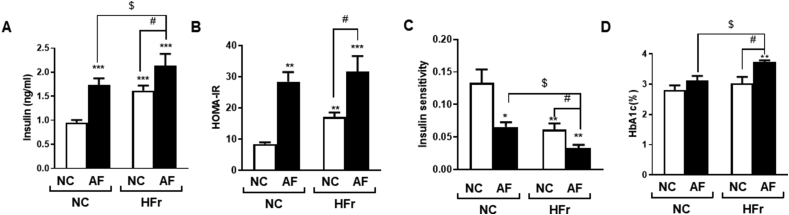
At present, the consumption and use of air fresheners (AFs) is rapidly increasing worldwide for the purposes of odor removal and to create a pleasant odor. Many recent studies have strongly suggested that the potentially hazardous chemicals emitted from AFs may be the primary source of indoor air pollutants and may cause adverse health effects. Despite the presence of hazardous chemicals in AFs, potential adverse health effects and risk assessment of AFs have not yet been established. The incidence of nonalcoholic fatty acid liver disease (NAFLD) around the world is rapidly increasing, as with obesity and diabetes, and is one of the most common causes of liver disease worldwide. Based on the demonstrated evidence that NAFLD could eventually develop into further health complications such as liver failure, cardiovascular disease, liver cirrhosis, or liver cancer, the current study was performed to clarify the relationship between inhaled AF exposure and NAFLD using a high-fructose diet (HFr)-induced murine model. The results from current study clearly demonstrated that AF exposure further exacerbated liver injury in NAFLD-induced mice. Interestingly, the increased expression of fibrosis-related factors and collagen accumulation in the liver of AF-exposed NAFLD-induced mice resulted in nonalcoholic steatohepatitis (NASH)-like phenotype and fibrosis. Taken together, these results strongly suggest that AF exposure may not only induce liver injury but may also exacerbate NAFLD to lead to NASH-like symptoms. Further study is needed to shed light on the detailed mechanisms behind AF-induced liver effects and its potential role in exacerbating NAFLD to more detrimental disease in order to better scientific evidence for risk assessments of indoor AF exposure.
目前,为了去除异味并营造宜人的气味,空气清新剂在全球范围内的消费和使用正在迅速增加。最近的许多研究都强烈表明,空气清新剂释放的潜在有害化学物质可能是室内空气污染物的主要来源,并可能对健康产生不利影响。尽管空气清新剂中存在有害化学物质,但尚未确定其潜在的健康不良影响和风险评估。与肥胖症和糖尿病一样,非酒精性脂肪性肝病(NAFLD)在全球的发病率正在迅速上升,是全球最常见的肝病原因之一。基于已证明的证据,即NAFLD最终可能发展为进一步的健康并发症,如肝衰竭、心血管疾病、肝硬化或肝癌,本研究采用高果糖饮食(HFr)诱导的小鼠模型,以阐明吸入空气清新剂暴露与NAFLD之间的关系。本研究结果清楚地表明,空气清新剂暴露进一步加剧了NAFLD诱导小鼠的肝损伤。有趣的是,暴露于空气清新剂的NAFLD诱导小鼠肝脏中纤维化相关因子表达增加和胶原蛋白积累,导致了非酒精性脂肪性肝炎(NASH)样表型和纤维化。综上所述,这些结果强烈表明,空气清新剂暴露不仅可能导致肝损伤,还可能加剧NAFLD,导致NASH样症状。需要进一步研究以阐明空气清新剂诱导肝脏效应背后的详细机制及其在将NAFLD恶化为更有害疾病中的潜在作用,以便为室内空气清新剂暴露的风险评估提供更好的科学证据。