College of life Sciences, Shihezi University, Shihezi City, 832003, Xinjiang, China.
BMC Plant Biol. 2021 Apr 5;21(1):165. doi: 10.1186/s12870-021-02942-6.
To decipher the root and microbial interaction, secondary metabolite accumulation in roots and the microbial community's succession model during the plant's growth period demands an in-depth investigation. However, till now, no comprehensive study is available on the succession of endophytic fungi and arbuscular mycorrhizal fungi (AMF) with roots of medicinal licorice plants and the effects of endophytic fungi and AMF on the secondary metabolite accumulation in licorice plant's root.
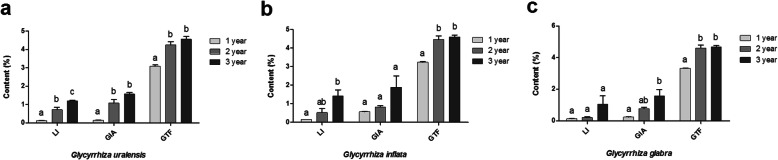
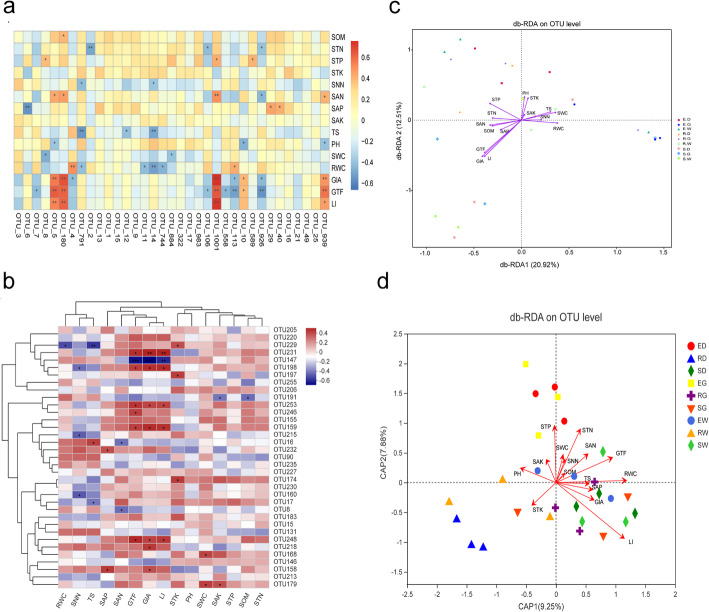
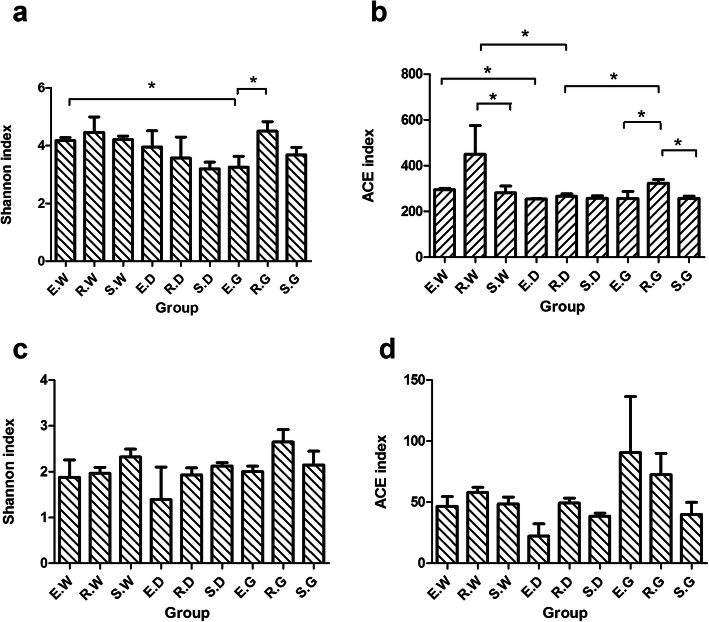
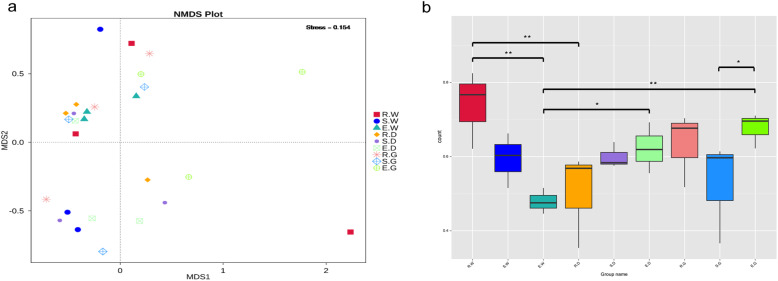
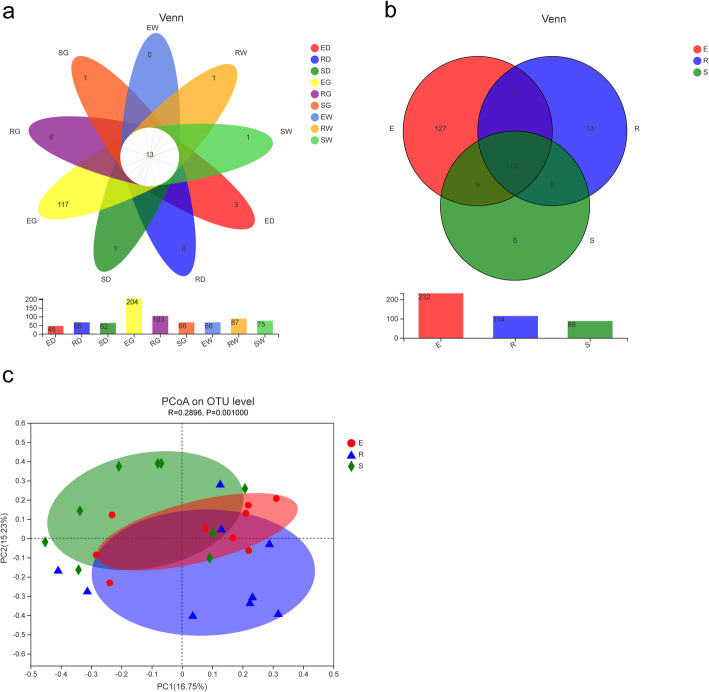
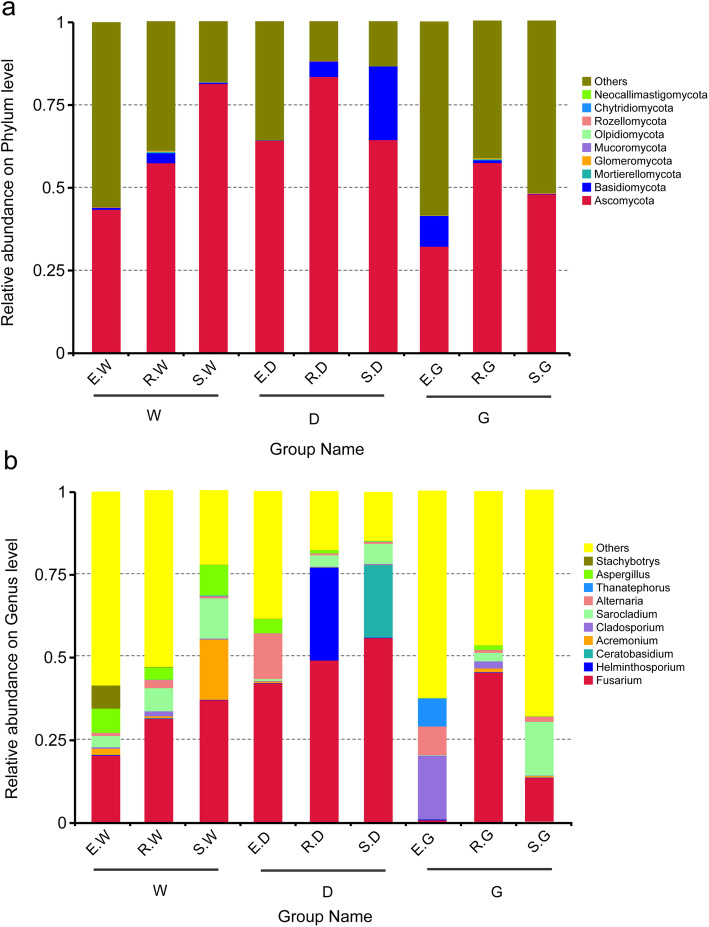
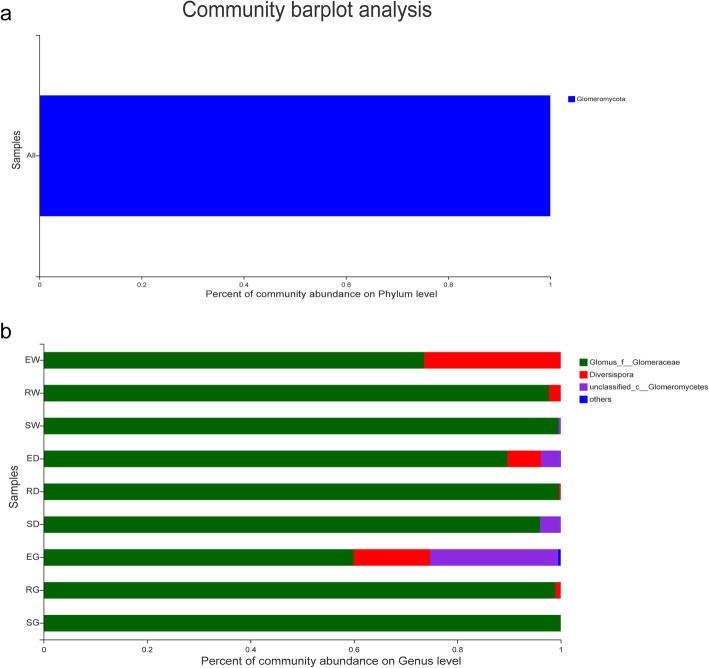
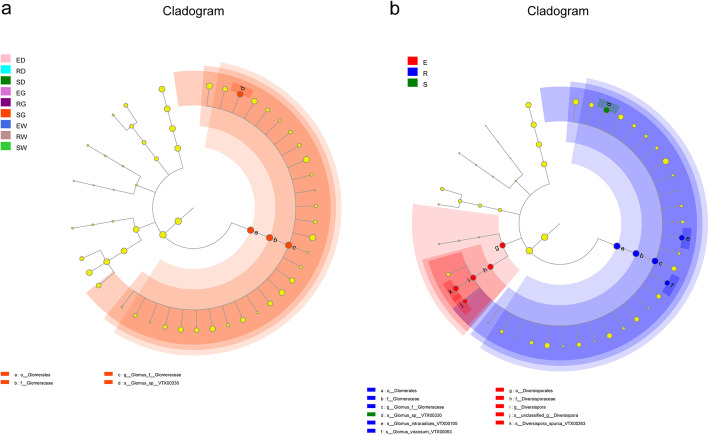
In the current study, interaction between root and microbes in 1-3 years old medicinal licorice plant's root and rhizospheric soil was investigated. Secondary metabolites content in licorice root was determined using high-performance liquid chromatography (HPLC). The composition and diversity of endophytic and AMF in the root and soil were deciphered using high-throughput sequencing technology. During the plant's growth period, as compared to AMF, time and species significantly affected the diversity and richness of endophytic fungi, such as Ascomycota, Basidiomycota, Fusarium, Cladosporium, Sarocladium. The growth period also influenced the AMF diversity, evident by the significant increase in the relative abundance of Glomus and the significant decrease in the relative abundance of Diversispora. It indicated a different succession pattern between the endophytic fungal and AMF communities. Meanwhile, distance-based redundancy analysis and Mantel tests revealed root's water content and secondary metabolites (glycyrrhizic acid, liquiritin, and total flavonoids), which conferred endophytic fungi and AMF diversity. Additionally, plant growth significantly altered soil's physicochemical properties, which influenced the distribution of endophytic fungal and AMF communities.
This study indicated a different succession pattern between the endophytic fungal and AMF communities. During the plant's growth period, the contents of three secondary metabolites in roots increased per year, which contributed to the overall differences in composition and distribution of endophytic fungal and AMF communities. The endophytic fungal communities were more sensitive to secondary metabolites than AMF communities. The current study provides novel insights into the interaction between rhizospheric microbes and root exudates.
为了解析根系与微生物的相互作用,深入研究药用甘草植物生长期间根系中次生代谢产物的积累和微生物群落的演替模式是十分必要的。然而,到目前为止,还没有关于药用甘草植物根系内生真菌和丛枝菌根真菌(AMF)演替以及内生真菌和 AMF 对甘草植物根系次生代谢产物积累影响的综合研究。
本研究调查了 1-3 年生药用甘草植物根系和根际土壤中根与微生物的相互作用。采用高效液相色谱法(HPLC)测定甘草根中的次生代谢产物含量。利用高通量测序技术解析根和土壤中内生真菌和 AMF 的组成和多样性。在植物生长期间,与 AMF 相比,时间和物种显著影响内生真菌的多样性和丰富度,如子囊菌门、担子菌门、镰刀菌属、枝孢属、节菱孢属。生长期间也影响 AMF 的多样性,明显表现为 Glomus 的相对丰度显著增加,而 Diversispora 的相对丰度显著降低。这表明内生真菌和 AMF 群落之间存在不同的演替模式。同时,基于距离的冗余分析和 Mantel 检验表明,根系的水分含量和次生代谢产物(甘草酸、甘草素和总黄酮)与内生真菌和 AMF 的多样性有关。此外,植物生长显著改变了土壤的理化性质,从而影响了内生真菌和 AMF 群落的分布。
本研究表明内生真菌和 AMF 群落之间存在不同的演替模式。在植物生长期间,根系中三种次生代谢产物的含量逐年增加,这导致了内生真菌和 AMF 群落的组成和分布存在总体差异。内生真菌群落比 AMF 群落对次生代谢产物更敏感。本研究为根际微生物与根系分泌物的相互作用提供了新的见解。