Department of Oral and Maxillofacial Surgery, Section of Dentistry, Seoul National University Bundang Hospital, 82 Gumi-ro 173beon-gil, Bundang-gu, Seongnam, 13620, Korea.
Office of Human Resources Development, Armed Forces Capital Hospital, Armed Forces Medical Command, Seongnam, Korea.
BMC Oral Health. 2021 Apr 9;21(1):182. doi: 10.1186/s12903-021-01550-y.
Occlusal stress from oral parafunctional habits is one of the causes of temporomandibular disorders (TMD) and mandibular torus (MT). Although some studies have investigated the correlation between TMD and MT, understanding of the relationships between types of TMD and MT is insufficient. Therefore, we conducted this study to investigate the associations between presence of MT and TMD types.
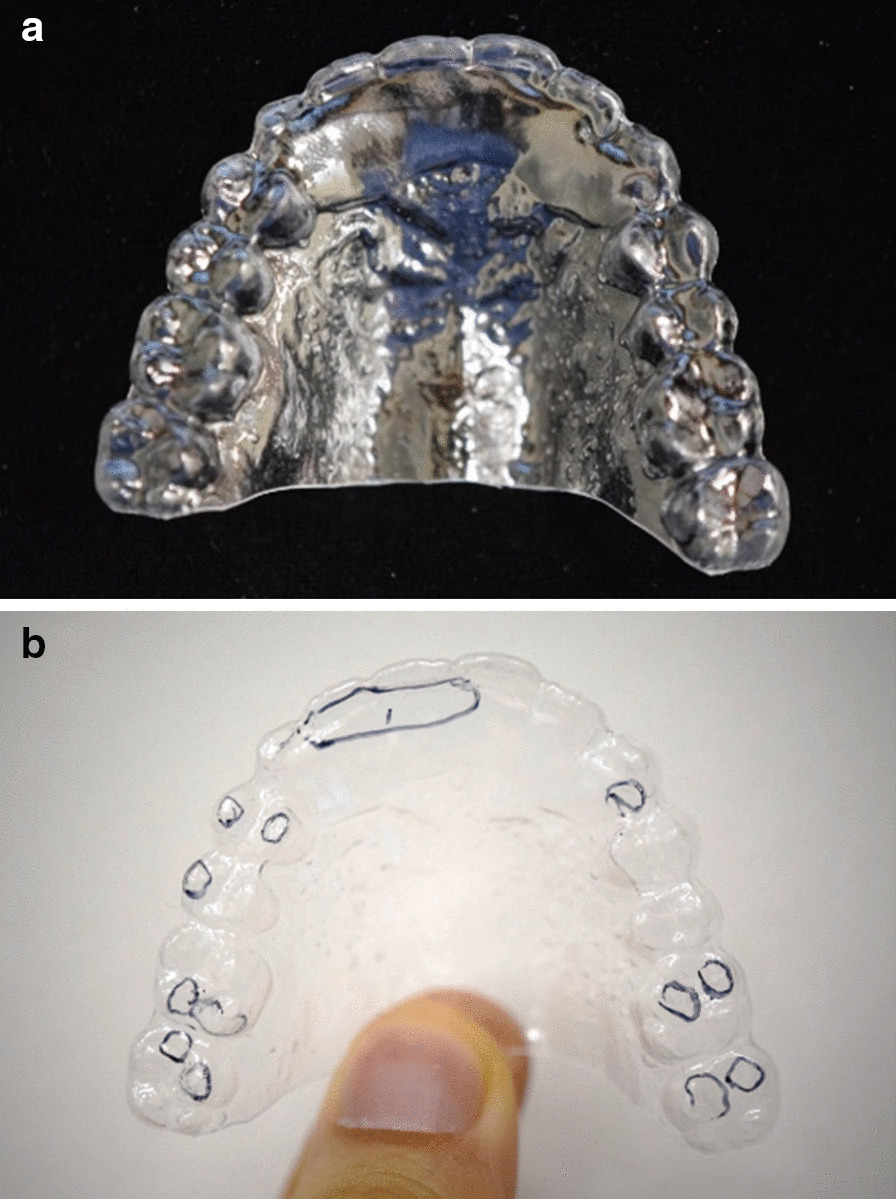
This study included 77 patients diagnosed with TMD who first visited our clinic for TMD between March 2019 and July 2020. Among them, 30 (38.9%) had MT, and 54 (70.1%) had oral parafunction. Parafunctional activity during sleep was confirmed using a temporary splint for checking bruxism (TSCB).
The relationship between prevalence of MT and oral parafunction in TMD patients was not statistically significant (P = 0.131), but the odds ratio was relatively high at 2.267. An analysis of TMD type revealed that Type I, which is classified as myalgia of the masticatory muscles, and MT had a significant association (P = 0.011). We fabricated a TSCB for 27 patients to wear during sleep and confirmed that 23 (85.2%) had nocturnal bruxism. The TSCB results and presence of MT showed a significant relationship (P = 0.047).
Through the results of this study, clinicians may consider the hyperactivity of masticatory muscles in the presence of MT when treating TMD patients. In addition, TSCB has a great diagnostic value as it can be easily manufactured and be useful for discovering pre-existing oral parafunctions that patients are not aware of.
口腔功能紊乱性习惯引起的咬合应力是颞下颌关节紊乱病(TMD)和下颌舌隆突(MT)的原因之一。虽然一些研究调查了 TMD 和 MT 之间的相关性,但对 TMD 类型和 MT 之间关系的理解还不够充分。因此,我们进行了这项研究,以调查 MT 的存在与 TMD 类型之间的关联。
本研究纳入了 2019 年 3 月至 2020 年 7 月间首次因 TMD 就诊于我院的 77 例 TMD 患者。其中 30 例(38.9%)存在 MT,54 例(70.1%)存在口腔功能紊乱。通过磨牙症临时夹板检查(TSCB)确认睡眠时的功能紊乱活动。
TMD 患者 MT 患病率与口腔功能紊乱之间的关系无统计学意义(P=0.131),但比值比相对较高,为 2.267。TMD 类型分析显示,属于咀嚼肌肌痛的 I 型与 MT 有显著关联(P=0.011)。我们为 27 例患者制作了 TSCB 让其在睡眠时佩戴,并确认 23 例(85.2%)有夜间磨牙症。TSCB 结果和 MT 存在显著关系(P=0.047)。
通过本研究的结果,临床医生在治疗 TMD 患者时可能会考虑到 MT 存在时咀嚼肌的过度活跃。此外,TSCB 具有很大的诊断价值,因为它易于制作,并且可以帮助发现患者未意识到的先前存在的口腔功能紊乱。