Guo Siyuan, Yang Pengcheng, Liang Bo, Zhou Feng, Hou Li, Kang Le, Wang Xianhui
State Key Laboratory of Integrated Management of Pest Insects and Rodents, Institute of Zoology, Chinese Academy of Sciences, Beijing, 100101, China.
CAS Center for Excellence in Biotic Interactions, University of Chinese Academy of Sciences, Beijing, 100049, China.
BMC Genomics. 2021 Apr 10;22(1):257. doi: 10.1186/s12864-021-07585-3.
Non-Drosophila insects provide diverse aging types and important complementary systems for studies of aging biology. However, little attention has been paid to the special roles of non-Drosophila insects in aging research. Here, the aging-related features of the migratory locust, Locusta migratoria, were determined at the physiological, cellular, and transcriptional levels.
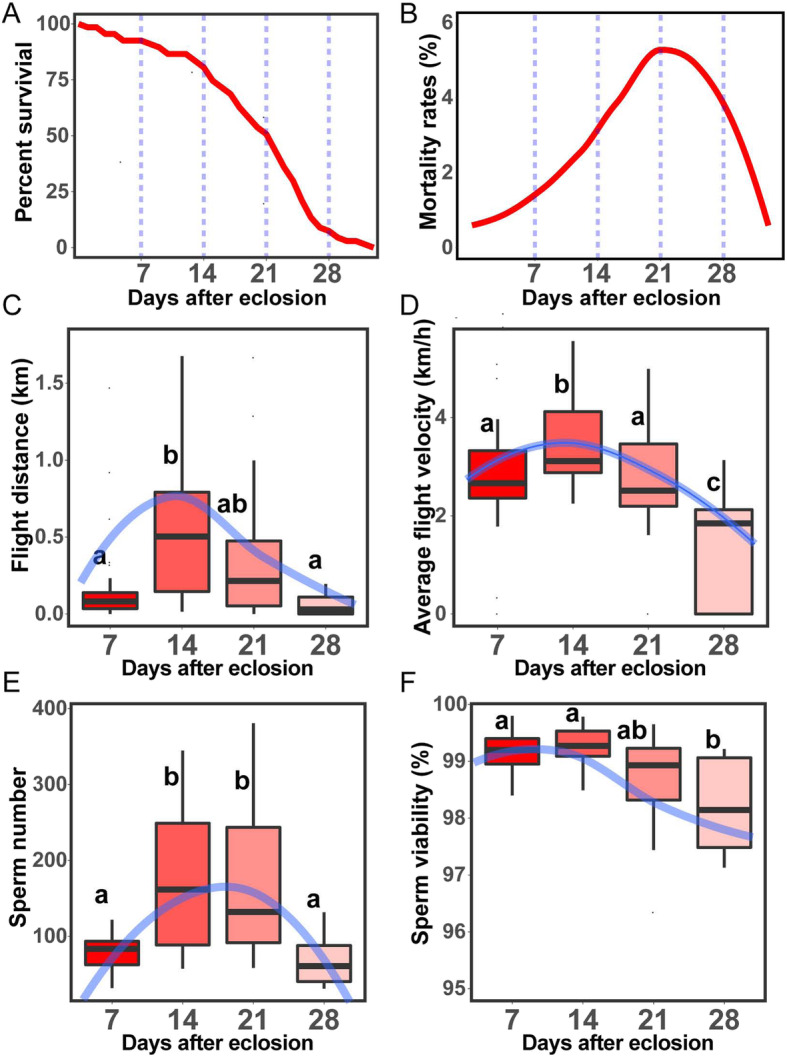
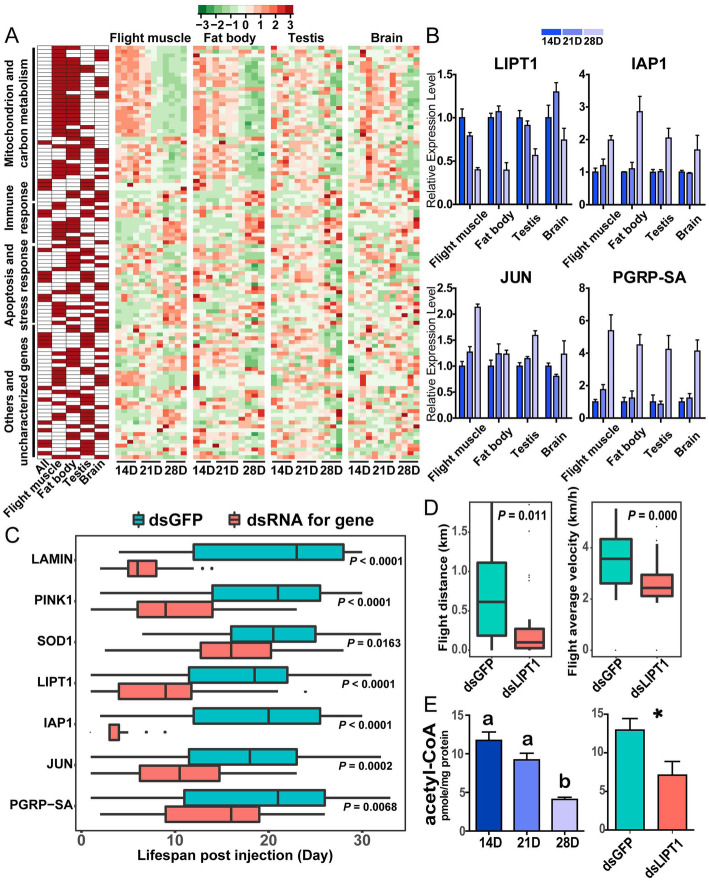
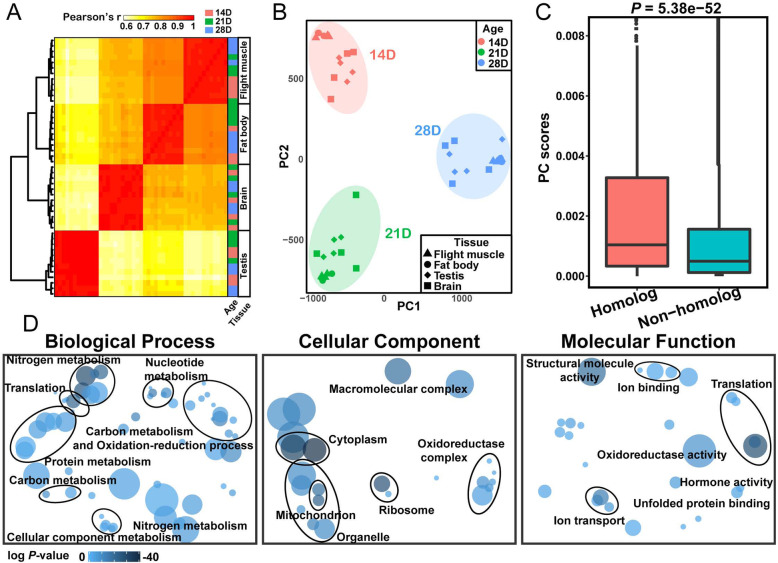
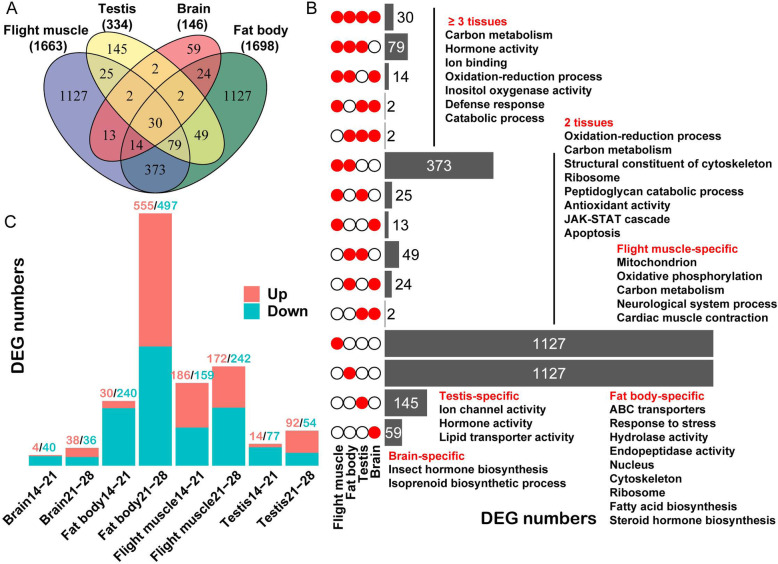
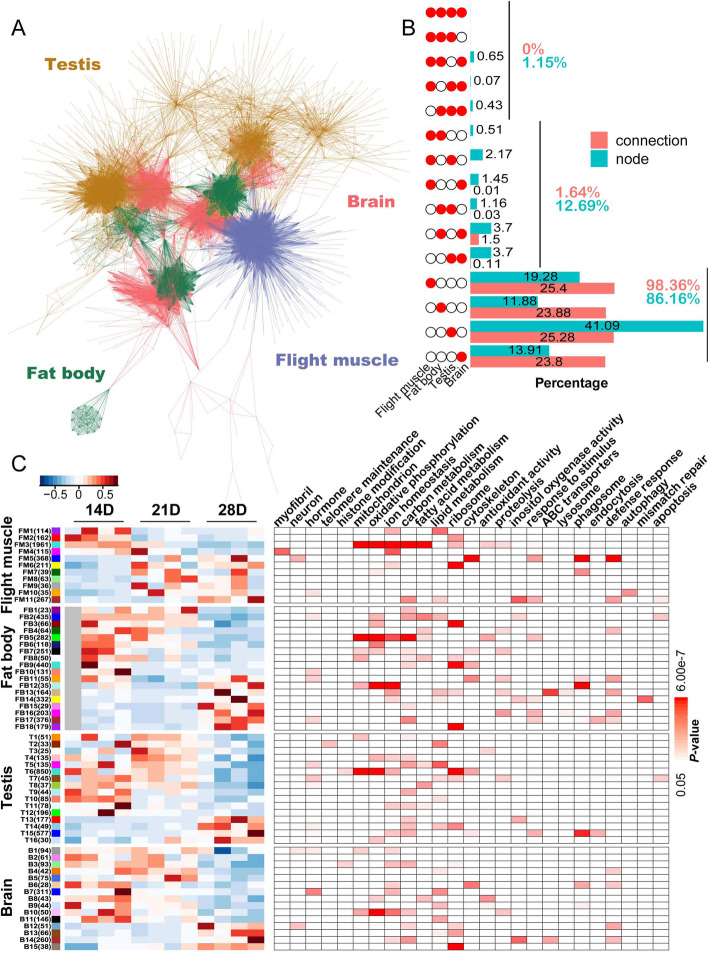
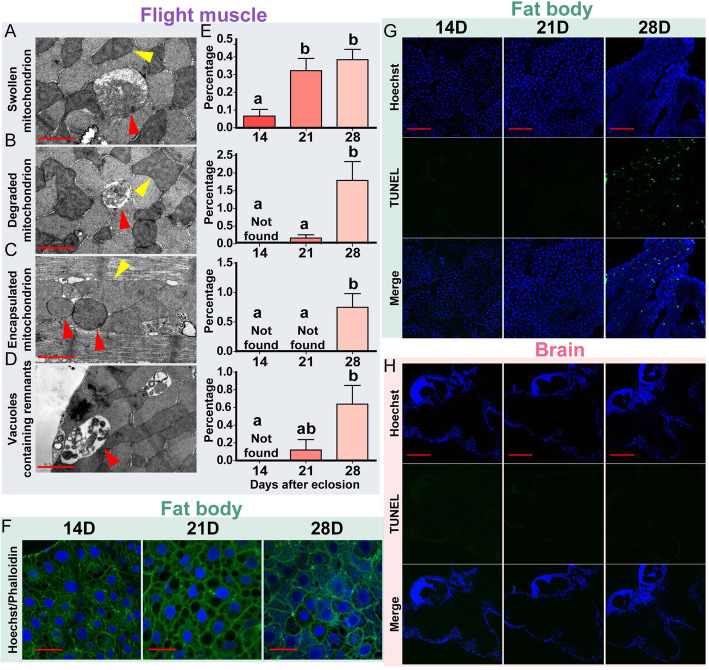
In physiological assessments, the flight performance and sperm state of locusts displayed clear aging-related decline in male adults. Transcriptional analyses demonstrated locusts have similar aging-related genes with model species. However, different from those of Drosophila and mammals, the organ-specific aging transcriptional features of locusts were characterized by intensive expression changes in flight muscle and fat body and little transcriptional changes in brain. The predominant transcriptional characteristics of flight muscle and fat body aging were changes in expression of mitochondrion-related genes and detoxification and phagocytosis genes, respectively. Cellular assessments revealed the incidence of mitochondrial abnormalities significantly increased in aged flight muscle, and apoptotic signals and nuclear abnormalities were enhanced in aged fat body but not in brain. In addition, some well-known aging genes and locust aging-related genes (i.e., IAP1, PGRP-SA, and LIPT1), whose roles in aging regulation were rarely reported, were demonstrated to affect lifespan, metabolism, and flight ability of locusts after RNAi.
This study revealed multi-level aging signatures of locust, thus laying a foundation for further investigation of aging mechanisms in this famous insect in the future.
非果蝇昆虫为衰老生物学研究提供了多样的衰老类型和重要的互补系统。然而,非果蝇昆虫在衰老研究中的特殊作用却很少受到关注。在此,我们在生理、细胞和转录水平上确定了飞蝗(Locusta migratoria)与衰老相关的特征。
在生理评估中,雄性成年飞蝗的飞行性能和精子状态呈现出与衰老相关的明显下降。转录分析表明,飞蝗具有与模式物种相似的衰老相关基因。然而,与果蝇和哺乳动物不同的是,飞蝗器官特异性的衰老转录特征表现为飞行肌和脂肪体中有强烈的表达变化,而脑中的转录变化很小。飞行肌和脂肪体衰老的主要转录特征分别是线粒体相关基因以及解毒和吞噬基因表达的变化。细胞评估显示,老年飞行肌中线粒体异常的发生率显著增加,老年脂肪体中的凋亡信号和核异常增强,但脑中没有。此外,一些在衰老调控中作用鲜有报道的著名衰老基因和飞蝗衰老相关基因(即IAP1、PGRP-SA和LIPT1)在RNA干扰后被证明会影响飞蝗的寿命、代谢和飞行能力。
本研究揭示了飞蝗多层次的衰老特征,从而为未来进一步研究这种著名昆虫的衰老机制奠定了基础。