Immunoregulation Section, Laboratory of Immunology and Molecular Biology, National Institute on Aging, Baltimore, MD, USA.
The Mina and Everard Goodman faculty of Life Sciences, Ramat Gan, Israel.
Nat Commun. 2021 Apr 12;12(1):2185. doi: 10.1038/s41467-021-22479-4.
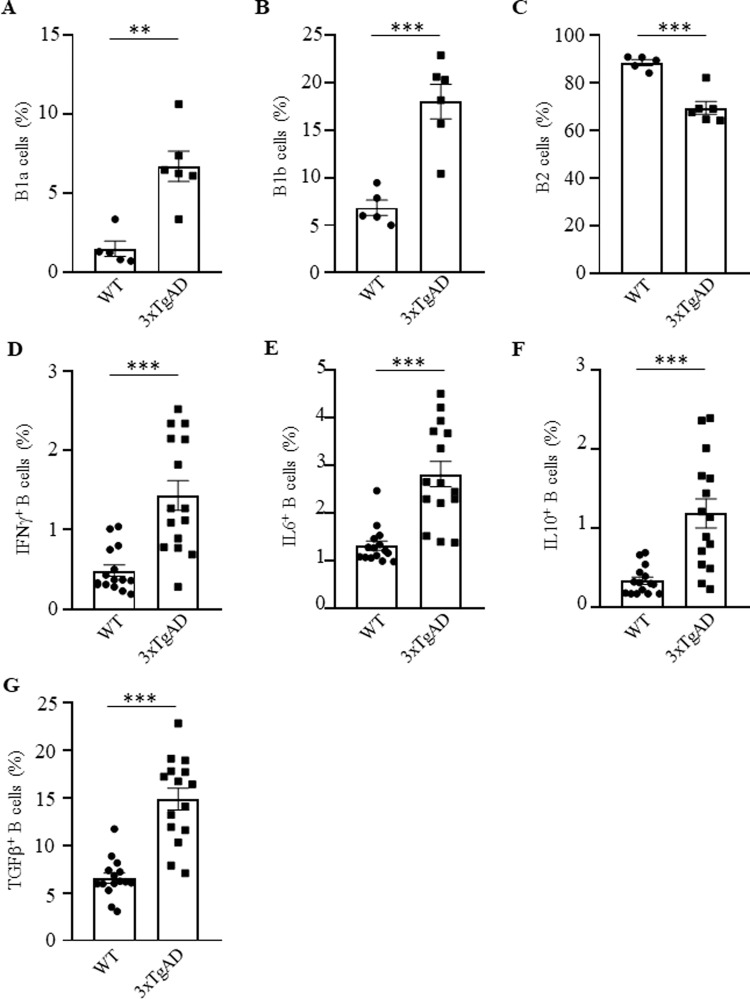
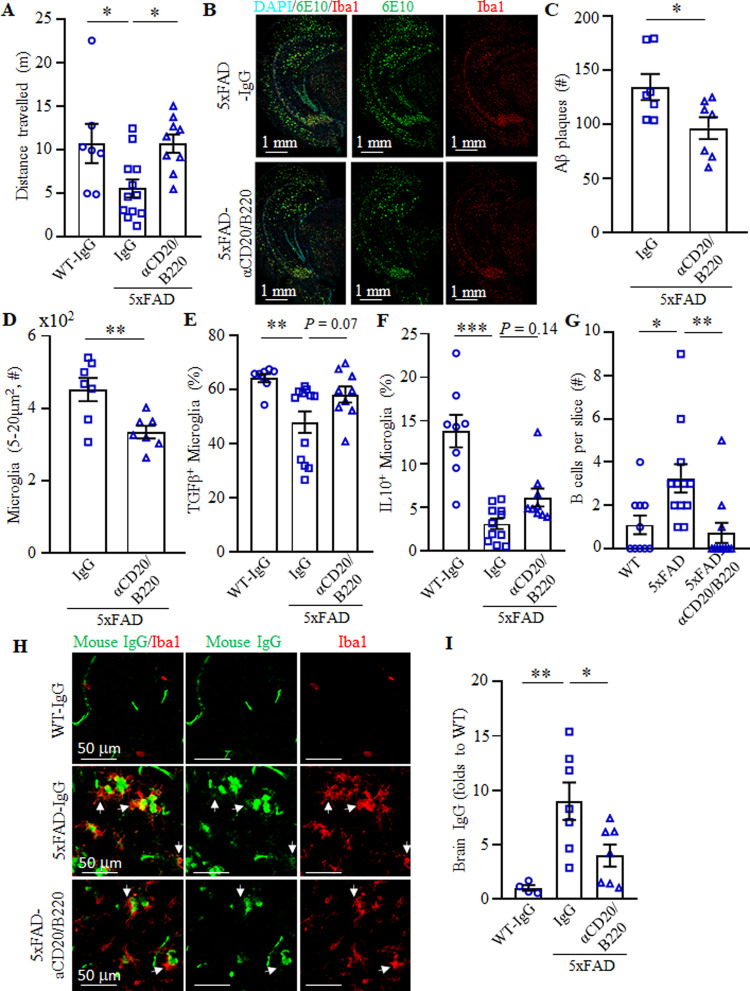
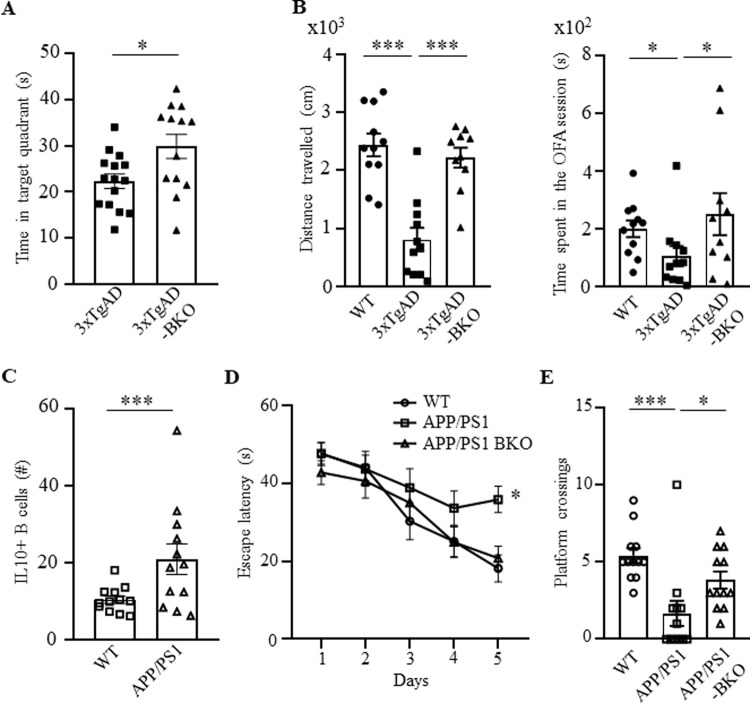
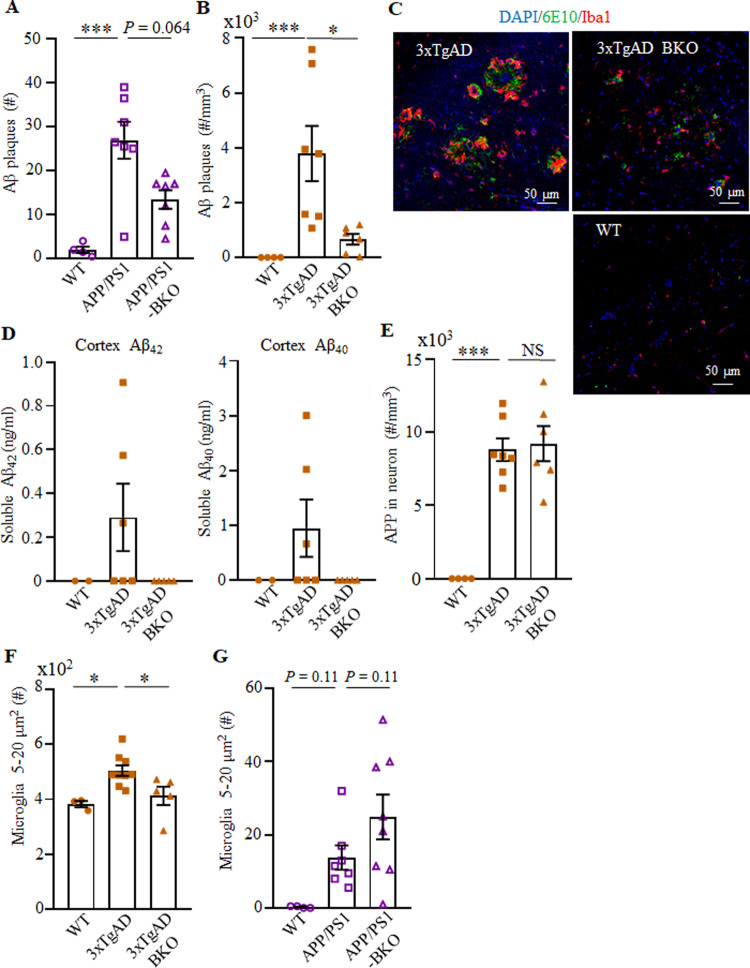
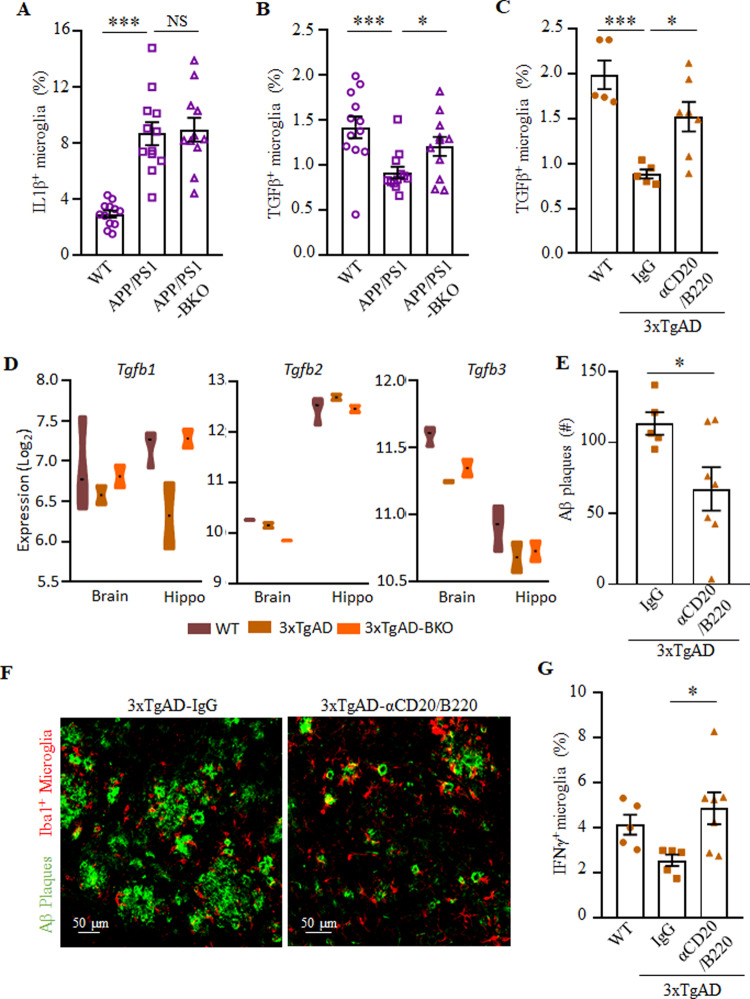
The function of B cells in Alzheimer's disease (AD) is not fully understood. While immunoglobulins that target amyloid beta (Aβ) may interfere with plaque formation and hence progression of the disease, B cells may contribute beyond merely producing immunoglobulins. Here we show that AD is associated with accumulation of activated B cells in circulation, and with infiltration of B cells into the brain parenchyma, resulting in immunoglobulin deposits around Aβ plaques. Using three different murine transgenic models, we provide counterintuitive evidence that the AD progression requires B cells. Despite expression of the AD-fostering transgenes, the loss of B cells alone is sufficient to reduce Aβ plaque burden and disease-associated microglia. It reverses behavioral and memory deficits and restores TGFβ microglia, respectively. Moreover, therapeutic depletion of B cells at the onset of the disease retards AD progression in mice, suggesting that targeting B cells may also benefit AD patients.
B 细胞在阿尔茨海默病(AD)中的作用尚未完全阐明。虽然针对淀粉样蛋白β(Aβ)的免疫球蛋白可能会干扰斑块的形成,从而减缓疾病的进展,但 B 细胞的作用可能不仅仅是产生免疫球蛋白。在这里,我们发现 AD 与循环中激活的 B 细胞的积累以及 B 细胞浸润脑实质有关,导致围绕 Aβ斑块的免疫球蛋白沉积。使用三种不同的转基因小鼠模型,我们提供了一个反直觉的证据,即 AD 的进展需要 B 细胞。尽管表达了促进 AD 的转基因,但仅 B 细胞的缺失就足以减少 Aβ斑块负担和与疾病相关的小胶质细胞。分别逆转了行为和记忆缺陷并恢复了 TGFβ 小胶质细胞。此外,在疾病开始时耗尽 B 细胞的治疗可以延缓小鼠的 AD 进展,这表明靶向 B 细胞也可能有益于 AD 患者。