Nikparvar Bahareh, Andreevskaya Margarita, Duru Ilhan C, Bucur Florentina I, Grigore-Gurgu Leontina, Borda Daniela, Nicolau Anca I, Riedel Christian U, Auvinen Petri, Bar Nadav
Department of Chemical Engineering, Norwegian University of Science and Technology, Trondheim, Norway.
Institute of Biotechnology, University of Helsinki, Helsinki, Finland.
BMC Genomics. 2021 Apr 14;22(1):266. doi: 10.1186/s12864-021-07461-0.
The pathogen Listeria (L.) monocytogenes is known to survive heat, cold, high pressure, and other extreme conditions. Although the response of this pathogen to pH, osmotic, temperature, and oxidative stress has been studied extensively, its reaction to the stress produced by high pressure processing HPP (which is a preservation method in the food industry), and the activated gene regulatory network (GRN) in response to this stress is still largely unknown.
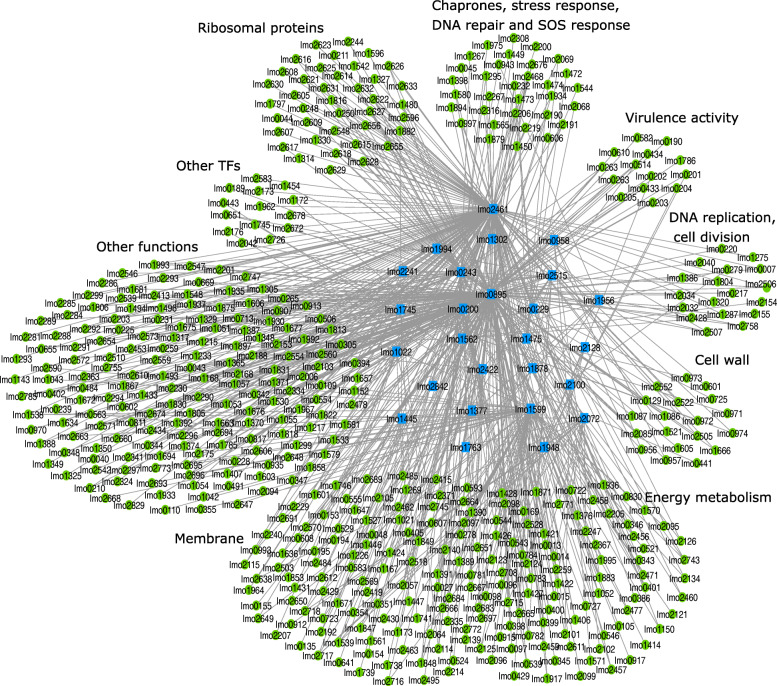
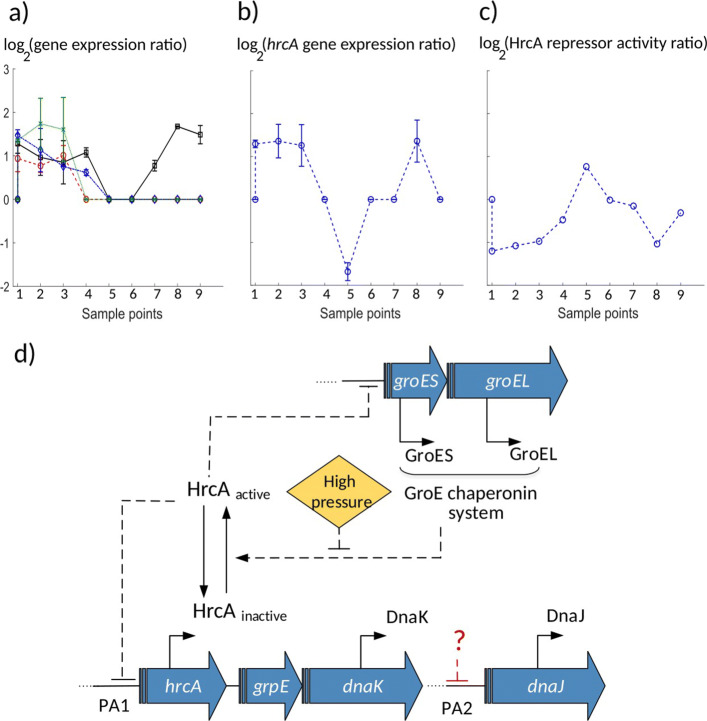
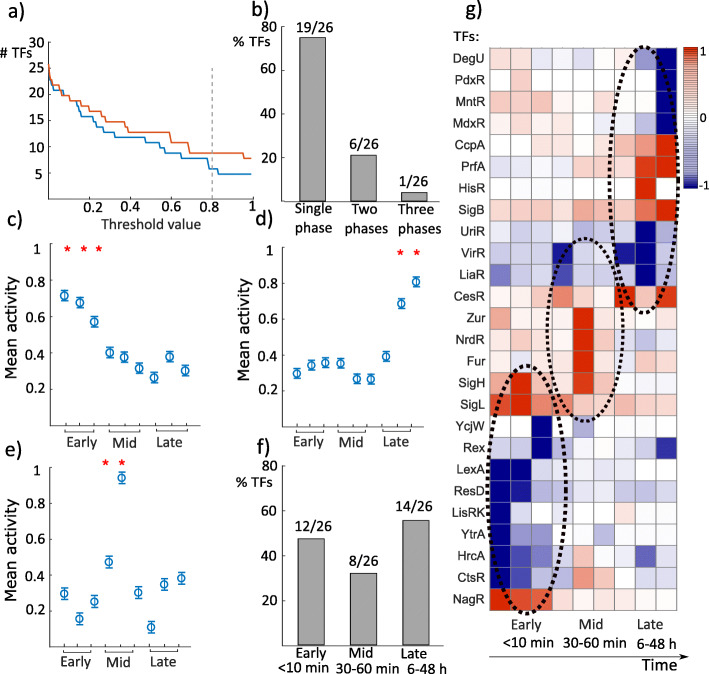
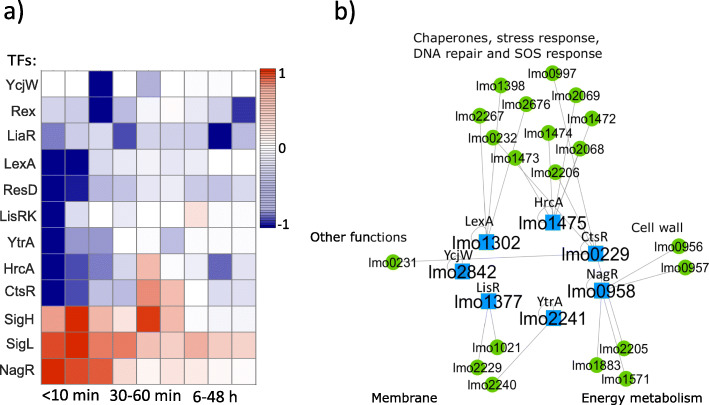
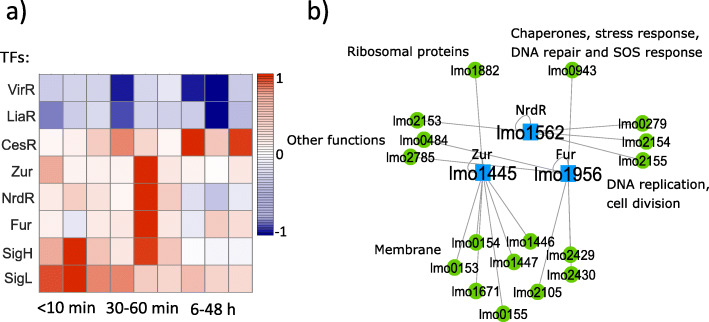
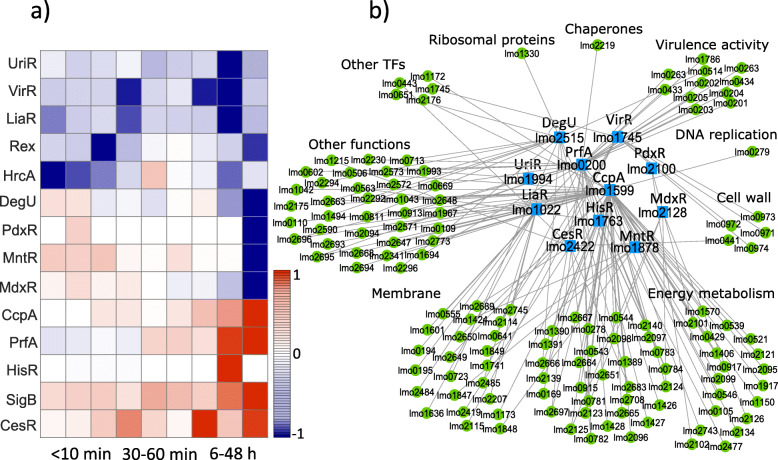
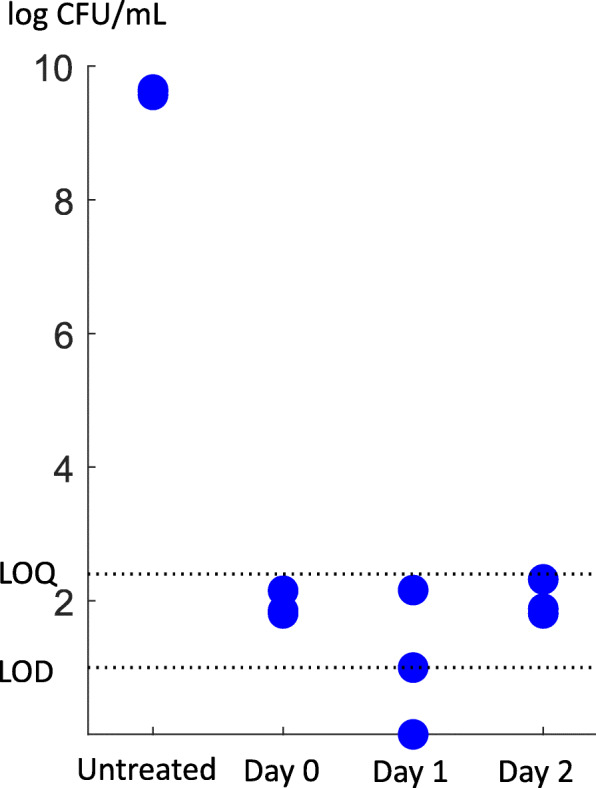
We used RNA sequencing transcriptome data of L. monocytogenes (ScottA) treated at 400 MPa and 8C, for 8 min and combined it with current information in the literature to create a transcriptional regulation database, depicting the relationship between transcription factors (TFs) and their target genes (TGs) in L. monocytogenes. We then applied network component analysis (NCA), a matrix decomposition method, to reconstruct the activities of the TFs over time. According to our findings, L. monocytogenes responded to the stress applied during HPP by three statistically different gene regulation modes: survival mode during the first 10 min post-treatment, repair mode during 1 h post-treatment, and re-growth mode beyond 6 h after HPP. We identified the TFs and their TGs that were responsible for each of the modes. We developed a plausible model that could explain the regulatory mechanism that L. monocytogenes activated through the well-studied CIRCE operon via the regulator HrcA during the survival mode.
Our findings suggest that the timely activation of TFs associated with an immediate stress response, followed by the expression of genes for repair purposes, and then re-growth and metabolism, could be a strategy of L. monocytogenes to survive and recover extreme HPP conditions. We believe that our results give a better understanding of L. monocytogenes behavior after exposure to high pressure that may lead to the design of a specific knock-out process to target the genes or mechanisms. The results can help the food industry select appropriate HPP conditions to prevent L. monocytogenes recovery during food storage.
已知病原菌单核细胞增生李斯特菌能够在高温、低温、高压及其他极端条件下存活。尽管对该病原菌对pH值、渗透压、温度及氧化应激的反应已进行了广泛研究,但其对高压处理(HPP,食品工业中的一种保鲜方法)所产生应激的反应以及响应该应激而激活的基因调控网络(GRN)仍 largely 未知。
我们使用了在400MPa和8℃处理8分钟的单核细胞增生李斯特菌(ScottA)的RNA测序转录组数据,并将其与文献中的现有信息相结合,创建了一个转录调控数据库,描绘了单核细胞增生李斯特菌中转录因子(TFs)与其靶基因(TGs)之间的关系。然后,我们应用网络成分分析(NCA,一种矩阵分解方法)来重建TFs随时间的活性。根据我们的研究结果,单核细胞增生李斯特菌通过三种统计学上不同的基因调控模式对HPP处理期间施加的应激作出反应:处理后前10分钟的存活模式、处理后1小时的修复模式以及HPP处理后6小时后的重新生长模式。我们确定了每种模式所涉及的TFs及其TGs。我们开发了一个合理的模型,该模型可以解释单核细胞增生李斯特菌在存活模式下通过调控因子HrcA经充分研究的CIRCE操纵子激活的调控机制。
我们的研究结果表明,与即时应激反应相关的TFs的及时激活,随后是用于修复目的的基因表达,然后是重新生长和代谢,可能是单核细胞增生李斯特菌在极端HPP条件下存活和恢复的一种策略。我们相信,我们的结果能更好地理解单核细胞增生李斯特菌在暴露于高压后的行为,这可能会导致设计针对特定基因或机制的基因敲除过程。这些结果可以帮助食品工业选择合适的HPP条件,以防止单核细胞增生李斯特菌在食品储存期间恢复生长。