Department of Chemical Engineering & Applied Chemistry, University of Toronto, Toronto, Canada.
Temerty Faculty of Medicine, University of Toronto, Toronto, Canada.
Elife. 2021 Apr 16;10:e65774. doi: 10.7554/eLife.65774.
Which virological factors mediate overdispersion in the transmissibility of emerging viruses remains a long-standing question in infectious disease epidemiology.
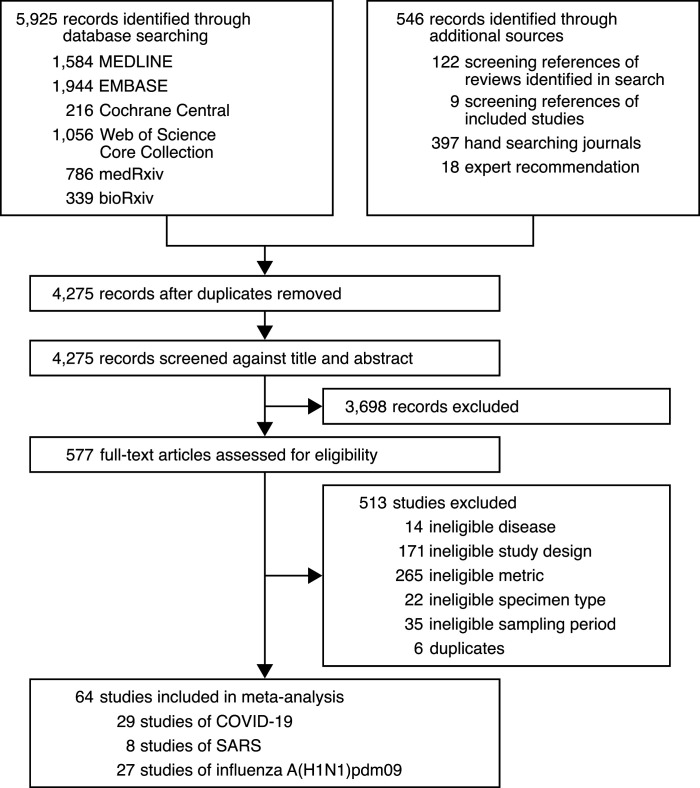
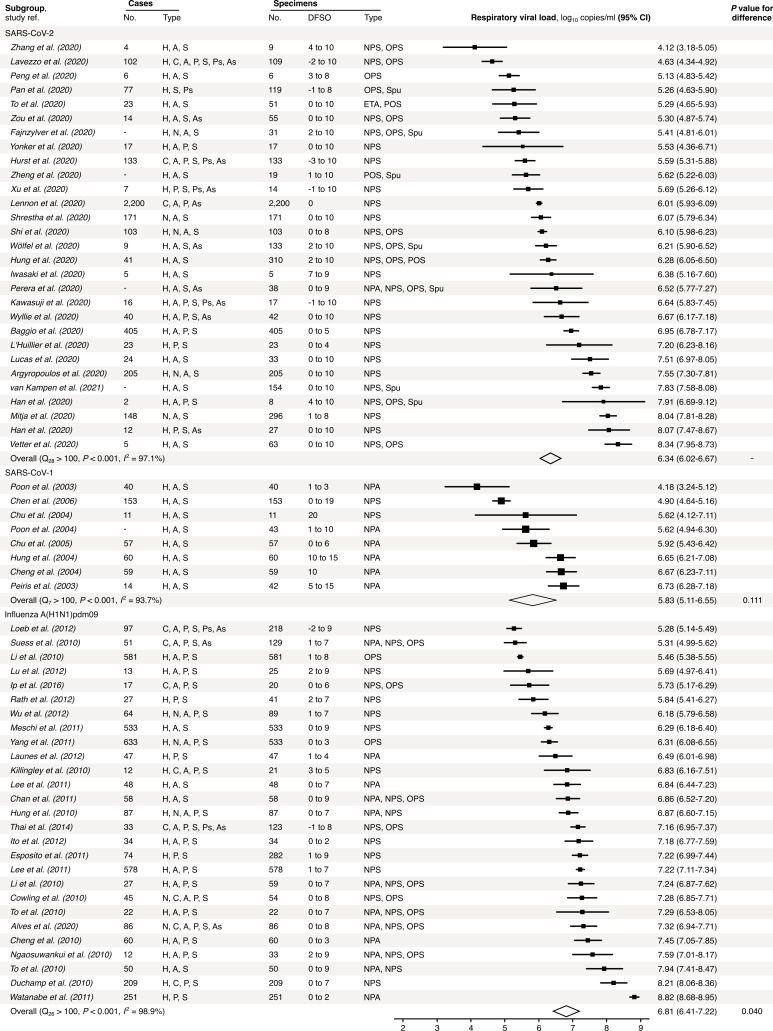
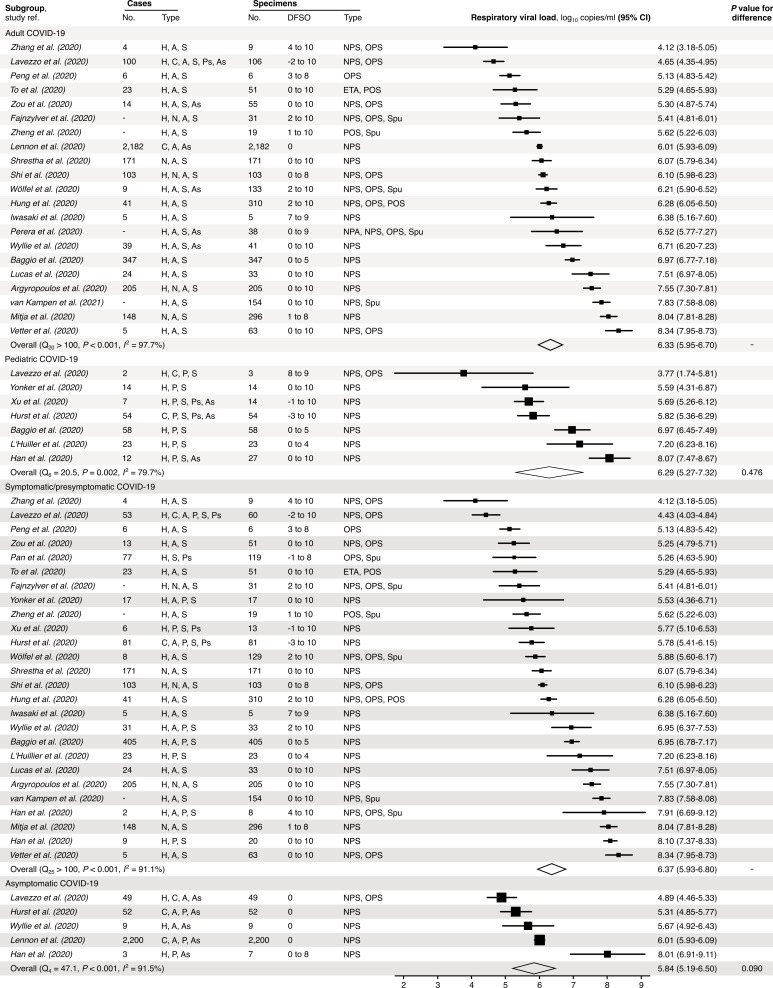
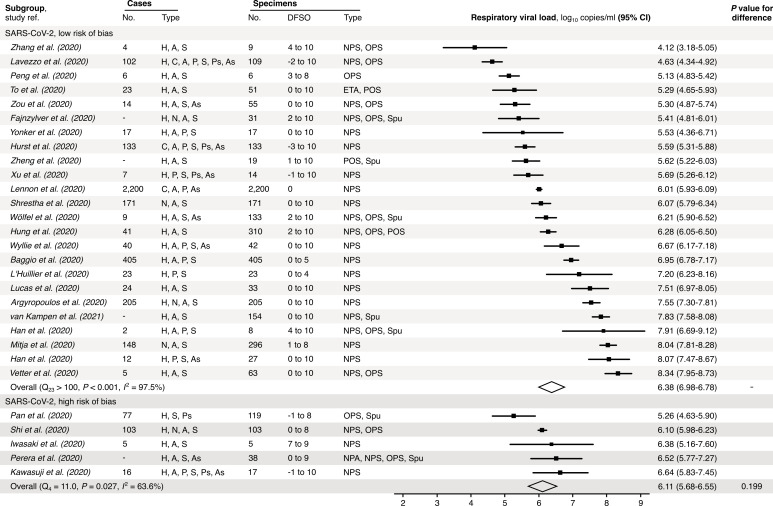
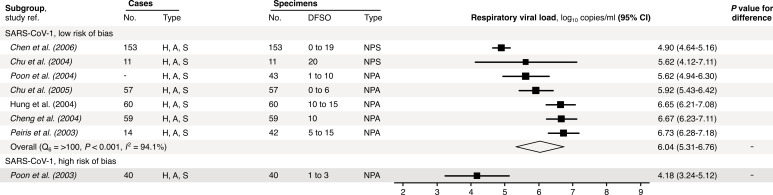
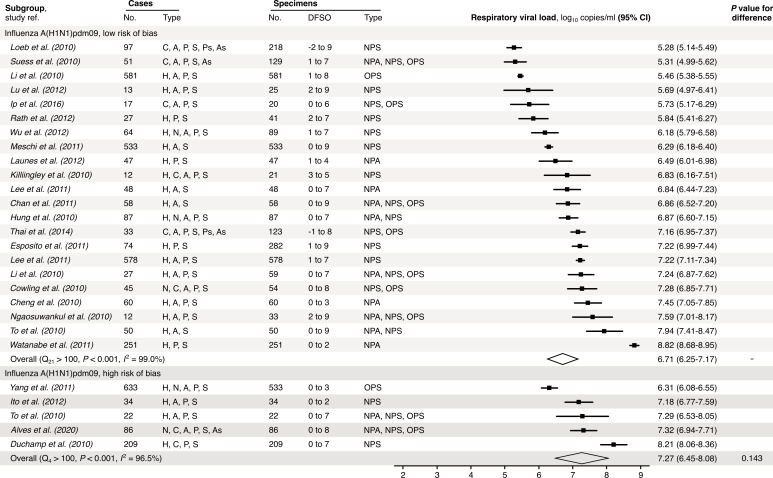
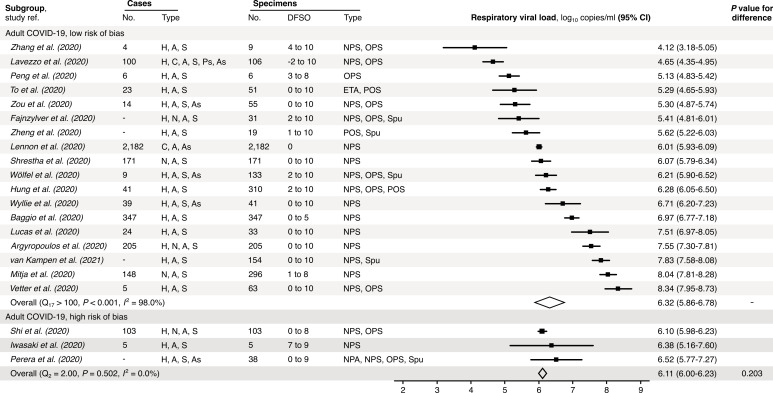
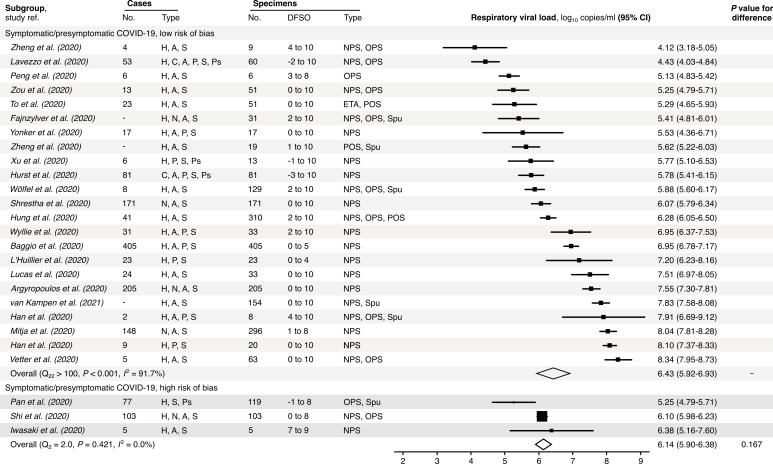
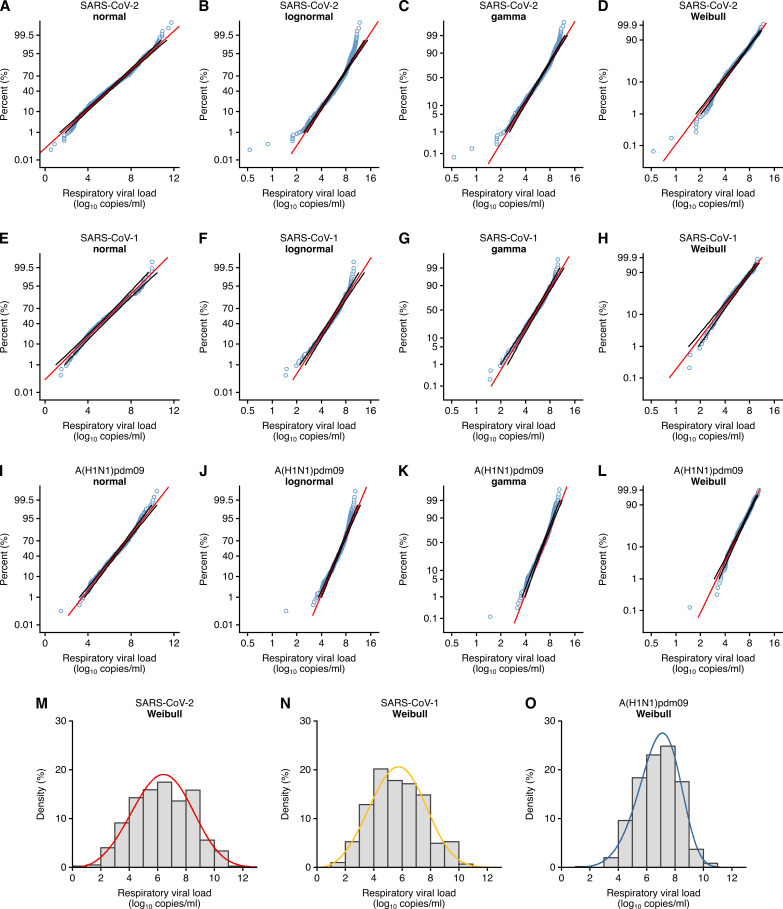
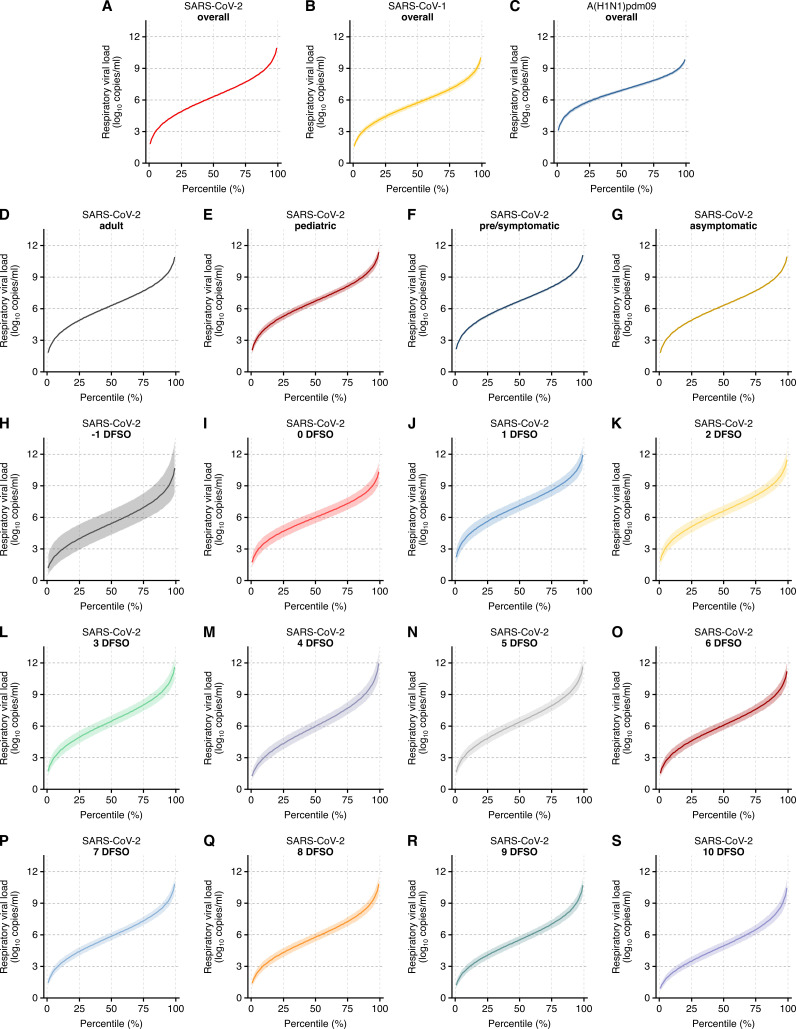
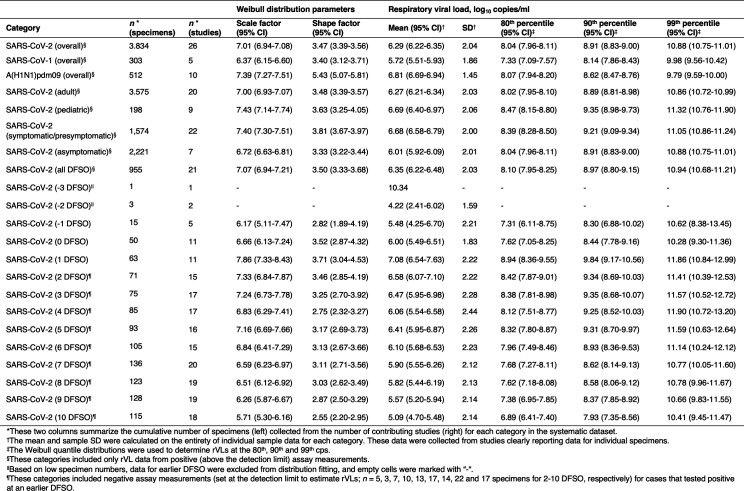
Here, we use systematic review to develop a comprehensive dataset of respiratory viral loads (rVLs) of SARS-CoV-2, SARS-CoV-1 and influenza A(H1N1)pdm09. We then comparatively meta-analyze the data and model individual infectiousness by shedding viable virus via respiratory droplets and aerosols.
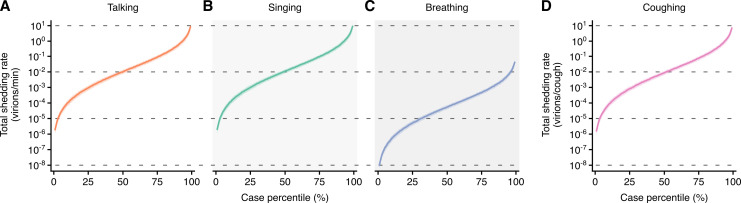
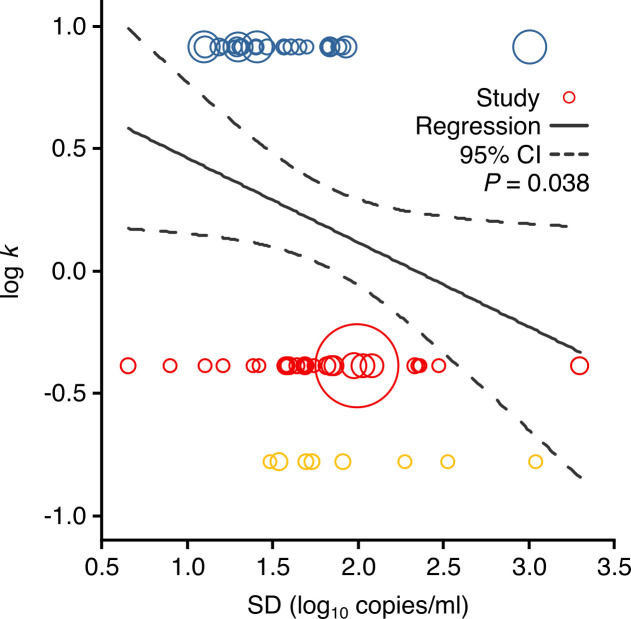
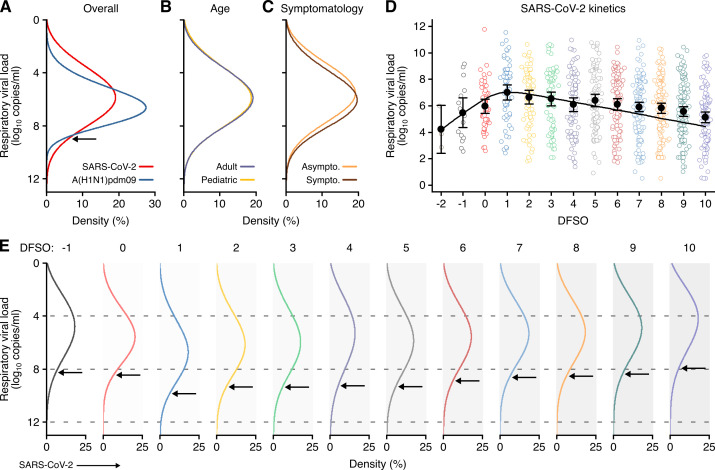
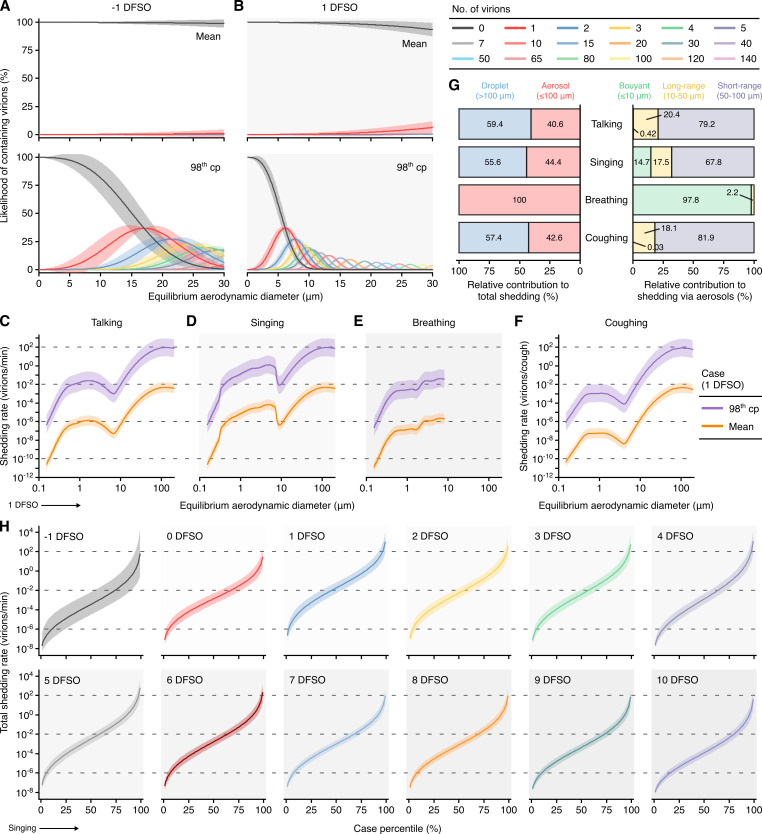
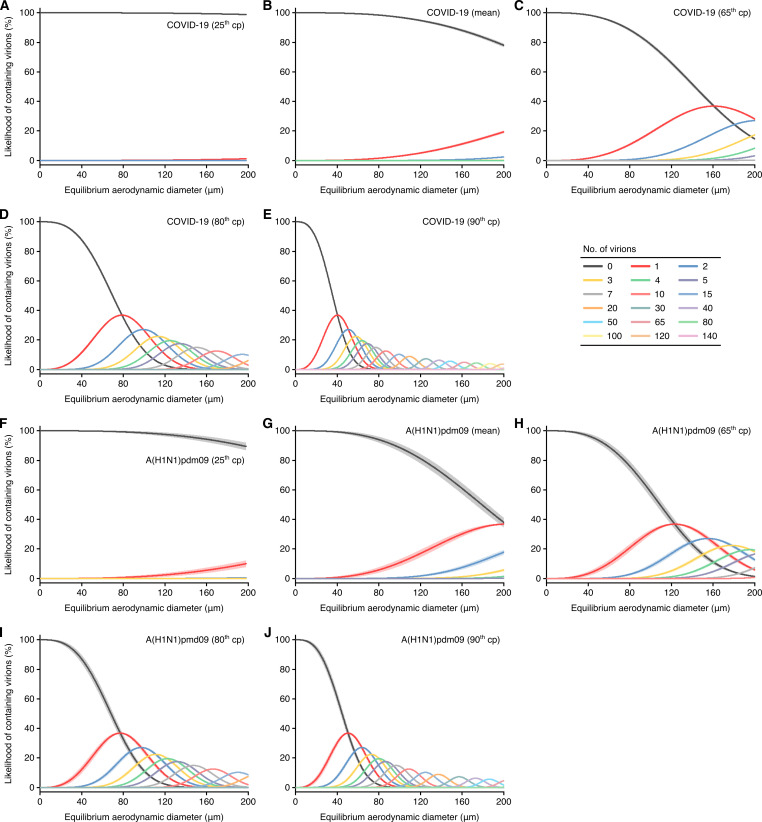
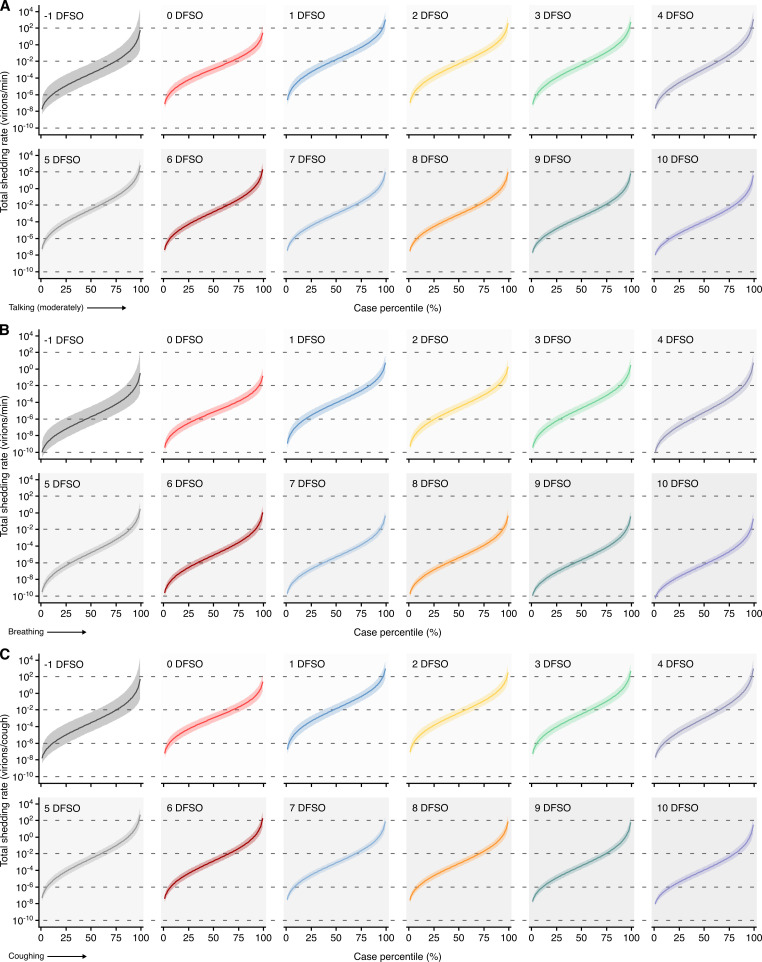
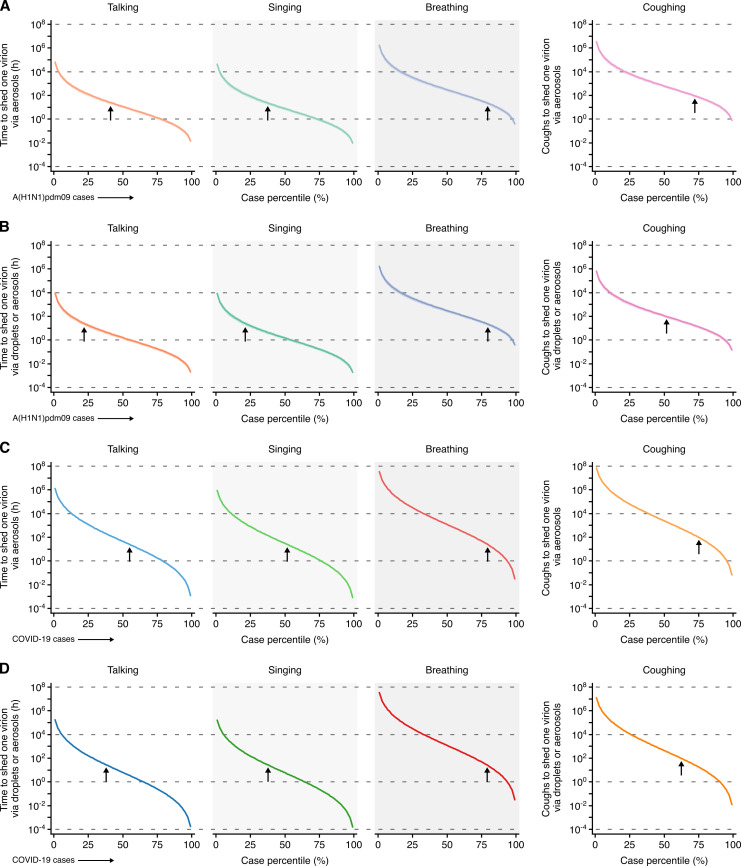
The analyses indicate heterogeneity in rVL as an intrinsic virological factor facilitating greater overdispersion for SARS-CoV-2 in the COVID-19 pandemic than A(H1N1)pdm09 in the 2009 influenza pandemic. For COVID-19, case heterogeneity remains broad throughout the infectious period, including for pediatric and asymptomatic infections. Hence, many COVID-19 cases inherently present minimal transmission risk, whereas highly infectious individuals shed tens to thousands of SARS-CoV-2 virions/min via droplets and aerosols while breathing, talking and singing. Coughing increases the contagiousness, especially in close contact, of symptomatic cases relative to asymptomatic ones. Infectiousness tends to be elevated between 1 and 5 days post-symptom onset.
Intrinsic case variation in rVL facilitates overdispersion in the transmissibility of emerging respiratory viruses. Our findings present considerations for disease control in the COVID-19 pandemic as well as future outbreaks of novel viruses.
Natural Sciences and Engineering Research Council of Canada (NSERC) Discovery Grant program, NSERC Senior Industrial Research Chair program and the Toronto COVID-19 Action Fund.
新兴病毒传播中的离散度由哪些病毒学因素介导,这是传染病流行病学中长期存在的问题。
在这里,我们使用系统综述来构建 SARS-CoV-2、SARS-CoV-1 和流感 A(H1N1)pdm09 的呼吸道病毒载量(rVL)的综合数据集。然后,我们比较性地对这些数据进行荟萃分析,并通过呼吸道飞沫和气溶胶传播有活力的病毒来对个体传染性进行建模。
分析表明,rVL 作为一种内在的病毒学因素,使 COVID-19 大流行期间的 SARS-CoV-2 比 2009 年流感大流行期间的 A(H1N1)pdm09 更容易出现离散度更大的情况。对于 COVID-19,在整个感染期内,病例异质性仍然很广泛,包括儿科和无症状感染。因此,许多 COVID-19 病例本身就具有最小的传播风险,而高度传染性的个体在呼吸、说话和唱歌时通过飞沫和气溶胶每分钟可排出数十到数千个 SARS-CoV-2 病毒颗粒。咳嗽会增加传染性,尤其是在密切接触时,相对于无症状病例,有症状病例的传染性更高。传染性通常在症状出现后 1 至 5 天内升高。
rVL 中的内在病例变异促进了新兴呼吸道病毒传播的离散度。我们的发现为 COVID-19 大流行以及未来新型病毒的爆发提供了疾病控制方面的考虑。
加拿大自然科学与工程研究理事会(NSERC)发现计划、NSERC 高级工业研究主席计划和多伦多 COVID-19 行动基金。