Reardon Thomas, Tschirley David, Liverpool-Tasie Lenis Saweda O, Awokuse Titus, Fanzo Jessica, Minten Bart, Vos Rob, Dolislager Michael, Sauer Christine, Dhar Rahul, Vargas Carolina, Lartey Anna, Raza Ahmed, Popkin Barry M
Department of Agricultural, Food, and Resource Economics, Michigan State University, East Lansing, MI 48824, USA.
Nitze School of Advanced International Studies and the Department of International Health, Johns Hopkins Bloomberg School of Public Health, Johns Hopkins University, Baltimore, MD, USA.
Glob Food Sec. 2021 Mar;28. doi: 10.1016/j.gfs.2020.100466. Epub 2020 Dec 2.
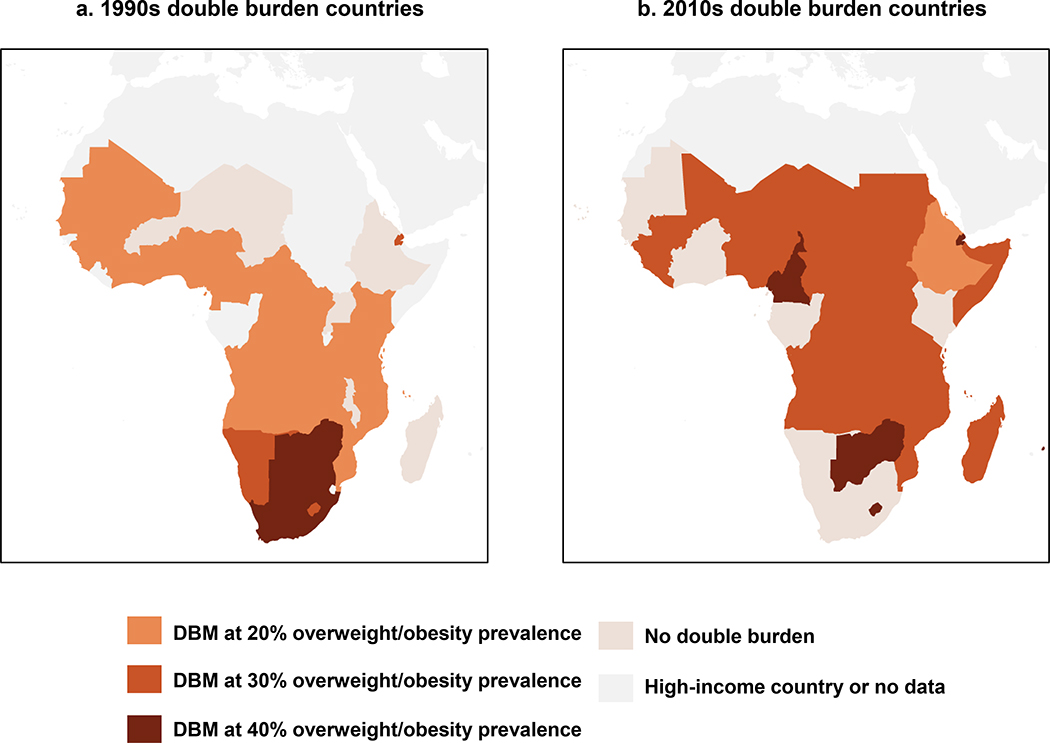
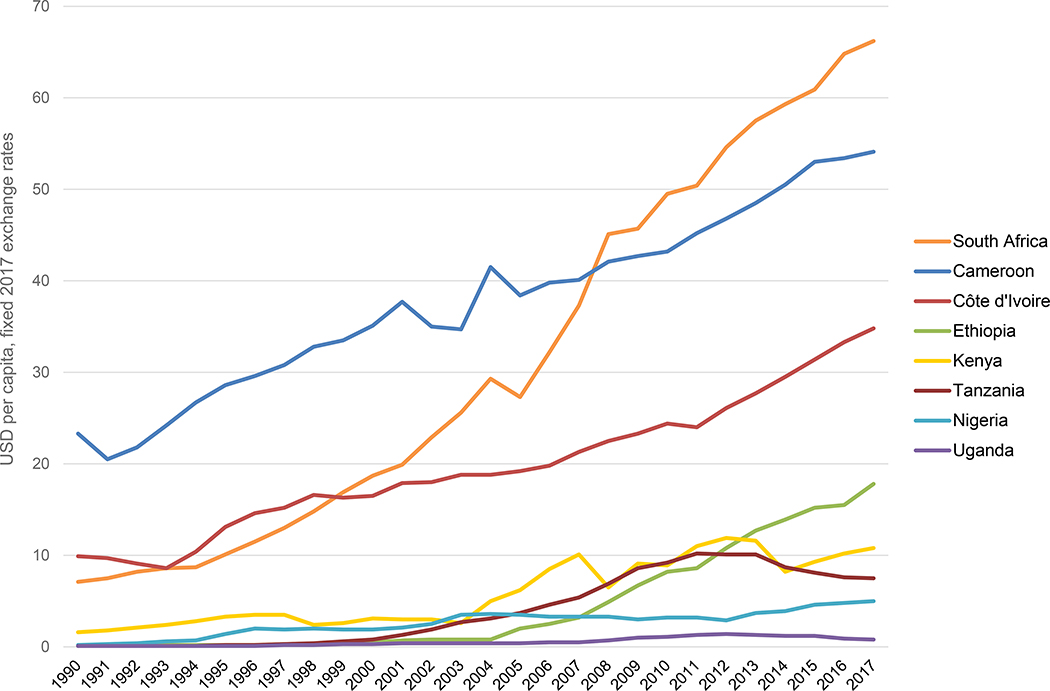
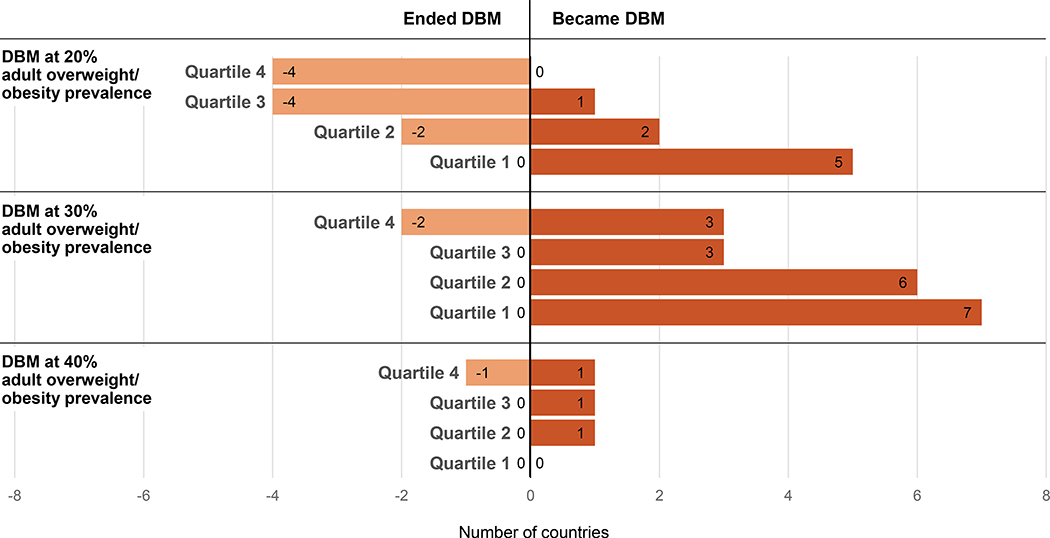
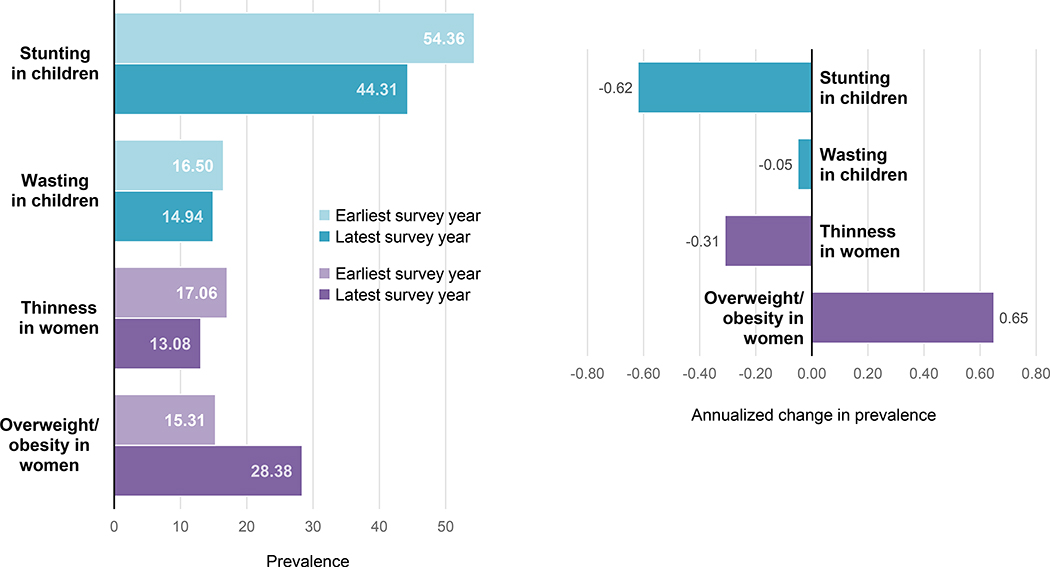
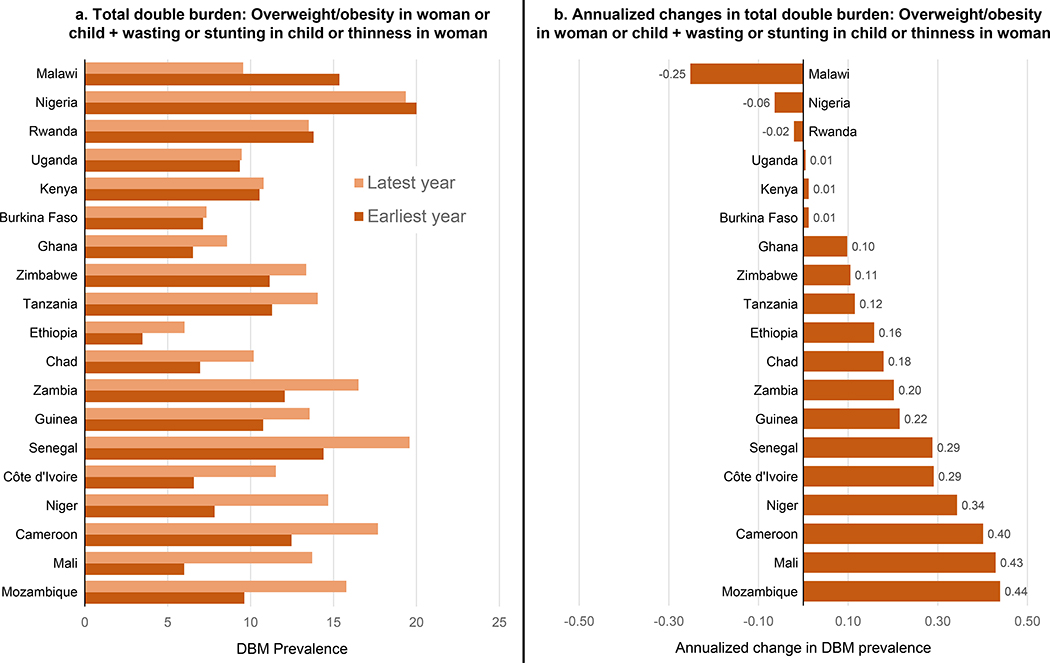
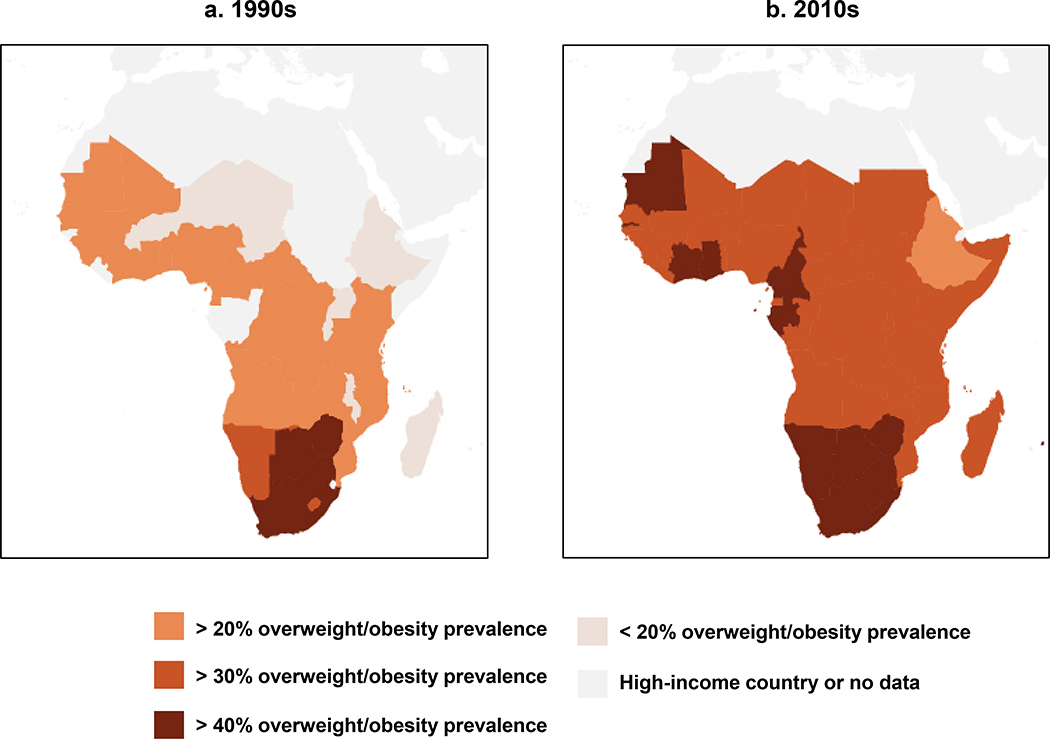
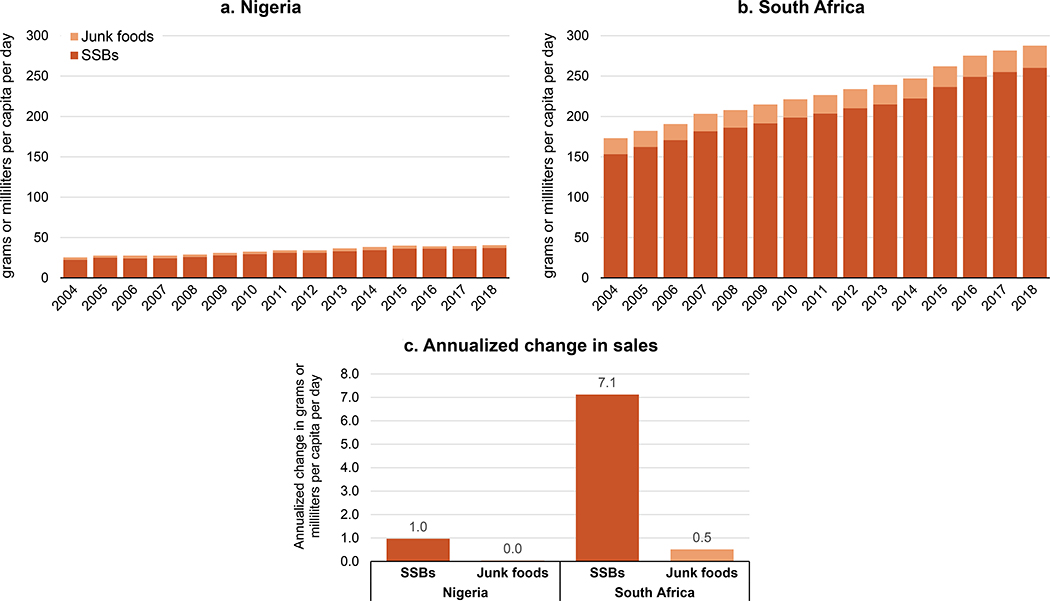
African consumers have purchased increasing amounts of processed food over the past 50 years. The opportunity cost of time of women and men has increased as more of them work outside the home, driving them to buy processed food and food prepared away from home to save arduous home-processing and preparation labor. In the past several decades, this trend has accelerated with a surge on the supply side of the processing sector and small and medium enterprises (SMEs) and large private companies making massive aggregate investments. Packaged, industrialized, ultra-processed foods and sugar-sweetened beverages (SSBs) are a growing proportion of the processed food consumed. Also, in the past several decades, overweight and obesity have joined the long-standing high levels of stunting and wasting among children and extreme thinness among women of childbearing age. Together these phenomena have formed a double burden of malnutrition (DBM). The DBM has emerged as an important health problem in sub-Saharan Africa. The rise of the DBM and the increase in ultra-processed food consumption are linked. Policy makers face a dilemma. On the one hand, purchases of processed food are driven by long-term factors, such as urbanization, increased income, and employment changes, and thus policy cannot change the pursuit of convenience and labor-saving food. Moreover, much processed food, like packaged milk, is a boon to nutrition, and the processed food system is a major source of jobs for women. On the other hand, the portion (some 10-30%) of processed food that is ultra-processed is a public health challenge, and policy must address its detrimental effects on disease burden. The global experience suggests that double duty actions are most important as are selected policies focused on healthy weaning foods for addressing stunting and taxes on SSBs, nutrition labeling, and other measures can steer consumers away from unhealthy ultra-processed foods to addressing obesity and possibly child nutrition and stunting. We recommend that African governments consider these policy options, but note that the current extreme fragmentation of the processing sector, consisting of vast numbers of informal SMEs in sub-Saharan Africa, and the limited administrative/implementation capacity of many African governments require pursuing this path only gradually.
在过去50年里,非洲消费者购买的加工食品数量不断增加。随着越来越多的男性和女性外出工作,他们的时间机会成本增加,这促使他们购买加工食品和在家庭以外制备的食品,以节省繁重的家庭加工和制备劳动。在过去几十年中,随着加工部门供应方的激增,以及中小企业和大型私营公司进行大规模的总投资,这一趋势加速发展。包装食品、工业化超加工食品和含糖饮料在消费的加工食品中所占比例越来越大。此外,在过去几十年中,超重和肥胖现象出现,与此同时,儿童长期存在的高发育迟缓率和消瘦率以及育龄妇女的极度消瘦问题依然严重。这些现象共同构成了营养不良双重负担(DBM)。营养不良双重负担已成为撒哈拉以南非洲地区一个重要的健康问题。营养不良双重负担的出现与超加工食品消费的增加有关。政策制定者面临两难境地。一方面,加工食品的购买是由城市化、收入增加和就业变化等长期因素驱动的,因此政策无法改变人们对方便和节省劳动力食品的追求。此外,许多加工食品,如包装牛奶,对营养有益,而且加工食品系统是女性就业的主要来源。另一方面,超加工食品在加工食品中所占比例(约10%-30%)对公共卫生构成挑战,政策必须应对其对疾病负担的不利影响。全球经验表明,采取双重作用的行动最为重要,同时,针对健康断奶食品以解决发育迟缓问题的特定政策、对含糖饮料征税、营养标签以及其他措施,可以引导消费者远离不健康的超加工食品,从而解决肥胖问题,并可能改善儿童营养和发育迟缓状况。我们建议非洲各国政府考虑这些政策选择,但要注意的是,目前加工部门极度分散,撒哈拉以南非洲地区有大量非正式的中小企业,而且许多非洲国家政府的行政/执行能力有限,因此只能逐步推行这条道路。