Glinsky Gennadi V
Institute of Engineering in Medicine, University of California, San Diego, CA, United States.
Department of Functional & Translational Genomics, OncoSCAR, Inc., Portland, OR, United States.
Front Oncol. 2021 Mar 31;11:638363. doi: 10.3389/fonc.2021.638363. eCollection 2021.
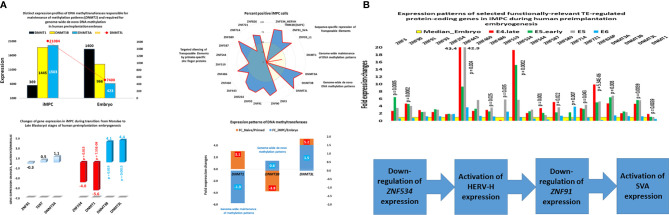
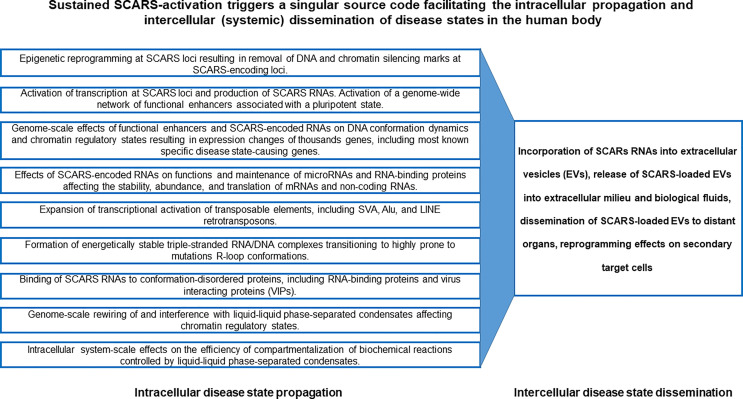
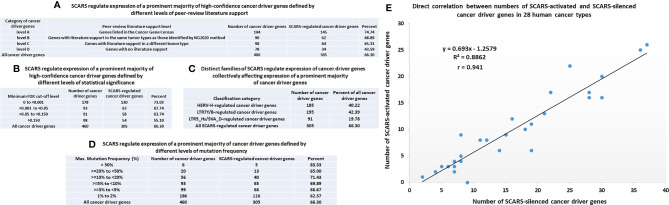
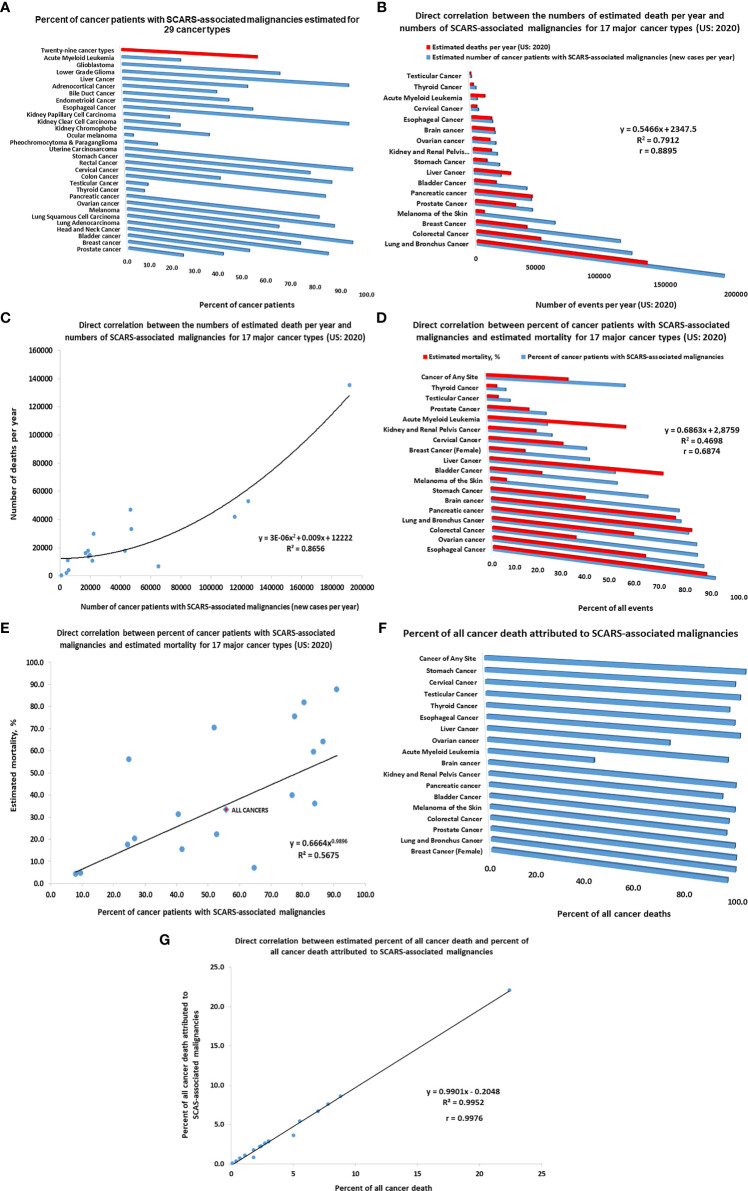
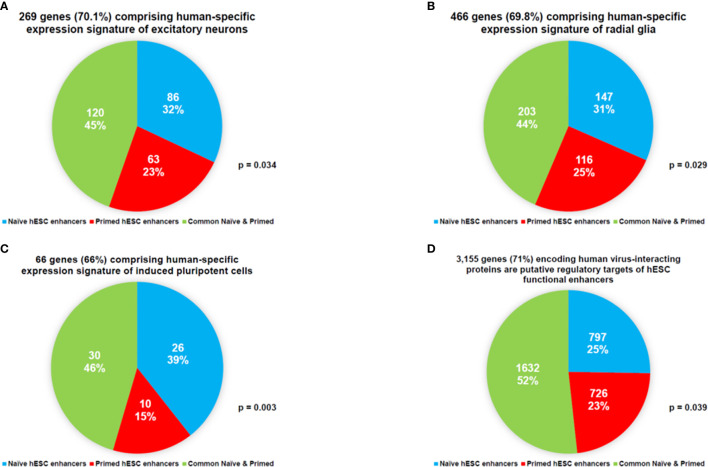
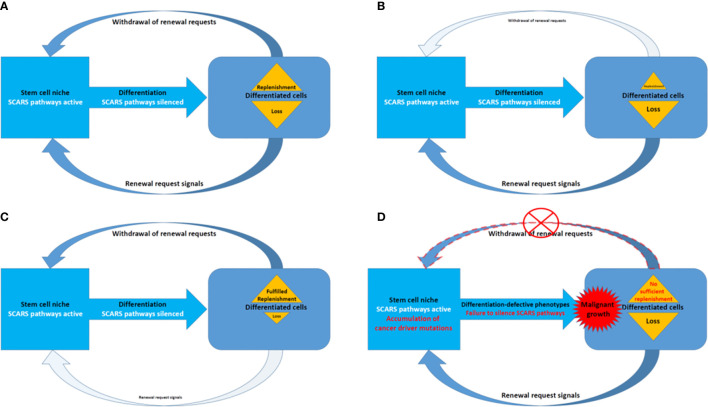
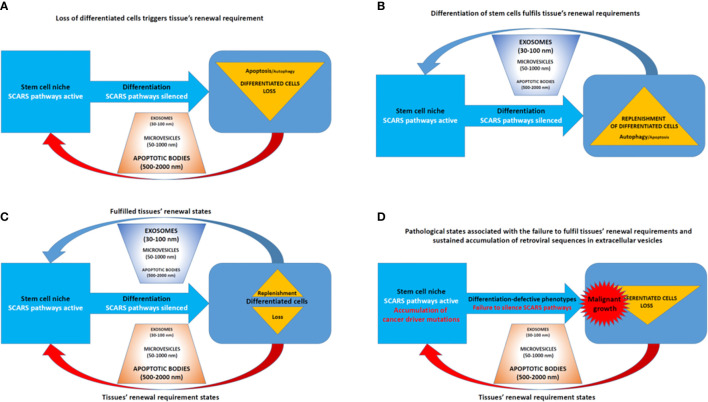
Repetitive DNA sequences (repeats) colonized two-third of human genome and a majority of repeats comprised of transposable genetic elements (TE). Evolutionary distinct categories of TE represent nucleic acid sequences that are repeatedly copied from and pasted into chromosomes at multiple genomic locations and acquired a multitude of regulatory functions. Here, genomics-guided maps of stemness regulatory signatures were drawn to dissect the contribution of TE to clinical manifestations of malignant phenotypes of human cancers. From patients' and physicians' perspectives, the clinical definition of a tumor's malignant phenotype could be restricted to the early diagnosis of sub-types of malignancies with the increased risk of existing therapy failure and high likelihood of death from cancer. It is the viewpoint from which the understanding of stemness and malignant regulatory signatures is considered in this contribution. Genomics-guided analyses of experimental and clinical observations revealed the pivotal role of human stem cell-associated retroviral sequences (SCARS) in the origin and pathophysiology of clinically-lethal malignancies. SCARS were defined as the evolutionary- and biologically-related family of genomic regulatory sequences, the principal physiological function of which is to create and maintain the stemness phenotype during human preimplantation embryogenesis. For cell differentiation to occur, SCARS expression must be silenced and SCARS activity remains repressed in most terminally-differentiated human cells which are destined to perform specialized functions in the human body. Epigenetic reprogramming, de-repression, and sustained activity of SCARS results in various differentiation-defective phenotypes. One of the most prominent tissue- and organ-specific clinical manifestations of sustained SCARS activities is diagnosed as a pathological condition defined by a consensus of morphological, molecular, and genetic examinations as the malignant growth. Here, contemporary evidence are acquired, analyzed, and reported defining both novel diagnostic tools and druggable molecular targets readily amenable for diagnosis and efficient therapeutic management of clinically-lethal malignancies. These diagnostic and therapeutic approaches are based on monitoring of high-fidelity molecular signals of continuing SCARS activities in conjunction with genomic regulatory networks of thousands' functionally-active embryonic enhancers affecting down-stream phenotype-altering genetic loci. Collectively, reported herein observations support a model of SCARS-activation triggered singular source code facilitating the intracellular propagation and intercellular (systemic) dissemination of disease states in the human body.
重复DNA序列(重复序列)占据了人类基因组的三分之二,并且大多数重复序列由转座遗传元件(TE)组成。进化上不同类别的TE代表了核酸序列,这些序列在多个基因组位置被反复从染色体上复制并粘贴进去,并获得了多种调控功能。在此,绘制了基因组学指导的干性调控特征图谱,以剖析TE对人类癌症恶性表型临床表现的贡献。从患者和医生的角度来看,肿瘤恶性表型的临床定义可能局限于对恶性肿瘤亚型的早期诊断,这些亚型存在现有治疗失败风险增加和癌症死亡可能性高的情况。正是从这个角度出发,本论文探讨了对干性和恶性调控特征的理解。基因组学指导的实验和临床观察分析揭示了人类干细胞相关逆转录病毒序列(SCARS)在临床致死性恶性肿瘤的起源和病理生理学中的关键作用。SCARS被定义为基因组调控序列的进化和生物学相关家族,其主要生理功能是在人类植入前胚胎发育过程中产生并维持干性表型。为了使细胞分化发生,SCARS的表达必须被沉默,并且在大多数注定要在人体中执行特定功能的终末分化人类细胞中,SCARS的活性仍然受到抑制。SCARS的表观遗传重编程、去抑制和持续活性会导致各种分化缺陷表型。持续的SCARS活性最突出的组织和器官特异性临床表现之一被诊断为一种病理状况,通过形态学、分子和遗传学检查的共识将其定义为恶性生长。在此,获取、分析并报告了当代证据,这些证据定义了既适用于临床致死性恶性肿瘤的诊断又适用于有效治疗管理的新型诊断工具和可药物化分子靶点。这些诊断和治疗方法基于监测持续的SCARS活性的高保真分子信号,以及数千个功能活跃的胚胎增强子的基因组调控网络,这些增强子影响下游改变表型的基因位点。总体而言,本文报道的观察结果支持一种SCARS激活触发单一源代码的模型,该模型促进了疾病状态在人体细胞内的传播和细胞间(全身)扩散。