Zhang Jianghong, Zhang Yuhong, Mo Fang, Patel Gaurang, Butterworth Karl, Shao Chunlin, Prise Kevin M
Institute of Radiation Medicine, Fudan University, Shanghai, China.
Patrick G Johnston Centre for Cancer Research, Queen's University Belfast, Belfast, United Kingdom.
Front Cell Dev Biol. 2021 Mar 25;9:637454. doi: 10.3389/fcell.2021.637454. eCollection 2021.
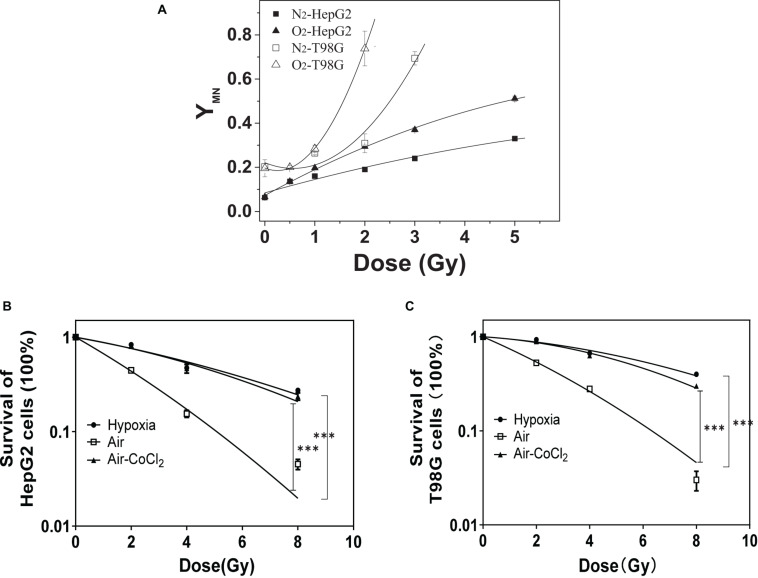
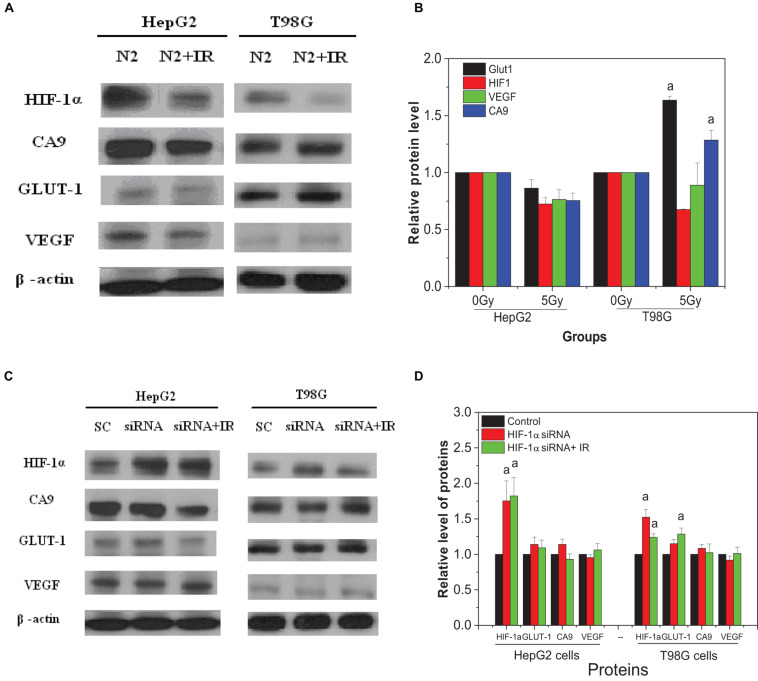
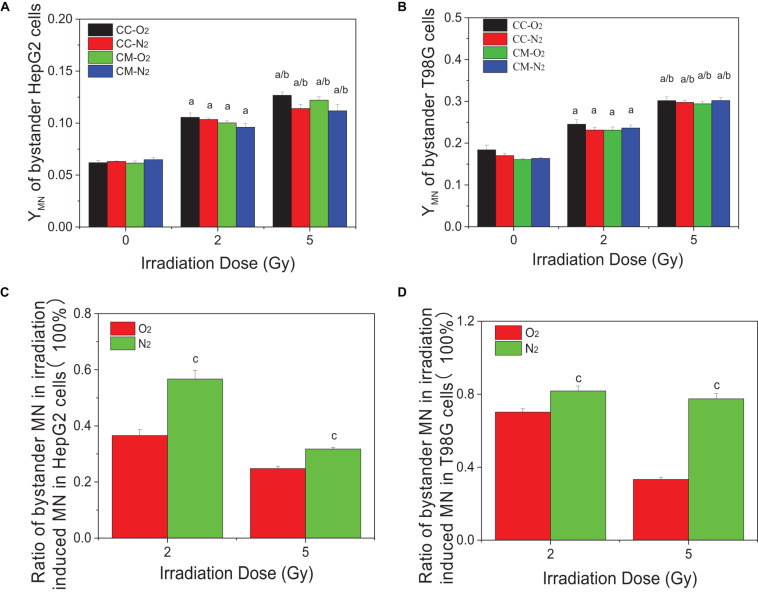
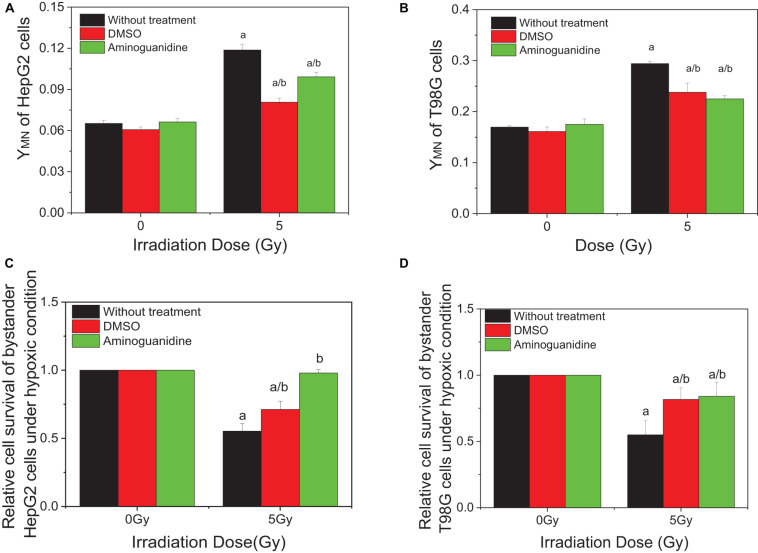
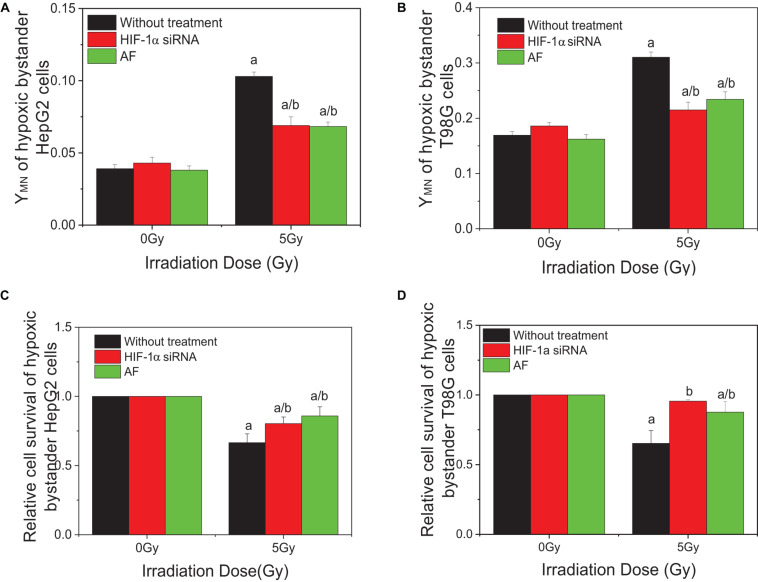
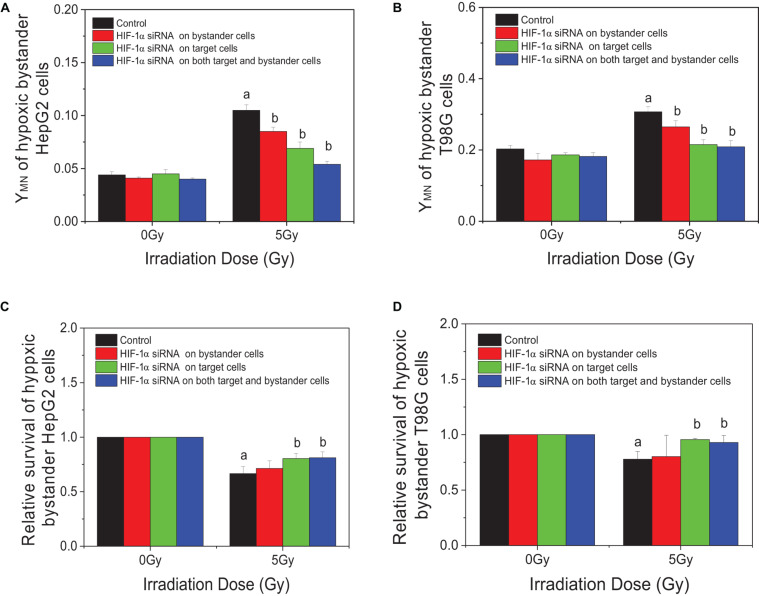
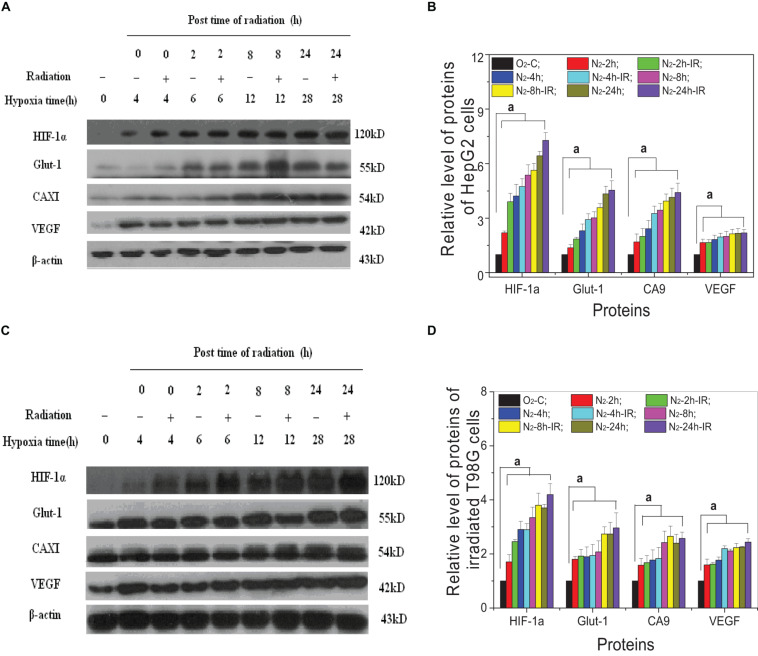
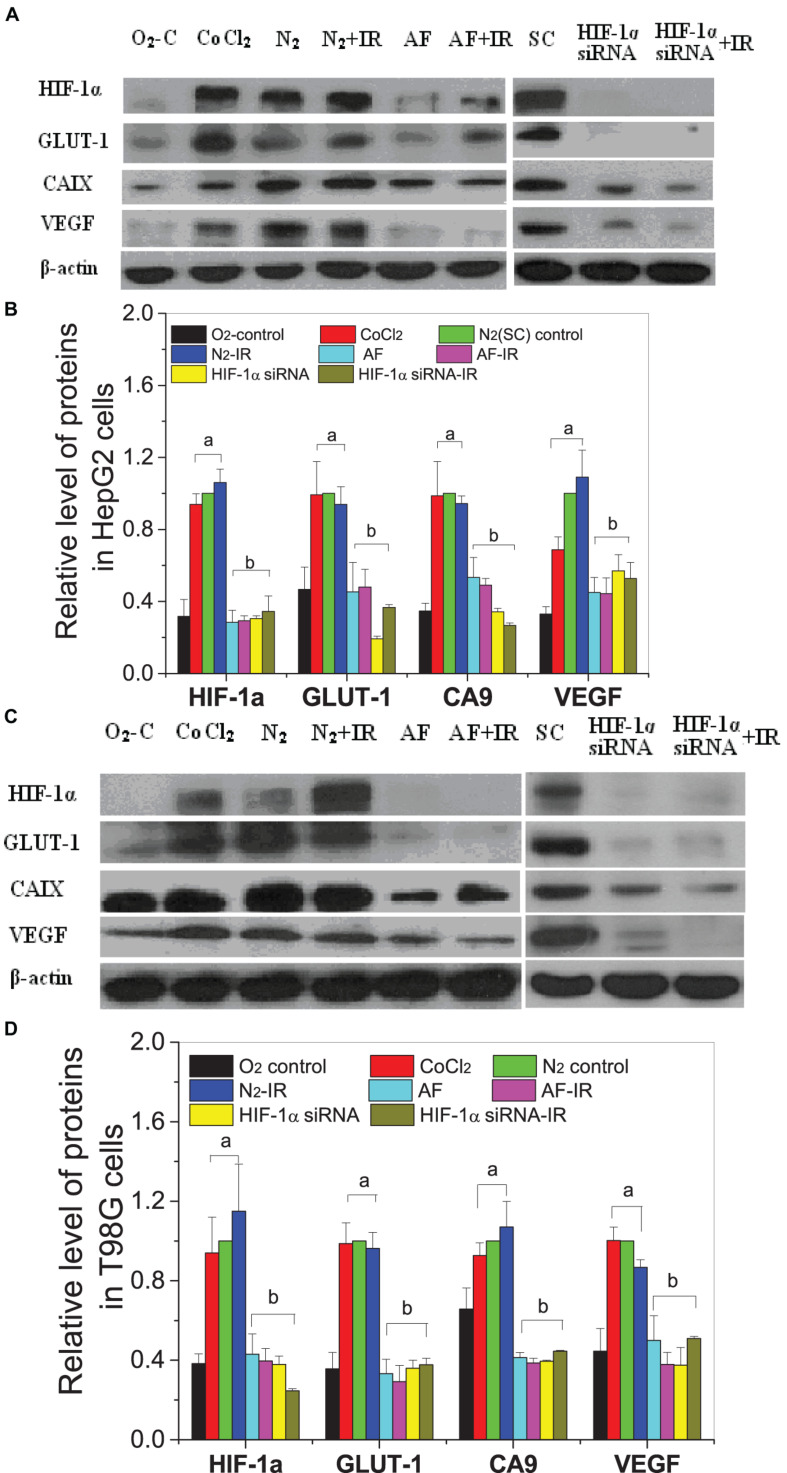
Radiation-induced bystander effects (RIBE) may have potential implications for radiotherapy, yet the radiobiological impact and underlying mechanisms in hypoxic tumor cells remain to be determined. Using two human tumor cell lines, hepatoma HepG2 cells and glioblastoma T98G cells, the present study found that under both normoxic and hypoxic conditions, increased micronucleus formation and decreased cell survival were observed in non-irradiated bystander cells which had been co-cultured with X-irradiated cells or treated with conditioned-medium harvested from X-irradiated cells. Although the radiosensitivity of hypoxic tumor cells was lower than that of aerobic cells, the yield of micronucleus induced in bystander cells under hypoxia was similar to that measured under normoxia indicating that RIBE is a more significant factor in overall radiation damage of hypoxic cells. When hypoxic cells were treated with dimethyl sulfoxide (DMSO), a scavenger of reactive oxygen species (ROS), or aminoguanidine (AG), an inhibitor of nitric oxide synthase (NOS), before and during irradiation, the bystander response was partly diminished. Furthermore, when only hypoxic bystander cells were pretreated with siRNA hypoxia-inducible factor-1α (HIF-1α), RIBE were decreased slightly but if irradiated cells were treated with siRNA HIF-1α, hypoxic RIBE decreased significantly. In addition, the expression of HIF-1α could be increased in association with other downstream effector molecules such as glucose transporter 1 (GLUT-1), vascular endothelial growth factor (VEGF), and carbonic anhydrase (CA9) in irradiated hypoxic cells. However, the expression of HIF-1α expression in bystander cells was decreased by a conditioned medium from isogenic irradiated cells. The current results showed that under hypoxic conditions, irradiated HepG2 and T98G cells showed reduced radiosensitivity by increasing the expression of HIF-1α and induced a syngeneic bystander effect by decreasing the expression of HIF-1α and regulating its downstream target genes in both the irradiated or bystander cells.
辐射诱导的旁观者效应(RIBE)可能对放射治疗具有潜在影响,然而,缺氧肿瘤细胞中的放射生物学影响及潜在机制仍有待确定。本研究使用两种人类肿瘤细胞系,即肝癌HepG2细胞和胶质母细胞瘤T98G细胞,发现在常氧和缺氧条件下,与X射线照射细胞共培养或用从X射线照射细胞收获的条件培养基处理的未照射旁观者细胞中,微核形成增加且细胞存活率降低。尽管缺氧肿瘤细胞的放射敏感性低于需氧细胞,但缺氧条件下旁观者细胞中诱导的微核产量与常氧下测得的相似,这表明RIBE是缺氧细胞整体辐射损伤中更重要的因素。当在照射前和照射期间用活性氧(ROS)清除剂二甲基亚砜(DMSO)或一氧化氮合酶(NOS)抑制剂氨基胍(AG)处理缺氧细胞时,旁观者反应部分减弱。此外,仅用小干扰RNA(siRNA)缺氧诱导因子-1α(HIF-1α)预处理缺氧旁观者细胞时,RIBE略有降低,但如果用siRNA HIF-1α处理照射细胞,则缺氧RIBE显著降低。此外,在照射的缺氧细胞中,HIF-1α的表达可与其他下游效应分子如葡萄糖转运蛋白1(GLUT-1)、血管内皮生长因子(VEGF)和碳酸酐酶(CA9)一起增加。然而,同基因照射细胞的条件培养基可降低旁观者细胞中HIF-1α的表达。目前的结果表明,在缺氧条件下,照射的HepG2和T98G细胞通过增加HIF-1α的表达表现出放射敏感性降低,并通过降低HIF-1α的表达并调节照射或旁观者细胞中的其下游靶基因诱导同基因旁观者效应。