Wang Shuang, Zhang Qiang, Wang Peng, Ye Huahong, Jing Xiaoqing, Zhang Zhongdan, Zhu Shisheng, Luo Tingting, Zheng Zhaobin
Department of Geriatrics, Changshou people's Hospital, Chongqing 401220, China.
Department of Gastroenterology, Changshou people's Hospital, Chongqing 401220, China.
Open Med (Wars). 2021 Mar 3;16(1):367-374. doi: 10.1515/med-2021-0225. eCollection 2021.
SARS-CoV-2 has spread worldwide and poses a great threat to human health. Among COVID-19 patients, those with hypertension have been reported to have higher morbidity and mortality. This study was conducted to provide the international community with a deeper understanding of COVID-19 with hypertension.
A total of 623 COVID-19 patients enrolled in Wuhan's hospital were studied from January to March 2020. The epidemiology, clinical features, and laboratory data of hypertensive patients with COVID-19 were collected, retrospectively analyzed, and compared with a normotensive group. The use of antihypertensive drugs, general treatment, and clinical outcomes of hypertensive patients were also analyzed.
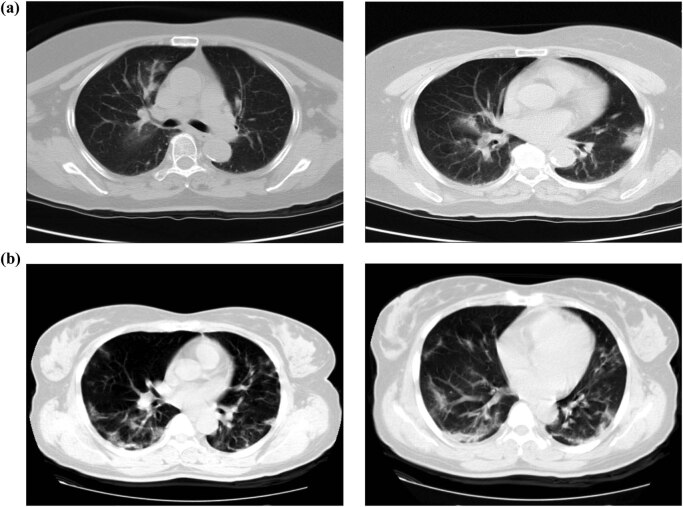
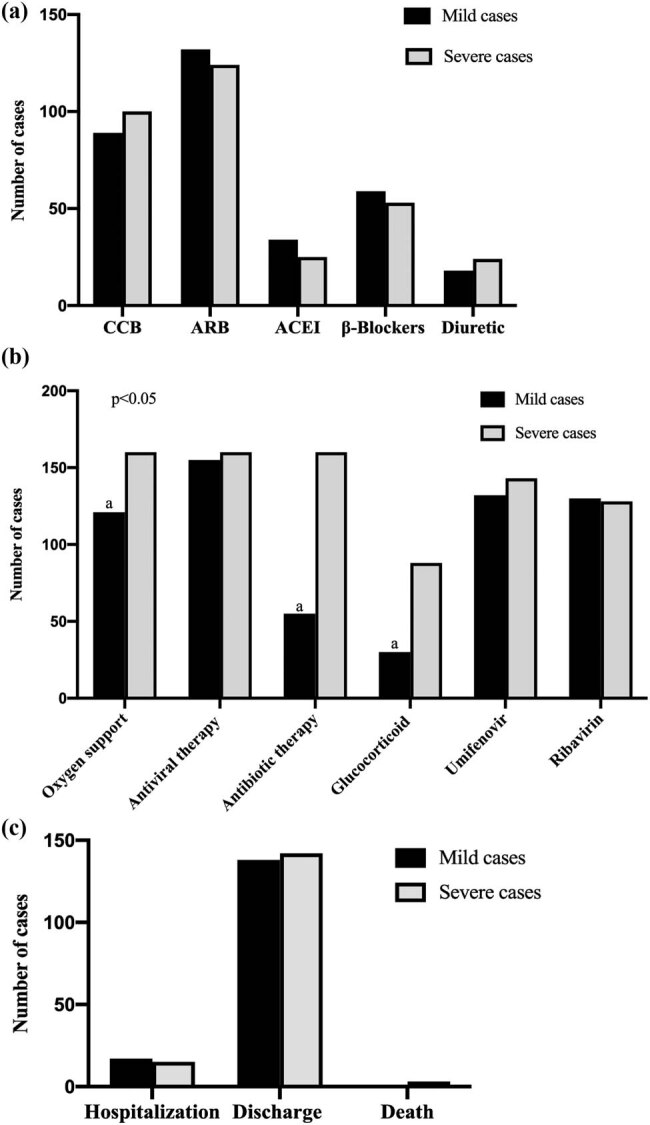
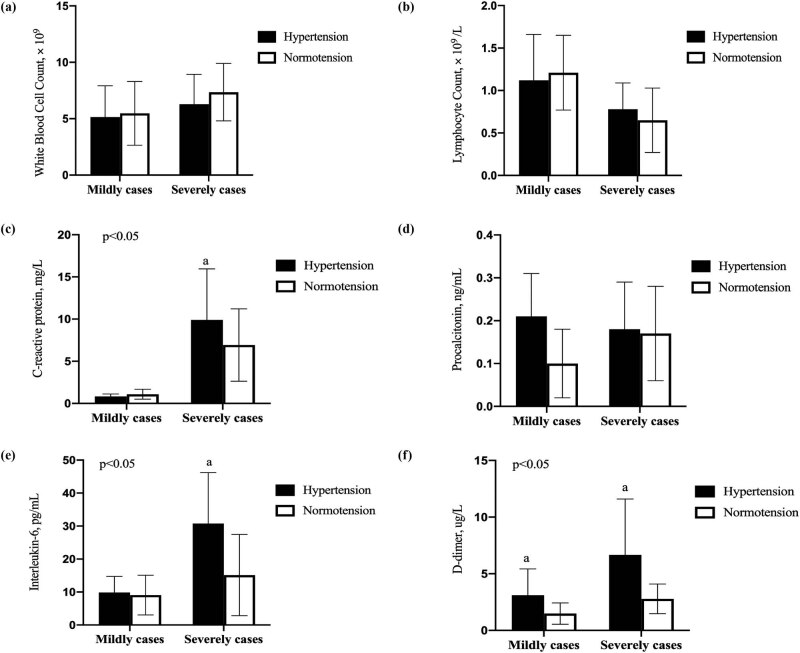
The median ages in hypertensive patients with mild and severe COVID-19 were both significantly greater than the median age in the normotensive group. But there was no significant gender difference between the hypertensive and normotensive groups. All patients had lived in Wuhan area. Common symptoms of all patients included fever, cough, and fatigue. Chest computed tomography (CT) scans showed bilateral patchy shadows or ground glass opacity in the lungs of all patients. All (315 (100%)) of the hypertensive patients received antiviral therapy (Umifenovir was used alone or in combination with Ribavirin), antibiotic therapy (215 (68.3%)), and corticosteroids (118 (37.5%)). The results suggest that the combination of Umifenovir and Ribavirin as initial therapy for hypertensive patients with COVID-19 is effective and safe. There were no significant differences in laboratory data between the mild cases in the hypertensive and the normotensive groups. In the severe cases, the hypertensive patients had higher plasma levels of D-dimer, C-reactive protein (CRP), and Interleukin-6 (IL-6) ( < 0.05). Furthermore, the hypertensive patients who were treated with angiotensin-converting enzyme inhibitors/angiotensin receptor blockers (ACEI/ARB) were not represented in a statistically significant manner between the mild and severe groups ( > 0.05).
In this study, we demonstrated that the hypertensive patients who were treated with ACEI/ARB did not have an increased risk of developing severe COVID-19. Umifenovir and Ribavirin played an important role in the treatment of viral pneumonia. Hypertensive patients with severe viral pneumonia had stronger inflammatory responses than nonhypertensive patients.
严重急性呼吸综合征冠状病毒2(SARS-CoV-2)已在全球传播,对人类健康构成巨大威胁。在新型冠状病毒肺炎(COVID-19)患者中,据报道高血压患者的发病率和死亡率更高。本研究旨在让国际社会更深入地了解合并高血压的COVID-19。
对2020年1月至3月在武汉某医院登记的623例COVID-19患者进行研究。收集合并COVID-19的高血压患者的流行病学、临床特征和实验室数据,进行回顾性分析,并与血压正常组进行比较。还分析了高血压患者的降压药物使用情况、一般治疗情况和临床结局。
合并轻度和重度COVID-19的高血压患者的年龄中位数均显著高于血压正常组的年龄中位数。但高血压组和血压正常组之间在性别上无显著差异。所有患者均居住在武汉地区。所有患者的常见症状包括发热、咳嗽和乏力。胸部计算机断层扫描(CT)显示所有患者肺部均有双侧斑片状阴影或磨玻璃样混浊。所有(315例(100%))高血压患者均接受了抗病毒治疗(单独使用乌米芬ovir或与利巴韦林联合使用)、抗生素治疗(215例(68.3%))和糖皮质激素治疗(118例(37.5%))。结果表明,乌米芬ovir和利巴韦林联合作为合并COVID-19的高血压患者的初始治疗有效且安全。高血压组轻度病例与血压正常组轻度病例的实验室数据无显著差异。在重度病例中,高血压患者的D-二聚体、C反应蛋白(CRP)和白细胞介素-6(IL-6)血浆水平较高(<0.05)。此外,在轻度和重度组之间,接受血管紧张素转换酶抑制剂/血管紧张素受体阻滞剂(ACEI/ARB)治疗的高血压患者在统计学上无显著差异(>0.05)。
在本研究中,我们证明接受ACEI/ARB治疗的高血压患者发生重症COVID-19的风险并未增加。乌米芬ovir和利巴韦林在病毒性肺炎治疗中发挥了重要作用。重症病毒性肺炎的高血压患者比非高血压患者有更强的炎症反应。