Department of Electrical Engineering and Computer Science, Center for Biotechnology Khalifa University, Khalifa University of Science and Technology, Abu Dhabi, United Arab Emirates.
BMC Bioinformatics. 2021 Apr 19;22(1):198. doi: 10.1186/s12859-021-04077-9.
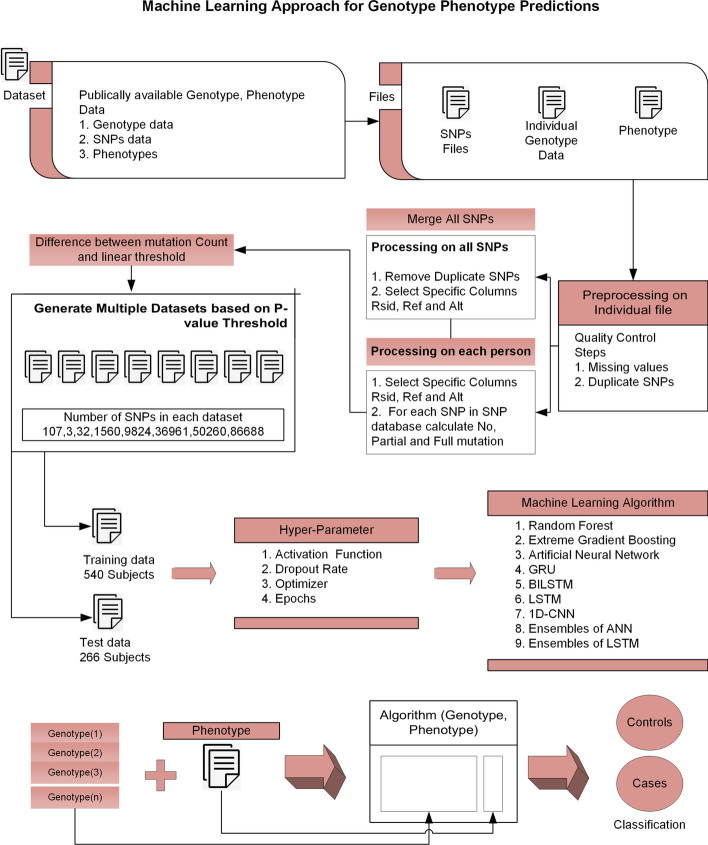
Genotype-phenotype predictions are of great importance in genetics. These predictions can help to find genetic mutations causing variations in human beings. There are many approaches for finding the association which can be broadly categorized into two classes, statistical techniques, and machine learning. Statistical techniques are good for finding the actual SNPs causing variation where Machine Learning techniques are good where we just want to classify the people into different categories. In this article, we examined the Eye-color and Type-2 diabetes phenotype. The proposed technique is a hybrid approach consisting of some parts from statistical techniques and remaining from Machine learning.
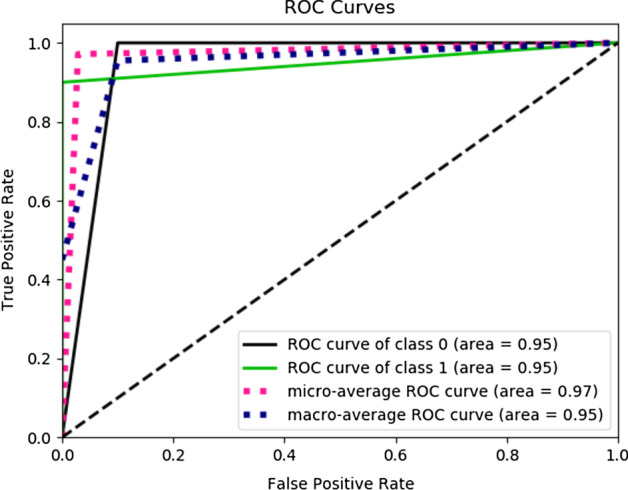
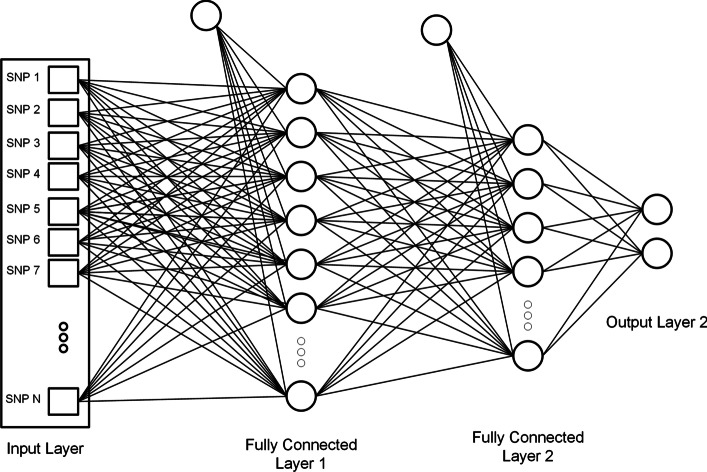
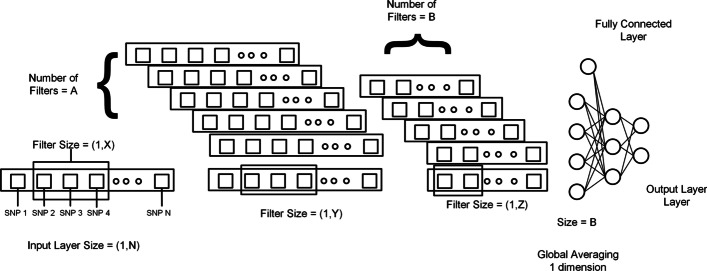
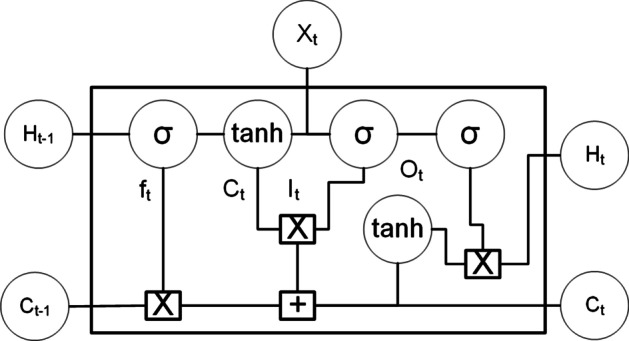
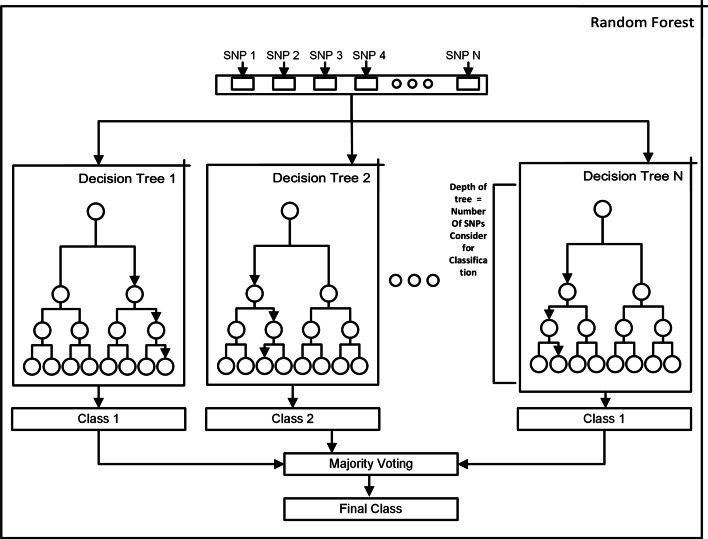
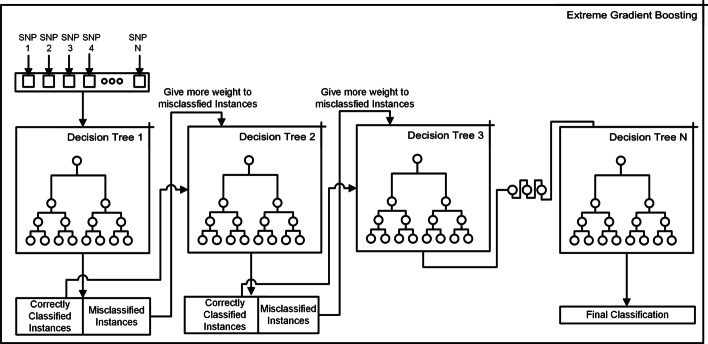
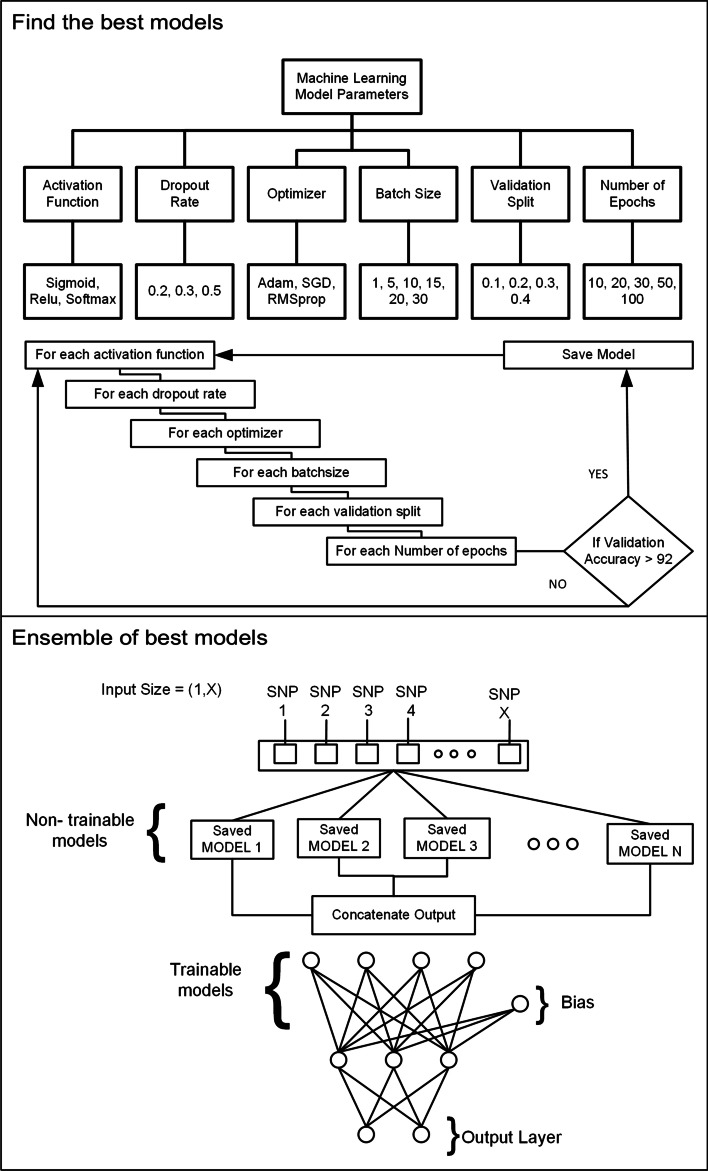
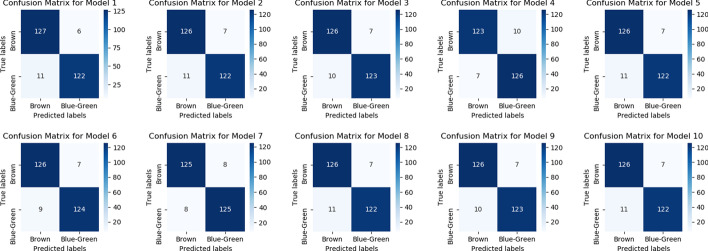
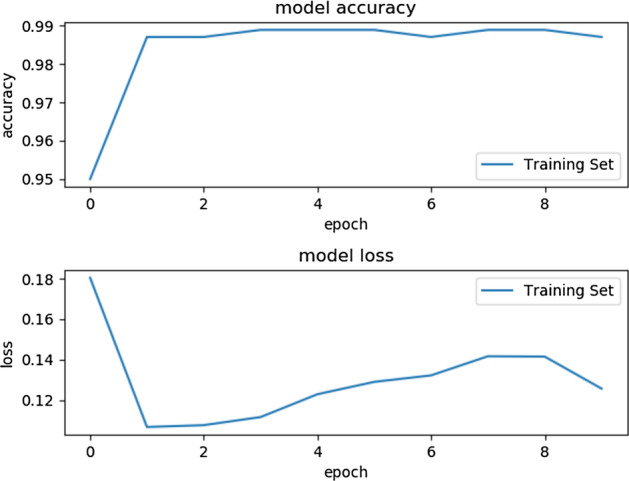
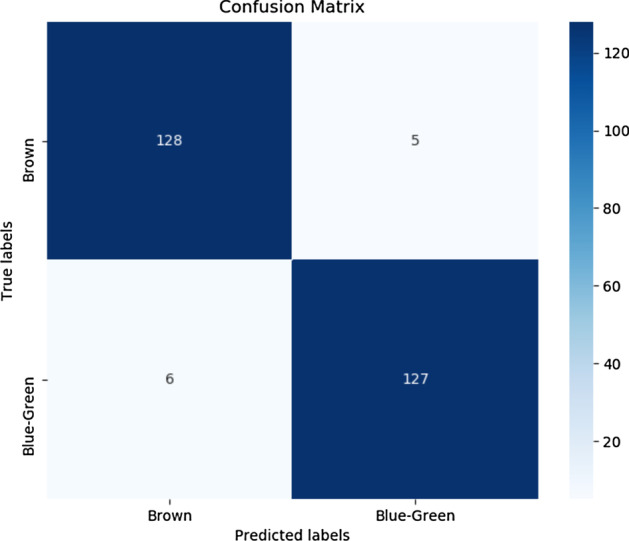
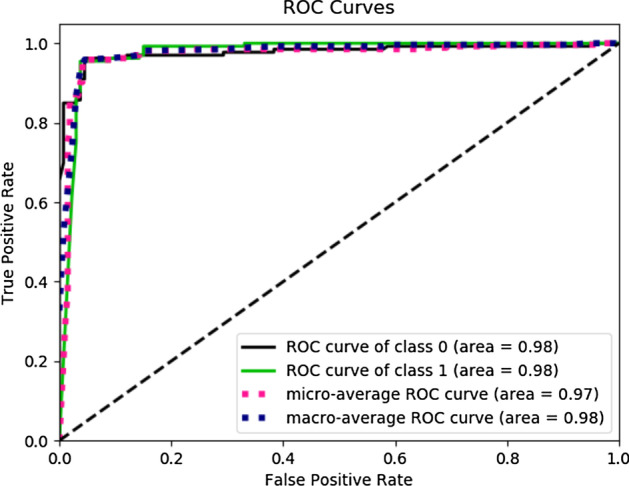
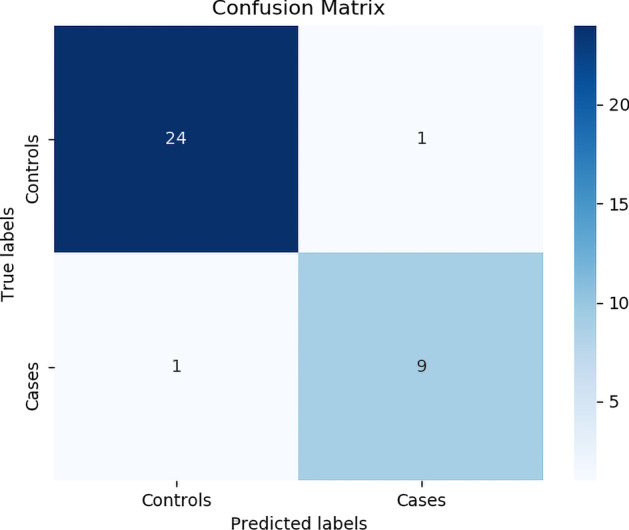
The main dataset for Eye-color phenotype consists of 806 people. 404 people have Blue-Green eyes where 402 people have Brown eyes. After preprocessing we generated 8 different datasets, containing different numbers of SNPs, using the mutation difference and thresholding at individual SNP. We calculated three types of mutation at each SNP no mutation, partial mutation, and full mutation. After that data is transformed for machine learning algorithms. We used about 9 classifiers, RandomForest, Extreme Gradient boosting, ANN, LSTM, GRU, BILSTM, 1DCNN, ensembles of ANN, and ensembles of LSTM which gave the best accuracy of 0.91, 0.9286, 0.945, 0.94, 0.94, 0.92, 0.95, and 0.96% respectively. Stacked ensembles of LSTM outperformed other algorithms for 1560 SNPs with an overall accuracy of 0.96, AUC = 0.98 for brown eyes, and AUC = 0.97 for Blue-Green eyes. The main dataset for Type-2 diabetes consists of 107 people where 30 people are classified as cases and 74 people as controls. We used different linear threshold to find the optimal number of SNPs for classification. The final model gave an accuracy of 0.97%.
Genotype-phenotype predictions are very useful especially in forensic. These predictions can help to identify SNP variant association with traits and diseases. Given more datasets, machine learning model predictions can be increased. Moreover, the non-linearity in the Machine learning model and the combination of SNPs Mutations while training the model increases the prediction. We considered binary classification problems but the proposed approach can be extended to multi-class classification.
基因型-表型预测在遗传学中非常重要。这些预测有助于找到导致人类变异的基因突变。有许多方法可以找到关联,可以大致分为两类,统计技术和机器学习。统计技术擅长发现导致变异的实际 SNP,而机器学习技术擅长于我们只想将人们分为不同类别。在本文中,我们检查了眼睛颜色和 2 型糖尿病表型。所提出的技术是一种混合方法,由统计技术的部分部分和机器学习的其余部分组成。
眼睛颜色表型的主要数据集包含 806 人。404 人有蓝绿色眼睛,402 人有棕色眼睛。在预处理之后,我们使用突变差异和个体 SNP 阈值生成了 8 个不同的数据集,其中包含不同数量的 SNP。我们在每个 SNP 处计算了三种类型的突变,无突变、部分突变和完全突变。之后,数据被转换为机器学习算法。我们使用了大约 9 个分类器,包括随机森林、极端梯度提升、人工神经网络、长短时记忆网络、门控循环单元、双向长短时记忆网络、一维卷积神经网络、人工神经网络集成和长短时记忆网络集成,它们的准确率分别为 0.91、0.9286、0.945、0.94、0.94、0.92、0.95 和 0.96%。堆叠的长短时记忆网络集成在 1560 个 SNP 上的表现优于其他算法,整体准确率为 0.96%,棕色眼睛的 AUC 为 0.98%,蓝绿色眼睛的 AUC 为 0.97%。2 型糖尿病的主要数据集包含 107 人,其中 30 人被归类为病例,74 人被归类为对照。我们使用不同的线性阈值来找到最佳的 SNP 数量进行分类。最终模型的准确率为 0.97%。
基因型-表型预测非常有用,特别是在法医学中。这些预测可以帮助确定与特征和疾病相关的 SNP 变异关联。有了更多的数据集,可以提高机器学习模型的预测能力。此外,在训练模型时,机器学习模型的非线性和 SNP 突变的组合增加了预测。我们考虑了二元分类问题,但所提出的方法可以扩展到多类分类。