Molecular Genetics and Genomics Laboratory, Unidad de Consejo Genetico, Plataforma de Oncologia, Hospital Quironsalud Torrevieja, Pda. La Loma s/n, 03184, Torrevieja (Alicante), Spain.
Unidad de Farmacocinetica y Farmacoterapia Personalizada, Plataforma de Oncologia, Hospital Quironsalud Torrevieja, Pda. La Loma s/n, 03184, Torrevieja (Alicante), Spain.
BMC Cancer. 2021 Apr 20;21(1):432. doi: 10.1186/s12885-021-08078-y.
Muscle invasive urothelial bladder carcinoma (MIBC) present RB1 and TP53 somatic alterations in a variable percentage of tumors throughout all molecular subtypes. MIBCs with neuroendocrine features have a high response rate to immunity checkpoint inhibitors (ICIs). Whether the presence of somatic co-alterations in these 2 genes in MIBCs is relevant to their responsiveness to ICIs is not known.
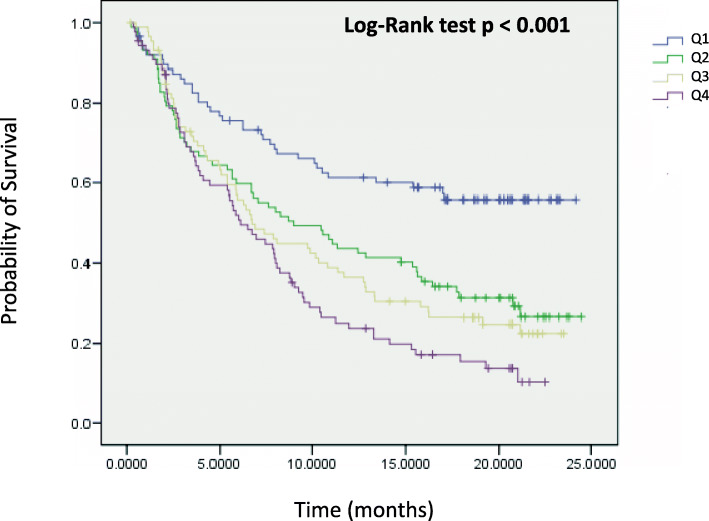
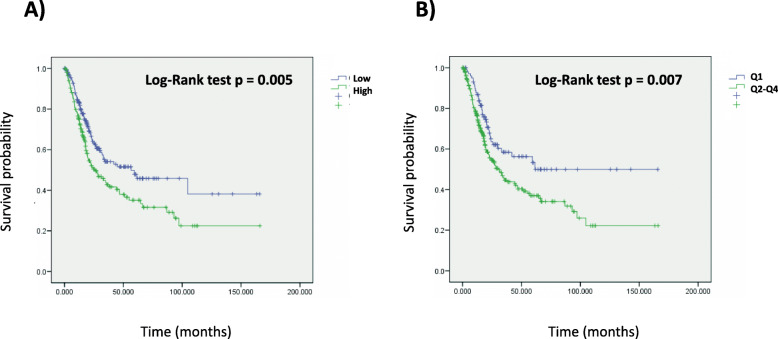
The potential correlation of different genomic biomarkers of response to ICIs like tumor mutational burden (TMB), single nucleotide variants (SNV) predicted neoantigens, DNA damage response (DDR) genes, DNA somatic signatures and TILs infiltrate was explored in patients with somatic co-alterations in RB1 and TP53 (RB1&TP53) as compared with patients with no alterations in any (double wild type, DWT) or with alterations in just one of the 2 genes. The Cancer Genome Atlas (TCGA) pancancer BLCA dataset of cystectomy specimens (n = 407) with mutation, copy number alterations and transcriptomic (RNA sequencing) data as well as the IMVigor 210 study (n = 348) of metastatic urothelial bladder cancers treated with atezolizumab (PD-L1 inhibitor) with clinical response data containing transcriptomic (RNA sequencing), along with a subset (n = 274) with mutation and copy number data were used for this purpose. A novel tumor microenvironment metascore (TMM) was developed based in a LASSO regularized Cox model with predictive and prognostic ability.
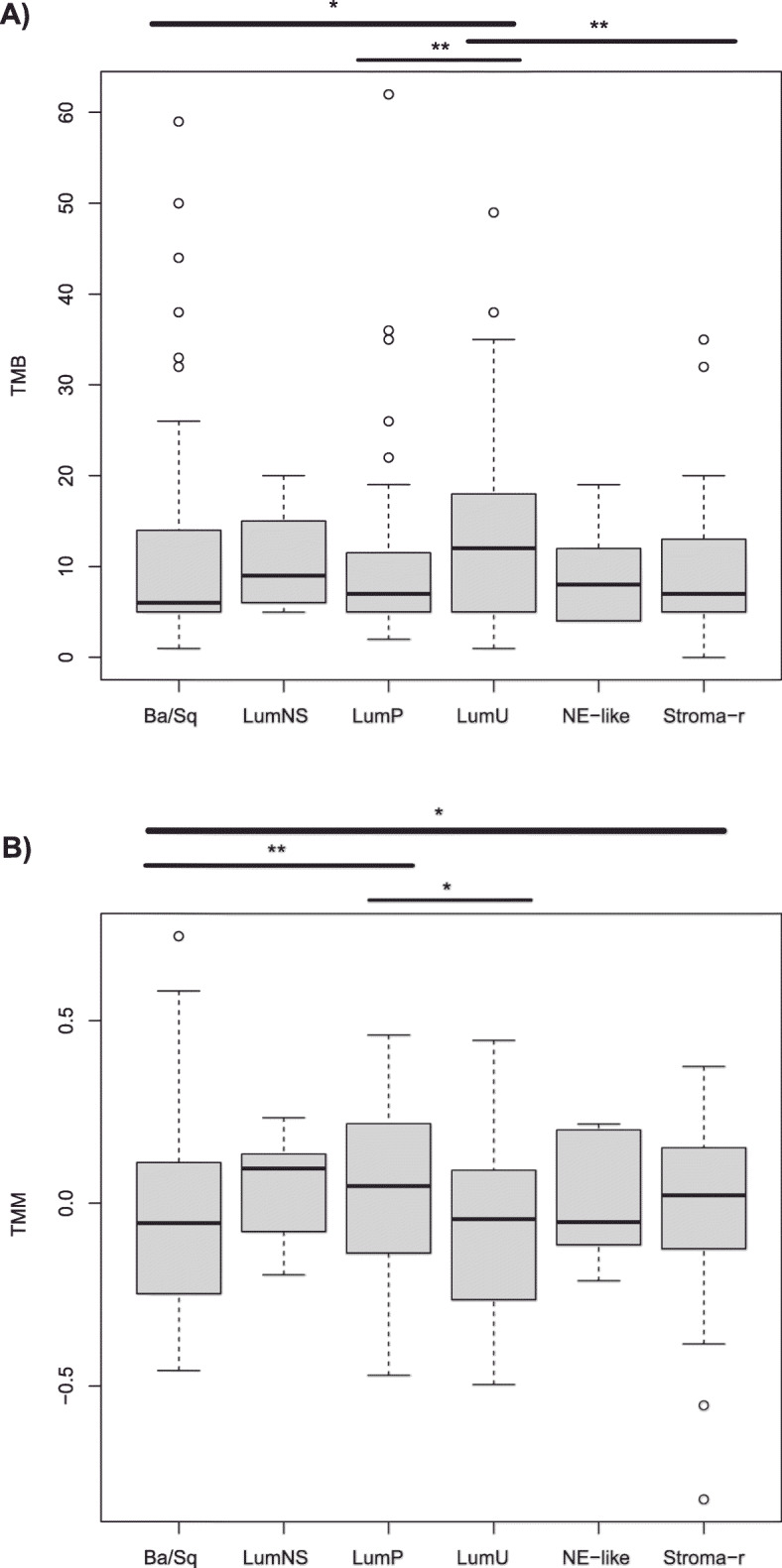
Samples with co-altered RB1&TP53: a) were enriched in immunity effectors (CD8 cytotoxic lymphocytes, NK cells) and display higher scores of a T cell inflamed signature; b) have a higher TMB, higher number of SNV predicted neoantigens and higher TILs fractions; c) have a higher number of DDR mutated and deep deleted DDR genes; d) have DNA somatic signatures 2 and 13 related to APOBEC mutagenesis. Using the IMVigor 210 dataset, RB1&TP53 samples had the highest response rate to atezolizumab and a strong correlation with TMB and TMM. The consensus molecular subtype classification in the IMVigor 210 dataset showed a significant correlation with both the response to treatment (p = 0.001, Chisquare) and the presence of RB1 and TP53 genomic alterations (p < 0.001, Chisquare).
RB1&TP53 co-alterations are strongly associated with genomic biomarkers of response to ICIs in MIBCs.
在所有分子亚型的肿瘤中,肌肉浸润性尿路上皮膀胱癌(MIBC)中存在 RB1 和 TP53 体细胞改变,其比例不定。具有神经内分泌特征的 MIBC 对免疫检查点抑制剂(ICI)有很高的反应率。在 MIBC 中,这两个基因的体细胞共改变是否与它们对 ICI 的反应有关尚不清楚。
在 RB1 和 TP53 (RB1&TP53)发生体细胞共改变的患者中,探索了不同的免疫治疗反应的基因组生物标志物的相关性,如肿瘤突变负荷(TMB)、预测新抗原的单核苷酸变异(SNV)、DNA 损伤反应(DDR)基因、DNA 体细胞特征和肿瘤浸润淋巴细胞(TIL)浸润。与任何基因均未发生改变的患者(双野生型,DWT)或仅发生 2 个基因之一改变的患者相比,RB1&TP53 共改变的患者(RB1&TP53)与其他患者相比。为此,我们使用了癌症基因组图谱(TCGA)的膀胱癌切除术标本的泛癌症 BLCA 数据集(n=407),其中包含突变、拷贝数改变和转录组(RNA 测序)数据,以及转移性膀胱癌患者的 IMVigor 210 研究(n=348),这些患者接受了 atezolizumab(PD-L1 抑制剂)治疗,并包含转录组(RNA 测序)的临床反应数据,以及一个子集(n=274)的突变和拷贝数数据。基于具有预测和预后能力的 LASSO 正则化 Cox 模型,开发了一种新的肿瘤微环境综合评分(TMM)。
共改变 RB1&TP53 的样本:a)富含免疫效应物(CD8 细胞毒性淋巴细胞、NK 细胞),并显示出更高的 T 细胞浸润特征评分;b)TMB 更高,预测新抗原的 SNV 数量更多,TIL 分数更高;c)DDR 突变和深度缺失 DDR 基因的数量更多;d)与 APOBEC 诱变相关的 DNA 体细胞特征 2 和 13。使用 IMVigor 210 数据集,RB1&TP53 样本对 atezolizumab 的反应率最高,与 TMB 和 TMM 有很强的相关性。IMVigor 210 数据集的共识分子亚型分类与治疗反应(p=0.001,卡方检验)和 RB1 和 TP53 基因组改变的存在(p<0.001,卡方检验)均有显著相关性。
RB1&TP53 共改变与 MIBC 对 ICI 反应的基因组生物标志物密切相关。