Zymo Research Corp, Irvine, CA, USA.
Pangea Laboratory LLC, Costa Mesa, CA, USA.
Clin Epigenetics. 2021 Apr 21;13(1):84. doi: 10.1186/s13148-021-01029-1.
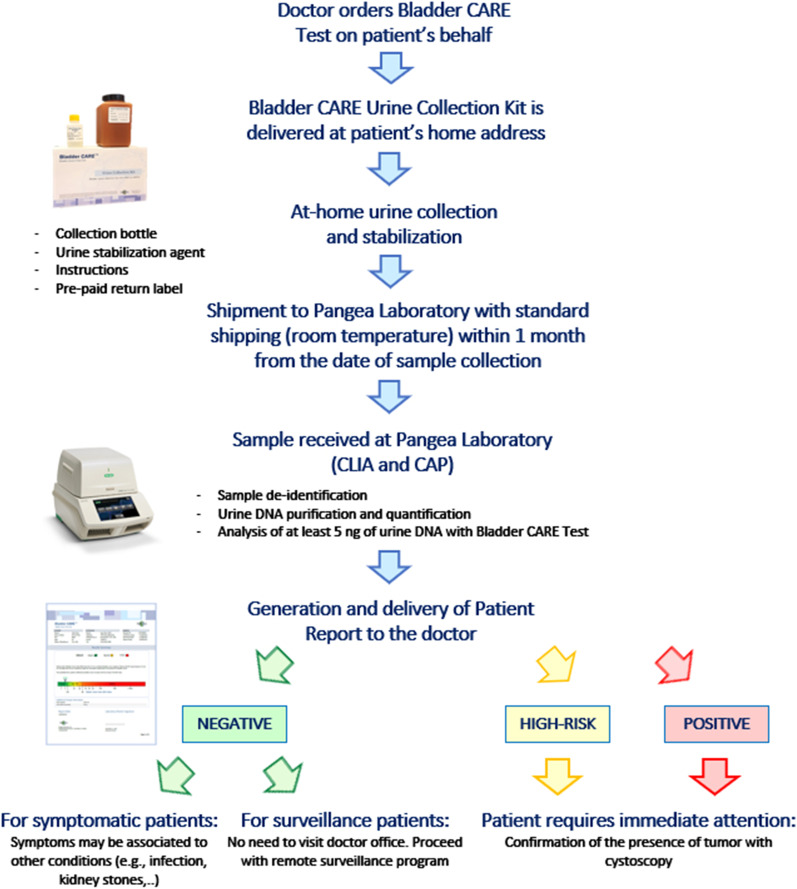
Bladder cancer (BC) is the 5th most common cancer in the USA. Non-muscle invasive bladder cancer represents about 70% of all cases and has generally a favorable outcome. However, recurrence rates as high as 60 to 70% and progression rates of 10 to 20% necessitate intensive surveillance with cystoscopy. The invasiveness and high cost of cystoscopy poses significant burden on BC patients as well as on the healthcare system. In this study we test the feasibility of a simple, sensitive, and non-invasive detection of BC using Bladder CARE test in urine samples.
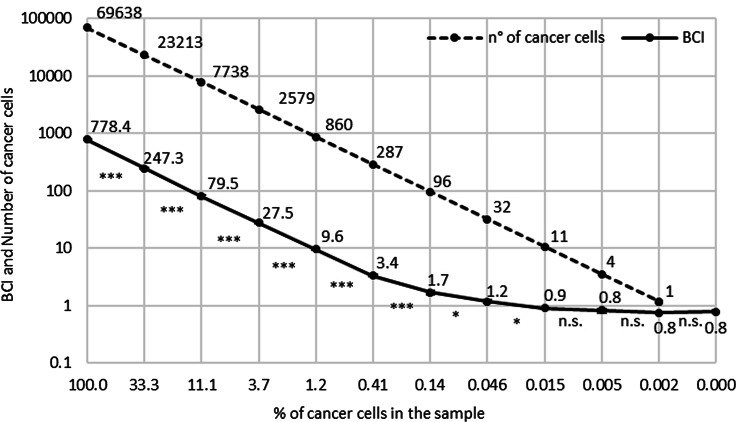
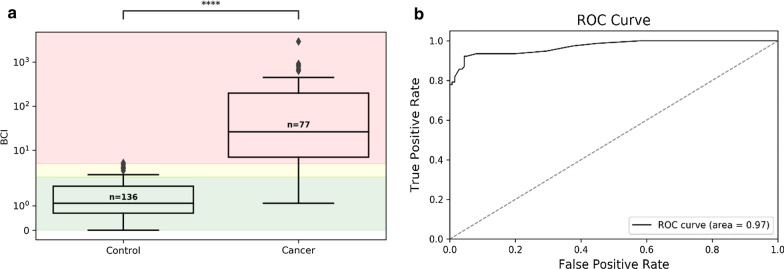
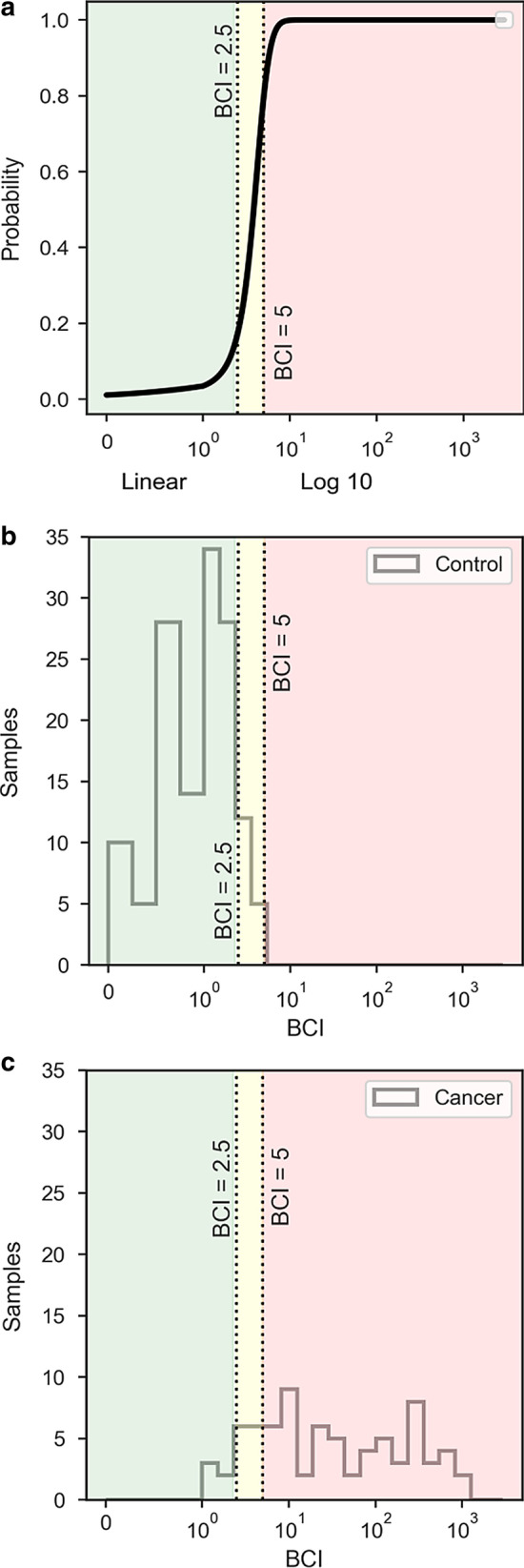
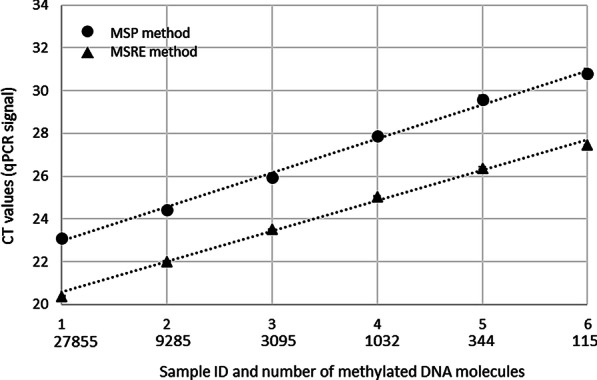
Urine from 136 healthy and 77 BC subjects was collected using the at-home Bladder CARE Urine Collection Kit and analyzed with Bladder CARE test. The test measures the methylation level of three BC-specific biomarkers and two internal controls using methylation-sensitive restriction enzymes coupled with qPCR. Bladder CARE showed an overall sensitivity of 93.5%, a specificity of 92.6%, and a PPV and NPV of 87.8% and 96.2%, respectively. Bladder CARE has an LOD as low as 0.046%, which equates to detecting 1 cancer cell for every 2,200 cells analyzed. We also provided evidence that bisulfite-free methods to assess DNA methylation, like Bladder CARE, are advantageous compared to conventional methods that rely on bisulfite conversion of the DNA.
Highly sensitive detection of BC in urine samples is possible using Bladder CARE. The low LOD of the test and the measurement of epigenetic biomarkers make Bladder CARE a good candidate for the early detection of BC and possibly for the routine screening and surveillance of BC patients. Bladder CARE and the at-home urine sample collection system have the potential to (1) reduce unnecessary invasive testing for BC (2) reduce the burden of surveillance on patients and on the healthcare system, (3) improve the detection of early stage BC, and (4) allow physicians to streamline the monitoring of patients.
膀胱癌(BC)是美国第五大常见癌症。非肌肉浸润性膀胱癌约占所有病例的 70%,通常预后良好。然而,高达 60%至 70%的复发率和 10%至 20%的进展率需要通过膀胱镜进行密集监测。膀胱镜检查的侵袭性和高成本给 BC 患者和医疗保健系统带来了巨大负担。在这项研究中,我们测试了使用 Bladder CARE 尿液检测试剂盒检测尿液中 BC 特异性生物标志物的甲基化水平,从而实现 BC 简单、敏感、非侵入性检测的可行性。
使用家庭版 Bladder CARE 尿液收集试剂盒收集了 136 名健康人和 77 名 BC 患者的尿液,并使用 Bladder CARE 测试进行了分析。该测试使用甲基化敏感的限制性内切酶和 qPCR 来测量三个 BC 特异性生物标志物和两个内部对照的甲基化水平。Bladder CARE 的总体敏感性为 93.5%,特异性为 92.6%,PPV 和 NPV 分别为 87.8%和 96.2%。Bladder CARE 的检测下限(LOD)低至 0.046%,这相当于在分析的 2200 个细胞中检测到 1 个癌细胞。我们还提供了证据表明,与依赖于 DNA 甲基化的亚硫酸氢盐转化的传统方法相比,像 Bladder CARE 这样的无亚硫酸氢盐方法评估 DNA 甲基化具有优势。
使用 Bladder CARE 可以在尿液样本中高度敏感地检测 BC。该测试的低 LOD 和表观遗传生物标志物的测量使 Bladder CARE 成为 BC 早期检测的良好候选者,并且可能用于 BC 患者的常规筛查和监测。家庭版 Bladder CARE 尿液收集系统具有以下潜力:(1)减少对 BC 的不必要的侵袭性检测;(2)减轻患者和医疗保健系统的监测负担;(3)提高早期 BC 的检出率;(4)使医生能够简化患者的监测工作。