Section for Epidemiology, Department of Public Health, University of Copenhagen, Copenhagen, Denmark.
Genomics Coordination Center, University of Groningen, University Medical Center Groningen, Groningen, The Netherlands.
Eur J Epidemiol. 2021 May;36(5):565-580. doi: 10.1007/s10654-021-00733-9. Epub 2021 Apr 21.
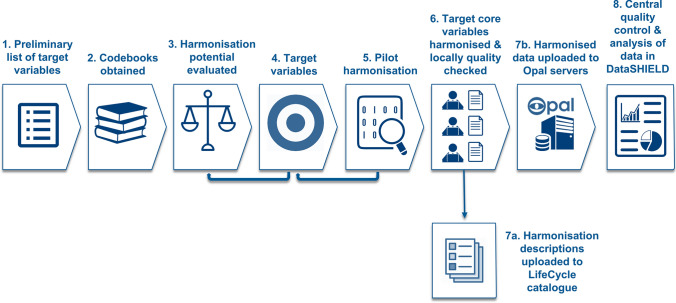
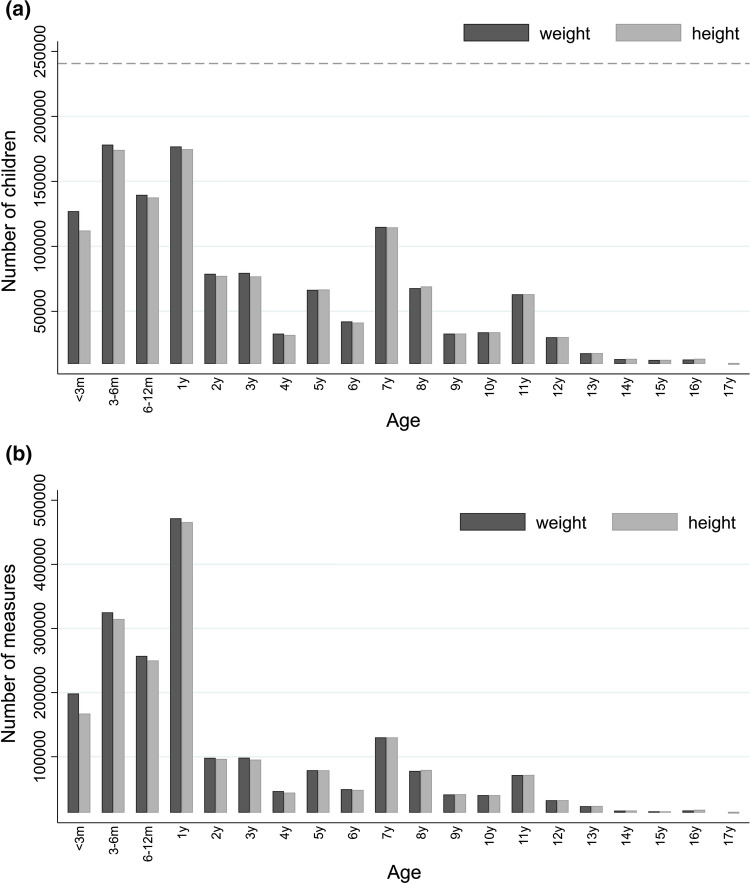
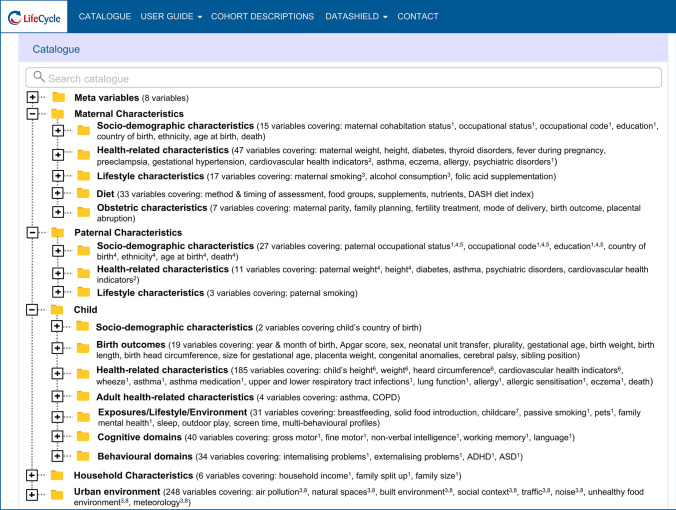
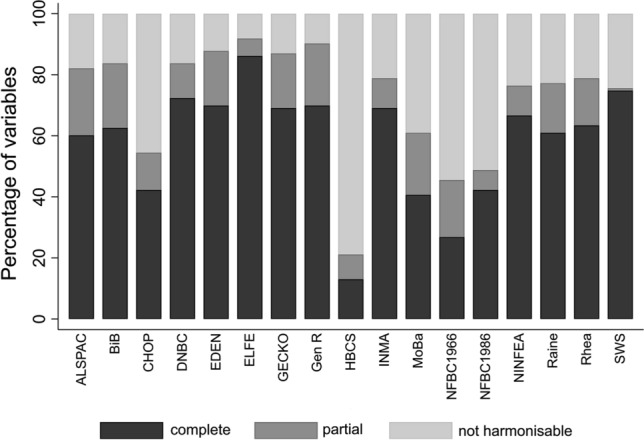
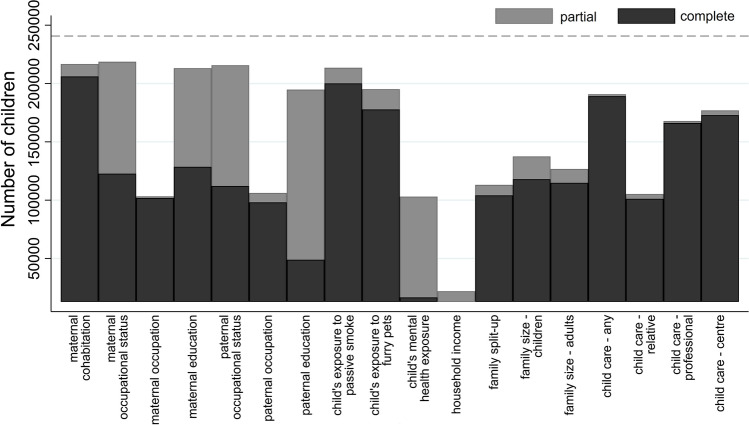
The Horizon2020 LifeCycle Project is a cross-cohort collaboration which brings together data from multiple birth cohorts from across Europe and Australia to facilitate studies on the influence of early-life exposures on later health outcomes. A major product of this collaboration has been the establishment of a FAIR (findable, accessible, interoperable and reusable) data resource known as the EU Child Cohort Network. Here we focus on the EU Child Cohort Network's core variables. These are a set of basic variables, derivable by the majority of participating cohorts and frequently used as covariates or exposures in lifecourse research. First, we describe the process by which the list of core variables was established. Second, we explain the protocol according to which these variables were harmonised in order to make them interoperable. Third, we describe the catalogue developed to ensure that the network's data are findable and reusable. Finally, we describe the core data, including the proportion of variables harmonised by each cohort and the number of children for whom harmonised core data are available. EU Child Cohort Network data will be analysed using a federated analysis platform, removing the need to physically transfer data and thus making the data more accessible to researchers. The network will add value to participating cohorts by increasing statistical power and exposure heterogeneity, as well as facilitating cross-cohort comparisons, cross-validation and replication. Our aim is to motivate other cohorts to join the network and encourage the use of the EU Child Cohort Network by the wider research community.
“地平线 2020 生命周期项目”是一个跨队列合作项目,它汇集了来自欧洲和澳大利亚的多个出生队列的数据,以促进研究早期生活暴露对后期健康结果的影响。该合作的一个主要成果是建立了一个称为“欧盟儿童队列网络”的 FAIR(可发现、可访问、可互操作和可重复使用)数据资源。在这里,我们重点介绍欧盟儿童队列网络的核心变量。这些是一组基本变量,由大多数参与队列推导得出,并经常用作生命历程研究中的协变量或暴露因素。首先,我们描述了确定核心变量列表的过程。其次,我们解释了为使这些变量具有互操作性而对其进行协调的协议。第三,我们描述了为确保网络数据可发现和可重复使用而开发的目录。最后,我们描述了核心数据,包括每个队列协调的变量比例以及可获得协调核心数据的儿童人数。欧盟儿童队列网络的数据将使用联合分析平台进行分析,从而无需物理传输数据,从而使数据更容易被研究人员获取。该网络将通过增加统计效力和暴露异质性,以及促进队列间比较、交叉验证和复制,为参与队列增加价值。我们的目标是激励其他队列加入该网络,并鼓励更广泛的研究界使用欧盟儿童队列网络。