Fundación Valle del Lili - Cali, Valle del Cauca, Colômbia.
Universidad ICESI - Cali, Valle del Cauca, Colômbia.
Rev Bras Ter Intensiva. 2021 Jan-Mar;33(1):154-166. doi: 10.5935/0103-507X.20210017.
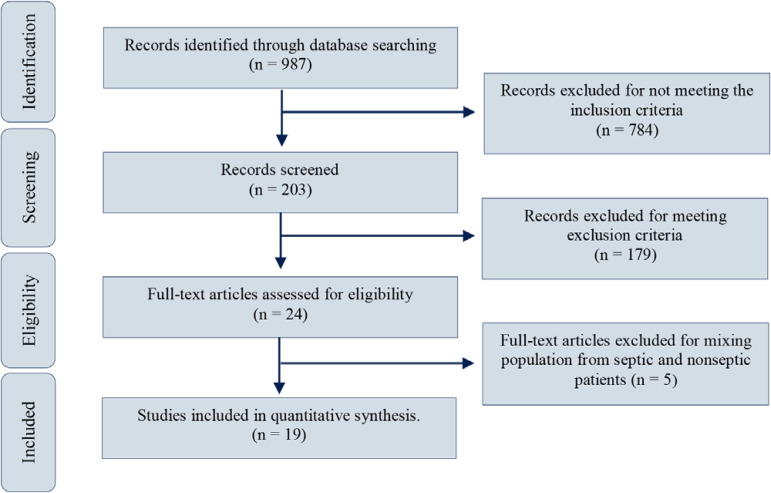
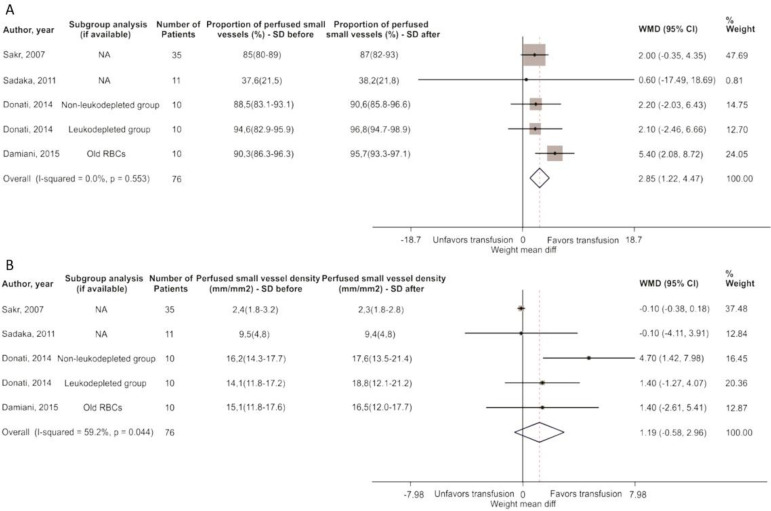
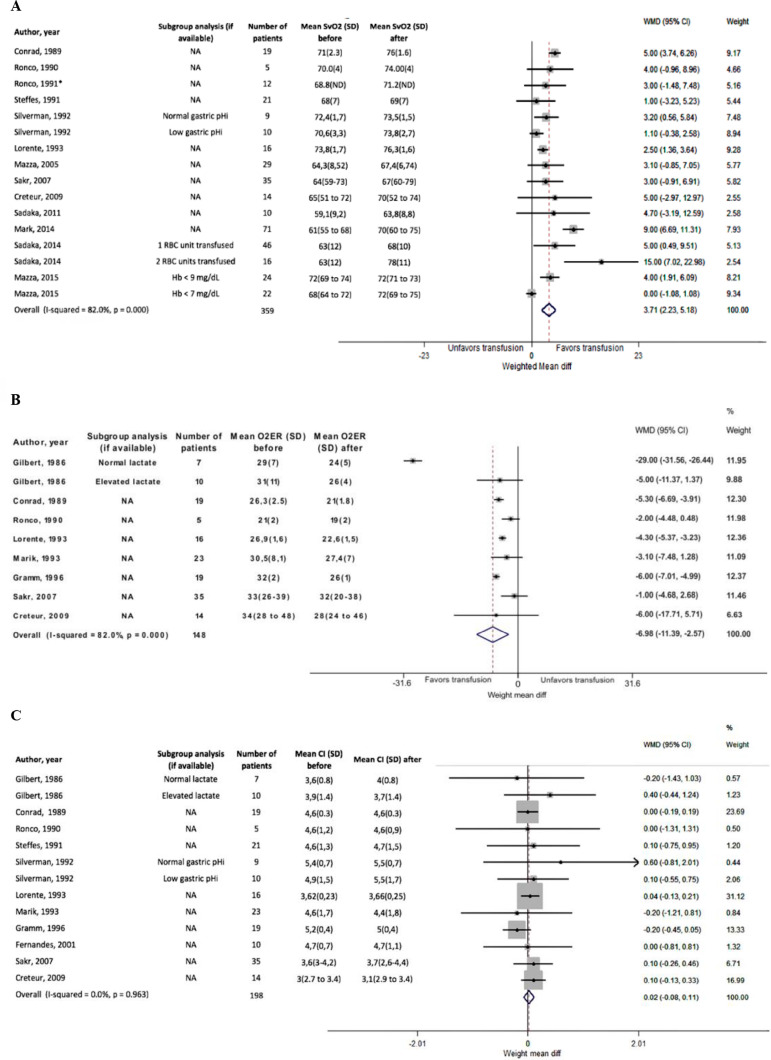
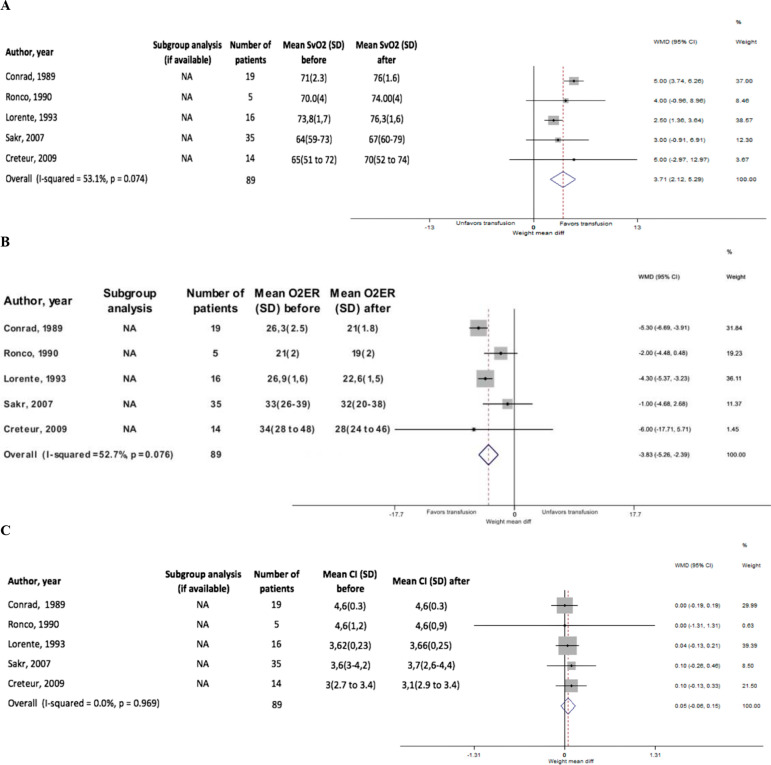
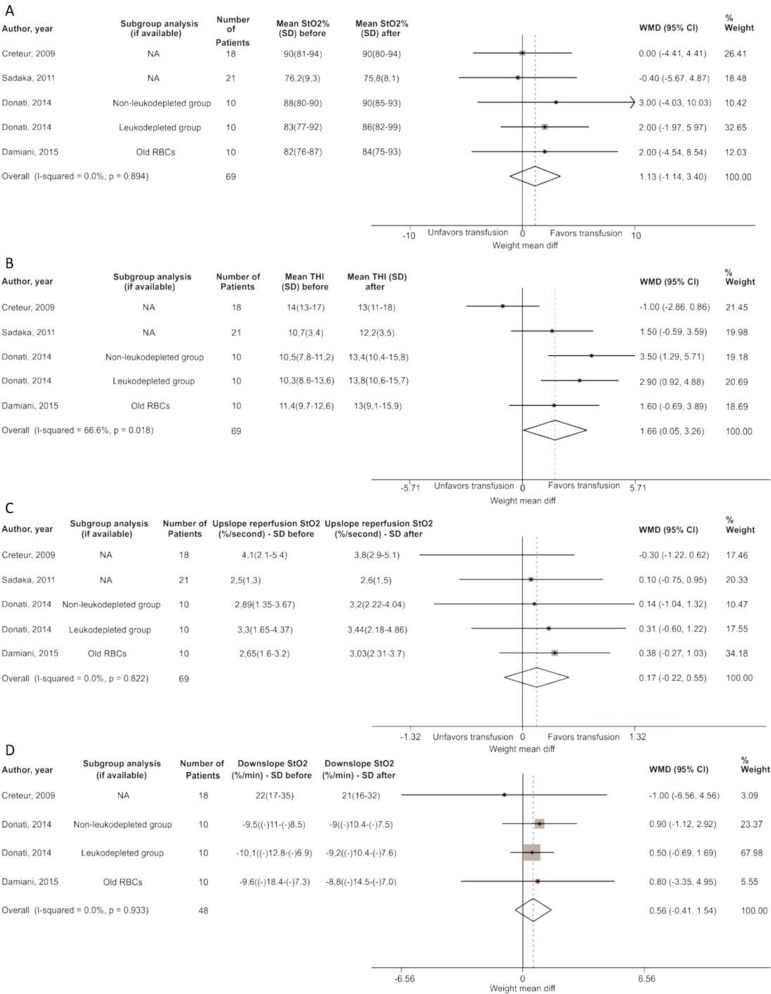
Red blood cell transfusion is thought to improve cell respiration during septic shock. Nevertheless, its acute impact on oxygen transport and metabolism in this condition remains highly debatable. The objective of this study was to evaluate the impact of red blood cell transfusion on microcirculation and oxygen metabolism in patients with sepsis and septic shock. We conducted a search in the MEDLINE®, Elsevier and Scopus databases. We included studies conducted in adult humans with sepsis and septic shock. A systematic review and meta-analysis were performed using the DerSimonian and Laird random-effects model. A p value < 0.05 was considered significant. Nineteen manuscripts with 428 patients were included in the analysis. Red blood cell transfusions were associated with an increase in the pooled mean venous oxygen saturation of 3.7% (p < 0.001), a decrease in oxygen extraction ratio of -6.98 (p < 0.001) and had no significant effect on the cardiac index (0.02L/minute; p = 0,96). Similar results were obtained in studies including simultaneous measurements of venous oxygen saturation, oxygen extraction ratio, and cardiac index. Red blood cell transfusions led to a significant increase in the proportion of perfused small vessels (2.85%; p = 0.553), while tissue oxygenation parameters revealed a significant increase in the tissue hemoglobin index (1.66; p = 0.018). Individual studies reported significant improvements in tissue oxygenation and sublingual microcirculatory parameters in patients with deranged microcirculation at baseline. Red blood cell transfusions seemed to improve systemic oxygen metabolism with apparent independence from cardiac index variations. Some beneficial effects have been observed for tissue oxygenation and microcirculation parameters, particularly in patients with more severe alterations at baseline. More studies are necessary to evaluate their clinical impact and to individualize transfusion decisions.
红细胞输注被认为可以改善感染性休克期间的细胞呼吸。然而,其在这种情况下对氧输送和代谢的急性影响仍存在很大争议。本研究旨在评估红细胞输注对感染性休克患者微循环和氧代谢的影响。我们在 MEDLINE®、Elsevier 和 Scopus 数据库中进行了检索。我们纳入了在成人感染性休克患者中进行的研究。使用 DerSimonian 和 Laird 随机效应模型进行了系统评价和荟萃分析。p 值<0.05 被认为具有统计学意义。共有 19 篇文献纳入了 428 例患者进行分析。红细胞输注与混合静脉血氧饱和度的平均增加量为 3.7%(p<0.001)、氧摄取率的降低量为-6.98%(p<0.001)相关,而对心指数无显著影响(0.02L/minute;p=0.96)。在包括同时测量混合静脉血氧饱和度、氧摄取率和心指数的研究中也得到了类似的结果。红细胞输注导致灌注小血管的比例显著增加(2.85%;p=0.553),而组织氧合参数显示组织血红蛋白指数显著增加(1.66;p=0.018)。个别研究报告称,在基线微循环异常的患者中,组织氧合和舌下微循环参数有显著改善。红细胞输注似乎改善了全身氧代谢,与心指数的变化明显无关。一些有益的效果已经观察到组织氧合和微循环参数,特别是在基线时改变更严重的患者中。需要更多的研究来评估其临床影响并个体化输血决策。