Ghorbani Fateme, Haghgoo Roza, Aramjoo Hamed, Rakhshandeh Hassan, Jamehdar Saeid Amel, Zare-Bidaki Majid
Department of Restorative Dentistry, Faculty of Dentistry, Shahed University, Tehran, Iran.
Department of Pediatrics Dentistry, Faculty of Dentistry, Shahed University, Tehran, Iran.
Iran J Microbiol. 2021 Feb;13(1):104-111. doi: 10.18502/ijm.v13i1.5499.
Dental caries is one of the most common chronic diseases around the world. Inhibitory effects of bark extract has been proved on tooth decay both and by using free sugar chewing gum. This research aimed to examine the effect of bark mouth-wash on the prevalence of in dental plaque.
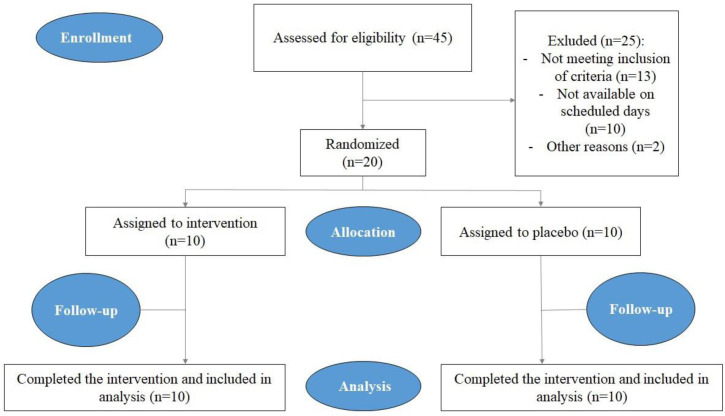
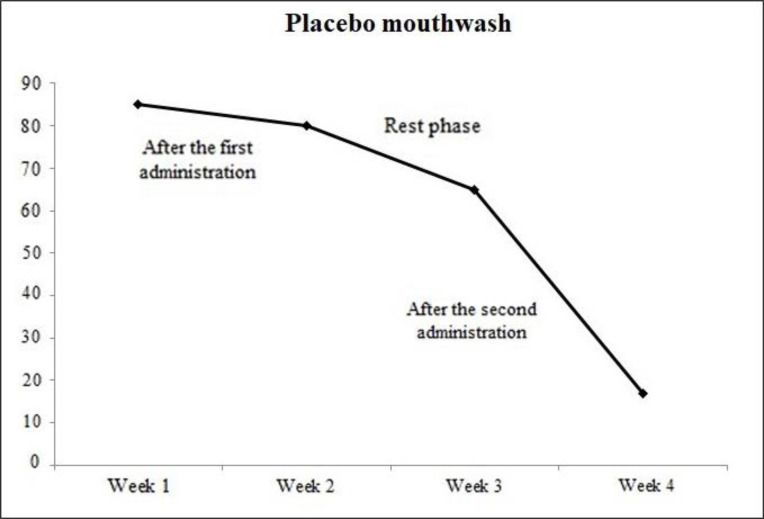
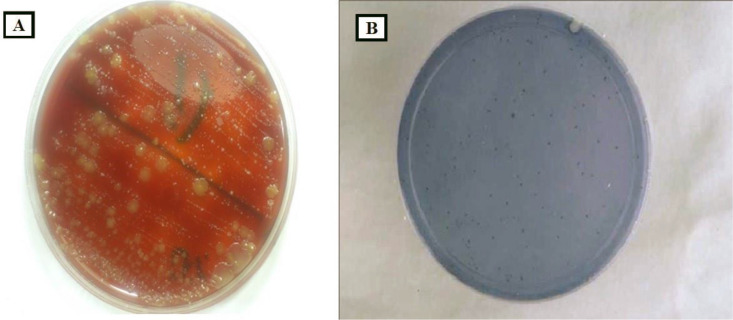
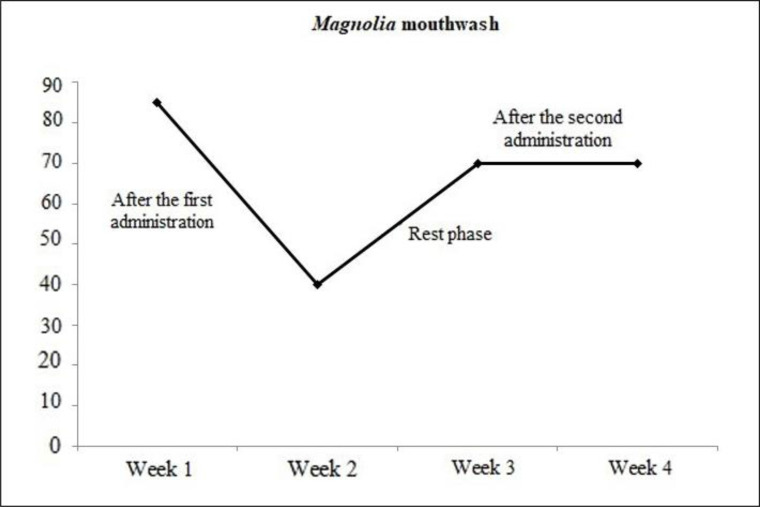
This crossover, placebo-controlled, clinical trial study, was performed on a total of twenty participants (aged 18 to 35 years) in both control and intervention groups and four phases. The prevalence of was measured in a certain volume of volunteer's dental plaque at the beginning of the project (phase 1), after the first prescription (phase 2), following the washout period (phase 3) and finally after the second prescription (phase 4) by culture on bacteriology medium. Plaque index and saliva sampling were carried out in follow-up visits by a dentist. The data were analyzed using T-Test (paired and independent) quantitatively.
There was a significant difference in frequency in dental plaque between when the participants used mouthwash and when they washed out or used a placebo (p<0.005). Results also showed a significant difference between and Placebo groups in the mean count of saliva bacterial colony counts after oral administration in the first and second time (P<0.001 and P<0.004, respectively).
The current trial showed that %0.3 mouthwash tends to decrease the number of in dental plaque significantly. Therefore, its mass production and release to the oral health community are suggested. However, further studies with larger sample sizes and varying treatment are required to substantiate the findings of this study.
龋齿是全球最常见的慢性疾病之一。树皮提取物对龋齿的抑制作用已通过使用游离糖口香糖和[具体方式未明确]得到证实。本研究旨在检验树皮漱口水对牙菌斑中[具体细菌未明确]患病率的影响。
本交叉、安慰剂对照临床试验研究共纳入20名参与者(年龄18至35岁),分为对照组和干预组,共四个阶段。在项目开始时(第1阶段)、首次用药后(第2阶段)、洗脱期后(第3阶段)以及最后第二次用药后(第4阶段),通过在细菌学培养基上培养,测量志愿者一定体积牙菌斑中[具体细菌未明确]的患病率。随访时由牙医进行菌斑指数和唾液采样。数据采用配对和独立t检验进行定量分析。
参与者使用[具体漱口水未明确]漱口水时与洗脱期或使用安慰剂时相比,牙菌斑中[具体细菌未明确]的频率存在显著差异(p<0.005)。结果还显示,在首次和第二次口服给药后,[具体漱口水未明确]组与安慰剂组唾液细菌菌落计数的平均值之间存在显著差异(分别为P<0.001和P<0.004)。
当前试验表明,0.3%[具体漱口水未明确]漱口水倾向于显著减少牙菌斑中[具体细菌未明确]的数量。因此,建议进行大规模生产并投放口腔健康领域。然而,需要进一步开展更大样本量和不同治疗方式的研究来证实本研究结果。