Zhao Jianyuan, Guo SaiSai, Yi Dongrong, Li Quanjie, Ma Ling, Zhang Yongxin, Wang Jing, Li Xiaoyu, Guo Fei, Lin Rongtuan, Liang Chen, Liu Zhenlong, Cen Shan
Institute of Medicinal Biotechnology, Chinese Academy of Medical Science, Beijing, China.
Institute of Pathogen Biology, Chinese Academy of Medical Science, Beijing, China.
Antiviral Res. 2021 Jun;190:105078. doi: 10.1016/j.antiviral.2021.105078. Epub 2021 Apr 21.
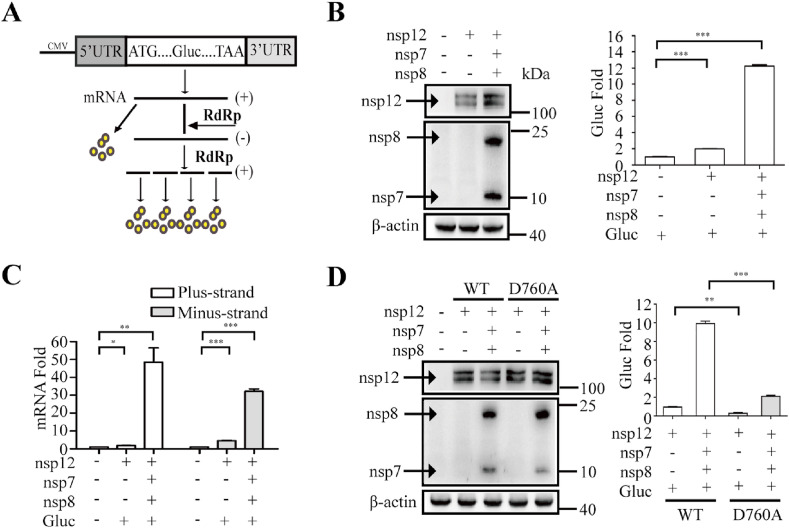
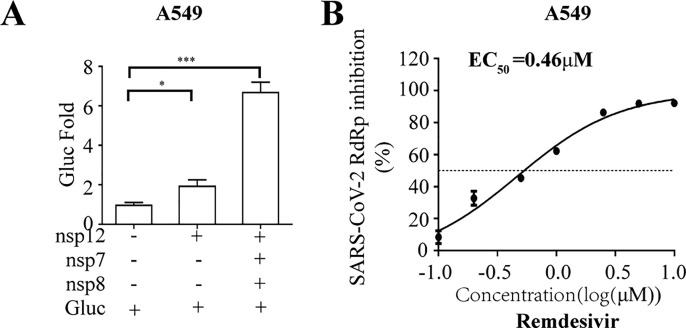
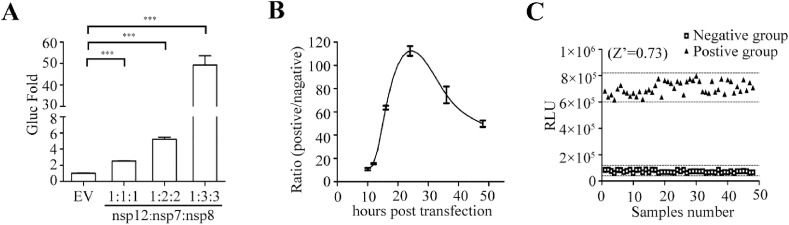
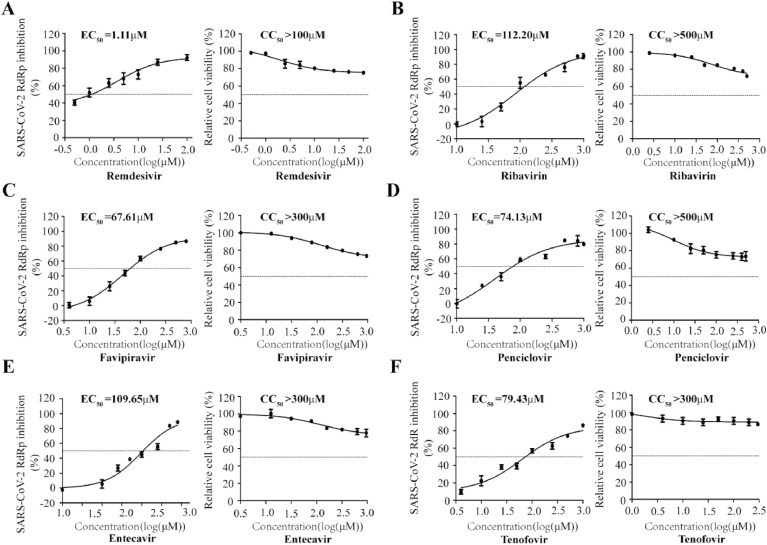
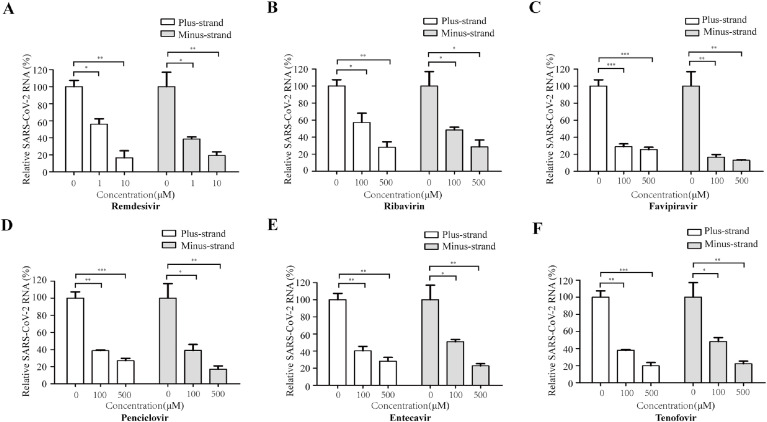
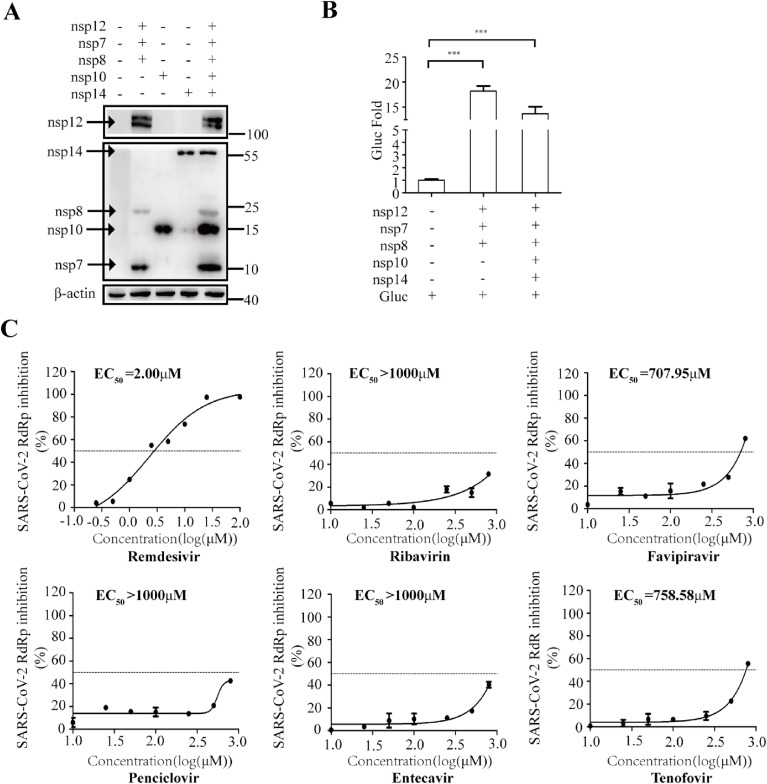
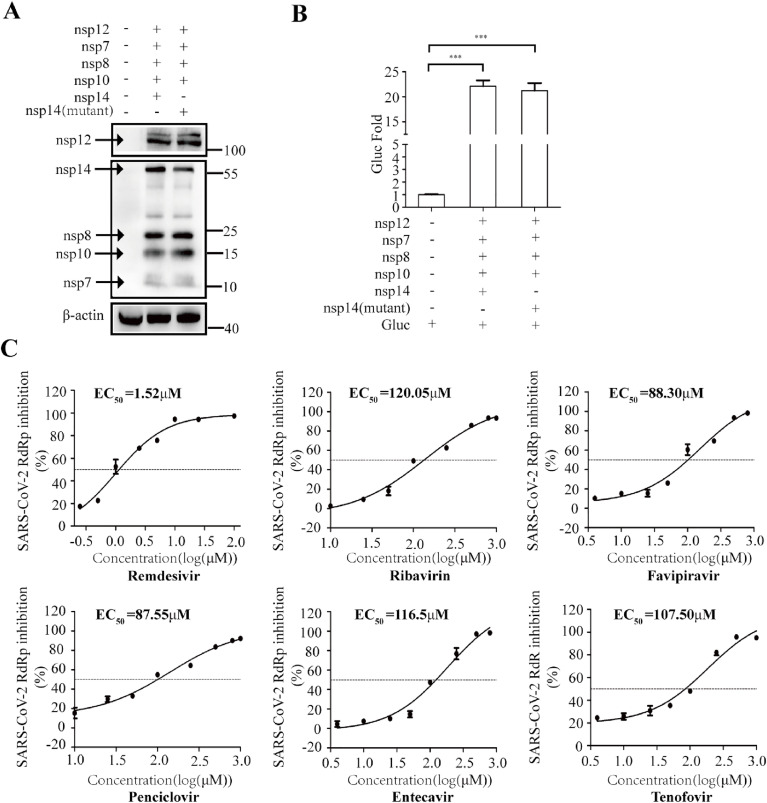
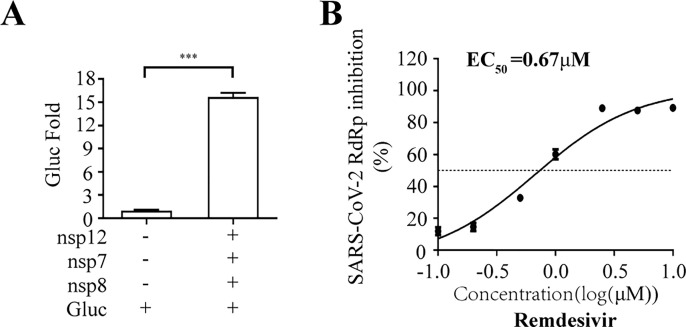
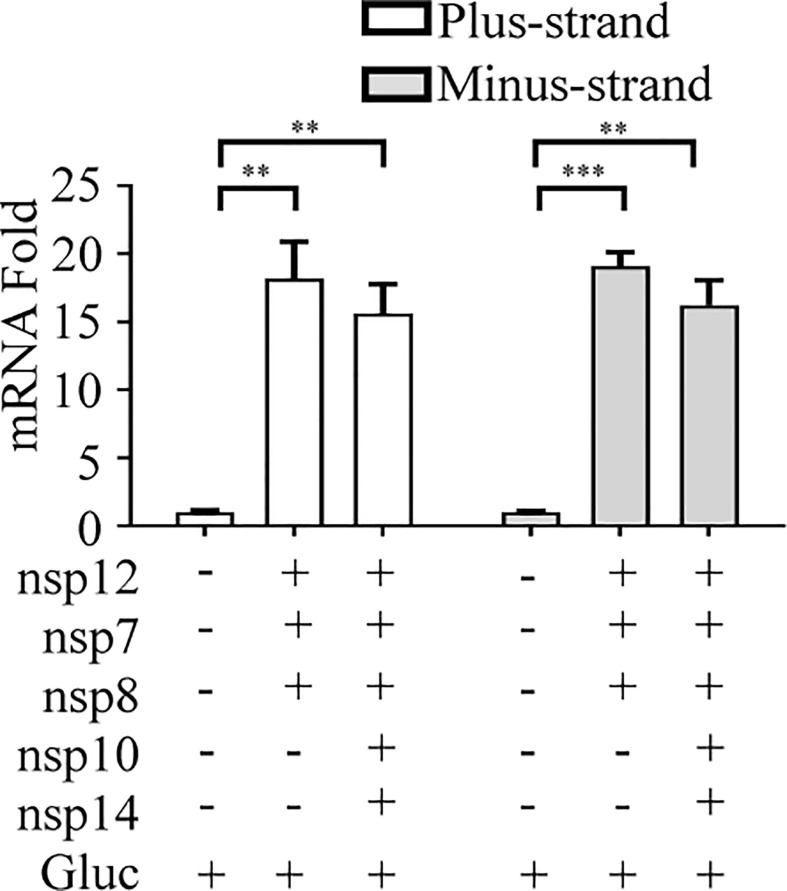
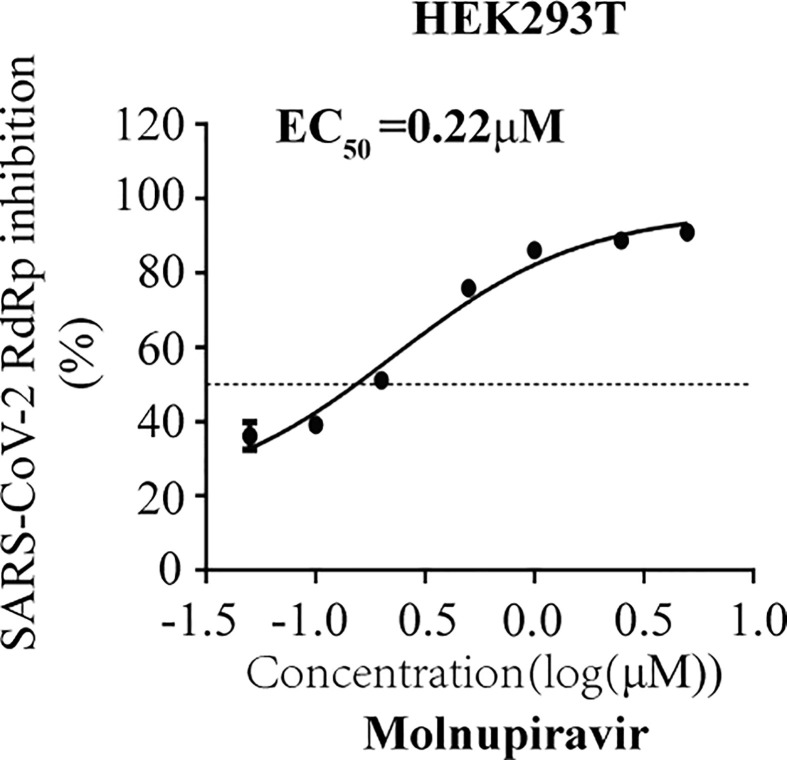
Antiviral therapeutics is one effective avenue to control and end this devastating COVID-19 pandemic. The viral RNA-dependent RNA polymerase (RdRp) of SARS-CoV-2 has been recognized as a valuable target of antivirals. However, the cell-free SARS-CoV-2 RdRp biochemical assay requires the conversion of nucleotide prodrugs into the active triphosphate forms, which regularly occurs in cells yet is a complicated multiple-step chemical process in vitro, and thus hinders the utility of this cell-free assay in the rapid discovery of RdRp inhibitors. In addition, SARS-CoV-2 exoribonuclease provides the proof-reading capacity to viral RdRp, thus creates relatively high resistance threshold of viral RdRp to nucleotide analog inhibitors, which must be examined and evaluated in the development of this class of antivirals. Here, we report a cell-based assay to evaluate the efficacy of nucleotide analog compounds against SARS-CoV-2 RdRp and assess their tolerance to viral exoribonuclease-mediated proof-reading. By testing seven commonly used nucleotide analog viral polymerase inhibitors, Remdesivir, Molnupiravir, Ribavirin, Favipiravir, Penciclovir, Entecavir and Tenofovir, we found that both Molnupiravir and Remdesivir showed the strong inhibition of SARS-CoV-2 RdRp, with EC50 value of 0.22 μM and 0.67 μM, respectively. Moreover, our results suggested that exoribonuclease nsp14 increases resistance of SARS-CoV-2 RdRp to nucleotide analog inhibitors. We also determined that Remdesivir presented the highest resistance to viral exoribonuclease activity in cells. Therefore, we have developed a cell-based SARS-CoV-2 RdRp assay which can be deployed to discover SARS-CoV-2 RdRp inhibitors that are urgently needed to treat COVID-19 patients.
抗病毒疗法是控制并终结这场毁灭性的新冠疫情的有效途径之一。严重急性呼吸综合征冠状病毒2(SARS-CoV-2)的病毒RNA依赖性RNA聚合酶(RdRp)已被公认为抗病毒药物的一个重要靶点。然而,无细胞的SARS-CoV-2 RdRp生化检测需要将核苷酸前药转化为活性三磷酸形式,这在细胞中经常发生,但在体外却是一个复杂的多步化学过程,因此阻碍了这种无细胞检测在快速发现RdRp抑制剂方面的应用。此外,SARS-CoV-2外切核糖核酸酶为病毒RdRp提供校对能力,从而使病毒RdRp对核苷酸类似物抑制剂产生相对较高的耐药阈值,这在这类抗病毒药物的研发中必须加以研究和评估。在此,我们报告一种基于细胞的检测方法,用于评估核苷酸类似物化合物对SARS-CoV-2 RdRp的疗效,并评估它们对病毒外切核糖核酸酶介导的校对的耐受性。通过测试七种常用的核苷酸类似物病毒聚合酶抑制剂,瑞德西韦、莫努匹拉韦、利巴韦林、法匹拉韦、喷昔洛韦、恩替卡韦和替诺福韦,我们发现莫努匹拉韦和瑞德西韦均对SARS-CoV-2 RdRp有强烈抑制作用,其半数有效浓度(EC50)值分别为0.22 μM和0.67 μM。此外,我们的结果表明,外切核糖核酸酶nsp14增加了SARS-CoV-2 RdRp对核苷酸类似物抑制剂的耐药性。我们还确定,瑞德西韦在细胞中对病毒外切核糖核酸酶活性的耐药性最高。因此,我们开发了一种基于细胞的SARS-CoV-2 RdRp检测方法,可以用于发现治疗新冠患者急需的SARS-CoV-2 RdRp抑制剂。