Zhang Xiao, Yu Keke, Ma Lifang, Qian Zijun, Tian Xiaoting, Miao Yayou, Niu Yongjie, Xu Xin, Guo Susu, Yang Yueyue, Wang Zhixian, Xue Xiangfei, Gu Chuanjia, Fang Wentao, Sun Jiayuan, Yu Yongchun, Wang Jiayi
Department of Thoracic Surgery, Shanghai Chest Hospital, Shanghai Jiao Tong University, Shanghai, 200030, China.
Shanghai Institute of Thoracic Oncology, Shanghai Chest Hospital, Shanghai Jiao Tong University, Shanghai, 200030, China.
Theranostics. 2021 Mar 24;11(12):5650-5674. doi: 10.7150/thno.55482. eCollection 2021.
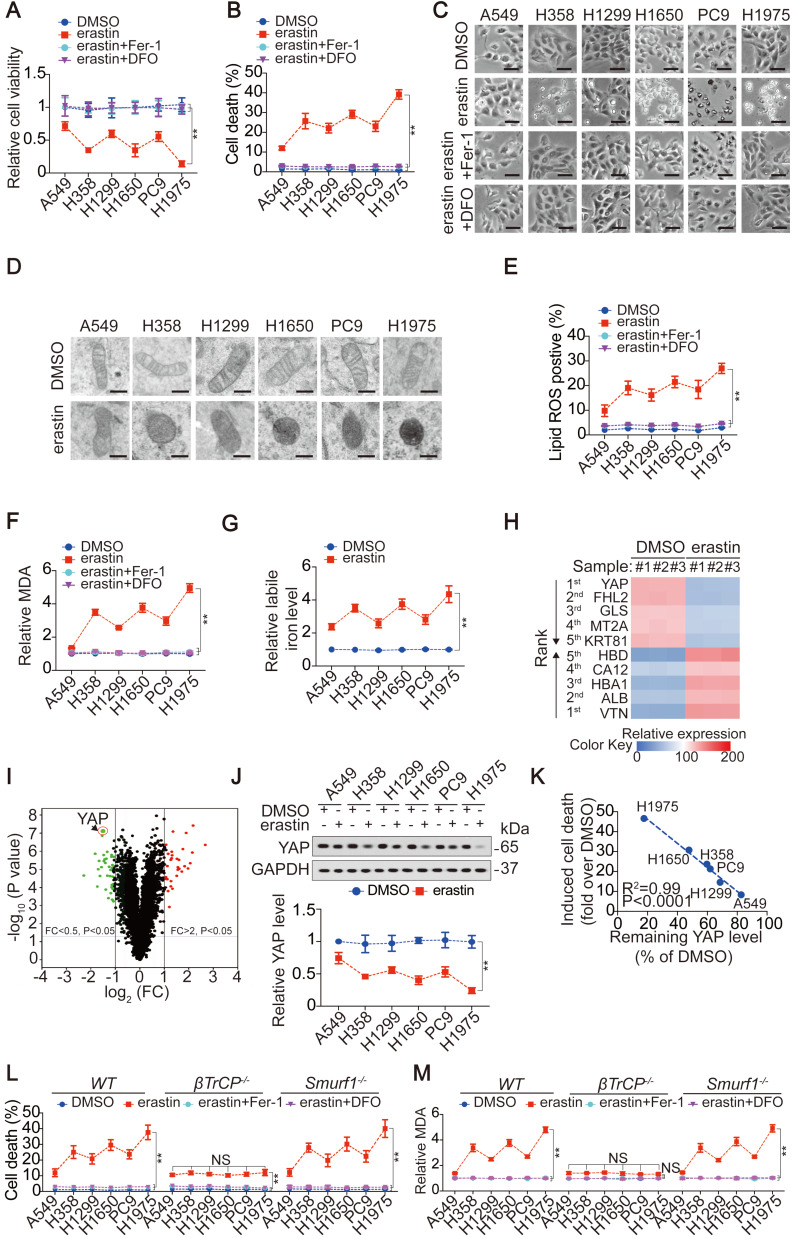
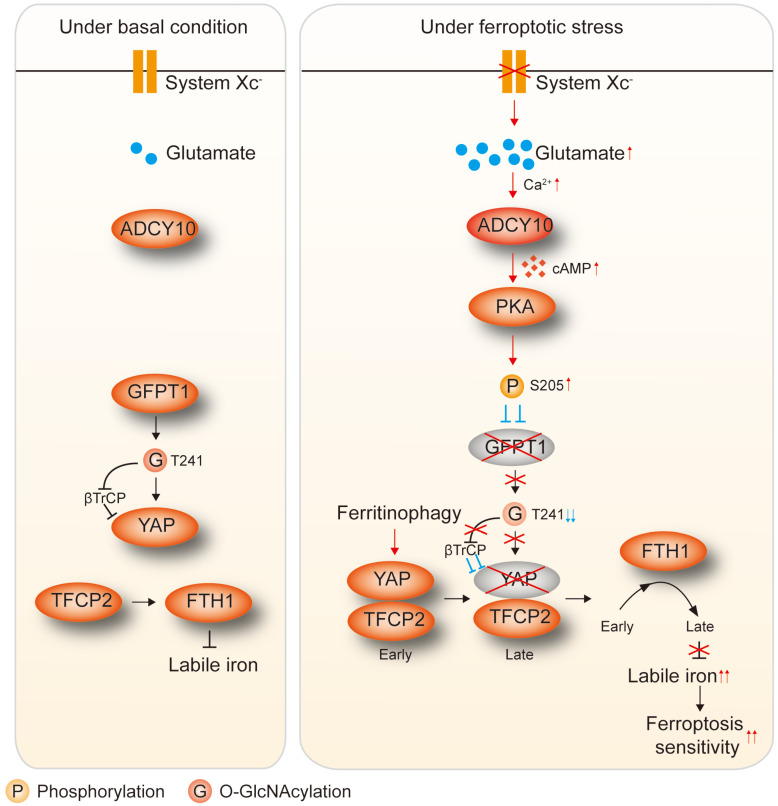
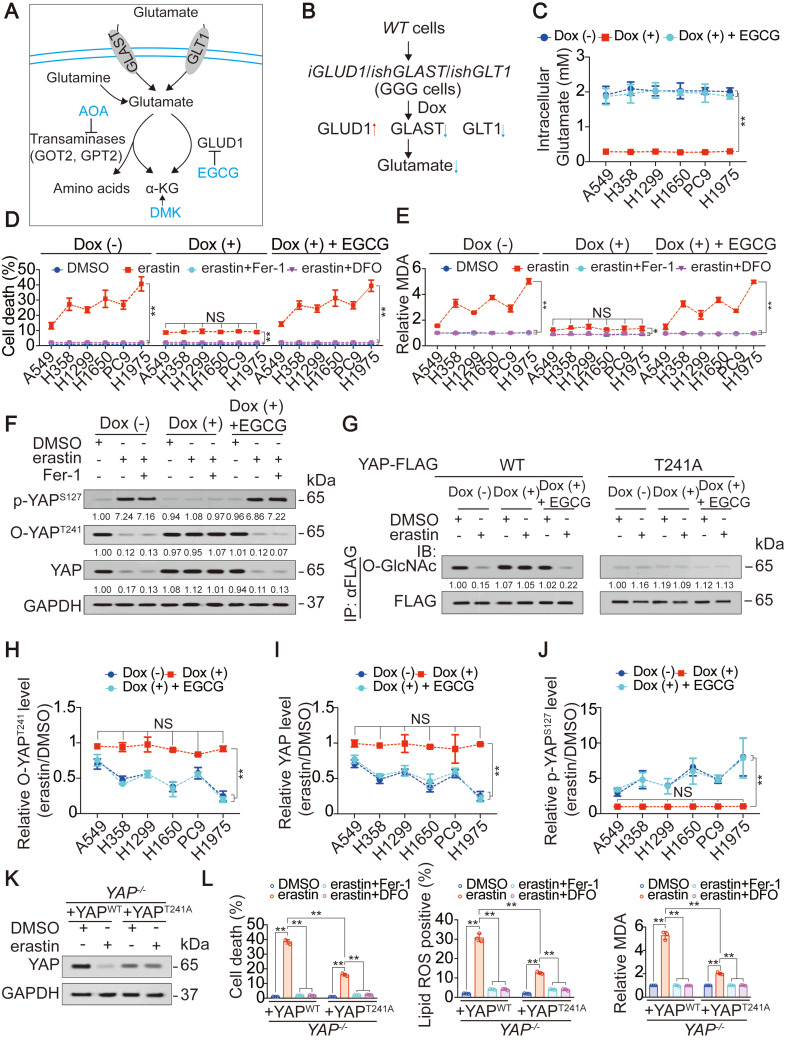
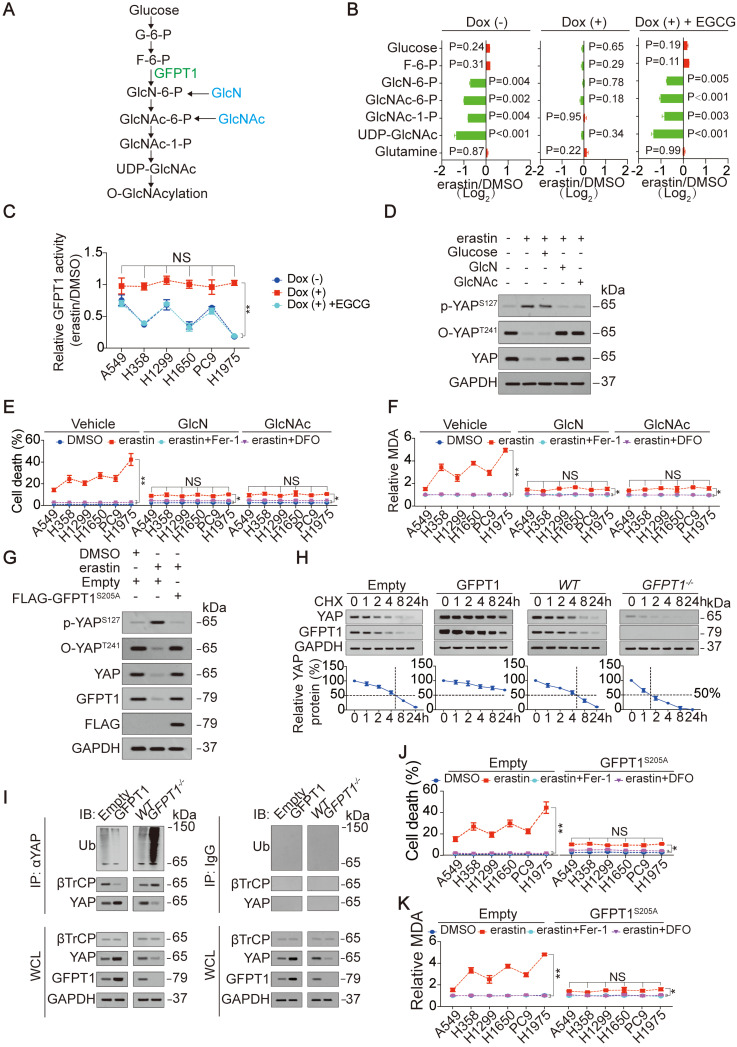
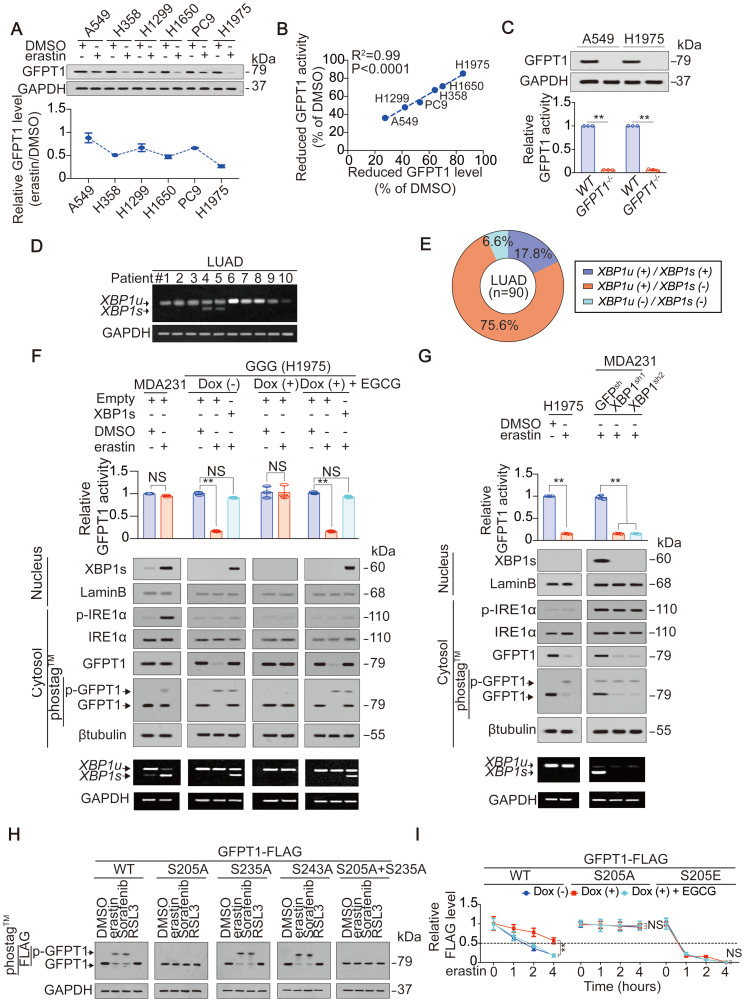
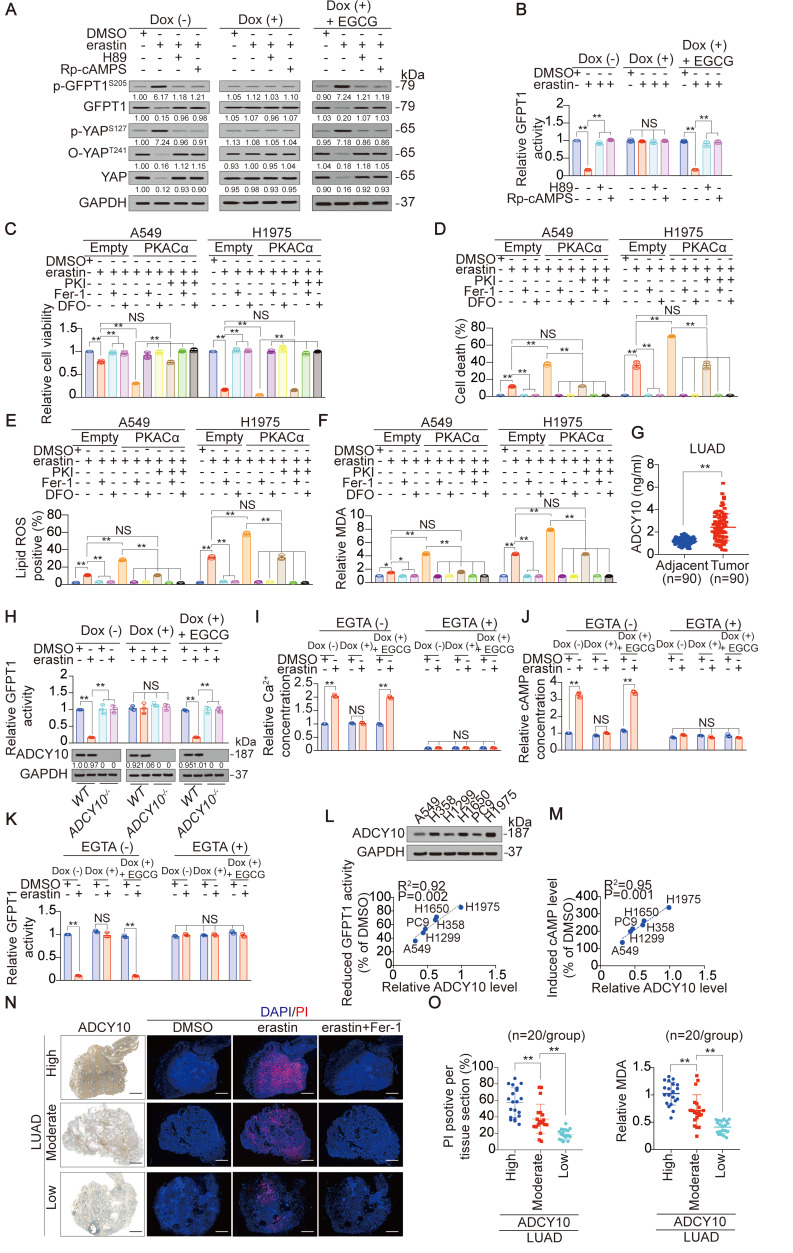
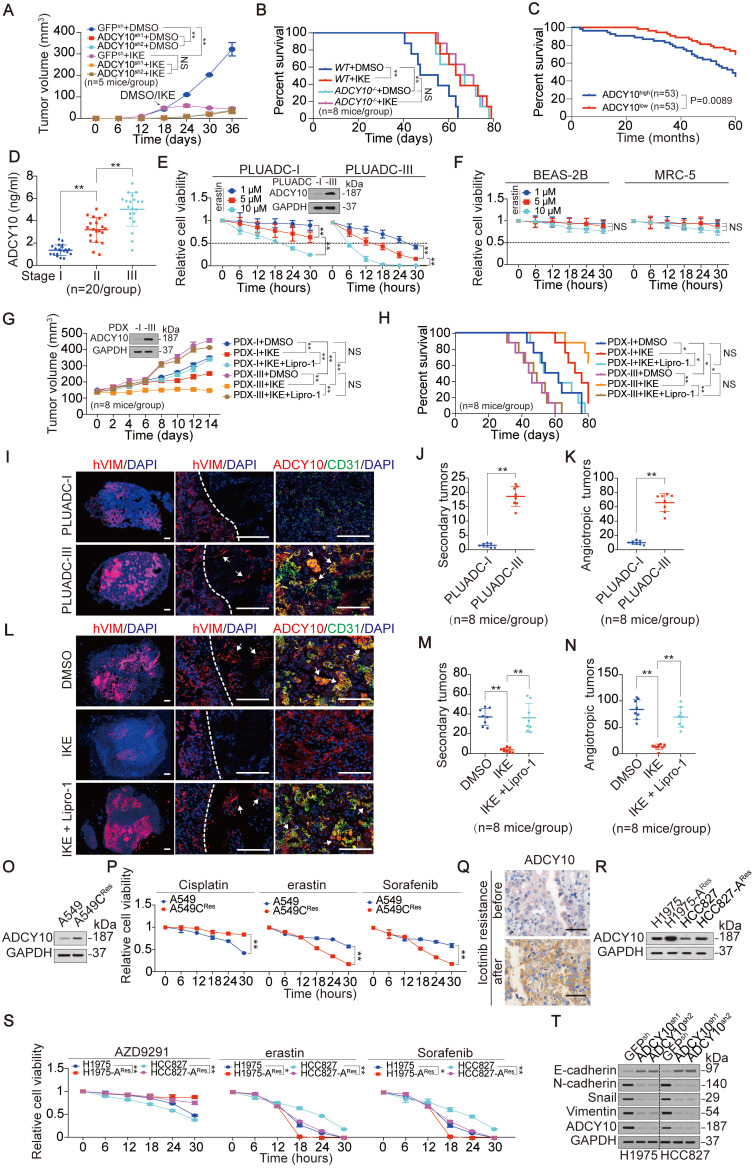
Ferroptosis, a newly identified form of regulated cell death, can be induced following the inhibition of cystine-glutamate antiporter system X because of the impaired uptake of cystine. However, the outcome following the accumulation of endogenous glutamate in lung adenocarcinoma (LUAD) has not yet been determined. Yes-associated protein (YAP) is sustained by the hexosamine biosynthesis pathway (HBP)-dependent O-linked beta-N-acetylglucosaminylation (O-GlcNAcylation), and glutamine-fructose-6-phosphate transaminase (GFPT1), the rate-limiting enzyme of the HBP, can be phosphorylated and inhibited by adenylyl cyclase (ADCY)-mediated activation of protein kinase A (PKA). However, whether accumulated endogenous glutamate determines ferroptosis sensitivity by influencing the ADCY/PKA/HBP/YAP axis in LUAD cells is not understood. Cell viability, cell death and the generation of lipid reactive oxygen species (ROS) and malondialdehyde (MDA) were measured to evaluate the responses to the induction of ferroptosis following the inhibition of system X. Tandem mass tags (TMTs) were employed to explore potential factors critical for the ferroptosis sensitivity of LUAD cells. Immunoblotting (IB) and quantitative RT-PCR (qPCR) were used to analyze protein and mRNA expression. Co-immunoprecipitation (co-IP) assays were performed to identify protein-protein interactions and posttranslational modifications. Metabolite levels were measured using the appropriate kits. Transcriptional regulation was evaluated using a luciferase reporter assay, chromatin immunoprecipitation (ChIP), and electrophoretic mobility shift assay (EMSA). Drug administration and limiting dilution cell transplantation were performed with cell-derived xenograft (CDX) and patient-derived xenograft (PDX) mouse models. The associations among clinical outcome, drug efficacy and ADCY10 expression were determined based on data from patients who underwent curative surgery and evaluated with patient-derived primary LUAD cells and tissues. The accumulation of endogenous glutamate following system X inhibition has been shown to determine ferroptosis sensitivity by suppressing YAP in LUAD cells. YAP O-GlcNAcylation and expression cannot be sustained in LUAD cells upon impairment of GFPT1. Thus, Hippo pathway-like phosphorylation and ubiquitination of YAP are enhanced. ADCY10 acts as a key downstream target and diversifies the effects of glutamate on the PKA-dependent suppression of GFPT1. We also discovered that the protumorigenic and proferroptotic effects of ADCY10 are mediated separately. Advanced-stage LUADs with high ADCY10 expression are sensitive to ferroptosis. Moreover, LUAD cells with acquired therapy resistance are also prone to higher ADCY10 expression and are more likely to respond to ferroptosis. Finally, a varying degree of secondary labile iron increase is caused by the failure to sustain YAP-stimulated transcriptional compensation for ferritin at later stages further explains why ferroptosis sensitivity varies among LUAD cells. Endogenous glutamate is critical for ferroptosis sensitivity following the inhibition of system X in LUAD cells, and ferroptosis-based treatment is a good choice for LUAD patients with later-stage and/or therapy-resistant tumors.
铁死亡是一种新发现的程序性细胞死亡形式,由于胱氨酸摄取受损,抑制胱氨酸 - 谷氨酸反向转运体系统X后可诱导铁死亡。然而,肺腺癌(LUAD)中内源性谷氨酸积累后的结果尚未确定。Yes相关蛋白(YAP)由己糖胺生物合成途径(HBP)依赖性O - 连接β - N - 乙酰葡糖胺化(O - GlcNAcylation)维持,而HBP的限速酶谷氨酰胺 - 果糖 - 6 - 磷酸转氨酶(GFPT1)可被腺苷酸环化酶(ADCY)介导的蛋白激酶A(PKA)激活磷酸化并抑制。然而,内源性谷氨酸积累是否通过影响LUAD细胞中的ADCY/PKA/HBP/YAP轴来决定铁死亡敏感性尚不清楚。测量细胞活力、细胞死亡以及脂质活性氧(ROS)和丙二醛(MDA)的生成,以评估抑制系统X后对铁死亡诱导的反应。采用串联质谱标签(TMT)来探索对LUAD细胞铁死亡敏感性至关重要的潜在因素。免疫印迹(IB)和定量逆转录聚合酶链反应(qPCR)用于分析蛋白质和mRNA表达。进行免疫共沉淀(co - IP)实验以鉴定蛋白质 - 蛋白质相互作用和翻译后修饰。使用适当的试剂盒测量代谢物水平。使用荧光素酶报告基因检测、染色质免疫沉淀(ChIP)和电泳迁移率变动分析(EMSA)评估转录调控。对细胞来源的异种移植(CDX)和患者来源的异种移植(PDX)小鼠模型进行药物给药和有限稀释细胞移植。根据接受根治性手术患者的数据,使用患者来源的原发性LUAD细胞和组织评估临床结果、药物疗效与ADCY10表达之间的关联。已表明系统X抑制后内源性谷氨酸的积累通过抑制LUAD细胞中的YAP来决定铁死亡敏感性。GFPT1受损时,LUAD细胞中YAP的O - GlcNAcylation和表达无法维持。因此,YAP的Hippo通路样磷酸化和泛素化增强。ADCY10作为关键的下游靶点,使谷氨酸对PKA依赖性GFPT1抑制的作用多样化。我们还发现ADCY10的促肿瘤和促铁死亡作用是分别介导的。ADCY10高表达的晚期LUAD对铁死亡敏感。此外,获得性治疗耐药的LUAD细胞也倾向于更高的ADCY10表达,并且更可能对铁死亡有反应。最后,后期无法维持YAP刺激的铁蛋白转录补偿导致不同程度的继发性不稳定铁增加,这进一步解释了为什么LUAD细胞中铁死亡敏感性存在差异。内源性谷氨酸对于LUAD细胞中系统X抑制后的铁死亡敏感性至关重要,基于铁死亡的治疗是晚期和/或治疗耐药肿瘤的LUAD患者的良好选择。