Western Barley Genetics Alliance, College of Science, Health, Engineering and Education, Murdoch University, Murdoch, WA 6150, Australia.
Western Australian State Agricultural Biotechnology Centre, Murdoch University, Murdoch, WA 6150, Australia.
Plant Commun. 2020 Jun 5;2(2):100082. doi: 10.1016/j.xplc.2020.100082. eCollection 2021 Mar 8.
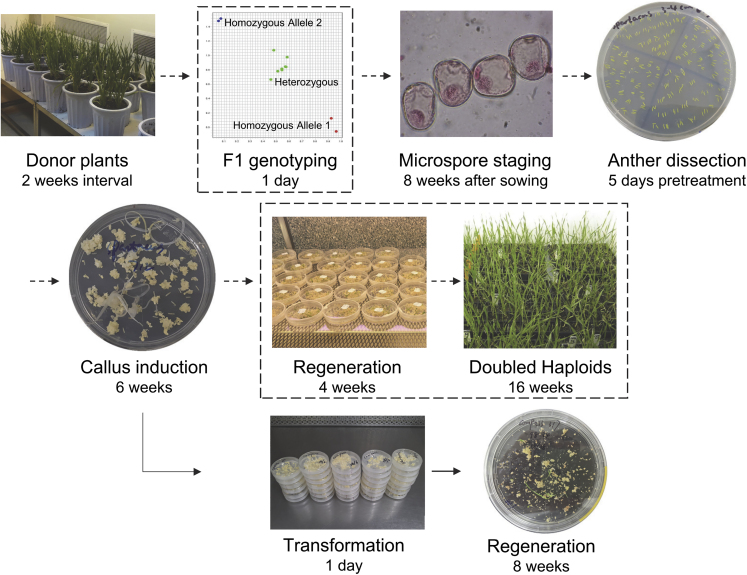
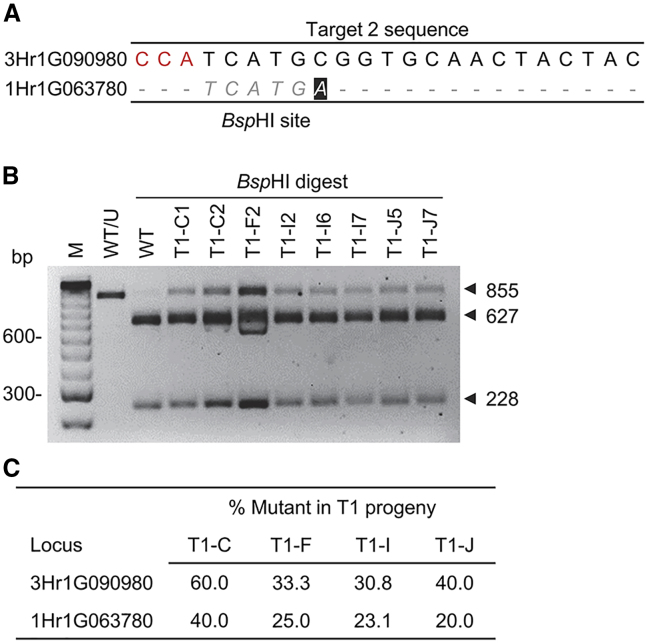
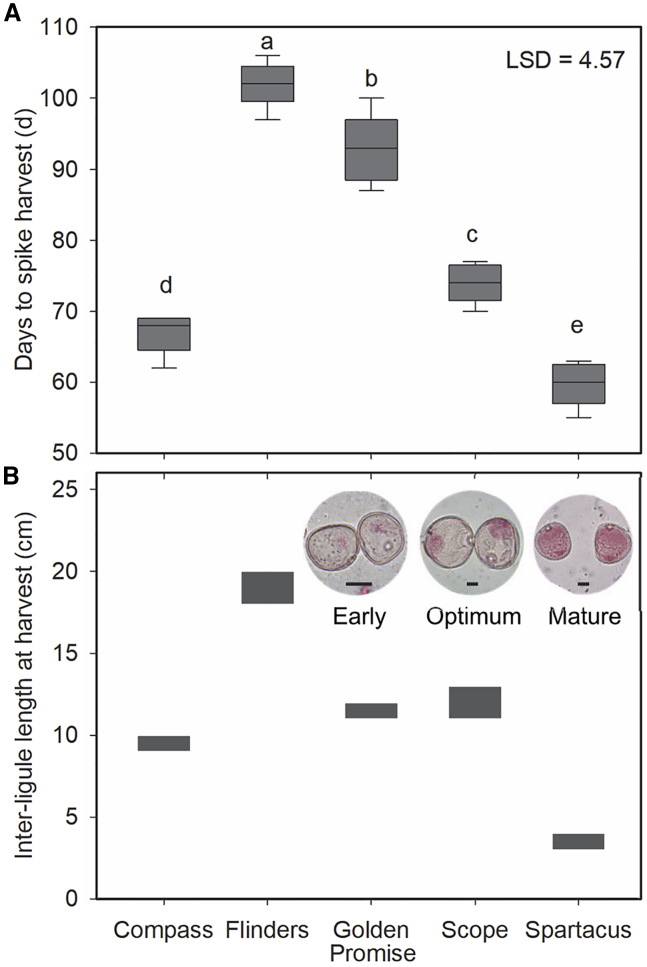
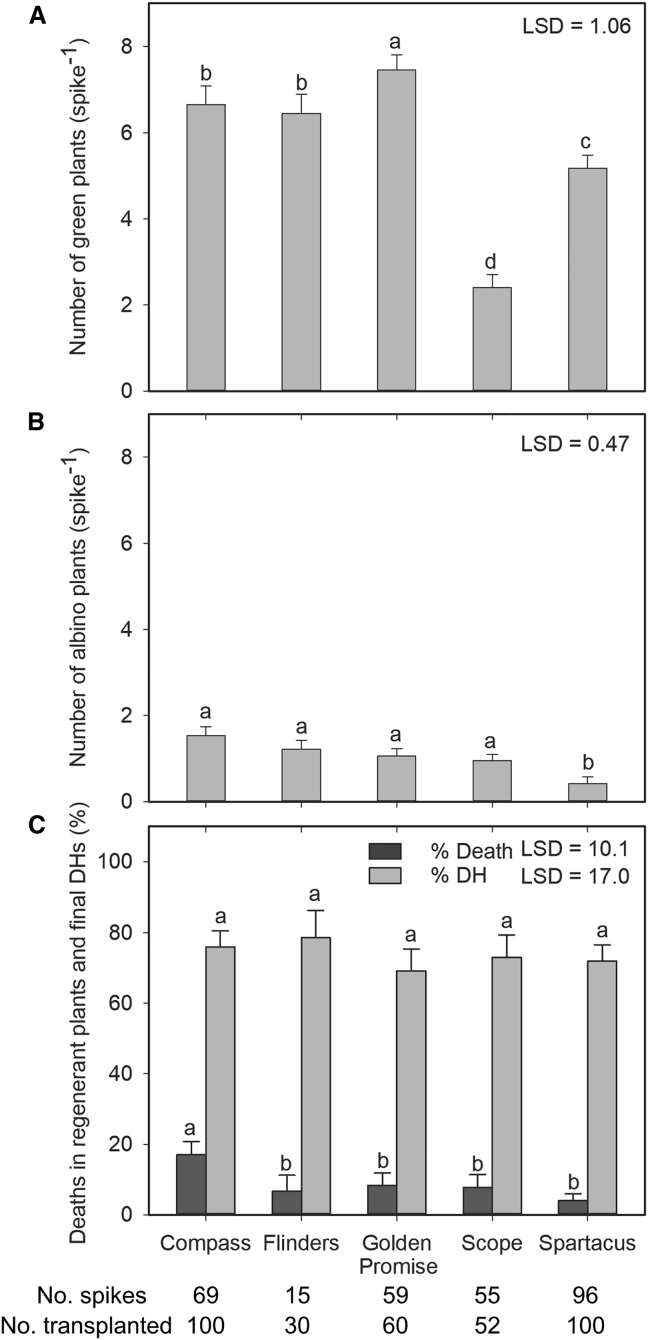
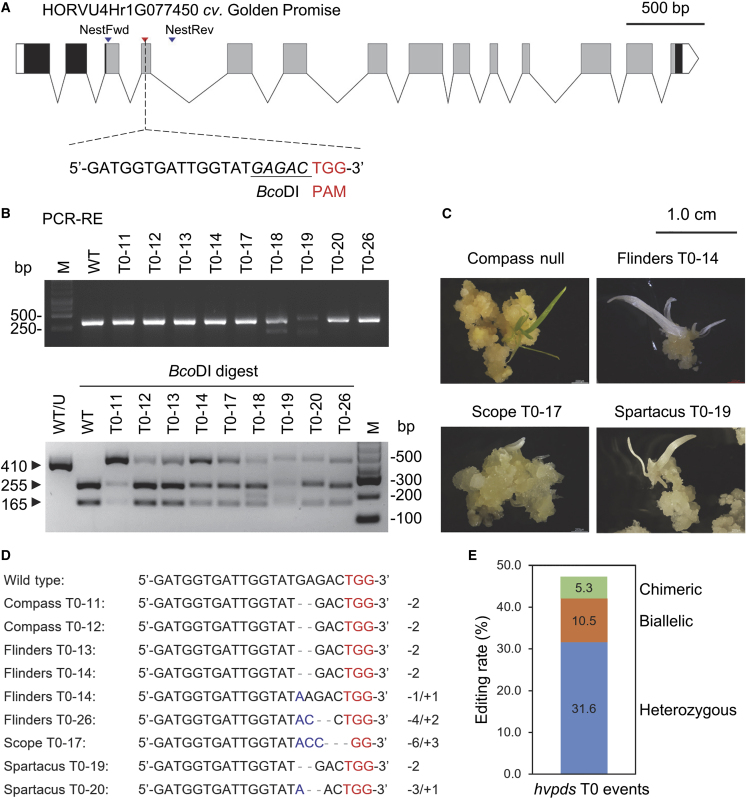
Recalcitrance to tissue culture and genetic transformation is the major bottleneck for gene manipulation in crops. In barley, immature embryos of Golden Promise have typically been used as explants for transformation. However, the genotype dependence of this approach limits the genetic modification of commercial varieties. Here, we developed an anther culture-based system that permits the effective creation of transgenic and gene-edited plants from commercial barley varieties. The protocol was tested in Golden Promise and four Australian varieties, which differed in phenology, callus induction, and green plant regeneration responses. -mediated transformation was performed on microspore-derived callus to target the gene, and T0 albinos with targeted mutations were successfully obtained from commercial varieties. Further editing of three targets was achieved with an average mutation rate of 53% in the five varieties. In 51 analyzed T0 individuals, Cas9 induced a large proportion (69%) of single-base indels and two-base deletions in the target sites, with variable mutation rates among targets and varieties. Both on-target and off-target activities were detected in T1 progenies. Compared with immature embryo protocols, this genotype-independent platform can deliver a high editing efficiency and more regenerant plants within a similar time frame. It shows promise for functional genomics and the application of CRISPR technologies for the precise improvement of commercial varieties.
对组织培养和遗传转化的抗性是作物基因操作的主要瓶颈。在大麦中,通常使用金承诺(Golden Promise)的不成熟胚胎作为转化的外植体。然而,这种方法的基因型依赖性限制了商业品种的遗传修饰。在这里,我们开发了一种基于花药培养的系统,允许从商业大麦品种中有效地创建转基因和基因编辑植物。该方案在金承诺和四个澳大利亚品种中进行了测试,这些品种在物候、愈伤组织诱导和绿苗再生反应方面存在差异。我们通过微孢子体衍生的愈伤组织进行了介导的转化,以靶向基因,并从商业品种中成功获得了具有靶向突变的 T0 白化体。在五个品种中,平均突变率为 53%,进一步编辑了三个靶标。在分析的 51 个 T0 个体中,Cas9 在靶位点诱导了大量(69%)单碱基插入缺失和双碱基缺失,靶标和品种之间的突变率不同。在 T1 后代中都检测到了靶标和非靶标活性。与不成熟胚胎方案相比,这种与基因型无关的平台可以在类似的时间内提供更高的编辑效率和更多的再生植物。它有望用于功能基因组学和 CRISPR 技术在精确改良商业品种中的应用。