Kolhar Manjur, Kazi Raisa Nazir Ahmed, Alameen Abdalla
Dept. Computer Science, College of Arts and Science, Prince Sattam Bin Abdulaziz University, Wadi Ad Dawser 11990, Saudi Arabia.
College of Applied Medical Science, Prince Sattam Bin Abdulaziz University, Wadi Ad Dawser 11990, Saudi Arabia.
Saudi J Biol Sci. 2021 Apr;28(4):2216-2222. doi: 10.1016/j.sjbs.2021.01.010. Epub 2021 Jan 21.
Social networking sites are widely used by university students. This study investigated the purposes for which social networking sites are used and their effects on learning, social interaction, and sleep duration.
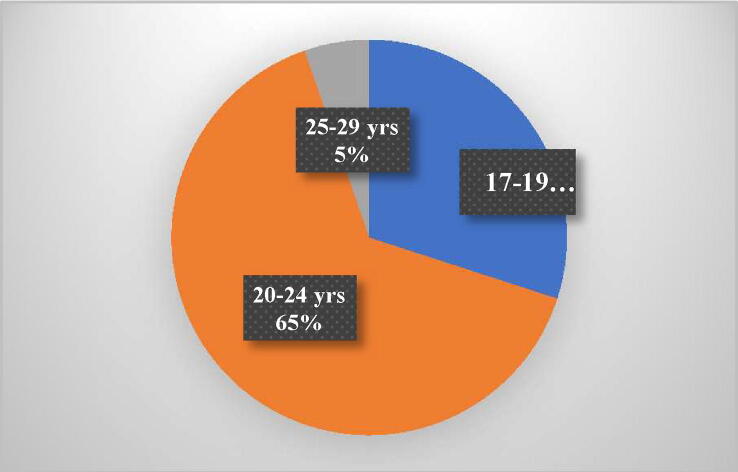
A cross-sectional study was conducted among 300, 17-29-year-old female students at Prince Sattam bin Abdul Aziz University. A questionnaire was used to collect data. Chi-squared (Fisher's exact test) test was used to analyze the data.
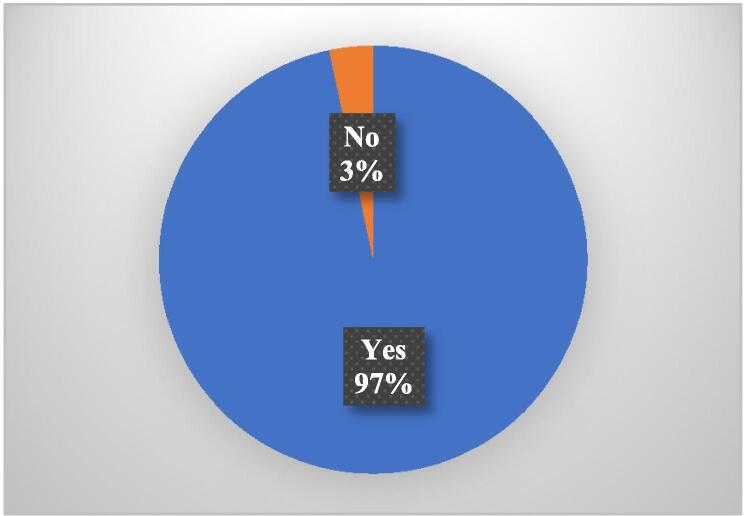
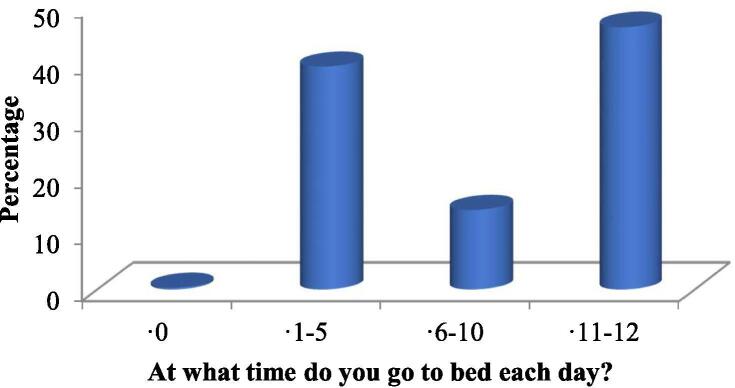
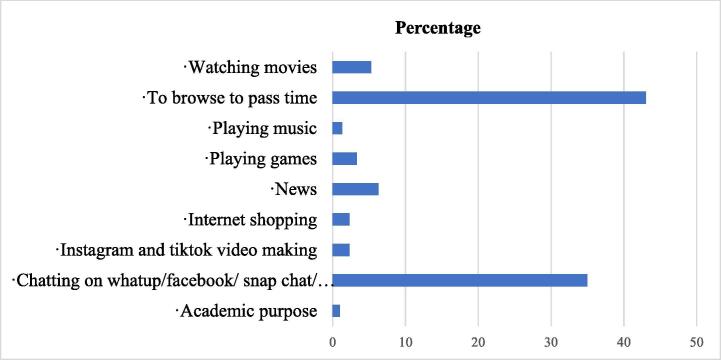
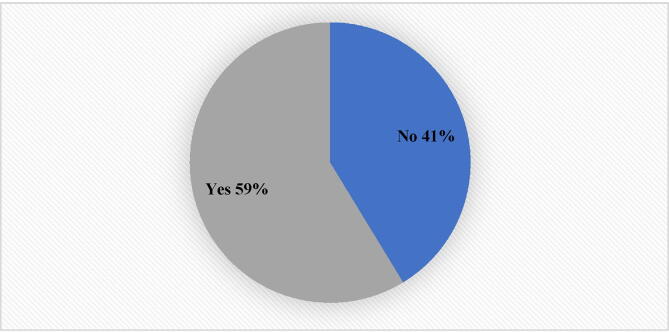
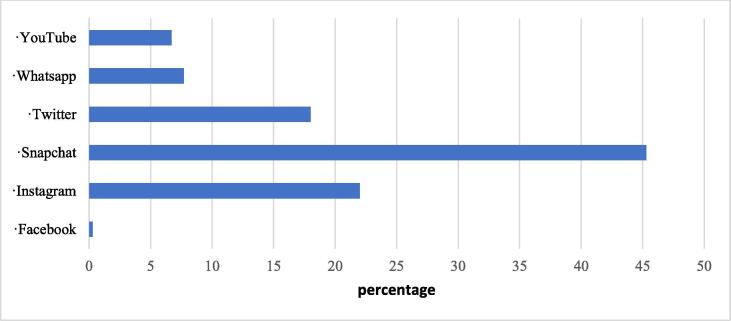
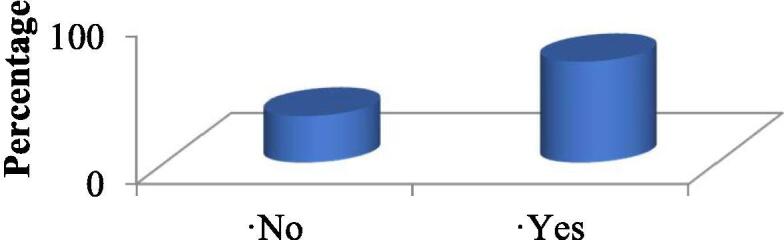
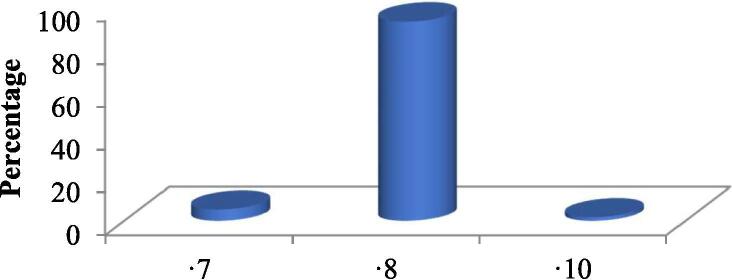
The results showed that 97% of the students used social media applications. Only 1% of them used social media for academic purposes. Whereas 35% of them used these platforms to chat with others, 43% of them browsed these sites to pass time. Moreover, 57% of them were addicted to social media. Additionally, 52% of them reported that social media use had affected their learning activities, 66% of them felt more drawn toward social media than toward academic activities, and 74% of them spent their free time on social media platforms. The most popular applications (i.e., based on usage) were Snapchat (45%), Instagram (22%), Twitter (18%), and WhatsApp (7%). Further, 46% and 39% of them reported going to bed between 11 pm and 12 am and between 1 am and 2 am, respectively. Finally, 68% of them attributed their delayed bedtime to social media use, and 59% of them reported that social media had affected their social interactions.
A majority of the participants reported prolonged use of social networking sites for nonacademic purposes. These habitual behaviors can distract students from their academic work, adversely affect their academic performance, social interactions, and sleep duration, and lead to a sedentary lifestyle and physical inactivity, which in turn can render them vulnerable to non-communicable diseases and mental health problems.
社交网站在大学生中广泛使用。本研究调查了使用社交网站的目的及其对学习、社交互动和睡眠时间的影响。
在沙特王子萨塔姆·本·阿卜杜勒阿齐兹大学对300名17 - 29岁的女学生进行了一项横断面研究。使用问卷调查收集数据。采用卡方检验(费舍尔精确检验)分析数据。
结果显示,97%的学生使用社交媒体应用程序。其中只有1%的学生将社交媒体用于学术目的。而35%的学生使用这些平台与他人聊天,43%的学生浏览这些网站来打发时间。此外,57%的学生沉迷于社交媒体。另外,52%的学生报告称使用社交媒体影响了他们的学习活动,66%的学生感觉自己对社交媒体的兴趣比对学术活动的兴趣更大,74%的学生将空闲时间花在社交媒体平台上。最受欢迎的应用程序(即根据使用情况)是Snapchat(45%)、Instagram(22%)、Twitter(18%)和WhatsApp(7%)。此外,46%和39%的学生分别报告称在晚上11点至12点之间和凌晨1点至2点之间上床睡觉。最后,68%的学生将他们推迟就寝时间归因于使用社交媒体,59%的学生报告称社交媒体影响了他们的社交互动。
大多数参与者报告长时间将社交网站用于非学术目的。这些习惯行为会使学生分散对学业的注意力,对他们的学业成绩、社交互动和睡眠时间产生不利影响,并导致久坐不动的生活方式和身体缺乏活动,进而使他们易患非传染性疾病和心理健康问题。